

 Vista previa
 Compartir
 Compartir
 Ver detalles

 Descargar
 Ver similares
 Radiografía
 Presentación de diapositivas
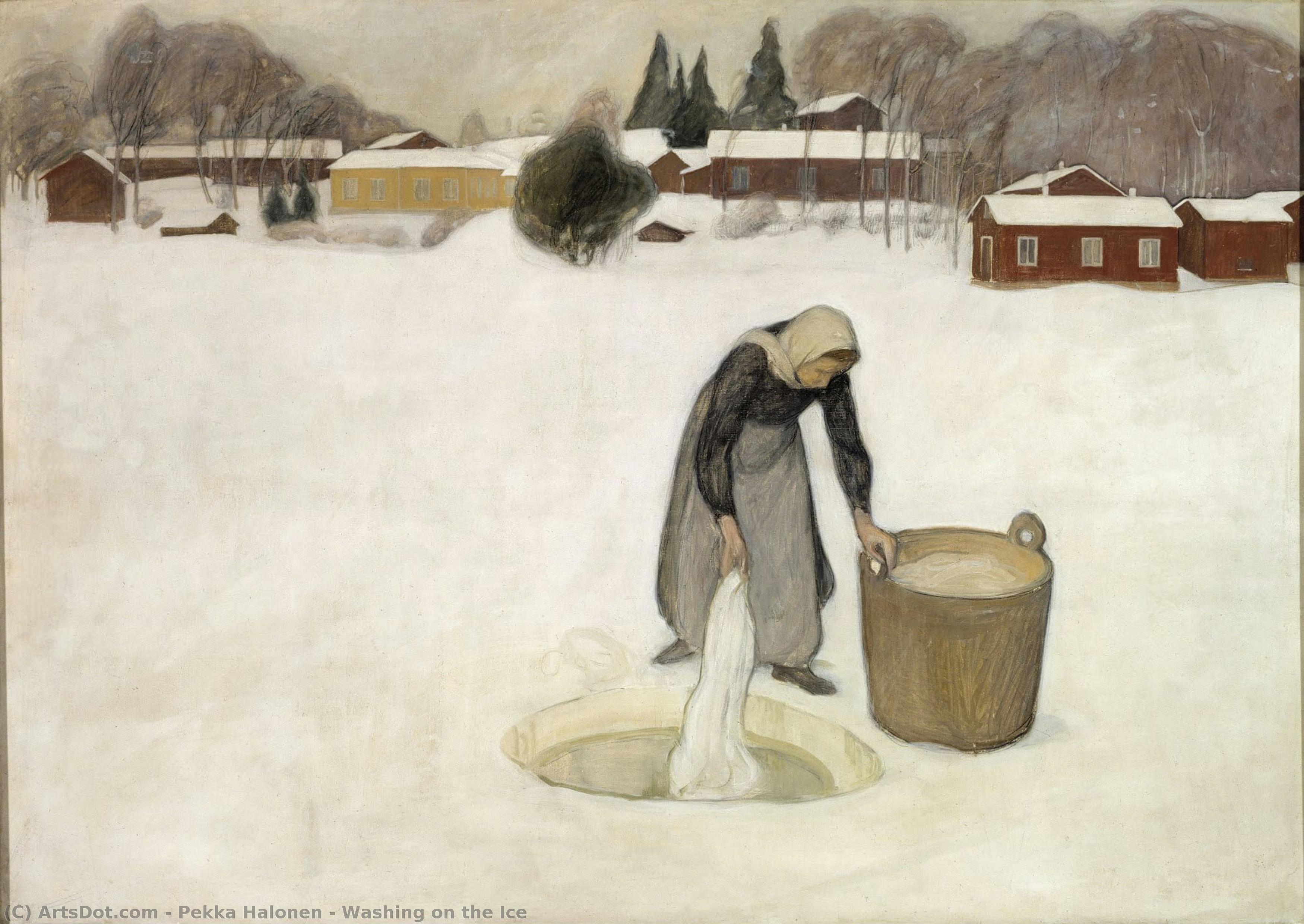
Washing on the Ice
 Oil On Canvas
- WallArt
- Impressionism
 1900
1900- 19th Century
 180.0 x 125.0 cm
 Museo Ateneo de Arte
 Leer más
Reproducción al óleo hecha a mano
Óleo sobre lienzo pintado a mano en el tamaño y marco de su elección, realizado por encargo por nuestros artistas. ( Pedir impresión Comprar descarga)




P118B $10

P118H $10

P118W $10

P438Z $10

P508JH $12

P508YH $12

P805H $10

P805Z $10

P919BZ $10

P919G $10

P919XJ $10

P959ZH $10

P968JZ $12

W106C $8

W218G $10

W218JH $8

W218Y $10

W307PJ $10

W316G $10

W316PJ $8

W316Y $10

W398PJ $8

W4111J $10

W500HY $15

W500JH $15

W692G $12

W849H $8

W940BG $15

W953PJ $8




Elija entre nuestros tamaños predefinidos que respetan las proporciones originales de la obra.

Puede ingresar sus propias dimensiones para adaptarse a un marco o espacio específico. Si el tamaño seleccionado no coincide con las proporciones de la imagen original, recortaremos la obra o extenderemos la pintura con elementos adicionales pintados a mano. Se le enviará una maqueta digital para su aprobación antes de comenzar la producción.
Tenga en cuenta que la vista previa en pantalla no refleja el recorte o la extensión reales. Solo la maqueta mostrará con precisión la composición final.
Si bien existen tamaños personalizados, recomendamos seleccionar una dimensión de la lista predefinida para preservar las proporciones originales.
Tras realizar el pedido, el equipo de ArtsDot.com enviará un correo electrónico al cliente para solicitar instrucciones y proporcionarle una vista previa del boceto.
Envío a todo el mundo () en 3-4 semanas en lugar de las 5 semanas estándar. (22 agosto). Sin comprometer la calidad.

Envío exprés gratuito a todo el mundo

Lienzo de lino de alta calidad

Seguro de envío completo

Garantía de reembolso de aranceles aduaneros

Garantía de fidelidad cromática exacta

Política de devolución de 60 días (solo por defectos)

Garantía de devolución del 100% del dinero

Oferta por volumen
 La opción de vidrio solo está disponible en tamaños inferiores a 110 cm.

Washing on the Ice
Técnica de reproducción
Tamaño de la reproducción
-


Precio total
$ 263
Descripción de la obra
A Quiet Resilience Amidst the Finnish Frost
In the hushed, crystalline atmosphere of Washing on the Ice, we are transported to the turn of the twentieth century, specifically to the frozen landscapes that defined the Finnish National Romantic era. Created by the master Pekka Halonen in 1900, this evocative piece was originally conceived as part of a prestigious twelve-painting series for the Finnish Pavilion at the Paris World Fair. The painting serves as more than just a landscape; it is a profound window into a way of life, capturing the rhythmic, seasonal endurance of the Finnish people. As we gaze upon the solitary figure of a woman dressed in muted grey, engaged in the arduous task of laundry amidst the snow, we feel the biting chill of the winter air and the quiet dignity of domestic labor performed against the backdrop of an unforgiving yet beautiful wilderness.
The composition is a masterclass in atmospheric perspective, guiding the viewer’s eye through a delicately layered world. In the foreground, the central figure anchors the scene, her presence a testament to human perseverance. Beyond her, the middle ground reveals the soft, organic shapes of snow-dusted trees and the distant, nestled farmhouses that suggest a community bound by the shared experience of the seasons. Halonen utilizes a shallow perspective that keeps our focus intimate, yet he achieves a sense of vastness through the use of light and color. The winter light in this masterpiece is uniquely ethereal; it lacks harsh shadows, instead casting a diffused, pearlescent glow over the ice, as if the sun itself were struggling to pierce through a heavy, overcast sky.
The Artistry of Impressionistic RealismTechnically, Washing on the Ice is a triumph of impressionistic technique blended with a realist's eye for detail. Halonen employs loose, expressive brushstrokes that lend a sense of movement to the falling snow and the frozen surface of the ice. The texture of the canvas is enriched by the layering of oil paints, creating a slightly grainy, tactile quality that mimics the frosted atmosphere of a subarctic morning. His palette is a sophisticated study in restraint, dominated by a spectrum of muted whites, icy blues, slate greys, and earthy browns. This limited color range does not diminish the painting's impact; rather, it intensifies the emotional resonance of the cold, creating a monochromatic harmony that feels both peaceful and somber.
For the discerning collector or interior designer, this artwork offers a profound sense of tranquility and timelessness. The symbolism of the woman’s labor—representing the strength and continuity of life in harsh conditions—provides a deep narrative layer that elevates the piece from a mere landscape to a soulful portrait of national identity. Whether placed in a contemporary gallery setting or as a focal point in a classically styled room, this reproduction brings with it an aura of quiet strength and historical depth. It is an invitation to pause, to breathe in the stillness of the Finnish winter, and to find beauty in the most humble of human endeavors.
Obras relacionadas



Biografía del artista
Pekka Halonen: A Pioneer of Finnish Landscape Painting
Pekka Halonen (1865-1933) stands as a pivotal figure in Finnish art history, recognized primarily for his masterful depictions of the Finnish landscape and its people during the National Romantic era. His artistic vision seamlessly blended realism with Impressionistic techniques, establishing him as one of Finland’s foremost painters and contributing significantly to the burgeoning sense of national identity at the turn of the century. Born September 23rd, 1865, in Linnasalmi, Lapinlahti, Finland, Halonen's upbringing profoundly shaped his artistic sensibilities. His father, Olli Halonen, was a farmer and amateur artist who instilled in Pekka a deep appreciation for craftsmanship and observation of the natural world – experiences that would become central to Halonen’s oeuvre. Notably, Olli Halonen frequently undertook decorative painting commissions on churches in neighboring districts, exposing young Pekka to artistic practice firsthand. This familial influence fostered an early fascination with color and form, laying the groundwork for his future explorations into landscape painting. Halonen pursued formal artistic training at Helsinki Art Society's Drawing School for four years, graduating with honors and securing a scholarship to study abroad. Recognizing the importance of broadening his horizons, he embarked on a journey to Paris in 1890, initially enrolling at the Académie Julian before gravitating towards the tutelage of Paul Gauguin at the Académie Vitti. Alongside these influential mentors, Halonen honed his skills at the École Supérieure des Beaux-Arts, immersing himself in the artistic currents of Impressionism and Post-Impressionism. This Parisian period proved transformative, exposing him to groundbreaking ideas about color theory and expressive brushwork – concepts that would permeate his subsequent paintings. His marriage to Maija Mäkinen in 1895 marked a significant chapter in Halonen’s personal life, establishing a home on Lake Tuusula where he cultivated an artist's community alongside fellow painters. The couple resided at ‘Halosenniemi,’ a magnificent pine villa designed collaboratively by Halonen and his brother Antti Halonen, completed in 1902. This architectural masterpiece served as both inspiration and studio space for Halonen’s artistic endeavors, embodying the ideals of Finnish national identity and reflecting the influence of Parisian villas. The villa's design prioritized natural light and expansive views of Lake Tuusula, mirroring Halonen’s dedication to capturing the essence of Finland’s landscape. Halonen’s artistic output is characterized by a distinctive blend of realism and Impressionistic color palettes. He meticulously rendered Finnish landscapes—particularly winter scenes—with remarkable accuracy, conveying atmospheric conditions and subtle tonal variations with exceptional skill. Simultaneously, he employed expressive brushstrokes and vibrant hues to infuse his paintings with emotion and dynamism – techniques borrowed from Gauguin’s stylistic innovations. His most celebrated works include “Sauna in the Snow,” a poignant portrayal of Finnish rural life imbued with symbolic resonance, and "Washing on the Ice," which exemplifies his masterful command of Impressionistic light and color. Furthermore, Halonen's contribution to fostering Finnish national identity through art is undeniable; he became an integral part of Tuusula’s artistic landscape, shaping its cultural heritage for generations to come. His legacy continues to inspire artists today, cementing his place as a cornerstone of Finnish visual culture.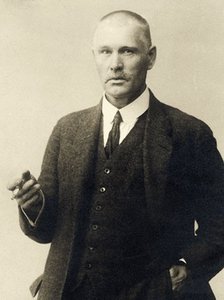
Pekka Halonen
1865 - 1933 , Finlandia
Datos clave
- Artistic Movement Or Style: Romanticismo Nacional
- Artists Or Movements Influenced By This Artist: ['Impressionismo']
- Artists Who Influenced This Artist:
- Yrjö Aleksanteryo Ollila
- Paul Gauguin
- Date Of Birth: 1865
- Date Of Death: 1933
- Full Name: Pekka Halonen
- Nationality: Finlandesa
- Notable Artworks:
- Sauna en la nieve
- Lavado sobre el hielo
- Place Of Birth: Linnasalmi, Finlandia
Artículos relacionados
Los 10 Maestros del Paisaje Impresionista: Obras que Cambiaron la Historia del Arte
Descubre los 10 lienzos impresionistas que revolucionaron el arte. Monet, Renoir y más… Explora la historia, técnica y belleza de cada obra maestra. Encuentra reproducciones de alta calidad para tu hogar en ArtsDot.com.
Los 10 Maestros del Paisaje Impresionista: Obras que Cambiaron la Historia del Arte
Descubre los 10 lienzos impresionistas que revolucionaron el arte. Explora la historia de Monet, Van Gogh y Renoir, sus técnicas y colores vibrantes. Encuentra reproducciones de alta calidad para decorar tu hogar en ArtsDot.com

Evocations of Place: A Historical Journey Through Landscape Art
Explore the rich history of landscape art with ArtsDot. Discover renowned artists, movements like Impressionism & Romanticism, and expert guidance for collecting timeless pieces. Find your perfect serene escape today!

Paisajes Románticos: 10 Obras Maestras que Definieron un Movimiento Artístico
Descubre los 10 paisajes románticos más influyentes de artistas como Caspar David Friedrich y Turner. Explora la belleza, el simbolismo y las técnicas del movimiento romántico. Reproducciones de arte exclusivas en ArtsDot.com.

John Constable: Las 25 Obras Maestras del Paisaje Inglés | ArtsDot
Descubre las 25 obras maestras de John Constable, el pintor romántico inglés que capturó la belleza del paisaje. Explora su técnica, historia y significado en ArtsDot.com. Reproducciones de arte de alta calidad para tu hogar.

