

 Ver en contexto
 Enviar
 Compartir
 Detalles

 Descargar
 Similares
 Radiografía
 Presentación de diapositivas
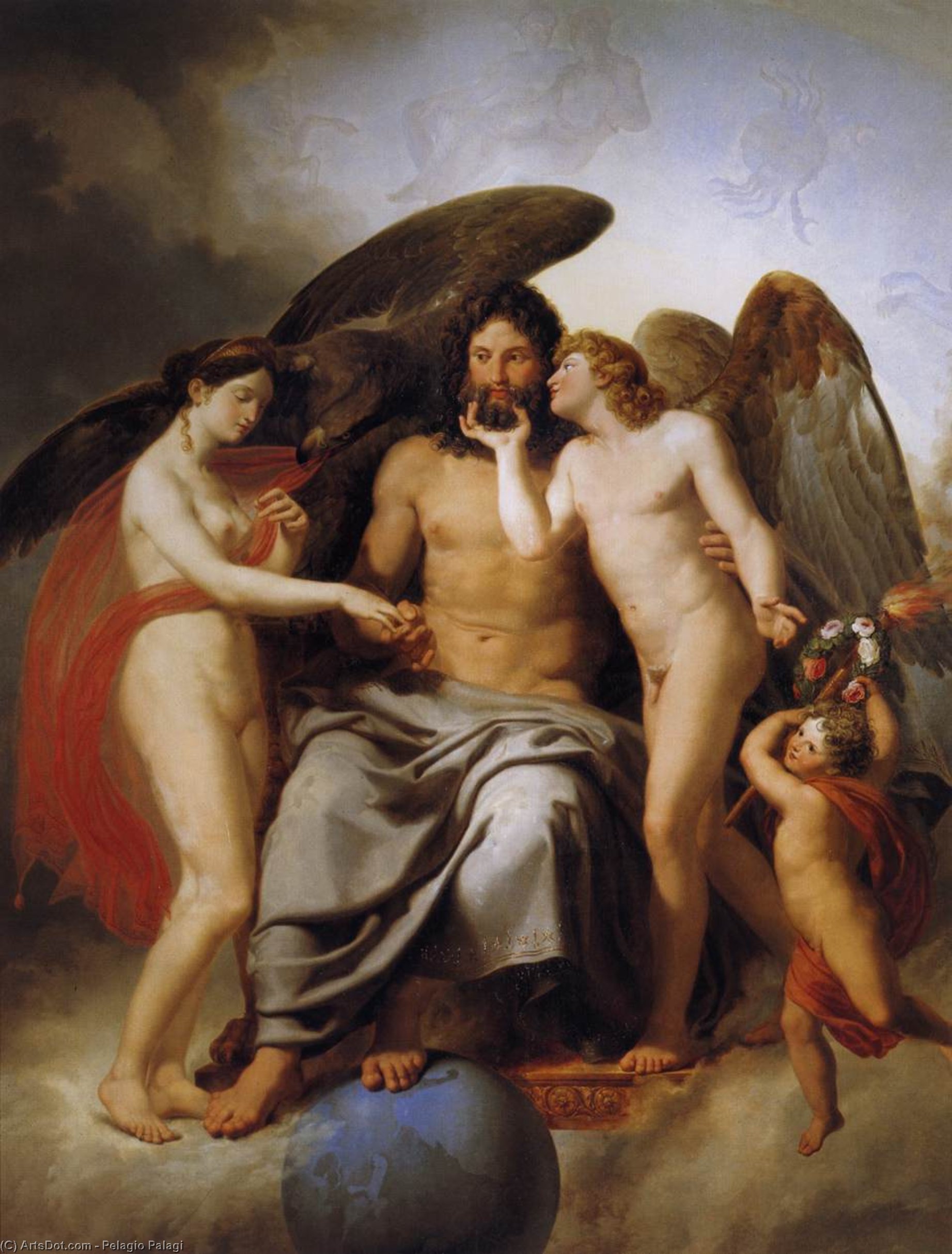
The Nuptials of Cupid and Psyche
 Oil On Canvas
- WallArt
- Neoclassical Italian
 1808
1808 254.0 x 188.0 cm
 Instituto de Artes de Detroit
 Ver más
Adquiera una imagen digital de alta resolución y optimizada, muy superior a la vista previa en línea.
Cada archivo es preparado meticulosamente por nuestros especialistas internos mediante el uso de herramientas avanzadas y un experto retoque manual. Nos aseguramos de que cada imagen posea una claridad excepcional, una precisión cromática impecable y un detalle minucioso.
El archivo final se entrega por correo electrónico en un plazo de 72 horas, optimizado para su uso inmediato en entornos profesionales, editoriales y de impresión. Esta es la misma calidad en la que confían los estudios de diseño, las editoriales y las galerías de primer nivel.
Imagen Digital
Descarga un archivo de alta resolución para exhibición personal, impresión y proyectos creativos. ( Comprar impresión Comprar pintura hecha a mano)
Incluido en cada pedido de imágenes digitales
Entrega digital experta, garantizada.
Al elegir ArtsDot.com, no solo está adquiriendo una imagen; está recibiendo una obra de arte digital mejorada profesionalmente, elaborada con precisión y respaldada por una garantía de satisfacción. Esto es todo lo que incluye su pedido, automáticamente:

Entrega rápida por email
Recibirá su archivo de imagen digital en alta resolución por correo electrónico en un plazo de 72 horas tras realizar su pedido, listo para su uso inmediato.

Archivo digital optimizado por IA
Su obra de arte se optimiza profesionalmente mediante herramientas avanzadas de IA y edición manual, garantizando el máximo detalle, claridad y precisión cromática.

Reenvío gratuito de por vida
¿Has borrado o perdido tu archivo por error? No te preocupes: te lo volveremos a enviar en cualquier momento, sin coste adicional.

Sin gastos de importación, siempre
Disfrute de su obra de arte al instante sin aduanas, aranceles ni gastos de envío; las descargas digitales siempre están libres de impuestos.

Garantía de fidelidad de color
Garantizamos que su imagen digital refleje los colores originales con la mayor fidelidad posible, mediante el uso de herramientas profesionales y gestión del color.

Garantía de satisfacción de 60 días
Si no está satisfecho con su imagen digital, la revisaremos o le reembolsaremos el 100% en un plazo de 60 días, sin preguntas.

100% Garantía de devolución de dinero
¿No está satisfecho? Obtenga un reembolso completo dentro de los 60 días posteriores a la recepción de su archivo digital, sin necesidad de explicaciones.

Descuentos por pedidos grandes
Compra 3 imágenes, ahorra 10% - Compra 5, ahorra 15% - Compra 10+, ahorra 20%. Ideal para proyectos creativos, galerías y agencias.
Descripción del coleccionable
The Nuptials of Cupid and Psyche – A Symphony of Neoclassical Grace
Pelagio Palagi’s “The Nuptials of Cupid and Psyche,” painted in 1808, is more than a depiction of a mythological romance; it's a meticulously crafted tableau of classical ideals, imbued with the burgeoning spirit of Neoclassicism and reflecting the artistic currents flowing from Rome to Bologna. The painting captures a pivotal moment – the union of Cupid, god of love, and Psyche, his devoted bride – within a setting that seamlessly blends earthly elegance with celestial splendor. Palagi’s genius lies not merely in recreating a myth but in imbuing it with a profound sense of harmony, balance, and restrained emotion, hallmarks of the era.
The composition immediately draws the eye to the central figures: Cupid and Psyche, seated upon a richly adorned chair. He gestures towards her with an expression of tender adoration, while she observes him with a serene grace. Surrounding them is a carefully orchestrated assembly of angelic beings – a chorus of cherubs and messengers – each rendered with exquisite detail and contributing to the overall sense of divine celebration. Note the subtle variations in their poses and expressions; they aren’t merely passive observers but active participants in this sacred union, radiating an aura of benevolent grace.
Palagi's technical mastery is evident in every brushstroke. The painting is executed with a smooth, polished finish, characteristic of Neoclassical style, reflecting the influence of artists like Canova and Antonio Canova. He employs a delicate layering of colors – soft blues, pinks, and golds – to create an atmosphere of ethereal beauty. The drapery, particularly that adorning the chair and the figures’ garments, is handled with remarkable skill, conveying both weight and fluidity. The artist's attention to detail extends to the intricate patterns on the fabrics, the delicate folds of the angels’ wings, and the subtle nuances in their facial expressions – all contributing to a remarkably lifelike quality.
A Myth Reimagined: Symbolism and Narrative
The story of Cupid and Psyche is a timeless allegory of love, devotion, and overcoming adversity. Initially, Psyche was renowned for her unparalleled beauty, attracting the envious attention of Venus, goddess of love. To protect her from the wrath of her rival, Venus commanded Cupid to fall in love with another woman. However, Cupid fell deeply in love with Psyche, and their romance was fraught with trials and tribulations orchestrated by Venus. Psyche endured a series of arduous tests designed to break her spirit, ultimately requiring the intervention of Cupid himself.
Palagi’s painting captures this narrative arc with remarkable subtlety. The setting itself – a luxurious interior bathed in soft light – suggests a realm beyond earthly concerns, reflecting Psyche's journey into the divine sphere. The presence of the angels symbolizes divine assistance and protection, underscoring the theme of overcoming obstacles through love and faith. Cupid’s gesture is particularly significant; it represents not just romantic affection but also the power of his love to conquer all challenges.
Historical Context: Neoclassicism in Bologna
“The Nuptials of Cupid and Psyche” was created during a pivotal moment in Italian art history – the transition from Rococo extravagance to the ideals of Neoclassicism. Following the Napoleonic era, there was a renewed interest in classical antiquity, inspiring artists to emulate the forms, principles, and values of ancient Greece and Rome. Bologna, under the influence of Count Carlo Filippo Aldrovandi, became a vibrant center for Neoclassical art, fostering an environment where young talents like Palagi could flourish.
Palagi’s artistic formation within Aldrovandi's circle profoundly shaped his style. The Count’s home served as a veritable academy, providing access to a vast collection of prints and offering rigorous life drawing classes. This immersion in classical art instilled in Palagi a deep appreciation for perspective, architecture, figurative painting, portraiture, and the art of collecting itself. The influence of artists like Vincenzo Canova is readily apparent in the painting’s emphasis on idealized forms, balanced compositions, and restrained emotion.
A Legacy of Grace: Reproduction and Interpretation
Today, “The Nuptials of Cupid and Psyche” stands as a testament to Palagi's artistic skill and his ability to capture the essence of Neoclassical ideals. Reproductions offer an accessible way to experience the beauty and sophistication of this remarkable painting, bringing its timeless message of love and devotion into contemporary spaces.
Whether adorning a grand salon or a more intimate setting, a high-quality reproduction of “The Nuptials of Cupid and Psyche” will undoubtedly evoke a sense of serenity, elegance, and romantic grace. It’s a piece that speaks to the enduring power of love, faith, and the pursuit of beauty – qualities that continue to resonate with audiences today.
Obras relacionadas


Biografía del artista
Primeros Años y Formación
- Nacimiento: Bolonia, Italia (1775)
- Fallecimiento: 1860
- Pelagio Palagi comenzó su trayectoria artística a una edad muy temprana bajo la tutela del Conde Carlo Filippo Aldrovandi.
- La extensa colección de grabados de Aldrovandi y las clases de dibujo en vivo en la Accademia Clementina de Bolonia proporcionaron una sólida base.
- Estudió perspectiva, arquitectura, pintura figurativa, retratos y coleccionismo desde temprana edad.
- Sus primeros trabajos coincidieron con la llegada de Napoleón a Bolonia, lo que llevó a encargos para uniformes, medallas y emblemas que simbolizaban "Liberté, Égalité, Fraternité".
Obras Principales y Desarrollo Artístico
- Primeros Encargos: Palagi obtuvo reconocimiento a través de monumentales tumbas sepulcrales en la Certosa di Bologna (1801-1804) para figuras como Edoardo Pepoli y Girolamo Bolognini Amorini.
- Período Romano (1806-1815): Los estudios en la Accademia di San Luca en Roma, posiblemente bajo Vincenzo Camuccini, influyeron significativamente en su estilo.
- Obras Clave de Roma: Piezas notables incluyen "Retrato de Giuseppe Guizzardi con vestimenta antigua" (1807), "Matrimonio de Amor y Psique" (1808), pinturas históricas como "Mario a Minturno", y frescos en el Palazzo del Quirinale y Palazzo Torlonia.
- Período Milanesa (1815-1832): Estableció una escuela privada en Milán, compitiendo con la Accademia di Brera. Se centró en retratos de figuras prominentes como Giuseppe Bossi y Andrea Appiani.
- Transición hacia el Romanticismo: Influenciado por Francesco Hayez, Palagi comenzó a incorporar elementos de pintura histórico-romántica junto con su formación clasicista, evidente en obras como "Gian Galeazzo Sforza" y "Ratto delle Sabine".
Carrera Posterior y Patronato Real
- Encargos Reales: Obtuvo el patrocinio del Rey Carlo Alberto de Cerdeña, lo que llevó a encargos significativos para residencias reales.
- Proyectos de Castillo: Trabajó en el proyecto de ampliación del Castillo de Racconigi y proyectos de modernización en el Palazzo Reale en Turín.
- Reconocimiento Académico: Fue nombrado jefe de los proyectos de restauración pictórica y decorativa y fue designado para la cátedra de ornato en la Accademia Albertina.
- Obras Significativas: Obras posteriores notables incluyen una magnífica pintura de techo, "El Baile de las Horas", para el salón de baile del Palazzo Reale en Turín.
Estilo Artístico e Influencias
- Fundamento Neoclásico: La formación temprana de Palagi inculcó una sólida base en el neoclasicismo, caracterizada por la claridad, el orden y la adherencia a las formas clásicas.
- Investigación Histórica: Demostró una investigación meticulosa en la historia antigua y la naturaleza, evidente en sus pinturas históricas y retratos.
- Influencia de Camuccini: El historicismo de Vincenzo Camuccini moldeó significativamente el estilo de Palagi, particularmente en su atención al detalle y la precisión histórica.
- Elementos Románticos: Las obras posteriores incorporaron elementos del romanticismo, reflejando un cambio hacia composiciones más dramáticas y expresión emocional.
Legado y Colecciones
- Extensa Colección: Palagi acumuló una impresionante colección de escultura, objetos y monedas griegas, egipcias, etruscas y romanas.
- Legado a Bolonia: A su muerte, legó sus colecciones, biblioteca, archivo y dibujos al Comune di Bologna.
- Actuales Holdings: Sus colecciones ahora se albergan en el Museo Civico Archeologico, Museo Civico Medievale, Biblioteca Comunale dell'Archiginnasio en Bolonia.
- Significado Histórico: La versatilidad de Palagi como pintor, escultor, decorador de interiores y diseñador consolidó su posición como una figura clave en el arte italiano del siglo XIX.
Pelagio Palagi
1775 - 1860 , Italia
Breves datos
- Artistas Que Influyeron:
- Vincenzo Camuccini
- Francesco Hayez
- Fecha De Fallecimiento: 6 de marzo de 1860
- Fecha De Nacimiento: 25 de mayo de 1775
- Lugar De Nacimiento: Bolonia, Italia
- Movimiento Artístico: Neoclasicismo
- Nacionalidad: Italiana
- Nombre Completo: Pelagio Palagi
- Obras Notables:
- Retrato de Giuseppe Guizzardi
- Matrimonio de Amore y Psique
- Mario a Minturno
- Ila e le ninfe
- Ratto delle Sabine

