

 Ver en contexto
 Enviar
 Compartir
 Detalles

 Descargar
 Similares
 Radiografía
 Presentación de diapositivas
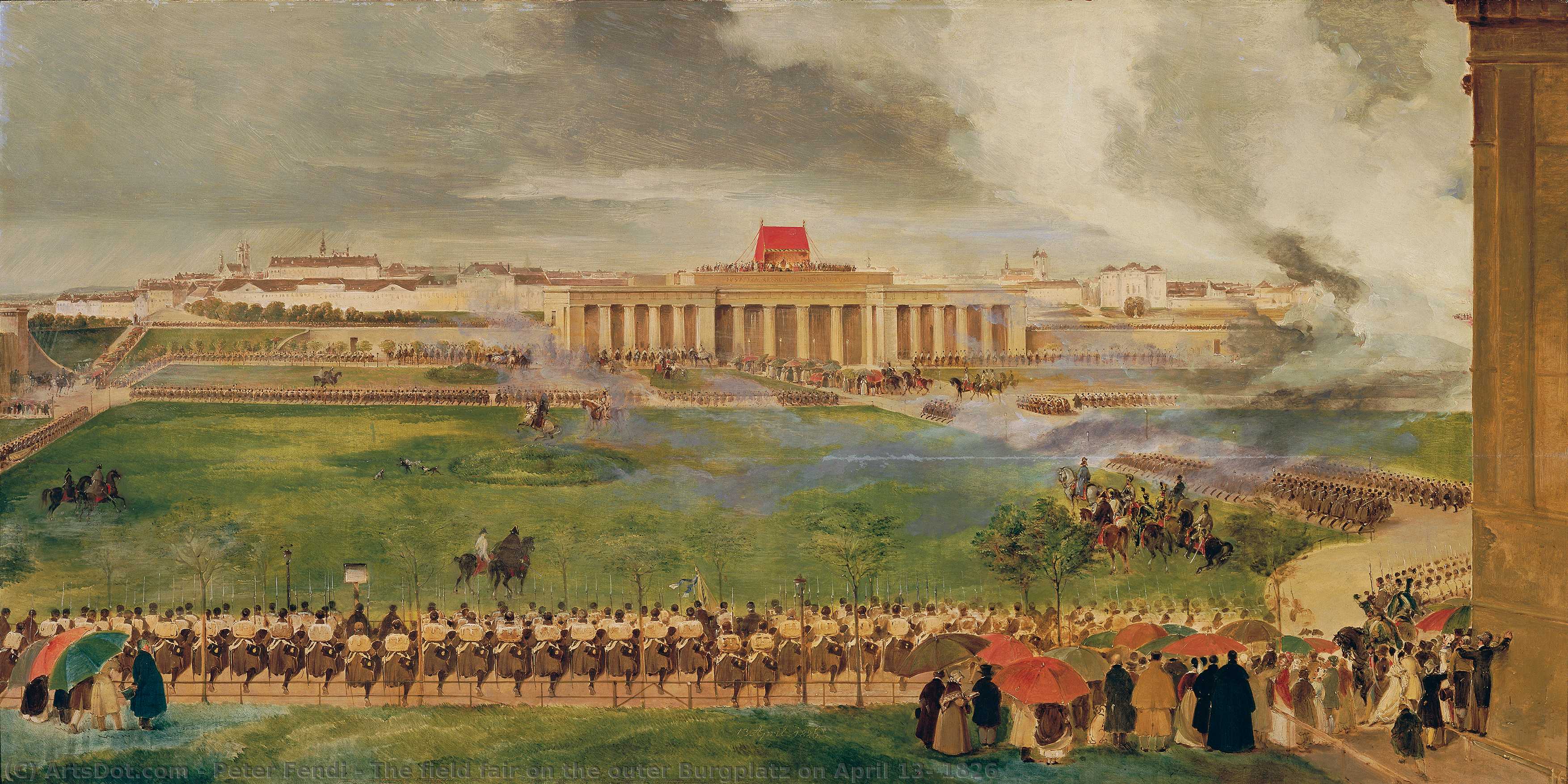
The field fair on the outer Burgplatz on April 13, 1826
 Oil On Panel
- WallArt
- Romanticism
 1826
1826- 19th Century
 63.0 x 126.0 cm
 Kunsthistorisches Museum
 Ver más
Reproducción al óleo hecha a mano
Óleo sobre lienzo pintado a mano en el tamaño y marco de su elección, realizado por encargo por nuestros artistas. ( Comprar impresión Comprar imagen)




P118B $10

P118H $10

P118W $10

P438Z $10

P508JH $12

P508YH $12

P805H $10

P805Z $10

P919BZ $10

P919G $10

P919XJ $10

P959ZH $10

P968JZ $12

W106C $8

W218G $10

W218JH $8

W218Y $10

W307PJ $10

W316G $10

W316PJ $8

W316Y $10

W398PJ $8

W4111J $10

W500HY $15

W500JH $15

W692G $12

W849H $8

W940BG $15

W953PJ $8




Elija entre nuestros tamaños predefinidos que respetan las proporciones originales de la obra.

Puede ingresar sus propias dimensiones para adaptarse a un marco o espacio específico. Si el tamaño seleccionado no coincide con las proporciones de la imagen original, recortaremos la obra o extenderemos la pintura con elementos adicionales pintados a mano. Se le enviará una maqueta digital para su aprobación antes de comenzar la producción.
Tenga en cuenta que la vista previa en pantalla no refleja el recorte o la extensión reales. Solo la maqueta mostrará con precisión la composición final.
Si bien existen tamaños personalizados, recomendamos seleccionar una dimensión de la lista predefinida para preservar las proporciones originales.
Tras realizar el pedido, el equipo de ArtsDot.com enviará un correo electrónico al cliente para solicitar instrucciones y proporcionarle una vista previa del boceto.
Envío a todo el mundo () en 3-4 semanas en lugar de las 5 semanas estándar. (25 agosto). Sin comprometer la calidad.

Envío exprés gratuito a todo el mundo

Lienzo de lino de alta calidad

Seguro de envío total

Garantía de reembolso de impuestos aduaneros

Garantía de fidelidad cromática exacta

Política de devolución de 60 días (solo por defectos)

Garantía de devolución del 100% del dinero

Descuento por cantidad
 La opción de vidrio solo está disponible en tamaños inferiores a 110 cm.

The field fair on the outer Burgplatz on April 13, 1826
Técnica de reproducción
Dimensiones de la reproducción
-


Precio total final
$ 263
Descripción de la obra
A Snapshot of Rural Life: Peter Fendi’s “The Field Fair on the Outer Burgplatz”
Peter Fendi's "The Field Fair on the Outer Burgplatz on April 13, 1826" isn’t merely a depiction of a provincial gathering; it’s a vibrant distillation of the Biedermeier aesthetic – a window into the heart of early 19th-century Austria. Painted in 1826, during a period of relative peace and burgeoning national identity following the Napoleonic Wars, this oil on panel captures a quintessential scene: a bustling field fair unfolding within the outer grounds of Burgplatz. The painting immediately draws the eye with its rich palette – earthy browns, ochres, and greens dominate, punctuated by the bright splashes of red and blue in the clothing and umbrellas scattered throughout the composition. Fendi masterfully employs light and shadow to create a sense of depth and movement, guiding the viewer’s gaze across the crowded scene. It's a testament to his skill that he manages to convey both the controlled order of a public event and the joyous chaos inherent in communal celebration.The Biedermeier Vision: Intimacy and Observation
Fendi was a pivotal figure in the development of the Biedermeier style, an artistic movement characterized by its focus on everyday life, domestic interiors, and intimate scenes. Unlike the grand historical paintings that preceded it, Biedermeier art prioritized observation over idealization. Fendi’s work embodies this perfectly; he doesn't attempt to elevate the scene to a heroic narrative but rather presents it with quiet realism. The figures are not posed dramatically, but engaged in ordinary activities – bartering, gossiping, playing games, and simply enjoying the festivities. This emphasis on the familiar, the commonplace, was deliberately intended to foster a sense of national identity and connection amongst the rising middle class who were increasingly commissioning art for their homes. The painting’s composition itself—a slightly elevated viewpoint looking down upon the scene—suggests an observer taking in the activity, mirroring the Biedermeier ideal of the thoughtful, discerning individual.A Detailed Examination: Composition and Technique
Notice the meticulous detail with which Fendi renders each element of the fair. The horses, a central feature of any rural gathering, are depicted with remarkable accuracy – their coats gleaming in the sunlight, their movements captured with subtle grace. The umbrellas, strategically placed throughout the scene, provide not only shade but also contribute to the painting’s dynamic composition, creating diagonals that lead the eye across the canvas. Fendi's brushwork is loose and expressive, particularly evident in the rendering of the crowd – a swirling mass of figures rendered with quick, confident strokes. He utilizes impasto—thickly applied paint—to build up texture and create a sense of physicality, especially noticeable in the fabrics of clothing and the surfaces of the wooden stalls. The use of atmospheric perspective—the subtle blurring of distant objects—further enhances the illusion of depth and space.Symbolism and Social Commentary
Beyond its immediate depiction of a field fair, the painting subtly reflects the social dynamics of 19th-century Austria. The presence of various tradesmen – blacksmiths, bakers, and merchants – highlights the economic vitality of the region. The gathering itself represents a crucial opportunity for community interaction and exchange, reinforcing the importance of local connections. While seemingly idyllic, the scene also subtly hints at the constraints placed upon women in this era; they are largely relegated to the background, observing rather than actively participating. The painting, therefore, offers a nuanced glimpse into the social fabric of the time – a celebration of rural life intertwined with subtle commentary on gender roles and class distinctions.A Timeless Appeal: Reproduction and Interior Design
“The Field Fair on the Outer Burgplatz” remains remarkably relevant today. Its depiction of communal joy, simple pleasures, and the beauty of everyday life resonates deeply with contemporary audiences. Reproductions of this captivating artwork are ideal for adding warmth and character to any interior space – from a country-style living room to a modern apartment. The painting’s vibrant colors and dynamic composition create a focal point that draws attention and sparks conversation. Consider pairing it with complementary furnishings—rustic wooden tables, comfortable armchairs, and perhaps a collection of vintage textiles—to fully capture the spirit of the Biedermeier aesthetic. This piece is more than just decoration; it's an invitation to step back in time and experience the charm of a bygone era.Obras relacionadas


Biografía del artista
Peter Fendi: Un Pionero de la Pintura Biedermeier Vienesa
Peter Fendi, nacido en el corazón de Viena el 4 de septiembre de 1796, fue mucho más que un pintor; se convirtió en una figura fundamental en el desarrollo del arte austriaco durante el período Biedermeier. Su vida, marcada por un desafío físico temprano – una caída desde un cambiador de pañales como bebé que le dejó problemas espinales persistentes – paradójicamente impulsó un talento extraordinario para el dibujo y, finalmente, moldeó su visión artística. Su padre, maestro, reconoció esta habilidad innata, inscribiéndolo en la prestigiosa Academia de Bellas Artes de Viena en 1810. Allí, bajo la tutela de artistas destacados como Johann Martin Fischer, Hubert Maurer y Johann Baptist von Lampi el Mayor, Fendi perfeccionó sus habilidades, sentando las bases para una prolífica carrera que abarcaba pinturas al óleo, acuarelas, grabados, litografías e incluso tallas en madera. La vida profesional temprana de Fendi comenzó en la Galería Imperial de Monedas y Antigüedades en 1818, donde sirvió como dibujante y grabador bajo Joseph Barth, un influyente coleccionista de arte y oftalmólogo personal del Emperador José II. Esta posición le brindó acceso invaluable a círculos artísticos y lo expuso al meticuloso detalle exigido por las comisiones imperiales. Un hito significativo llegó en 1821 cuando Fendi recibió una medalla de oro por su pintura al óleo *Vilenica*, consolidando su reputación dentro del panorama artístico vienés. Este reconocimiento condujo a su elección como miembro de la Academia de Bellas Artes de Viena en 1836, lo que reforzó aún más su posición entre sus pares.Influencias Holandesa y Inspiración Veneciana
El estilo artístico de Fendi fue profundamente influenciado por dos fuentes distintas pero complementarias: los maestros holandeses y el Renacimiento italiano. El realismo y las escenas de género prevalecientes en las obras de artistas como Adriaen Brouwer, Adriaen van Ostade y Rembrandt resonaron profundamente con Fendi, dando forma a sus representaciones de la vida cotidiana – bulliciosos mercados, escenas de taberna e íntimos momentos familiares. Estas pinturas se caracterizan por una aguda observación del comportamiento humano, a menudo impregnadas de un sutil sentido del humor o comentario social. Simultáneamente, el viaje de Fendi a Venecia en 1821 resultó transformador. Inmerso en las opulentas colecciones de arte de Giovanni Bellini, Tintoretto, Tiziano y Paolo Veronese, absorbió sus composiciones dramáticas, ricos colores y maestrosa utilización de la luz – elementos que más tarde infundirían a su propio trabajo un sentido de grandeza y teatralidad. La influencia holandesa se manifiesta en su enfoque en la vida cotidiana y el detalle minucioso, mientras que la inspiración veneciana le proporciona una paleta vibrante y una sensación de drama.Innovación Litográfica y Retratos
Más allá de las técnicas tradicionales de pintura, Fendi fue un verdadero innovador en el campo de la litografía. Sus grabados multicolores, particularmente aquellos producidos en los años 30 y 40, fueron revolucionarios para su época, demostrando una notable habilidad técnica y sensibilidad artística. Estos grabados no eran meras reproducciones; eran obras de arte independientes, a menudo representando escenas de la vida vienesa con una paleta vibrante y una composición dinámica. Además, Fendi era un retratista muy solicitado, capturando los rasgos de nobles y gente común por igual. Sus retratos son notables por su profundidad psicológica y su capacidad para transmitir la personalidad de sus sujetos – un testimonio de su agudo ojo y comprensión del carácter humano. Destacadamente, grabó una serie de cinco billetes austriacos emitidos en 1841, mostrando su versatilidad como grabador.Legado e Importancia Artística
El legado de Peter Fendi se extiende más allá de las obras individuales que llevan su firma. Jugó un papel crucial en la configuración del estilo Biedermeier – caracterizado por su escala íntima, representación realista de la vida cotidiana y sutil comentario social. Su influencia se puede ver en el trabajo de generaciones posteriores de artistas austriacos. Su atención meticulosa al detalle, combinada con su enfoque innovador en la litografía, consolidó su lugar como una de las figuras más importantes del período Biedermeier. Hoy en día, las pinturas de Fendi están preservadas en prestigiosas colecciones como el Museo Albertina, la Galería Belvedere y la colección del Príncipe de Liechtenstein en Vaduz, asegurando que sus contribuciones artísticas sigan siendo apreciadas y estudiadas por generaciones venideras. Su obra ofrece una valiosa visión de la sociedad austriaca del siglo XIX, capturando tanto su belleza como sus complejidades con notable habilidad y sensibilidad.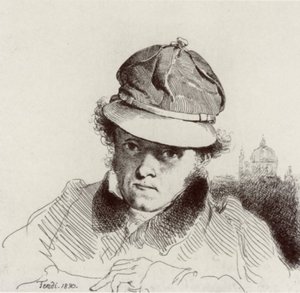
Peter Fendi
1796 - 1842 , Austria
Datos clave
- Artistic Movement Or Style: Biedermeier
- Artists Or Movements Influenced By This Artist:
- Dutch Masters
- Renacimiento
- Artists Who Influenced This Artist:
- Rembrandt
- Brouwer
- Date Of Birth: 4 Sept 1796
- Date Of Death: 28 agosto 1842
- Full Name: Peter Fendi
- Nationality: Austríaco
- Notable Artworks:
- Vilenica
- The Rise
- Place Of Birth: Viena, Austria
Artículos relacionados
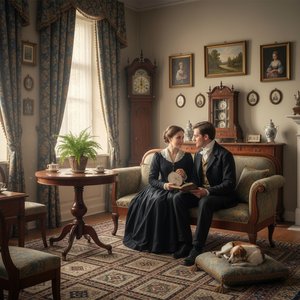
Biedermeier: Intimidad y Sociedad en la Europa de la Restauración – Un Análisis Estético y Cultural
Explora el Biedermeier: un análisis profundo de este movimiento artístico y cultural surgido en la Europa de la Restauración. Descubre su estética, temas y legado con ArtsDot.

Anthony Vandyke Copley Fielding: Rediscovering a Master of Romantic Landscape
Discover the captivating landscapes of Anthony Vandyke Copley Fielding, a master of Romantic watercolour painting. Explore his life, technique, and legacy with ArtsDot – your source for museum-quality art reproductions & expert appraisal.

Chromatic Atmospheres: Exploring the Subtleties of Color Field Painting's Emotional Resonance
Explore the profound world of Color Field painting with ArtsDot. Discover key artists like Rothko & Newman, its philosophical roots, and lasting impact on modern art. Expert insights for collectors.
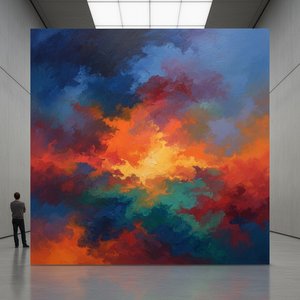
Atmósferas Cromáticas: Explorando los Fundamentos Filosóficos de la Pintura Color Field
Descubra la profunda filosofía y técnica detrás de la pintura Color Field. Explore las obras maestras de Rothko, Newman, Frankenthaler y más. Guía experta para coleccionistas.

Atmósferas Cromáticas: Explorando la Evolución e Impacto de la Pintura Color Field
Descubra la evolución y el impacto de la pintura Color Field. Análisis experto de Rothko, Newman y otros maestros. Guía para coleccionistas exigentes en ArtsDot.

