

 Ver en contexto
 Enviar
 Compartir
 Detalles

 Descargar
 Similares
 Radiografía
 Presentación de diapositivas
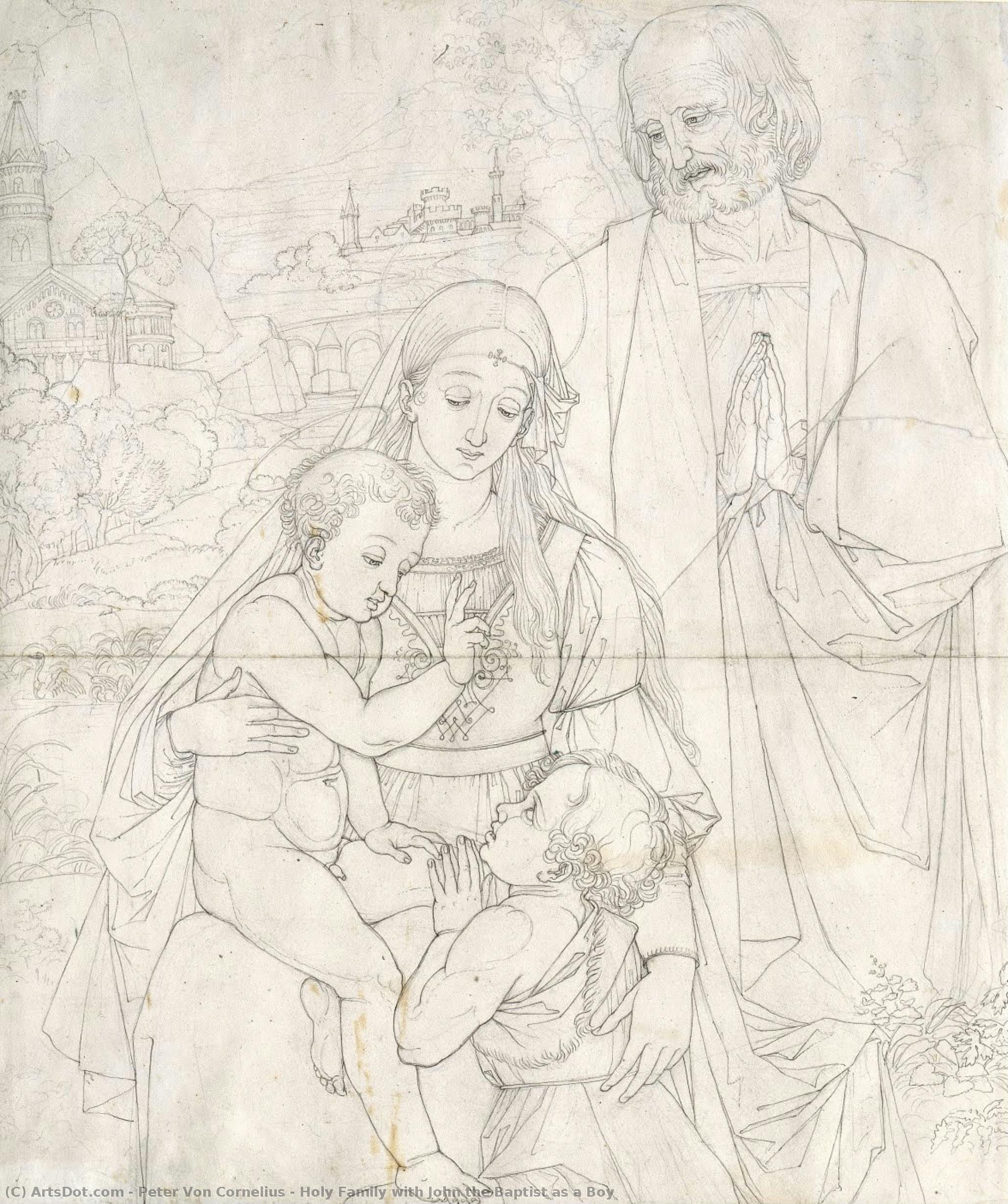
Holy Family with John the Baptist as a Boy
 1816
1816 420.0 x 492.0 cm
 Kunstpalast
 Ver más
Reproducción al óleo hecha a mano
Óleo sobre lienzo pintado a mano en el tamaño y marco de su elección, realizado por encargo por nuestros artistas. ( Comprar impresión Comprar imagen)




































Elija entre nuestros tamaños predefinidos que respetan las proporciones originales de la obra.

Puede ingresar sus propias dimensiones para adaptarse a un marco o espacio específico. Si el tamaño seleccionado no coincide con las proporciones de la imagen original, recortaremos la obra o extenderemos la pintura con elementos adicionales pintados a mano. Se le enviará una maqueta digital para su aprobación antes de comenzar la producción.
Tenga en cuenta que la vista previa en pantalla no refleja el recorte o la extensión reales. Solo la maqueta mostrará con precisión la composición final.
Si bien existen tamaños personalizados, recomendamos seleccionar una dimensión de la lista predefinida para preservar las proporciones originales.
Tras realizar el pedido, el equipo de ArtsDot.com enviará un correo electrónico al cliente para solicitar instrucciones y proporcionarle una vista previa del boceto.
Envío a todo el mundo () en 3-4 semanas en lugar de las 5 semanas estándar. (23 agosto). Sin comprometer la calidad.

Envío exprés gratuito a todo el mundo

Lienzo de lino de alta calidad

Seguro de envío total

Garantía de reembolso de impuestos aduaneros

Garantía de fidelidad cromática exacta

Política de devolución de 60 días (solo por defectos)

Garantía de devolución del 100% del dinero

Descuento por cantidad
 La opción de vidrio solo está disponible en tamaños inferiores a 110 cm.

Holy Family with John the Baptist as a Boy
Técnica de reproducción
Dimensiones de la reproducción
-


Precio total final
$ 263
Obras relacionadas
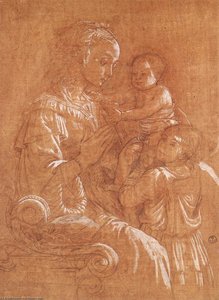
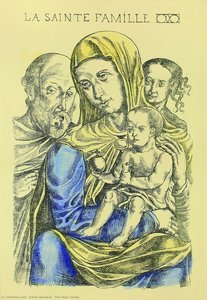
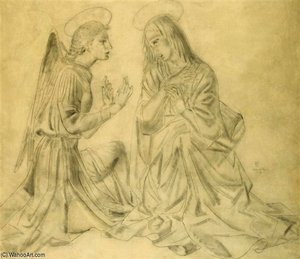
Biografía del artista
Peter von Cornelius: A Titan of Romantic Muralism
Peter von Cornelius (1783 – 1867) stands as one of the most influential figures in German Romantic art, primarily recognized for his monumental frescoes adorning the Ludwigskirche in Munich and his profound engagement with Goethe’s epic poems *Faust* and *Der Ring des Nibelungen*. His artistic vision fused classical ideals with fervent religious fervor, establishing him as a cornerstone of the Nazarene movement – a group dedicated to reviving Byzantine iconography and striving for spiritual authenticity. Born in Düsseldorf, Cornelius's early life was marked by familial hardship following his father’s untimely death in 1799. Despite facing considerable obstacles regarding artistic pursuits—his mother initially advocating for him to pursue a more practical vocation like goldsmithing—Cornelius remained steadfastly committed to painting, fueled by an irresistible passion and bolstered by the unwavering support of his mother. This formative experience instilled within him a lifelong dedication to art and profoundly shaped his artistic trajectory. Attending drawing classes at Düsseldorf Academy from the age of twelve solidified his foundational training, preparing him for a career that would ultimately redefine German visual culture. Cornelius’s artistic breakthrough arrived with the ambitious undertaking of decorating the choir of St Quirinus Church in Neuss (1803). Commissioned by Canon Wallraff of Cologne, this project showcased Cornelius's burgeoning talent and established his reputation as a skilled fresco painter. His stylistic approach drew heavily from Byzantine precedents, reflecting the Nazarene movement’s core aesthetic principles—a deliberate rejection of academic conventions in favor of spiritual contemplation and expressive color palettes. Simultaneously, he diligently honed his illustration skills, capturing Goethe’s *Faust* Part I with a distinctive linear style influenced by a facsimile edition of Durre's prayer book for Maximilian I – an homage to the artistic heritage of Northern Renaissance masters. Goethe himself personally endorsed Cornelius’s drawings, recognizing their stylistic merit and conveying his admiration for the artist’s dedication. Moving to Frankfurt in 1809, Cornelius continued his prolific output, delving into diverse mediums including etching and watercolor landscapes. His involvement with Goethe's *Faust* Part II extended his artistic collaboration with the poet, resulting in twelve engravings that meticulously rendered scenes from the dramatic narrative. These prints exemplify Cornelius’s masterful technique and unwavering commitment to capturing the essence of Goethe’s poetic vision. Subsequently, Cornelius relocated to Rome in 1811, immersing himself within the vibrant Nazarene community—a collective of young German artists passionately pursuing spiritual renewal through Byzantine iconography. This period witnessed a significant evolution in his artistic style, characterized by heightened emotional intensity and an embrace of expressive brushwork. He sought inspiration from Michelangelo and Raphael, incorporating elements of classical sculpture into his compositions. Cornelius’s legacy rests primarily upon his monumental frescoes at St Quirinus Church and his groundbreaking adaptation of Goethe's *Faust* into a series of engravings. These works represent unparalleled achievements in Romantic muralism and printmaking respectively—testaments to Cornelius’s artistic genius and unwavering devotion to reviving classical ideals alongside Byzantine spirituality. His contribution to German art history is undeniable, securing him a place among the foremost artists of his era and cementing his enduring influence on subsequent generations of painters. He died peacefully in Frankfurt in 1867, leaving behind an unparalleled body of work that continues to inspire awe and admiration for its beauty and depth.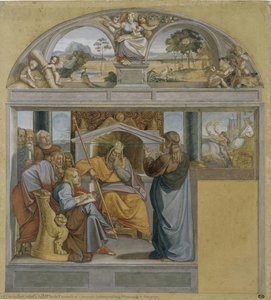
Peter von Cornelius
1783 - 1867 , Alemania
Datos clave
- Artistic Movement Or Style: Nazarene Movement
- Artists Who Influenced This Artist:
- Ludwig Richter
- Johann Friedrich Overbeck
- Date Of Birth: 1783
- Date Of Death: 1867
- Full Name: Peter von Cornelius
- Nationality: Alemania
- Notable Artworks:
- Joseph interpretando los sueños
- Los viajeros del apocalipsis
- El reconocimiento de josé por sus hermanos
- Place Of Birth: Düsseldorf, Alemania

