

 Ver en contexto
 Enviar
 Compartir
 Detalles

 Descargar
 Similares
 Radiografía
 Presentación de diapositivas
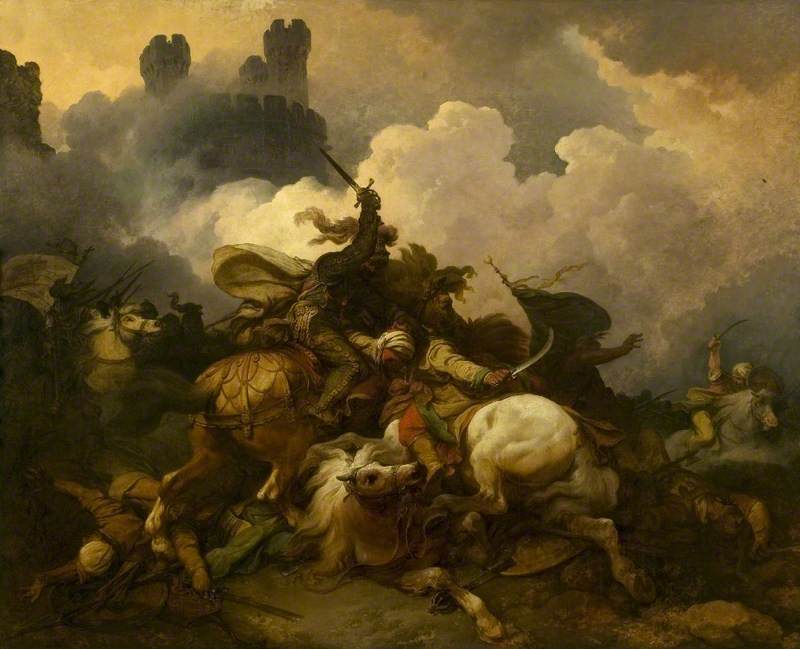
The Battle between Richard Coeur de Lion and Saladin in Palestine
 Oil
Oil- WallArt
- Romanticism
 1807
1807- 19th Century
 152.0 x 184.0 cm
 Museo y Galería de Arte de Leicester
 Ver más
Adquiera una imagen digital de alta resolución y optimizada, muy superior a la vista previa en línea.
Cada archivo es preparado meticulosamente por nuestros especialistas internos mediante el uso de herramientas avanzadas y un experto retoque manual. Nos aseguramos de que cada imagen posea una claridad excepcional, una precisión cromática impecable y un detalle minucioso.
El archivo final se entrega por correo electrónico en un plazo de 72 horas, optimizado para su uso inmediato en entornos profesionales, editoriales y de impresión. Esta es la misma calidad en la que confían los estudios de diseño, las editoriales y las galerías de primer nivel.
Imagen Digital
Descarga un archivo de alta resolución para exhibición personal, impresión y proyectos creativos. ( Comprar impresión Comprar pintura hecha a mano)
Incluido en cada pedido de imágenes digitales
Entrega digital experta, garantizada.
Al elegir ArtsDot.com, no solo está adquiriendo una imagen; está recibiendo una obra de arte digital mejorada profesionalmente, elaborada con precisión y respaldada por una garantía de satisfacción. Esto es todo lo que incluye su pedido, automáticamente:

Entrega rápida por email
Recibirá su archivo de imagen digital en alta resolución por correo electrónico en un plazo de 72 horas tras realizar su pedido, listo para su uso inmediato.

Archivo digital optimizado por IA
Su obra de arte se optimiza profesionalmente mediante herramientas avanzadas de IA y edición manual, garantizando el máximo detalle, claridad y precisión cromática.

Reenvío gratuito de por vida
¿Has borrado o perdido tu archivo por error? No te preocupes: te lo volveremos a enviar en cualquier momento, sin coste adicional.

Sin gastos de importación, siempre
Disfrute de su obra de arte al instante sin aduanas, aranceles ni gastos de envío; las descargas digitales siempre están libres de impuestos.

Garantía de fidelidad de color
Garantizamos que su imagen digital refleje los colores originales con la mayor fidelidad posible, mediante el uso de herramientas profesionales y gestión del color.

Garantía de satisfacción de 60 días
Si no está satisfecho con su imagen digital, la revisaremos o le reembolsaremos el 100% en un plazo de 60 días, sin preguntas.

100% Garantía de devolución de dinero
¿No está satisfecho? Obtenga un reembolso completo dentro de los 60 días posteriores a la recepción de su archivo digital, sin necesidad de explicaciones.

Descuentos por pedidos grandes
Compra 3 imágenes, ahorra 10% - Compra 5, ahorra 15% - Compra 10+, ahorra 20%. Ideal para proyectos creativos, galerías y agencias.
A Clash of Titans: The Drama of De Loutherbourg’s Masterpiece
In the grand tradition of historical epic painting, Philip James de Loutherbourg captures a moment of profound tension and legendary confrontation in The Battle between Richard Coeur de Lion and Saladin in Palestine. This sweeping composition transports the viewer directly into the heart of the Crusades, where the air is thick with the dust of conflict and the weight of destiny. At the epicenter of this swirling chaos, two of history's most iconic figures—the lion-hearted King Richard I and the formidable Sultan Saladin—engage in a visceral duel. De Loutherbourg does not merely depict a skirmish; he orchestrates a theatrical spectacle where every sword stroke and rearing horse contributes to an atmosphere of high-stakes drama and epic struggle.
The artist’s mastery of movement is evident in the way he populates the battlefield. The scene is alive with the kinetic energy of cavalry and infantry, as horses surge through the frame, their powerful forms adding a sense of untamed strength to the composition. To the left and right, the presence of soldiers and onlookers creates a layered depth, suggesting that this duel is being witnessed by an entire world caught in the crossfire of empire and faith. The interplay between the central combatants and the surrounding chaos ensures that the eye is constantly drawn back to the focal point: the intense, personal struggle between two leaders whose legacies would define an era.
Technique and the Romantic Spirit
As a painter celebrated for his contributions to both landscape and theatre design, de Loutherbourg brings a unique, cinematic sensibility to this canvas. His technique utilizes light and shadow to heighten the emotional stakes of the battle. The lighting is not merely functional but narrative, casting dramatic highlights on the glinting steel of swords and the muscular tension of the horses, while plunging certain corners of the fray into murky, atmospheric shadows. This use of chiaroscuro evokes the Romantic era's fascination with the sublime—the idea of beauty found within terror and overwhelming power.
For the discerning collector or interior designer, this piece offers a profound sense of movement and historical gravity. The brushwork, while maintaining the precision required for historical accuracy in armor and attire, possesses a fluid vitality that prevents the scene from feeling static. It is a painting that demands attention, making it an ideal centerpiece for a room designed to inspire conversation and reflection on the themes of heroism, conflict, and the enduring legends of human history.
A Timeless Addition to the Sophisticated Interior
Integrating a high-quality reproduction of such a monumental work into a curated space allows for the infusion of historical grandeur and emotional depth. Whether placed in a formal study, a grand hallway, or a contemporary living area, The Battle between Richard Coeur de Lion and Saladin serves as more than just decoration; it acts as a window into a storied past. The painting’s rich palette and complex narrative provide a sophisticated anchor for interior design schemes that lean toward the classical, the academic, or even the modern maximalist.
Owning a piece of this magnitude is an invitation to engage with the epic scale of human storytelling. It offers a tactile connection to the 19th-century Romantic movement and the theatrical brilliance of de Loutherbourg’s vision. For those seeking to surround themselves with art that possesses both intellectual weight and visual splendor, this masterpiece stands as a testament to the enduring power of historical legend captured through the lens of artistic genius.
Obras relacionadas
Biografía del artista
Primeros Años y Formación
- Nacido: Estrasburgo, Francia (1740)
- Fallecido: 1812
- Philip James de Loutherbourg, también conocido como Philip Jacques de Loutherbourg, fue un pintor franco-británico.
- Comenzó su formación artística a una edad temprana y rápidamente se hizo conocido por su habilidad para pintar.
- Fue nombrado miembro de la Royal Academy en 1781.
- Su padre era grabador y miniaturista, lo que influyó en su exposición temprana al arte.
- Inicialmente destinado al ministerio, rechazó este camino para dedicarse a la pintura.
- Estudió bajo Charles-André van Loo y Francesco Giuseppe Casanova en París.
Obras Notables y Estilo Artístico
- Acción de Lord Howe, o el Primer Junio Glorioso: Conmemoró las victorias navales británicas (1795).
- La Destrucción de la Armada: Mostró su habilidad para capturar escenas dramáticas.
- Coalbrookdale por la Noche: Resaltó su interés en la Revolución Industrial.
- Jinete y Ganado en una Tormenta: Una representación dramática del poder de la naturaleza (1780).
- Paisaje con Ganado y Figuras, una Tormenta se Acerca: Una impresionante escena pastoral renderizada al óleo (1781).
- Sus pinturas a menudo presentaban temas históricos, navales y paisajísticos.
- Se le conocía por sus composiciones dramáticas y su atención al detalle.
- El estilo de Loutherbourg se asocia con el Romanticismo, enfatizando la emoción y la grandeza.
El Eidophusikon e Innovaciones Teatrales
- En 1789, Loutherbourg abandonó temporalmente la pintura para explorar la alquimia y lo sobrenatural.
- Conoció a Alessandro di Cagliostro y viajó con él antes de la condena de Cagliostro.
- Loutherbourg inventó el Eidophusikon, un teatro mecánico que combinaba escenografía pintada con efectos de iluminación y figuras móviles.
- El Eidophusikon fue una innovación significativa en el diseño teatral y el entretenimiento.
- Diseñó elaborados decorados para teatros de Londres, incluido Drury Lane, mostrando sus habilidades inventivas.
Carrera Posterior y Legado
- Loutherbourg regresó a la pintura después de su participación con Cagliostro.
- Sus obras posteriores incluyeron pinturas históricas y temas bíblicos.
- Publicó dos colecciones de grabados: Picturesque Scenery of Great Britain (1801) y The Romantic and Picturesque Scenery of England and Wales (1805).
- Su obra se puede encontrar en museos de todo el mundo, incluido el National Maritime Museum y el British Museum.
- La influencia de Loutherbourg se extendió a artistas posteriores como J.M.W. Turner.
- Es recordado por sus contribuciones tanto a la pintura como al diseño teatral.
Significado Histórico
- Loutherbourg jugó un papel significativo en el desarrollo del arte británico romántico.
- Sus pinturas navales ayudaron a popularizar las representaciones de eventos marítimos.
- El Eidophusikon demostró su espíritu innovador y contribuyó a los avances en la tecnología teatral.
- Puenteó la brecha entre la pintura, el diseño teatral y la exploración científica.
- El legado de Loutherbourg radica en su capacidad para combinar habilidad artística con innovación tecnológica y una fascinación por el mundo natural.
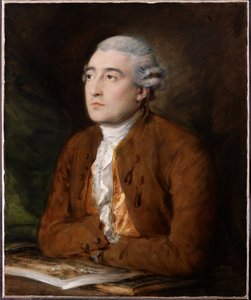
Philip James de Loutherbourg
1740 - 1812 , Francia
Breves datos
- Artistas Influenciados: ['J.M.W. Turner']
- Artistas Que Influyeron:
- Charles-André van Loo
- Francesco Giuseppe Casanova
- Fecha De Fallecimiento: 11 de marzo de 1812
- Fecha De Nacimiento: 31 de octubre de 1740
- Lugar De Nacimiento: Strasburgo, Francia
- Movimiento Artístico: Romanticismo
- Nacionalidad: Franco-Británico
- Nombre Completo: Philip James de Loutherbourg
- Obras Notables:
- Lord Howe's action
- Destrucción de la Armada
- Coalbrookdale por la noche

