

 Ver en contexto
 Enviar
 Compartir
 Detalles

 Descargar
 Similares
 Radiografía
 Presentación de diapositivas
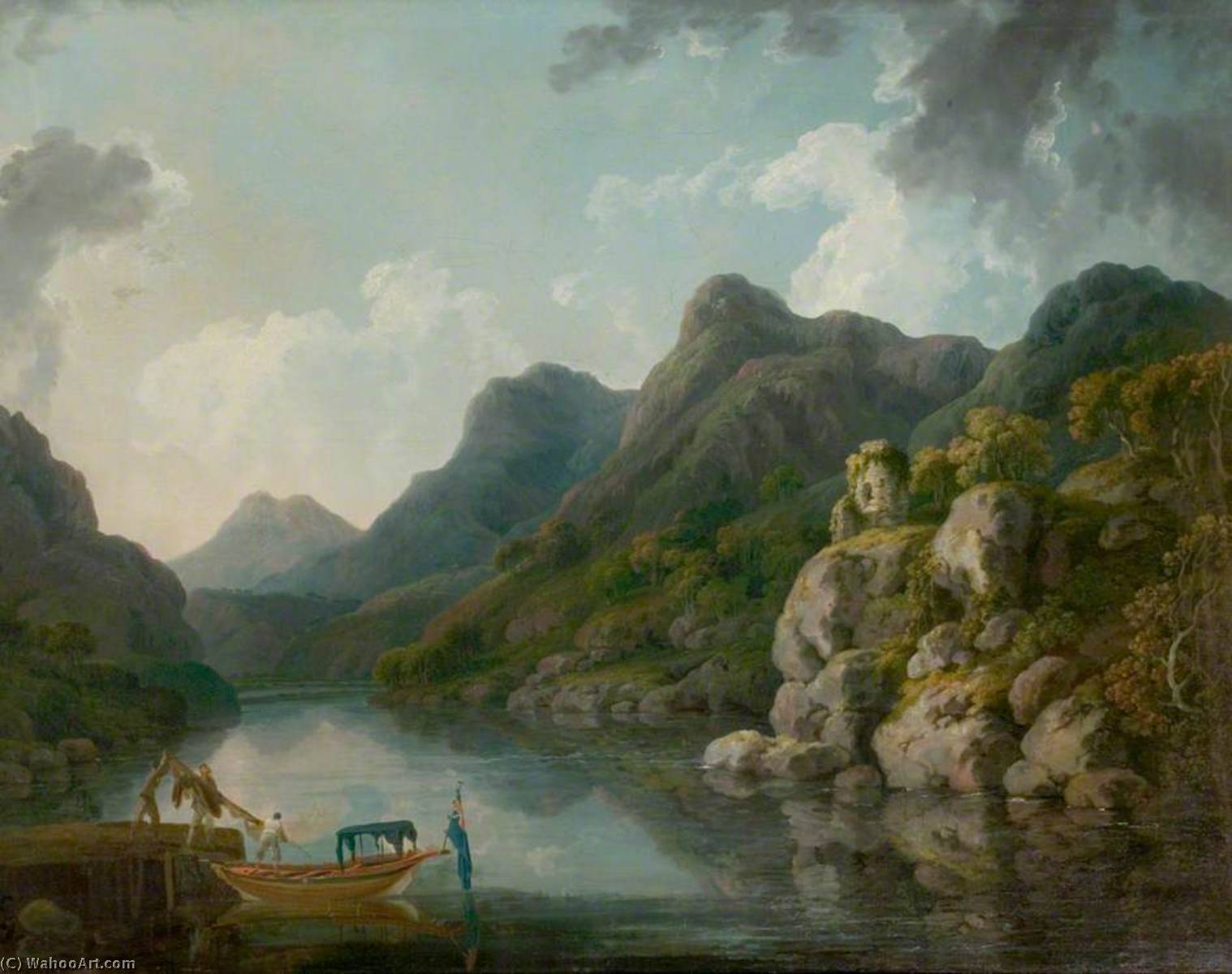
View of Snowdon with the Castle of Dolbadarn from Llanberis
 Oil On Canvas
- WallArt
- Romanticism
 1787
1787- 19th Century
 95.0 x 123.0 cm
 Wollaton Hall
 Ver más
Adquiera una imagen digital de alta resolución y optimizada, muy superior a la vista previa en línea.
Cada archivo es preparado meticulosamente por nuestros especialistas internos mediante el uso de herramientas avanzadas y un experto retoque manual. Nos aseguramos de que cada imagen posea una claridad excepcional, una precisión cromática impecable y un detalle minucioso.
El archivo final se entrega por correo electrónico en un plazo de 72 horas, optimizado para su uso inmediato en entornos profesionales, editoriales y de impresión. Esta es la misma calidad en la que confían los estudios de diseño, las editoriales y las galerías de primer nivel.
Imagen Digital
Descarga un archivo de alta resolución para exhibición personal, impresión y proyectos creativos. ( Comprar impresión Comprar pintura hecha a mano)
Incluido en cada pedido de imágenes digitales
Entrega digital experta, garantizada.
Al elegir ArtsDot.com, no solo está adquiriendo una imagen; está recibiendo una obra de arte digital mejorada profesionalmente, elaborada con precisión y respaldada por una garantía de satisfacción. Esto es todo lo que incluye su pedido, automáticamente:

Entrega rápida por email
Recibirá su archivo de imagen digital en alta resolución por correo electrónico en un plazo de 72 horas tras realizar su pedido, listo para su uso inmediato.

Archivo digital optimizado por IA
Su obra de arte se optimiza profesionalmente mediante herramientas avanzadas de IA y edición manual, garantizando el máximo detalle, claridad y precisión cromática.

Reenvío gratuito de por vida
¿Has borrado o perdido tu archivo por error? No te preocupes: te lo volveremos a enviar en cualquier momento, sin coste adicional.

Sin gastos de importación, siempre
Disfrute de su obra de arte al instante sin aduanas, aranceles ni gastos de envío; las descargas digitales siempre están libres de impuestos.

Garantía de fidelidad de color
Garantizamos que su imagen digital refleje los colores originales con la mayor fidelidad posible, mediante el uso de herramientas profesionales y gestión del color.

Garantía de satisfacción de 100 días
Si no está satisfecho con su imagen digital, la revisaremos o le reembolsaremos el 100% en un plazo de 100 días, sin preguntas.

100% Garantía de devolución de dinero
¿No está satisfecho? Obtenga un reembolso completo dentro de los 100 días posteriores a la recepción de su archivo digital, sin necesidad de explicaciones.

Descuentos por pedidos grandes
Compra 3 imágenes, ahorra 10% - Compra 5, ahorra 15% - Compra 10+, ahorra 20%. Ideal para proyectos creativos, galerías y agencias.
A Vista of Majesty: Philip James de Loutherbourg’s “View of Snowdon with the Castle of Dolbadarn from Llanberis”
Philip James de Loutherbourg's "View of Snowdon with the Castle of Dolbadarn from Llanberis," painted in 1787, is more than just a landscape; it’s a carefully constructed tableau of Romantic ideals and a poignant meditation on humanity’s relationship with the sublime. This evocative work transports the viewer to the rugged beauty of North Wales, capturing not merely a scene but an atmosphere—a feeling of awe and quiet contemplation born from confronting the grandeur of nature.
The painting immediately establishes a sense of scale through its expansive horizontal format. The eye is drawn into the distance, following the winding course of the river that snakes through the valley below, ultimately disappearing into the hazy blue embrace of Snowdon’s slopes. The castle of Dolbadarn, perched precariously on a craggy outcrop, stands as a testament to human ambition against the backdrop of ancient stone and enduring mountain. The inclusion of a small boat in the foreground subtly introduces an element of human presence, anchoring the scene while simultaneously emphasizing the vastness of the surrounding wilderness. Llanberis, nestled at the foot of the mountain, provides a vital point of reference, grounding the viewer within this specific Welsh landscape – a location easily identified through further research (see link below for more information).
- Historical Context: Painted during the height of the Romantic era, the work reflects the movement’s fascination with nature's power and beauty. Loutherbourg, a key figure in this period, moved beyond traditional academic painting to embrace dramatic lighting, dynamic compositions, and an emotional intensity that resonated deeply with his contemporaries.
- The Artist: Philip James de Loutherbourg was a multifaceted artist whose career spanned diverse fields – from theatrical design to scientific illustration. His background as a stage designer profoundly influenced his approach to landscape painting, imbuing his works with a sense of drama and spectacle.
A Symphony of Line and Texture: Deconstructing the Technique
Loutherbourg’s masterful technique is immediately apparent in the careful rendering of texture and form. The artist employs a predominantly linear approach, defining the contours of the mountains with sharp, precise lines that create a sense of solidity and permanence. However, this linearity is skillfully balanced by a rich tapestry of brushstrokes – particularly evident in the depiction of the rocks and foliage. These textured surfaces suggest both roughness and depth, inviting the viewer to almost feel the cool stone beneath their fingertips or the damp earth beneath their feet.
The muted color palette—dominated by shades of grey, blue, and brown—contributes significantly to the painting’s atmospheric quality. The diffused lighting, characteristic of an overcast day, casts soft shadows and creates a sense of tranquility. Loutherbourg's use of atmospheric perspective – diminishing the detail and lightening the colors of distant elements – effectively conveys depth and distance, drawing the viewer into the heart of the landscape.
Symbolism and Emotional Resonance
Beyond its purely descriptive qualities, “View of Snowdon with the Castle of Dolbadarn from Llanberis” is rich in symbolic meaning. The imposing presence of Snowdon itself represents the sublime—that overwhelming sense of awe and wonder experienced when confronted with nature’s immense power. The castle, a remnant of a bygone era, serves as a reminder of human ambition and the fleeting nature of earthly endeavors against the backdrop of enduring natural forces.
The small boat in the foreground can be interpreted as a symbol of humanity's desire to connect with and understand the natural world. It’s a tiny vessel navigating an immense expanse, highlighting both our vulnerability and our capacity for exploration. The overall effect is one of quiet contemplation—a suggestion that true beauty lies not in conquering nature but in appreciating its majesty and finding solace within its embrace.
A Timeless Masterpiece: Reproduction and Beyond
“View of Snowdon with the Castle of Dolbadarn from Llanberis” remains a captivating work of art, offering a glimpse into the Romantic era’s fascination with nature and the enduring appeal of Welsh landscapes. High-quality reproductions capture the painting's atmospheric depth and textural richness, making it an ideal addition to any interior space. Its serene beauty and evocative symbolism continue to resonate with viewers today, reminding us of the profound connection between humanity and the natural world.
Obras relacionadas
Biografía del artista
Primeros Años y Formación
- Nacido: Estrasburgo, Francia (1740)
- Fallecido: 1812
- Philip James de Loutherbourg, también conocido como Philip Jacques de Loutherbourg, fue un pintor franco-británico.
- Comenzó su formación artística a una edad temprana y rápidamente se hizo conocido por su habilidad para pintar.
- Fue nombrado miembro de la Royal Academy en 1781.
- Su padre era grabador y miniaturista, lo que influyó en su exposición temprana al arte.
- Inicialmente destinado al ministerio, rechazó este camino para dedicarse a la pintura.
- Estudió bajo Charles-André van Loo y Francesco Giuseppe Casanova en París.
Obras Notables y Estilo Artístico
- Acción de Lord Howe, o el Primer Junio Glorioso: Conmemoró las victorias navales británicas (1795).
- La Destrucción de la Armada: Mostró su habilidad para capturar escenas dramáticas.
- Coalbrookdale por la Noche: Resaltó su interés en la Revolución Industrial.
- Jinete y Ganado en una Tormenta: Una representación dramática del poder de la naturaleza (1780).
- Paisaje con Ganado y Figuras, una Tormenta se Acerca: Una impresionante escena pastoral renderizada al óleo (1781).
- Sus pinturas a menudo presentaban temas históricos, navales y paisajísticos.
- Se le conocía por sus composiciones dramáticas y su atención al detalle.
- El estilo de Loutherbourg se asocia con el Romanticismo, enfatizando la emoción y la grandeza.
El Eidophusikon e Innovaciones Teatrales
- En 1789, Loutherbourg abandonó temporalmente la pintura para explorar la alquimia y lo sobrenatural.
- Conoció a Alessandro di Cagliostro y viajó con él antes de la condena de Cagliostro.
- Loutherbourg inventó el Eidophusikon, un teatro mecánico que combinaba escenografía pintada con efectos de iluminación y figuras móviles.
- El Eidophusikon fue una innovación significativa en el diseño teatral y el entretenimiento.
- Diseñó elaborados decorados para teatros de Londres, incluido Drury Lane, mostrando sus habilidades inventivas.
Carrera Posterior y Legado
- Loutherbourg regresó a la pintura después de su participación con Cagliostro.
- Sus obras posteriores incluyeron pinturas históricas y temas bíblicos.
- Publicó dos colecciones de grabados: Picturesque Scenery of Great Britain (1801) y The Romantic and Picturesque Scenery of England and Wales (1805).
- Su obra se puede encontrar en museos de todo el mundo, incluido el National Maritime Museum y el British Museum.
- La influencia de Loutherbourg se extendió a artistas posteriores como J.M.W. Turner.
- Es recordado por sus contribuciones tanto a la pintura como al diseño teatral.
Significado Histórico
- Loutherbourg jugó un papel significativo en el desarrollo del arte británico romántico.
- Sus pinturas navales ayudaron a popularizar las representaciones de eventos marítimos.
- El Eidophusikon demostró su espíritu innovador y contribuyó a los avances en la tecnología teatral.
- Puenteó la brecha entre la pintura, el diseño teatral y la exploración científica.
- El legado de Loutherbourg radica en su capacidad para combinar habilidad artística con innovación tecnológica y una fascinación por el mundo natural.
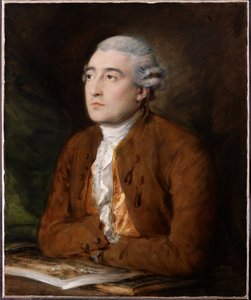
Philip James de Loutherbourg
1740 - 1812 , Francia
Breves datos
- Artistas Influenciados: ['J.M.W. Turner']
- Artistas Que Influyeron:
- Charles-André van Loo
- Francesco Giuseppe Casanova
- Fecha De Fallecimiento: 11 de marzo de 1812
- Fecha De Nacimiento: 31 de octubre de 1740
- Lugar De Nacimiento: Strasburgo, Francia
- Movimiento Artístico: Romanticismo
- Nacionalidad: Franco-Británico
- Nombre Completo: Philip James de Loutherbourg
- Obras Notables:
- Lord Howe's action
- Destrucción de la Armada
- Coalbrookdale por la noche