

 Ver en contexto
 Enviar
 Compartir
 Detalles

 Descargar
 Similares
 Radiografía
 Presentación de diapositivas
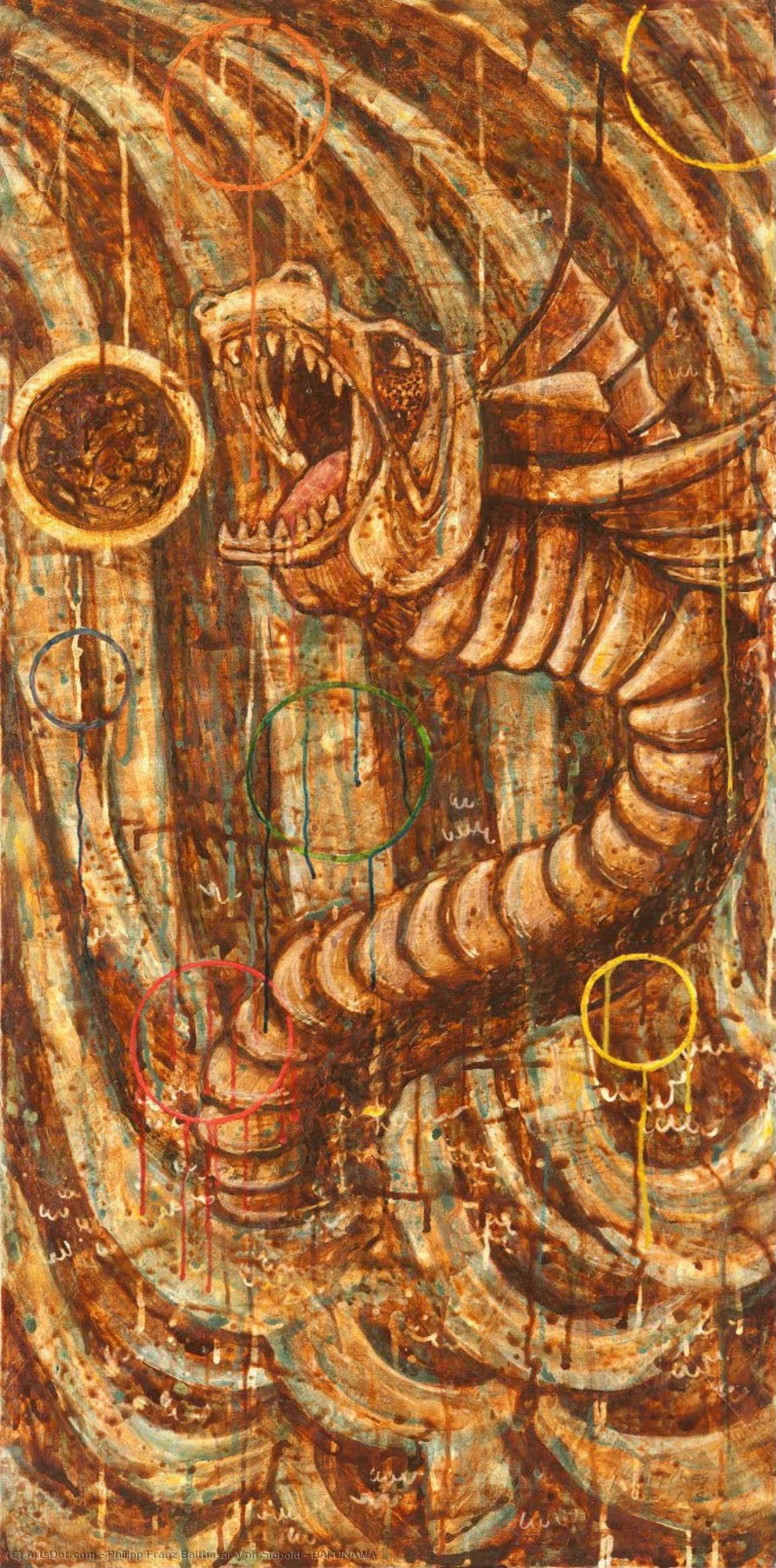
BAKUNAWA
 Ver más
Adquiera una imagen digital de alta resolución y optimizada, muy superior a la vista previa en línea.
Cada archivo es preparado meticulosamente por nuestros especialistas internos mediante el uso de herramientas avanzadas y un experto retoque manual. Nos aseguramos de que cada imagen posea una claridad excepcional, una precisión cromática impecable y un detalle minucioso.
El archivo final se entrega por correo electrónico en un plazo de 72 horas, optimizado para su uso inmediato en entornos profesionales, editoriales y de impresión. Esta es la misma calidad en la que confían los estudios de diseño, las editoriales y las galerías de primer nivel.
Imagen Digital
Descarga un archivo de alta resolución para exhibición personal, impresión y proyectos creativos. ( Comprar impresión Comprar pintura hecha a mano)
Incluido en cada pedido de imágenes digitales
Entrega digital experta, garantizada.
Al elegir ArtsDot.com, no solo está adquiriendo una imagen; está recibiendo una obra de arte digital mejorada profesionalmente, elaborada con precisión y respaldada por una garantía de satisfacción. Esto es todo lo que incluye su pedido, automáticamente:

Entrega rápida por email
Recibirá su archivo de imagen digital en alta resolución por correo electrónico en un plazo de 72 horas tras realizar su pedido, listo para su uso inmediato.

Archivo digital optimizado por IA
Su obra de arte se optimiza profesionalmente mediante herramientas avanzadas de IA y edición manual, garantizando el máximo detalle, claridad y precisión cromática.

Reenvío gratuito de por vida
¿Has borrado o perdido tu archivo por error? No te preocupes: te lo volveremos a enviar en cualquier momento, sin coste adicional.

Sin gastos de importación, siempre
Disfrute de su obra de arte al instante sin aduanas, aranceles ni gastos de envío; las descargas digitales siempre están libres de impuestos.

Garantía de fidelidad de color
Garantizamos que su imagen digital refleje los colores originales con la mayor fidelidad posible, mediante el uso de herramientas profesionales y gestión del color.

Garantía de satisfacción de 100 días
Si no está satisfecho con su imagen digital, la revisaremos o le reembolsaremos el 100% en un plazo de 100 días, sin preguntas.

100% Garantía de devolución de dinero
¿No está satisfecho? Obtenga un reembolso completo dentro de los 100 días posteriores a la recepción de su archivo digital, sin preguntas.

Descuentos por pedidos grandes
Compra 3 imágenes, ahorra 10% - Compra 5, ahorra 15% - Compra 10+, ahorra 20%. Ideal para proyectos creativos, galerías y agencias.
Obras relacionadas



Biografía del artista
Philipp Franz Balthasar von Siebold (1796–1866): Pioneer of Botany and Cultural Exchange
Philipp Franz Balthasar von Siebold stands as a singular figure in 19th-century science and cultural diplomacy—a German physician, botanist, and explorer whose meticulous observations and daring expeditions irrevocably altered the understanding of Japan and its flora. Born in Würzburg in 1796 into a family steeped in medical tradition, Siebold’s intellectual curiosity was nurtured by his father, Franz Xaver Heller, who championed the burgeoning field of natural history as a scientific discipline. This formative influence propelled him toward the University of Würzburg where he excelled in anatomy and physiology, cementing his commitment to empirical investigation. Early Life & Education: Siebold’s fascination with botany began during his university years, fueled by encounters with Humboldt's groundbreaking explorations—a pivotal moment that instilled within him a desire to venture beyond the confines of Europe and immerse himself in unfamiliar landscapes. He studied medicine at Würzburg under Franz Xaver Heller, whose unwavering belief in scientific inquiry profoundly shaped Siebold’s worldview. The influence of Humboldt’s expeditions ignited a passion for exploration and observation—a characteristic that would define his entire career. Career Highlights: His medical practice initially focused on Heidingsfeld, Bavaria, but it was his appointment as ship’s surgeon aboard the Adriana, bound for Batavia (Jakarta), Indonesia, that truly ignited his scientific ambitions. This journey marked the commencement of a remarkable career dedicated to advancing Western medicine in Asia. Recognizing the transformative potential of collaboration, he partnered with Heinrich von Siebold, his son, establishing a collaborative botanical expedition that yielded extraordinary results. Together they meticulously documented over 2,000 plant species, creating an invaluable legacy for future botanists—a testament to their dedication and foresight. Botanical Artistry: Siebold’s artistic talent shone through in his exquisitely detailed botanical illustrations—works that captured the essence of Japanese flora with remarkable accuracy and beauty. These drawings served not only as scientific records but also as captivating representations of Japan's natural heritage. His meticulous attention to detail, combined with a keen aesthetic sensibility, resulted in images that continue to inspire admiration for their artistic merit and scientific precision. He skillfully blended observation and artistry—a hallmark of his approach to botanical research. The Legacy of Kusumoto Ine: Perhaps Siebold’s most enduring contribution lies in his role as the father of Kusumoto Ine, Japan’s first female physician educated in Western medicine—a testament to his pioneering spirit and unwavering belief in fostering intercultural understanding. His dedication to advancing medical knowledge extended beyond mere scientific pursuits; he championed the empowerment of women in healthcare—a legacy that resonates powerfully today. Siebold's influence on Japanese education and medicine remains significant, symbolizing a pivotal moment in bridging cultural divides. Siebold’s expeditions culminated in a second voyage to Japan in 1859–1862, furthering his mission of disseminating Western scientific knowledge. He established the Botanischer Garten Leiden (Botanical Garden Leiden) – now known as Hortus Botanicus Leiden – and spearheaded the creation of the first ethnographic museum in Leiden, demonstrating his commitment to promoting both botanical research and cultural exchange. His meticulous collections—deposited primarily at Leiden University and the Staatliches Museum für Völkerkunde München—remain invaluable resources for scholars studying Japanese flora and culture. He skillfully combined scientific rigor with artistic sensitivity—a characteristic that distinguishes him as a truly exceptional figure in the annals of natural history. His death in Munich in 1866 marked the end of an extraordinary life—one characterized by intellectual rigor, adventurous spirit, and a profound appreciation for the beauty and diversity of the natural world. Philipp Franz Balthasar von Siebold’s contributions to botany and cultural diplomacy cemented his place as a pivotal figure in shaping the intellectual history of the 19th century.
Philipp Franz von Siebold
1796 - 1866 , Alemania
Breves datos
- Artistic Movement Or Style: Ilustración botánica
- Artists Or Movements Influenced By This Artist: ['Alexander von Humboldt']
- Artists Who Influenced This Artist: ['Franz Xaver Heller']
- Date Of Birth: 1796
- Full Name: Philipp Franz Balthasar von Siebold
- Nationality: Alemania
- Notable Artworks: ['Bakunawa']
- Place Of Birth: Würzburg, Alemania