

 Ver en contexto
 Enviar
 Compartir
 Detalles

 Descargar
 Similares
 Radiografía
 Presentación de diapositivas
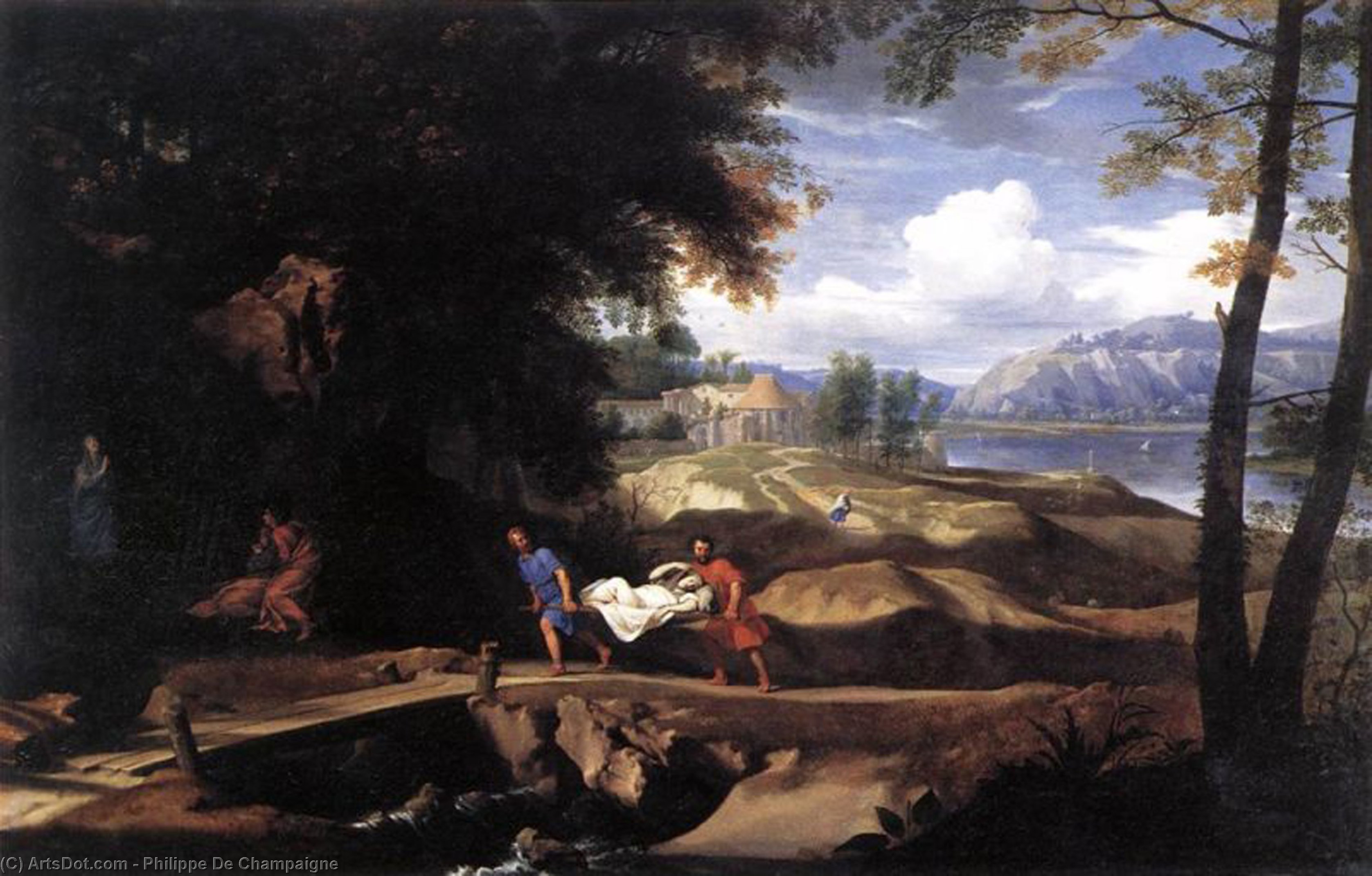
The Miracles of the Penitent St Mary
 Oil On Canvas
- WallArt
- Baroque
 1656
1656- Early Modern
 219.0 x 336.0 cm
 Museo del Louvre
 Ver más
Adquiera una imagen digital de alta resolución y optimizada, muy superior a la vista previa en línea.
Cada archivo es preparado meticulosamente por nuestros especialistas internos mediante el uso de herramientas avanzadas y un experto retoque manual. Nos aseguramos de que cada imagen posea una claridad excepcional, una precisión cromática impecable y un detalle minucioso.
El archivo final se entrega por correo electrónico en un plazo de 72 horas, optimizado para su uso inmediato en entornos profesionales, editoriales y de impresión. Esta es la misma calidad en la que confían los estudios de diseño, las editoriales y las galerías de primer nivel.
Imagen Digital
Descarga un archivo de alta resolución para exhibición personal, impresión y proyectos creativos. ( Comprar impresión Comprar pintura hecha a mano)
Incluido en cada pedido de imágenes digitales
Entrega digital experta, garantizada.
Al elegir ArtsDot.com, no solo está adquiriendo una imagen; está recibiendo una obra de arte digital mejorada profesionalmente, elaborada con precisión y respaldada por una garantía de satisfacción. Esto es todo lo que incluye su pedido, automáticamente:

Entrega rápida por email
Recibirá su archivo de imagen digital en alta resolución por correo electrónico en un plazo de 72 horas tras realizar su pedido, listo para su uso inmediato.

Archivo digital optimizado por IA
Su obra de arte se optimiza profesionalmente mediante herramientas avanzadas de IA y edición manual, garantizando el máximo detalle, claridad y precisión cromática.

Reenvío gratuito de por vida
¿Has borrado o perdido tu archivo por error? No te preocupes: te lo volveremos a enviar en cualquier momento, sin coste adicional.

Sin gastos de importación, siempre
Disfrute de su obra de arte al instante sin aduanas, aranceles ni gastos de envío; las descargas digitales siempre están libres de impuestos.

Garantía de fidelidad de color
Garantizamos que su imagen digital refleje los colores originales con la mayor fidelidad posible, mediante el uso de herramientas profesionales y gestión del color.

Garantía de satisfacción de 60 días
Si no está satisfecho con su imagen digital, la revisaremos o le reembolsaremos el 100% en un plazo de 60 días, sin preguntas.

100% Garantía de devolución de dinero
¿No está satisfecho? Obtenga un reembolso completo dentro de los 60 días posteriores a la recepción de su archivo digital, sin necesidad de explicaciones.

Descuentos por pedidos grandes
Compra 3 imágenes, ahorra 10% - Compra 5, ahorra 15% - Compra 10+, ahorra 20%. Ideal para proyectos creativos, galerías y agencias.
Descripción del coleccionable
A Celestial Encounter: The Divine Drama of Philippe de Champaigne
In the grand tapestry of the French Baroque, few works command the soul with such visceral intensity as Philippe de Champaigne’s 1656 masterpiece, The Miracles of the Penitent St Mary. This monumental oil painting is not merely a window into a biblical moment; it is an immersive experience of spiritual transcendence. Commissioned by the formidable Anne of Austria for her private chapel at Val-de-Grace Abbey, the work serves as a profound testament to faith, capturing the precise instant where the earthly realm dissolves into the divine. As viewers approach this expansive canvas, they are met with the breathtaking sight of Mary Magdalene, caught in a state of ecstatic devotion, cradling the resurrected body of Jesus Christ amidst a whirlwind of celestial activity.
The composition is a masterclass in Baroque theatricality, utilizing a dynamic arrangement that draws the eye upward through a cascade of light and motion. Champaigne orchestrates a scene where gravity seems to lose its hold; angels descend from the heavens, their ethereal forms lifting the penitent saint toward the light. This movement creates a sense of profound verticality, mirroring the spiritual ascent of the soul. The presence of natural elements—rugged rocks, lush trees, and the distant suggestion of water—anchors the miraculous event in a tangible world, making the supernatural intervention feel startlingly real and immediate to the observer.
Chiaroscuro and the Sculpting of Light
Technically, de Champaigne employs the dramatic chiaroscuro technique to sculpt form and evoke deep emotion. The painting is defined by a striking contrast between profound shadows and brilliant, divine illumination. Light does not merely illuminate the scene; it acts as a protagonist. It emanates from the figure of Christ and the surrounding angels, washing over Mary Magdalene and catching the intricate, heavy folds of her robes with a tactile realism. This interplay of light and dark serves to highlight the textures of the fabric and the physical weight of the moment, imbuing the figures with a sculptural presence that feels almost three-dimensional.
For the discerning collector or interior designer, the technical brilliance of this piece offers an unparalleled sense of depth and prestige. The artist’s meticulous attention to detail—from the soft glow on skin to the dramatic shadows cast by the descending angels—creates a rich, layered visual texture. This complexity ensures that the painting remains captivating from every angle, offering new nuances of light and shadow as the viewing conditions change within a room. It is a work designed to anchor a space, providing a focal point that radiates both historical authority and artistic sophistication.
A Legacy of Devotion and Grandeur
Beyond its aesthetic splendor, the painting carries a heavy emotional resonance rooted in the themes of redemption and grace. The juxtaposition of Mary’s sorrow for Christ’s suffering with the joyous anticipation of his resurrection creates a poignant tension that has captivated audiences for centuries. It is a narrative of transformation—of a penitent soul finding peace through divine mercy. This emotional depth makes the artwork far more than a decorative element; it is a piece of storytelling that invites contemplation and provides a sense of spiritual sanctuary.
Owning or displaying a high-quality reproduction of this work allows one to bring a fragment of the 17th-century French court into a modern setting. Whether placed in a grand library, a formal dining hall, or a curated gallery space, The Miracles of the Penitent St Mary serves as an enduring symbol of the triumph of light over darkness. It is an investment in beauty, history, and the timeless human quest for meaning, making it an essential acquisition for those who appreciate art that speaks to both the eye and the spirit.
Obras relacionadas
Biografía del artista
Philippe de Champaigne: Una Vida en la Pintura Barroca
- Nacido: Bruselas, Países Bajos (1602)
- Fallecido: 1674
Primeros Años y Formación
- Nacido en una familia modesta en Bruselas, Philippe de Champaigne demostró talento artístico desde temprana edad.
- Inicialmente estudió bajo Jacques Fouquieres, un pintor de paisajes, adquiriendo habilidades fundamentales.
- En 1621, se mudó a París, donde fue aprendiz de Nicolas Poussin, una figura significativa en la pintura francesa. Este período fue crucial para desarrollar su comprensión de la composición y el dibujo.
- Su trabajo inicial involucró decorar el Palacio del Luxemburgo bajo Nicolas Duchesne, una experiencia que moldeó su trayectoria artística.
Obras Principales y Estilo Artístico
- Champaigne es reconocido por sus pinturas religiosas y retratos, reflejando los temas dominantes de la era barroca.
- Obras notables incluyen: San Jerónimo en el Desierto, Retrato de Omer Talon, y Moisés Sosteniendo las Tablas de la Ley. Estas piezas demuestran su dominio de la luz, la sombra y la composición dramática.
- Producio numerosas pinturas para la Catedral de Notre Dame, mostrando su capacidad para crear obras a gran escala con detalles intrincados.
- Su serie de retratos del Cardenal Richelieu son particularmente significativos, capturando el poder y la autoridad del influyente estadista. Pintó once retratos de Richelieu con ropas de cardenal, un testimonio de su estrecha relación.
- El estilo de Champaigne se caracteriza por su realismo, intensidad emocional y uso dramático del claroscuro (el contraste entre luz y oscuridad).
Influencia y Legado
- Como miembro fundador de la Académie royale de peinture et de sculpture, Champaigne jugó un papel vital en la configuración de la escena artística francesa. La academia formalizó la formación artística y promovió estándares de excelencia.
- Fue un importante exponente de la escuela francesa de pintura, contribuyendo a sus características distintivas: una mezcla de dinamismo barroco con restricción clásica.
- Su influencia se extendió más allá de su propio tiempo; ayudó a allanar el camino para generaciones posteriores de artistas franceses.
- Las obras de Champaigne se pueden encontrar en prestigiosos museos de todo el mundo, incluyendo el Louvre y la Catedral de Notre Dame, asegurando que su legado continúe inspirando a los amantes del arte.
Años Posteriores y Desarrollo Artístico
- A lo largo de su carrera, el estilo de Champaigne evolucionó, volviéndose cada vez más sombrío e introspectivo, particularmente evidente en sus obras religiosas posteriores.
- Sus representaciones de escenas bíblicas a menudo transmitían una sensación de profunda contemplación espiritual.
- Exploró temas relacionados con el jansenismo, un movimiento teológico católico que enfatizaba la gracia divina y la depravación humana, lo que influyó en el estado de ánimo y el tema de algunas de sus pinturas.
- Jean-Baptiste de Champaigne, su hijo, también se convirtió en pintor, demostrando el compromiso familiar con las actividades artísticas.
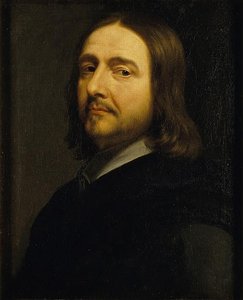
Philippe De Champaigne
1602 - 1674 , Países Bajos
Breves datos
- Artistas Que Influyeron: ['Nicolas Poussin']
- Fecha De Fallecimiento: 12 de agosto de 1674
- Fecha De Nacimiento: 26 de mayo de 1602
- Lugar De Nacimiento: Bruselas, Países Bajos
- Movimiento Artístico: Barroco
- Nacionalidad: Francés
- Nombre Completo: Philippe de Champaigne
- Obras Notables:
- San Jerónimo en el desierto
- Retrato de Omer Talon
- Moisés sosteniendo las tablas

