

 Enviar
 Compartir
 Detalles

 Descargar
 Similares
 Presentación de diapositivas
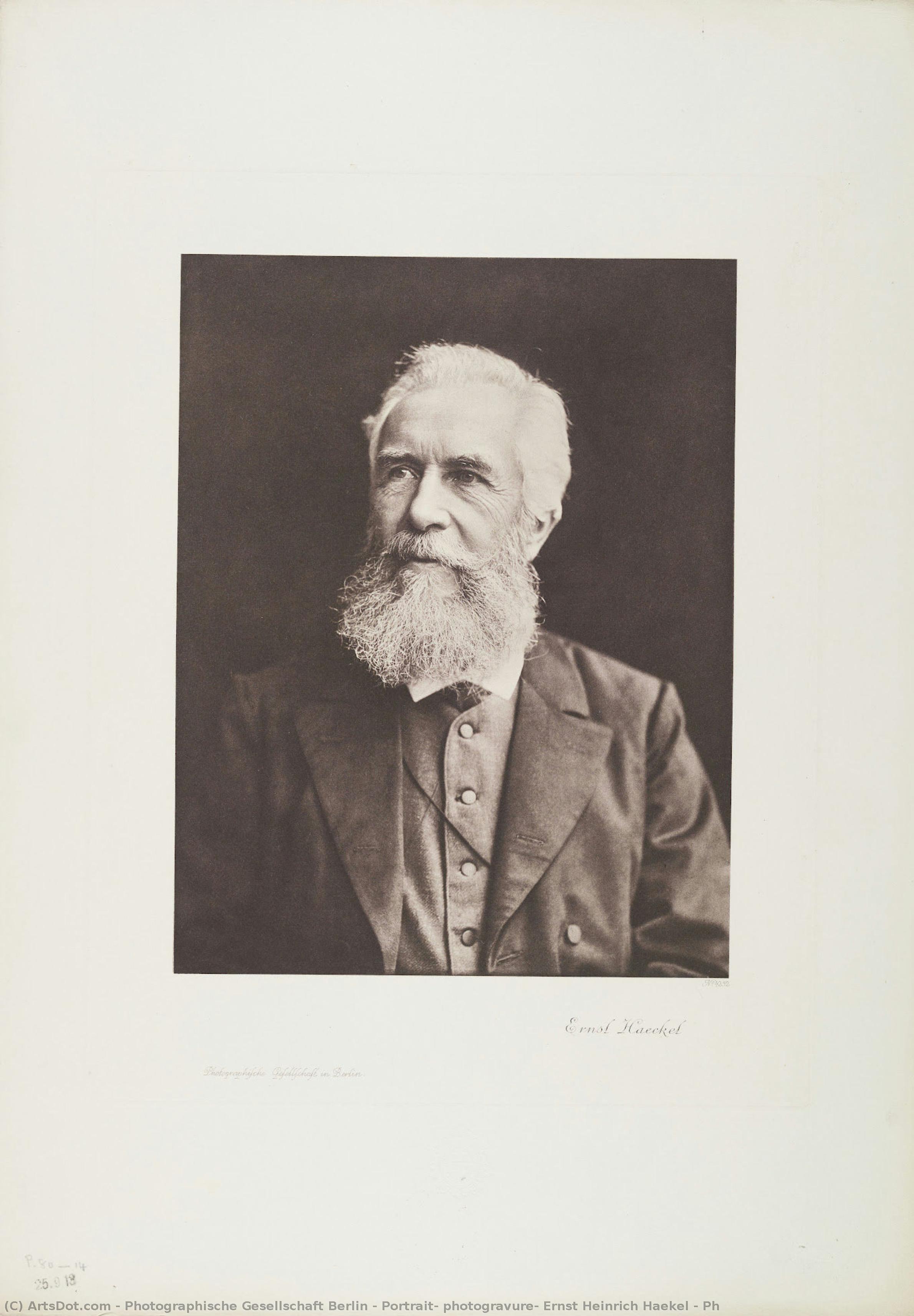
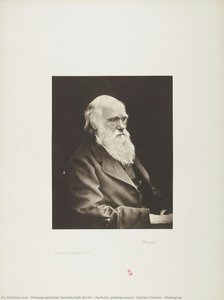
Portrait, photogravure, Ernst Heinrich Haekel / Ph


 Ver más
Adquiera una imagen digital de alta resolución y optimizada, muy superior a la vista previa en línea.
Cada archivo es preparado meticulosamente por nuestros especialistas internos mediante el uso de herramientas avanzadas y un experto retoque manual. Nos aseguramos de que cada imagen posea una claridad excepcional, una precisión cromática impecable y un detalle minucioso.
El archivo final se entrega por correo electrónico en un plazo de 72 horas, optimizado para su uso inmediato en entornos profesionales, editoriales y de impresión. Esta es la misma calidad en la que confían los estudios de diseño, las editoriales y las galerías de primer nivel.
Imagen Digital
Descarga un archivo de alta resolución para exhibición personal, impresión y proyectos creativos. ( Comprar impresión Comprar pintura hecha a mano)
Incluido en cada pedido de imágenes digitales
Entrega digital experta, garantizada.
Al elegir ArtsDot.com, no solo está adquiriendo una imagen; está recibiendo una obra de arte digital mejorada profesionalmente, elaborada con precisión y respaldada por una garantía de satisfacción. Esto es todo lo que incluye su pedido, automáticamente:

Entrega rápida por email
Recibirá su archivo de imagen digital en alta resolución por correo electrónico en un plazo de 72 horas tras realizar su pedido, listo para su uso inmediato.

Archivo digital optimizado por IA
Su obra de arte se optimiza profesionalmente mediante herramientas avanzadas de IA y edición manual, garantizando el máximo detalle, claridad y precisión cromática.

Reenvío gratuito de por vida
¿Has borrado o perdido tu archivo por error? No te preocupes: te lo volveremos a enviar en cualquier momento, sin coste adicional.

Sin gastos de importación, siempre
Disfrute de su obra de arte al instante sin aduanas, aranceles ni gastos de envío; las descargas digitales siempre están libres de impuestos.

Garantía de fidelidad de color
Garantizamos que su imagen digital refleje los colores originales con la mayor fidelidad posible, mediante el uso de herramientas profesionales y gestión del color.

Garantía de satisfacción de 60 días
Si no está satisfecho con su imagen digital, la revisaremos o le reembolsaremos el 100% en un plazo de 60 días, sin preguntas.

100% Garantía de devolución de dinero
¿No está satisfecho? Obtenga un reembolso completo dentro de los 60 días posteriores a la recepción de su archivo digital, sin necesidad de explicaciones.

Descuentos por pedidos grandes
Compra 3 imágenes, ahorra 10% - Compra 5, ahorra 15% - Compra 10+, ahorra 20%. Ideal para proyectos creativos, galerías y agencias.
A Portrait of Scientific Majesty: Ernst Heinrich Haeckel’s Photogravure
The image before you is more than just a portrait; it's a carefully constructed window into the mind of Ernst Heinrich Philipp August Haeckel, a titan of 19th-century biology and a master of visual communication. Executed in exquisite photogravure by the Photographische Gesellschaft Berlin around 1919, this remarkable image transcends mere likeness, offering a glimpse into the intellectual rigor and quiet authority that defined Haeckel’s life and work. The medium itself—photogravure—is crucial to understanding the piece's impact; it was a technique prized for its ability to capture subtle tonal variations and reproduce incredibly detailed images with a richness of color rarely achieved in earlier photographic processes. This wasn’t simply about documenting a man; it was about imbuing him with an aura of scientific gravitas, reflecting his profound influence on the burgeoning field of natural history.
The composition is deliberately formal and restrained. Haeckel sits squarely within the frame, his gaze direct and unwavering – a challenge to the viewer to meet his intellectual intensity. The background, rendered in soft focus, serves not as distraction but as a subtle amplification of the subject’s presence. The rectangular border, characteristic of the era, further emphasizes the portrait's status as a significant document, akin to a formal commission or official representation. Notice the meticulous attention to detail: the texture of his suit fabric, the carefully rendered lines of his beard and mustache – each element contributes to a sense of realism that belies the photographic nature of the image. The lighting is soft and diffused, casting gentle shadows that sculpt his features and hinting at an inner seriousness.
The Art of Photogravure: A Process of Refined Beauty
Photogravure was a complex and demanding process, requiring considerable skill and patience. It began with a photograph – often a carefully posed portrait – which was then used as the basis for creating a copper plate. This plate was meticulously grained, a process that introduced microscopic patterns to its surface, allowing ink to be absorbed unevenly during printing. The resulting image was then etched using acid, transferring the tonal values from the original photograph onto the metal. Finally, the plate was inked and pressed onto paper, producing a print of astonishing clarity and depth. Unlike simpler photographic processes, photogravure produced images with a velvety quality, rich in subtle gradations of tone – a testament to the skill of the printer and the inherent beauty of the medium.
The Photographische Gesellschaft Berlin was at the forefront of this innovation, pushing the boundaries of what was possible with photogravure. They weren’t simply reproducing photographs; they were elevating them to the status of fine art. Haeckel's portrait exemplifies their commitment to capturing not just a likeness but also the essence of the subject – his intellect, his dedication, and perhaps even a hint of his visionary spirit. The process itself speaks volumes about the era’s fascination with scientific advancement and its desire to visually represent complex ideas.
Symbolism and Scientific Legacy
Haeckel was far more than just a biologist; he was a prolific artist, illustrator, and popularizer of science. His detailed depictions of marine life, particularly his iconic woodcuts illustrating the “Embryology,” became immensely influential, shaping public understanding of evolution and natural history. This portrait subtly reflects that legacy – Haeckel’s serious expression and formal attire evoke an image of a man deeply engaged in intellectual pursuits, dedicated to unraveling the mysteries of the natural world. The very act of presenting him as a subject for artistic representation underscores his importance within the scientific community.
Furthermore, the photogravure medium itself carries symbolic weight. The meticulous process and the resulting image’s rich tonal range suggest a careful consideration of detail, mirroring Haeckel's own methodical approach to scientific inquiry. It is an image that speaks not only of a man but also of the power of observation, analysis, and artistic representation – qualities central to both his scientific work and the enduring appeal of this remarkable portrait.
A Timeless Masterpiece for Collectors and Designers
Reproductions of this extraordinary photogravure offer a unique opportunity to bring Haeckel’s intellectual presence into any setting. Its formal elegance and rich tonal range make it an ideal addition to libraries, study spaces, or galleries dedicated to science, art, or history. The image's inherent beauty and historical significance ensure that it will remain a captivating subject for years to come. Consider this portrait not merely as a depiction of a man, but as a testament to the enduring power of scientific curiosity and artistic vision – a timeless masterpiece worthy of admiration and preservation.
Obras relacionadas
Biografía del artista
La Photographische Gesellschaft Berlin: Pionera en el Arte y la Tecnología Fotográfica
- Origen: ArtsDot
- Nacimiento: Berlín, Alemania (1862)
- Fallecimiento: 1927
La Photographische Gesellschaft Berlin, también conocida como la Sociedad Fotográfica de Berlín, fue una sociedad fotográfica alemana fundamental establecida en Berlín en 1862. Destaca como una de las sociedades fotográficas más antiguas de Alemania y desempeñó un papel crucial en la configuración de la evolución de la fotografía tanto como medio artístico como industria comercial emergente.
Primeros Años y Contribuciones a la Tecnología Fotográfica
- Fundación y Enfoque Temprano: Fundada en 1862, la sociedad rápidamente ganó reconocimiento por su compromiso con la producción de impresiones fotográficas de alta calidad.
- Avance Tecnológico: La Photographische Gesellschaft Berlin no era meramente una colectiva artística; contribuyó activamente a los avances en la tecnología fotográfica durante un período de rápida innovación en el campo.
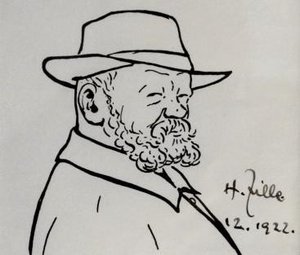
- Miembro Notable - Heinrich Zille: Una figura significativa asociada con la sociedad fue Heinrich Zille, quien sirvió como técnico de la organización desde 1877 hasta 1907. Las contribuciones de Zille fueron vitales para las capacidades técnicas de la sociedad y su trabajo reflejó el panorama en evolución de la fotografía en Berlín.
Logros Artísticos y Educación Fotográfica
- Centro para la Exploración Artística: La Photographische Gesellschaft Berlin fomentó un entorno vibrante para la exploración artística dentro de la fotografía, alentando la experimentación y superando los límites creativos.
- Educación Fotográfica: Reconociendo la necesidad de cultivar el talento, la sociedad se estableció como un centro para la educación fotográfica. Ofreció cursos y talleres diseñados para capacitar a aspirantes a fotógrafos en habilidades técnicas y visión artística.
- Énfasis en la Photogravure: La sociedad era particularmente conocida por su experiencia en la impresión photogravure, una técnica sofisticada que permitía la reproducción de fotografías con un detalle y rango tonal excepcionales. Esto contribuyó significativamente a la calidad de sus impresiones.
Legado e Impacto en la Fotografía
- Influencia en Fotógrafos Posteriores: La influencia de la Photographische Gesellschaft Berlin se extendió mucho más allá de su propia existencia. Muchos fotógrafos que fueron inspirados por el trabajo de la sociedad llegaron a lograr renombre por sus propios méritos, llevando adelante las tradiciones de excelencia artística e innovación técnica establecidas por la organización.
- Promoción de la Fotografía como una Forma de Arte: La sociedad jugó un papel vital en elevar el estatus de la fotografía desde una búsqueda puramente científica o documental hasta una forma de arte reconocida.
- Significado Comercial: Más allá de sus contribuciones artísticas, la Photographische Gesellschaft Berlin también logró avances significativos en el establecimiento de la fotografía como una industria comercial viable, demostrando el potencial de las imágenes fotográficas para llegar a un público amplio.
- Disolución e Impacto Duradero: Aunque la sociedad se disolvió en 1927, su legado continúa siendo celebrado hoy en día. Su trabajo puede encontrarse en numerosos museos y galerías de todo el mundo, incluyendo las Kunstsammlungen und Museen Augsburg.
Obras Clave y Asociaciones Notables
- Photogravures de Retrato: La Photographische Gesellschaft Berlin es particularmente reconocida por sus photogravures de retrato que presentan figuras destacadas como Max Planck, William Thomson (Barón Kelvin), Ernst Heinrich Haeckel, Wilhelm Konrad Röntgen, Dmitri Mendeleev y Gustav Theodor Fechner. Estos retratos ejemplifican la habilidad técnica y la visión artística de la sociedad.
- Catálogos y Exposiciones: La sociedad produjo numerosos catálogos que mostraban su trabajo y organizaba exposiciones que ayudaron a promover la fotografía como una forma de arte. Ejemplos incluyen "Catalogue of an Exhibition of Contemporary German Graphic Art" y “A Selection of the publications of the Berlin Photographic Co.”
La Photographische Gesellschaft Berlin sigue siendo un capítulo significativo en la historia de la fotografía, demostrando el poder de la colaboración, la innovación y la dedicación artística para dar forma a un medio que continúa evolucionando y cautivando al público hoy en día.
Photographische Gesellschaft Berlin
1862 - 1927 , Alemania
Breves datos
- Fecha De Fallecimiento: 1927
- Fecha De Nacimiento: 1862
- Lugar De Nacimiento: Berlín, Alemania
- Movimiento Artístico O Estilo: Fotografía
- Nacionalidad: Alemán
- Nombre Completo: Photographische Gesellschaft Berlin
- Obras Notables:
- Retrato, photogravure, Max Planck
- Retrato, photogravure, William Thomson
- Retrato, photogravure, Ernst Heinrich Haekel

