

 Enviar
 Compartir
 Detalles

 Descargar
 Similares
 Presentación de diapositivas
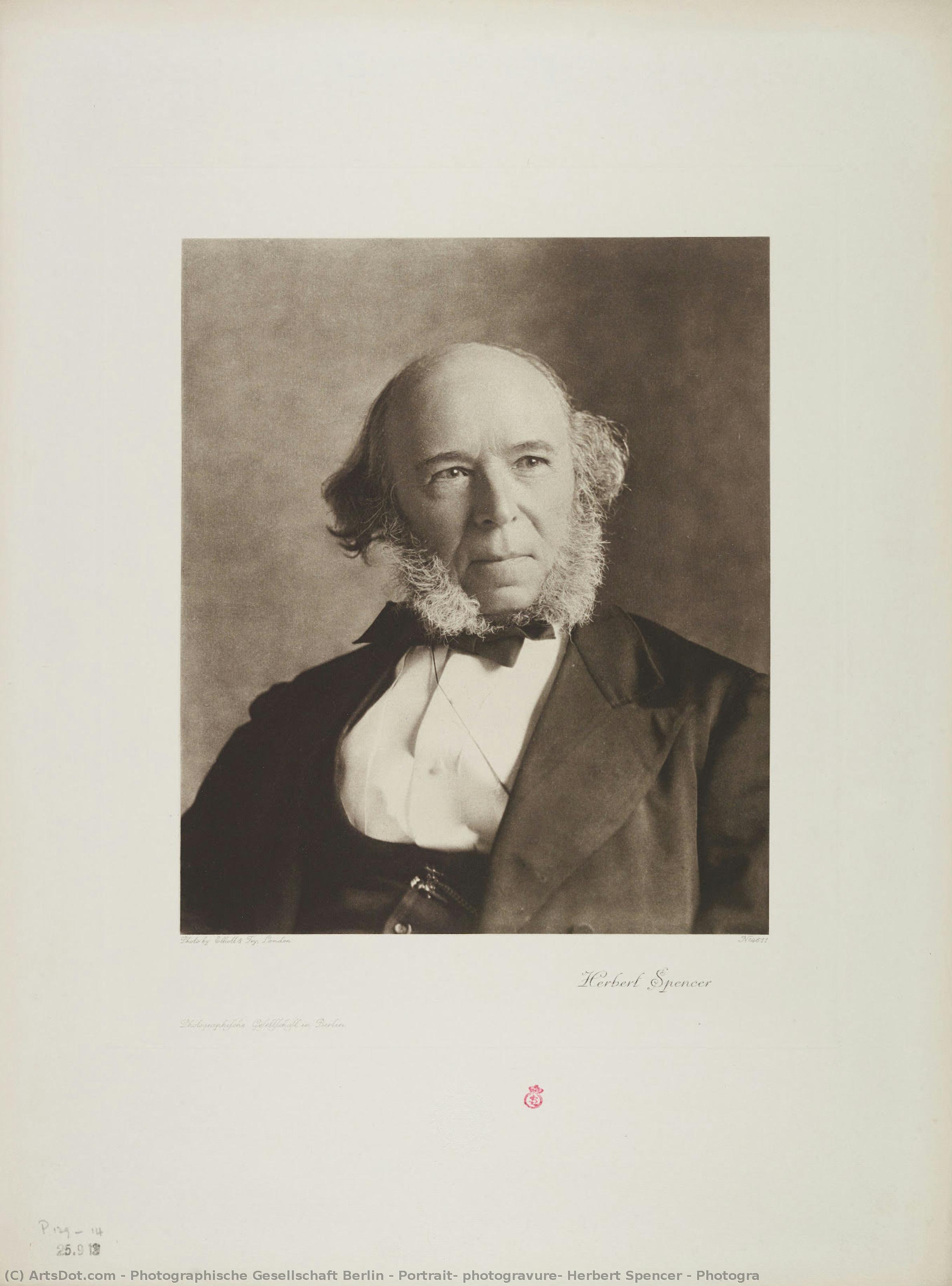
Portrait, photogravure, Herbert Spencer / Photogra


 Ver más
Giclée / Impresión de arte
Impresiones giclée o en lienzo de calidad de museo con producción rápida y opciones de acabado flexibles. ( Comprar pintura hecha a mano Comprar imagen)




































Elija entre nuestros tamaños predefinidos que respetan las proporciones originales de la obra.

Puede introducir sus propias dimensiones para adaptarse a un marco o espacio específico. Si el tamaño seleccionado no coincide con las proporciones de la imagen original, recortaremos la obra de arte o extenderemos la imagen con un borde con efecto espejo o de color sólido. Se enviará una maqueta digital para su aprobación antes de que comience la producción.
Tenga en cuenta que la vista previa en pantalla no refleja el recorte o la extensión real. Solo la maqueta mostrará con precisión la composición final.
Aunque existen tamaños personalizados, recomendamos seleccionar una dimensión de la lista predefinida para preservar las proporciones originales.
Envío a todo el mundo () en 2 semanas en lugar de las 4/5 semanas estándar. (4 septiembre)

Envío exprés gratuito a todo el mundo

Lienzo de lino de alta calidad

Seguro de envío total

Garantía de reembolso de impuestos aduaneros

Garantía de fidelidad cromática exacta

Política de devolución de 60 días (solo por defectos)

Garantía de devolución del 100% del dinero

Descuento por cantidad
 La opción de vidrio solo está disponible en tamaños inferiores a 110 cm.

Portrait, photogravure, Herbert Spencer / Photogra
Giclée / Impresión de arte
Dimensiones de la reproducción
-


Precio total final
$ 62
A Glimpse into the Late 19th Century: The Portrait of Herbert Spencer
The image before you is more than a photograph; it’s a meticulously crafted window into the late Victorian era. This photogravure portrait, executed in 1919 by the Photographische Gesellschaft Berlin, captures the formidable presence of Herbert Spencer – a towering figure in philosophy, sociology, and evolutionary biology. The stark black and white tones immediately establish a formal atmosphere, characteristic of studio portraits designed to convey respectability and intellectual authority. The composition is deliberately centered, drawing our gaze directly to Spencer’s face, an area rendered with remarkable detail thanks to the photogravure process – a technique that meticulously transfers ink from a deeply etched copper plate onto paper.
The Alchemy of Photogravure: Technique and Artistic Control
To understand the power of this image, it’s crucial to appreciate the intricacies of photogravure. Unlike simpler photographic processes, this technique demanded a level of artistic control rarely seen in early photography. The Photographische Gesellschaft Berlin wasn't merely documenting Spencer; they were actively shaping his likeness through a complex series of steps. First, a negative photograph – likely created using a wet collodion process – was used as the basis for an etched copper plate. The etching itself involved varying the depth of the grooves on the plate, creating a tonal map that would ultimately dictate the density of ink applied during printing. This meticulous layering resulted in incredibly subtle gradations and rich, velvety blacks—a hallmark of photogravure’s unparalleled ability to reproduce continuous tones.
The process was further refined by the use of specialized paper, carefully dampened to ensure optimal ink absorption. The final print emerged with a remarkable depth and texture, a testament to the skill of the printer and the inherent qualities of the medium. It’s important to note that this wasn't simply a mechanical reproduction; it was an artistic intervention, imbuing the image with a sense of permanence and gravitas.
A Portrait of a Mind: Symbolism and Context
Spencer himself represents a pivotal moment in intellectual history. His theories on evolution, social dynamics, and the nature of consciousness profoundly influenced thinkers and institutions throughout the 20th century. The portrait itself speaks volumes about Victorian values – the dark suit, the crisp white shirt with its lace collar, and the meticulously groomed beard all signify wealth, status, and a commitment to reason and order. The severe expression on Spencer’s face—a blend of contemplation and quiet authority—suggests a mind grappling with complex ideas, a man dedicated to rigorous inquiry.
Furthermore, the photogravure medium itself carries symbolic weight. The process, born from the desire to faithfully reproduce detailed images, represents a commitment to accuracy and permanence – qualities highly valued in the Victorian era. The subtle variations in tone within the image mirror the complexities of Spencer’s thought, suggesting that even the most profound ideas can be rendered with exquisite nuance.
A Timeless Masterpiece: Reproduction and Legacy
This portrait transcends its historical context to offer a compelling meditation on intellect, dignity, and the enduring power of visual representation. Reproductions, particularly in high-quality photogravure formats, allow us to appreciate the remarkable detail and tonal richness of this extraordinary image. It’s an ideal piece for collectors seeking a connection to intellectual history or for interior designers looking to infuse their spaces with a sense of timeless elegance and scholarly gravitas. The Photographische Gesellschaft Berlin's work remains a testament to the artistry and technical innovation that defined the early years of photography, offering a rare glimpse into a bygone era.
Obras relacionadas

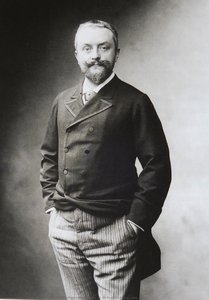
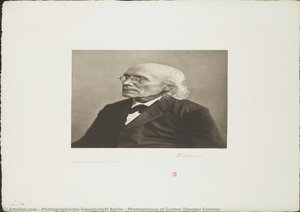
Biografía del artista
La Photographische Gesellschaft Berlin: Pionera en el Arte y la Tecnología Fotográfica
- Origen: ArtsDot
- Nacimiento: Berlín, Alemania (1862)
- Fallecimiento: 1927
La Photographische Gesellschaft Berlin, también conocida como la Sociedad Fotográfica de Berlín, fue una sociedad fotográfica alemana fundamental establecida en Berlín en 1862. Destaca como una de las sociedades fotográficas más antiguas de Alemania y desempeñó un papel crucial en la configuración de la evolución de la fotografía tanto como medio artístico como industria comercial emergente.
Primeros Años y Contribuciones a la Tecnología Fotográfica
- Fundación y Enfoque Temprano: Fundada en 1862, la sociedad rápidamente ganó reconocimiento por su compromiso con la producción de impresiones fotográficas de alta calidad.
- Avance Tecnológico: La Photographische Gesellschaft Berlin no era meramente una colectiva artística; contribuyó activamente a los avances en la tecnología fotográfica durante un período de rápida innovación en el campo.
- Miembro Notable - Heinrich Zille: Una figura significativa asociada con la sociedad fue Heinrich Zille, quien sirvió como técnico de la organización desde 1877 hasta 1907. Las contribuciones de Zille fueron vitales para las capacidades técnicas de la sociedad y su trabajo reflejó el panorama en evolución de la fotografía en Berlín.
Logros Artísticos y Educación Fotográfica
- Centro para la Exploración Artística: La Photographische Gesellschaft Berlin fomentó un entorno vibrante para la exploración artística dentro de la fotografía, alentando la experimentación y superando los límites creativos.
- Educación Fotográfica: Reconociendo la necesidad de cultivar el talento, la sociedad se estableció como un centro para la educación fotográfica. Ofreció cursos y talleres diseñados para capacitar a aspirantes a fotógrafos en habilidades técnicas y visión artística.
- Énfasis en la Photogravure: La sociedad era particularmente conocida por su experiencia en la impresión photogravure, una técnica sofisticada que permitía la reproducción de fotografías con un detalle y rango tonal excepcionales. Esto contribuyó significativamente a la calidad de sus impresiones.
Legado e Impacto en la Fotografía
- Influencia en Fotógrafos Posteriores: La influencia de la Photographische Gesellschaft Berlin se extendió mucho más allá de su propia existencia. Muchos fotógrafos que fueron inspirados por el trabajo de la sociedad llegaron a lograr renombre por sus propios méritos, llevando adelante las tradiciones de excelencia artística e innovación técnica establecidas por la organización.
- Promoción de la Fotografía como una Forma de Arte: La sociedad jugó un papel vital en elevar el estatus de la fotografía desde una búsqueda puramente científica o documental hasta una forma de arte reconocida.
- Significado Comercial: Más allá de sus contribuciones artísticas, la Photographische Gesellschaft Berlin también logró avances significativos en el establecimiento de la fotografía como una industria comercial viable, demostrando el potencial de las imágenes fotográficas para llegar a un público amplio.
- Disolución e Impacto Duradero: Aunque la sociedad se disolvió en 1927, su legado continúa siendo celebrado hoy en día. Su trabajo puede encontrarse en numerosos museos y galerías de todo el mundo, incluyendo las Kunstsammlungen und Museen Augsburg.
Obras Clave y Asociaciones Notables
- Photogravures de Retrato: La Photographische Gesellschaft Berlin es particularmente reconocida por sus photogravures de retrato que presentan figuras destacadas como Max Planck, William Thomson (Barón Kelvin), Ernst Heinrich Haeckel, Wilhelm Konrad Röntgen, Dmitri Mendeleev y Gustav Theodor Fechner. Estos retratos ejemplifican la habilidad técnica y la visión artística de la sociedad.
- Catálogos y Exposiciones: La sociedad produjo numerosos catálogos que mostraban su trabajo y organizaba exposiciones que ayudaron a promover la fotografía como una forma de arte. Ejemplos incluyen "Catalogue of an Exhibition of Contemporary German Graphic Art" y “A Selection of the publications of the Berlin Photographic Co.”
La Photographische Gesellschaft Berlin sigue siendo un capítulo significativo en la historia de la fotografía, demostrando el poder de la colaboración, la innovación y la dedicación artística para dar forma a un medio que continúa evolucionando y cautivando al público hoy en día.
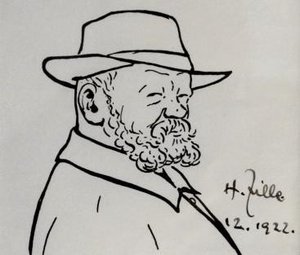
Photographische Gesellschaft Berlin
1862 - 1927 , Alemania
Datos clave
- Fecha De Fallecimiento: 1927
- Fecha De Nacimiento: 1862
- Lugar De Nacimiento: Berlín, Alemania
- Movimiento Artístico O Estilo: Fotografía
- Nacionalidad: Alemán
- Nombre Completo: Photographische Gesellschaft Berlin
- Obras Notables:
- Retrato, photogravure, Max Planck
- Retrato, photogravure, William Thomson
- Retrato, photogravure, Ernst Heinrich Haekel
Artículos relacionados

Monochrome Visions: Exploring the Aesthetic & Historical Significance of Black & White Photography
Explore the rich history & artistic power of black and white photography. From early techniques to iconic masters like Ansel Adams, discover why monochrome continues to captivate art lovers today. Expert insights for collectors.

Blanco Sublime: Los 10 Cuadros Más Famosos Dominados por la Luz y el Color
Descubre los 10 cuadros blancos más emblemáticos de la historia del arte. Explora Monet, Van Gogh y Klimt, y su magistral uso de la luz y el color. Encuentra reproducciones de alta calidad e inspírate para tu decoración en .

Pictorialismo: La Búsqueda del Alma de la Fotografía Artística – Estética, Técnicas y Legado
Descubre el Pictorialismo, un movimiento clave en la historia de la fotografía artística. Explora sus técnicas, figuras emblemáticas y su legado perdurable. Guía experta para coleccionistas y amantes del arte.
Beyond the Lens: Photography's Enduring Influence on Modern & Contemporary Art
Explore photography's pivotal role in shaping modern & contemporary art. Discover key movements, influential artists like Stieglitz, and expert collecting advice from ArtsDot.

Giclée Prints: Archival Quality & Aesthetic Nuances for the Discerning Collector
Explore the world of giclée prints with ArtsDot. Learn about archival quality, aesthetic nuances & investment potential. Expert guidance for discerning art collectors seeking museum-quality reproductions and lasting value.

