

 Ver en contexto
 Enviar
 Compartir
 Detalles

 Descargar
 Similares
 Radiografía
 Presentación de diapositivas
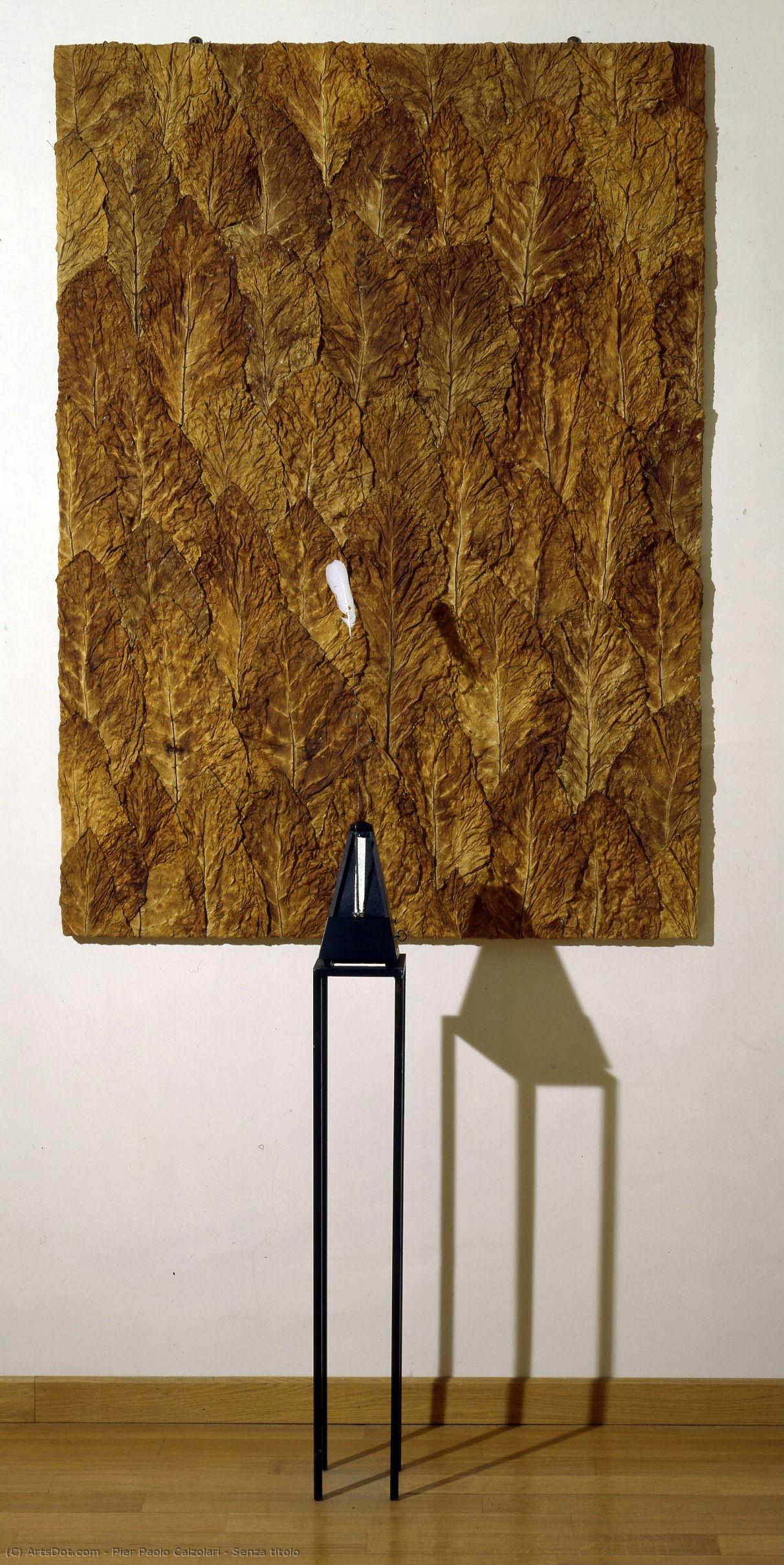
Senza titolo
 100.0 x 140.0 cm
 MAXXI Museo Nacional de Artes del Siglo XXI
 Ver más
Adquiera una imagen digital de alta resolución y optimizada, muy superior a la vista previa en línea.
Cada archivo es preparado meticulosamente por nuestros especialistas internos mediante el uso de herramientas avanzadas y un experto retoque manual. Nos aseguramos de que cada imagen posea una claridad excepcional, una precisión cromática impecable y un detalle minucioso.
El archivo final se entrega por correo electrónico en un plazo de 72 horas, optimizado para su uso inmediato en entornos profesionales, editoriales y de impresión. Esta es la misma calidad en la que confían los estudios de diseño, las editoriales y las galerías de primer nivel.
Imagen Digital
Descarga un archivo de alta resolución para exhibición personal, impresión y proyectos creativos. ( Comprar impresión Comprar pintura hecha a mano)
Incluido en cada pedido de imágenes digitales
Entrega digital experta, garantizada.
Al elegir ArtsDot.com, no solo está adquiriendo una imagen; está recibiendo una obra de arte digital mejorada profesionalmente, elaborada con precisión y respaldada por una garantía de satisfacción. Esto es todo lo que incluye su pedido, automáticamente:

Entrega rápida por email
Recibirá su archivo de imagen digital en alta resolución por correo electrónico en un plazo de 72 horas tras realizar su pedido, listo para su uso inmediato.

Archivo digital optimizado por IA
Su obra de arte se optimiza profesionalmente mediante herramientas avanzadas de IA y edición manual, garantizando el máximo detalle, claridad y precisión cromática.

Reenvío gratuito de por vida
¿Has borrado o perdido tu archivo por error? No te preocupes: te lo volveremos a enviar en cualquier momento, sin coste adicional.

Sin gastos de importación, siempre
Disfrute de su obra de arte al instante sin aduanas, aranceles ni gastos de envío; las descargas digitales siempre están libres de impuestos.

Garantía de fidelidad de color
Garantizamos que su imagen digital refleje los colores originales con la mayor fidelidad posible, mediante el uso de herramientas profesionales y gestión del color.

Garantía de satisfacción de 60 días
Si no está satisfecho con su imagen digital, la revisaremos o le reembolsaremos el 100% en un plazo de 60 días, sin preguntas.

100% Garantía de devolución de dinero
¿No está satisfecho? Obtenga un reembolso completo dentro de los 60 días posteriores a la recepción de su archivo digital, sin necesidad de explicaciones.

Descuentos por pedidos grandes
Compra 3 imágenes, ahorra 10% - Compra 5, ahorra 15% - Compra 10+, ahorra 20%. Ideal para proyectos creativos, galerías y agencias.
Descripción del coleccionable
Obras relacionadas









Biografía del artista
A Venetian Genesis: The Early Life and Arte Povera Roots of Pier Paolo Calzolari
Pier Paolo Calzolari’s artistic journey is deeply interwoven with the unique cultural tapestry of Venice, a city whose Byzantine heritage and ethereal light cast a long shadow over his evolving practice. Born in 1943, Calzolari spent his formative years immersed in this environment, an experience that would profoundly shape his aesthetic sensibility. The singular quality of Venetian light – its ability to transform surfaces and evoke a sense of mystery – became a foundational element in his work, influencing not just *what* he created but *how* it was perceived. This early exposure wasn’t merely visual; it instilled a fascination with the passage of time, the fragility of materials, and the interplay between presence and absence. In 1965, Calzolari relocated to Bologna, establishing his studio within the historic Palazzo Bentivoglio, a hub for artistic experimentation and exchange. This move marked his formal entry into the burgeoning Arte Povera movement, though his work would soon transcend easy categorization. The Palazzo became a crucible of ideas, hosting screenings with pioneering filmmakers like Ari Marcopoulos, Jonas Mekas, and Andy Warhol, fostering an environment where boundaries between disciplines blurred.Performance, Transformation, and the ‘Filtro’
Calzolari's initial explorations were deeply rooted in performance art, a medium that allowed him to directly engage with concepts of ephemerality and process. His first seminal piece, *Il Filtro e Benvenuto all’Angelo* (The Filter and Welcome to the Angel), created between 1966 and 1967, exemplifies this early phase. The work wasn't a static object but an event—a ritualistic act that challenged conventional notions of artistic creation. It involved filtering materials, suggesting purification or distillation, and welcoming an ethereal presence, hinting at spirituality and the unseen forces shaping our reality. This period was characterized by a deliberate rejection of traditional sculptural forms in favor of transient experiences. He wasn’t interested in creating lasting monuments but rather in capturing fleeting moments of transformation. The Palazzo Bentivoglio provided fertile ground for these experiments, allowing Calzolari to collaborate with artists across various mediums and push the boundaries of artistic expression.Academia and International Recognition: From Urbino to Documenta
The late 1960s saw Calzolari broaden his scope, taking on a teaching position at the Academy of Fine Arts in Urbino in 1968, a role he would revisit in 2002-2003. This engagement with pedagogy undoubtedly influenced his artistic thinking, forcing him to articulate his concepts and refine his approach. However, it was his participation in *When Attitudes Become Form*, the landmark exhibition curated by Harald Szeemann at the Kunsthalle Bern in 1969, that propelled Calzolari onto the international stage. This show, a defining moment for Arte Povera and conceptual art, brought together a generation of artists challenging established norms and redefining the very nature of sculpture. Calzolari’s inclusion solidified his position as a key figure within this movement, exposing his work to a wider audience and sparking critical dialogue about its innovative use of materials and unconventional forms. This recognition culminated in his participation in Documenta 5 in 1972, further cementing his reputation as a leading contemporary artist.The Frozen Turn: Exploring New Mediums and Formal Shifts
While remaining committed to experimentation, Calzolari embarked on a significant formal turn in the following decades, beginning to create his signature “frozen” pieces. These works—often involving materials suspended in blocks of ice or other translucent substances—represent a fascinating exploration of time, preservation, and the illusion of permanence. The act of freezing isn’t merely a technical process but a metaphorical one, capturing a moment in suspension and inviting contemplation on the ephemeral nature of existence. He continues to work intensively, constantly pushing the boundaries of his chosen mediums and exploring new avenues for artistic expression. This ongoing evolution is testament to Calzolari's unwavering curiosity and commitment to challenging conventional notions of art.Contemporary Presence: Galleries and Last Exhibitions
Today, Pier Paolo Calzolari maintains a vibrant presence in the contemporary art world, represented by prominent galleries such as Marianne Boesky in New York and Kamel Mennour in Paris. He has held numerous solo exhibitions at these institutions, showcasing his latest explorations and reaffirming his enduring influence on generations of artists. His most recent solo exhibition took place at White Cube Gallery in London (2018), a testament to the continued relevance and power of his work. Calzolari’s art transcends categorization; it is simultaneously rooted in the historical context of Arte Povera and forward-looking in its exploration of perception, materiality, and the human condition. He remains an artist deeply engaged with the world around him, constantly seeking new ways to challenge our understanding of space, time, and the very nature of artistic creation. His work is a testament to the power of art to transform our perceptions and invite us to contemplate the mysteries that lie beneath the surface of reality.
pier paolo calzolari
1943 -
Breves datos
- Artistic Movement Or Style: Arte Povera
- Artists Or Movements Influenced By This Artist: ['Minimalist art']
- Artists Who Influenced This Artist: ['Harald Szeemann']
- Date Of Birth: 1943
- Date Of Death: Living
- Full Name: Pier Paolo Calzolari
- Nationality: Italian
- Notable Artworks: ['Il filtro e benvenuto all’angelo']
- Place Of Birth: Venice, Italy

