

 Ver en contexto
 Enviar
 Compartir
 Detalles

 Descargar
 Similares
 Radiografía
 Presentación de diapositivas
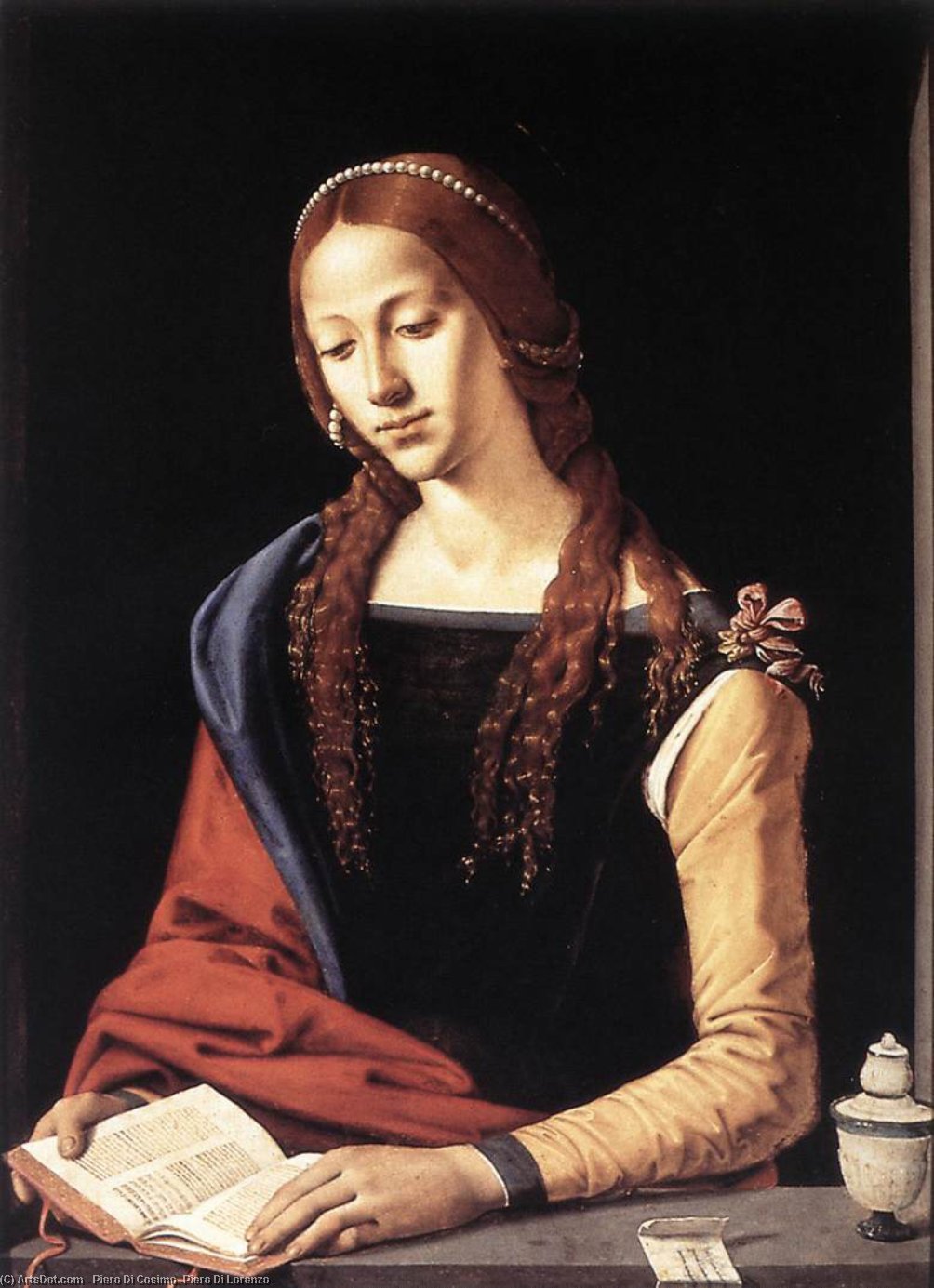
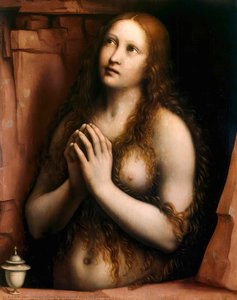
St Mary Magdalene
 Oil On Panel
- Renaissance
 1490
1490 72.0 x 76.0 cm
 Galleria Nazionale d’Arte Antica
 Ver más
Adquiera una imagen digital de alta resolución y optimizada, muy superior a la vista previa en línea.
Cada archivo es preparado meticulosamente por nuestros especialistas internos mediante el uso de herramientas avanzadas y un experto retoque manual. Nos aseguramos de que cada imagen posea una claridad excepcional, una precisión cromática impecable y un detalle minucioso.
El archivo final se entrega por correo electrónico en un plazo de 72 horas, optimizado para su uso inmediato en entornos profesionales, editoriales y de impresión. Esta es la misma calidad en la que confían los estudios de diseño, las editoriales y las galerías de primer nivel.
Imagen Digital
Descarga un archivo de alta resolución para exhibición personal, impresión y proyectos creativos. ( Comprar impresión Comprar pintura hecha a mano)
Incluido en cada pedido de imágenes digitales
Entrega digital experta, garantizada.
Al elegir ArtsDot.com, no solo está adquiriendo una imagen; está recibiendo una obra de arte digital mejorada profesionalmente, elaborada con precisión y respaldada por una garantía de satisfacción. Esto es todo lo que incluye su pedido, automáticamente:

Entrega rápida por email
Recibirá su archivo de imagen digital en alta resolución por correo electrónico en un plazo de 72 horas tras realizar su pedido, listo para su uso inmediato.

Archivo digital optimizado por IA
Su obra de arte se optimiza profesionalmente mediante herramientas avanzadas de IA y edición manual, garantizando el máximo detalle, claridad y precisión cromática.

Reenvío gratuito de por vida
¿Has borrado o perdido tu archivo por error? No te preocupes: te lo volveremos a enviar en cualquier momento, sin coste adicional.

Sin gastos de importación, siempre
Disfrute de su obra de arte al instante sin aduanas, aranceles ni gastos de envío; las descargas digitales siempre están libres de impuestos.

Garantía de fidelidad de color
Garantizamos que su imagen digital refleje los colores originales con la mayor fidelidad posible, mediante el uso de herramientas profesionales y gestión del color.

Garantía de satisfacción de 60 días
Si no está satisfecho con su imagen digital, la revisaremos o le reembolsaremos el 100% en un plazo de 60 días, sin preguntas.

100% Garantía de devolución de dinero
¿No está satisfecho? Obtenga un reembolso completo dentro de los 60 días posteriores a la recepción de su archivo digital, sin necesidad de explicaciones.

Descuentos por pedidos grandes
Compra 3 imágenes, ahorra 10% - Compra 5, ahorra 15% - Compra 10+, ahorra 20%. Ideal para proyectos creativos, galerías y agencias.
A Renaissance Reverie: Piero di Cosimo’s St. Mary Magdalene
Piero di Cosimo's 1490s depiction of Saint Mary Magdalene is not merely a portrait; it’s a profound meditation on faith, repentance, and the enduring power of spiritual transformation. Born in Florence during a period of explosive artistic innovation – a time when Botticelli’s ethereal beauty mingled with the burgeoning realism of Van der Goes – Cosimo carved out his own distinctive space within the Renaissance landscape, imbuing his work with an almost dreamlike quality that sets it apart.
The painting immediately draws the eye to the central figure: Mary Magdalene herself. She’s rendered in profile, a deliberate choice that emphasizes her contemplative state and invites the viewer into her inner world. Lost in thought as she pores over an open book, a symbol of her devotion and ongoing study of scripture, she embodies a quiet intensity rarely found in depictions of this biblical figure. Her long, flowing hair, adorned with delicate pearls – a subtle extravagance suggesting both her past sins and her newfound grace – cascades around her face, framing her features with an air of serene dignity.
A Symphony of Color and Texture
Technically, the painting is a masterful example of tempera on panel. Cosimo’s skill lies not just in his ability to capture likeness but also in his manipulation of color and texture. The background, deliberately dark and receding, serves to heighten the luminosity of Mary Magdalene, creating an intimate space around her that feels both sacred and deeply personal. The rich hues—deep blues, vibrant reds, and earthy browns—are applied with a meticulous attention to detail, layering glazes to achieve a remarkable sense of depth and volume. The texture of her garments, the folds in her veil, and even the worn pages of the book are rendered with astonishing realism, inviting us to almost reach out and touch them.
The use of light is particularly noteworthy. It’s diffused and gentle, bathing Mary Magdalene in a soft glow that suggests divine grace. This careful orchestration of color and texture contributes significantly to the painting's overall mood—one of quiet contemplation, spiritual yearning, and ultimately, hope.
Symbolism Woven into the Fabric
Beyond its aesthetic beauty, the painting is rich in symbolic meaning. The open book represents Mary Magdalene’s ongoing commitment to her faith, a testament to her transformation from a former sinner to a devoted follower of Christ. The small jar or vessel on the table beside her—a detail often overlooked—alludes to her role as a witness to the Resurrection, referencing the ointment she prepared for Jesus during his crucifixion. This gesture underscores her pivotal position in the narrative and highlights the significance of her testimony.
Furthermore, the painting’s composition echoes Renaissance ideals of humanism and classical art. The careful balance of elements, the idealized beauty of the figure, and the integration of symbolic motifs all contribute to its enduring appeal. It's a work that speaks not only to religious devotion but also to the broader humanist concerns of the era – the pursuit of knowledge, the celebration of beauty, and the exploration of human potential.
A Legacy Preserved
Currently housed in the Galleria Nazionale d’Arte Antica in Rome, Piero di Cosimo's St. Mary Magdalene remains a captivating masterpiece. Reproductions are available through ArtsDot.com, offering an opportunity to experience this extraordinary work of art firsthand. For those interested in learning more about the artist and his context, resources such as Wikipedia ( provide valuable insights into his life and career. The Galleria Nazionale d’Arte Antica itself is a treasure trove of Renaissance art, offering visitors a chance to immerse themselves in the beauty and brilliance of this transformative period.
Obras relacionadas
![The Madonna Between St. John The Baptist And St. Sebastian [detail] — Pietro Perugino, Renaissance](/media/artworks/images-thumb/f0/3a/f03a20887bc1e56ffa9a705ad2276cb8.jpg)
Biografía del artista
Piero di Cosimo (1462-1522): Uniendo la Fantasía y el Realismo en la Pintura del Renacimiento Florentino
Piero di Cosimo, nacido como Piero di Lorenzo Battista alrededor de 1462 en Florencia, Italia, se erige como una figura singular dentro del vibrante tapiz del Renacimiento florentino. A diferencia de muchos de sus contemporáneos, quienes se adherían rígidamente a los ideales clásicos, Cosimo poseía un espíritu imaginativo que infundía su obra con elementos fantásticos junto a una meticulosa observación de la naturaleza; una mezcla distintiva que consolidó su reputación como uno de los pintores más innovadores de la época. Su viaje artístico se desarrolló bajo el trasfondo de un floreciente pensamiento humanista y una intensa experimentación artística, reflejando las transformaciones culturales más amplias que estaban remodelando Europa durante este periodo.- Primeros años y formación: Los detalles biográficos precisos sobre los años formativos de Cosimo siguen siendo esquivos, dependiendo principalmente de referencias fragmentarias en Las vidas de los artistas de Vasari. Se formó como aprendiz bajo la tutela de Andrea del Verrocchio, un renombrado escultor y pintor cuyo taller sirvió como crisol para el talento artístico. Esta asociación expuso a Cosimo a las técnicas de la pintura al fresco y la escultura, moldeando sus habilidades fundamentales.
- Influencias y estilo artístico: El estilo de Cosimo se vio profundamente impactado por Botticelli y Giovanni Battista Van Eyck, artistas que defendieron tanto la belleza como la profundidad psicológica. Las líneas gráciles y las figuras etéreas de Botticelli infundieron en Cosimo una inclinación hacia la elegancia y la representación idealizada, mientras que el dominio del óleo de Van Eyck lo alentó a explorar matices tonales sutiles y una gran riqueza textural. Estas influencias se combinaron para producir un lenguaje artístico caracterizado por colores luminosos, pinceladas delicadas y una cautivadora fusión de narrativas mitológicas con paisajes realistas.
Obras Notables y Logros Artísticos
La obra de Cosimo comprende una colección extraordinaria de pinturas que exhiben su talento excepcional y su visión imaginativa. Entre sus creaciones más celebradas se encuentra “Vulcano y Eolo”, una monumental pintura al óleo de formato circular que representa el enfrentamiento mitológico entre el hijo de Zeus y Poseidón, un testimonio de la capacidad de Cosimo para transmitir emoción dramática dentro de una composición cuidadosamente construida. Del mismo modo, "La Madonna con el Niño Jesús durmiendo y el pequeño San Juan Bautista" ejemplifica su meticulosa atención al detalle y su profundo conocimiento de la iconografía religiosa. Además, “La Adoración del Niño”, otra obra maestra circular, encarna la belleza serena y la contemplación espiritual características del arte del Renacimiento temprano.Legado e Importancia Histórica
La contribución de Piero di Cosimo a la pintura florentina trasciende la mera innovación estilística; él representa un momento crucial en la historia del arte. Al rechazar las limitaciones de la estricta convención académica y abrazar la narrativa imaginativa junto con la representación realista, Cosimo allanó el camino para que las generaciones posteriores de artistas —incluyendo a Rafael y Miguel Ángel— exploraran nuevas posibilidades expresivas. Su obra continúa inspirando admiración por su armoniosa mezcla de fantasía y realismo, asegurando su lugar como un símbolo perdurable de la creatividad renacentista y el genio artístico. Se le recuerda no solo por sus obras maestras individuales, sino también por haber moldeado la trayectoria más amplia del arte europeo.
Piero Di Cosimo
1462 - 1522 , Italia
Breves datos
- Artistic Movement Or Style: Renaissance art
- Artists Who Influenced This Artist:
- Andrea del Verrocchio
- Botticelli
- Leonardo da Vinci
- Date Of Birth: 1462
- Full Name: Piero di Lorenzo Battista
- Nationality: Italian
- Notable Artworks:
- Vulcan and Aeolus
- Madonna and Sleeping Christ Child with the Infant St John the Baptist
- Adoration of the Child
- Place Of Birth: Florence, Italy

