

 Vista previa
 Compartir
 Compartir
 Ver detalles

 Descargar
 Ver similares
 Radiografía
 Presentación de diapositivas
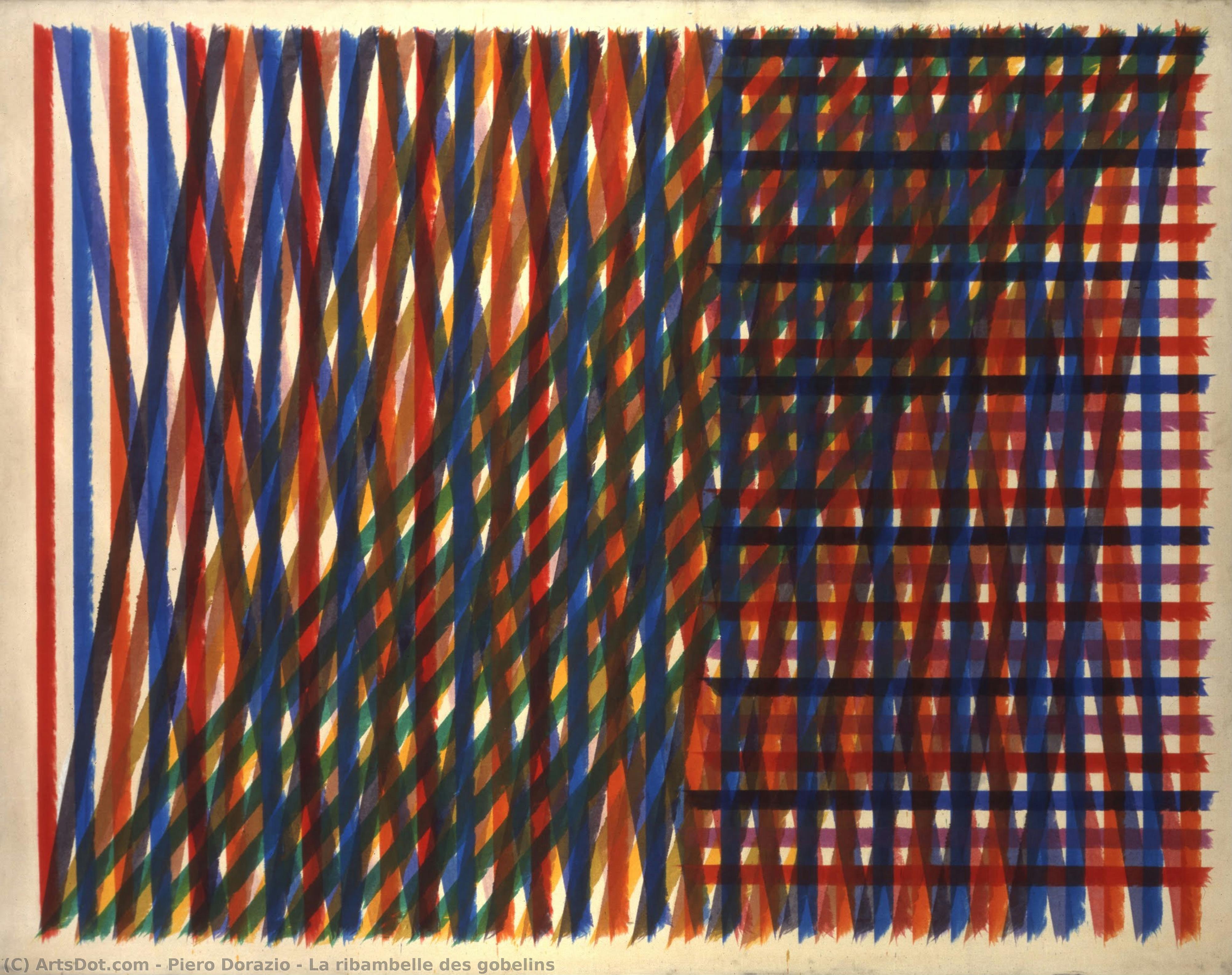
La ribambelle des gobelins

 Leer más
Giclée / Impresión de arte
Impresiones giclée o en lienzo de calidad de museo con producción rápida y opciones de acabado flexibles. ( Encargar reproducción pintada a mano Comprar descarga)




































Elija entre nuestros tamaños predefinidos que respetan las proporciones originales de la obra.

Puede introducir sus propias dimensiones para adaptarse a un marco o espacio específico. Si el tamaño seleccionado no coincide con las proporciones de la imagen original, recortaremos la obra de arte o extenderemos la imagen con un borde con efecto espejo o de color sólido. Se enviará una maqueta digital para su aprobación antes de que comience la producción.
Tenga en cuenta que la vista previa en pantalla no refleja el recorte o la extensión real. Solo la maqueta mostrará con precisión la composición final.
Aunque existen tamaños personalizados, recomendamos seleccionar una dimensión de la lista predefinida para preservar las proporciones originales.
Envío a todo el mundo () en 2 semanas en lugar de las 4/5 semanas estándar. (21 agosto)

Envío exprés gratuito a todo el mundo

Lienzo de lino de alta calidad

Seguro de envío completo

Garantía de reembolso de aranceles aduaneros

Garantía de fidelidad cromática exacta

Política de devolución de 60 días (solo por defectos)

Garantía de devolución del 100% del dinero

Oferta por volumen
 La opción de vidrio solo está disponible en tamaños inferiores a 110 cm.

La ribambelle des gobelins
Giclée / Impresión de arte
Tamaño de la reproducción
-


Precio total
$ 62
Obras relacionadas








Biografía del artista
Piero Dorazio: Pioneer of Color Field and Geometric Abstraction
Piero Dorazio stands as a pivotal figure in Italian abstract art, recognized for his distinctive approach to color field painting and geometric abstraction—styles that profoundly impacted the artistic landscape of the mid-20th century. Born in Rome in 1927, Dorazio’s formative years were marked by exposure to intellectual ferment and artistic experimentation fostered by his parents' respective professions as a civil servant and an art historian. He pursued his education diligently at Julius Caesar Lyceum (high school), laying the groundwork for a lifelong engagement with visual culture. The Second World War irrevocably altered Dorazio’s trajectory, forcing his family to relocate to Abruzzo amidst the turbulent backdrop of Italy's civil war. This experience instilled in him a resilience and adaptability that would characterize his artistic endeavors throughout his career. Initially working as a translator for the British army after liberation, Dorazio soon transitioned into architecture studies at Rome University, where he absorbed influences from Futurists like Gino Severini, Antonio Corpora, Enrico Prampolini, and Giacomo Ball—artists whose fervent embrace of right-wing ideologies spurred him toward aligning with leftist counterparts such as Renato Guttuso. Together with Pietro Consagra, Achille Perilli, and Giulio Turcato, Dorazio spearheaded the formation of Forma I in 1947, a collective dedicated to redefining abstraction beyond Futurism’s rigid dogma. Despite eschewing Guttuso's politically charged realism, Forma I championed a stylistic exploration rooted in universal visual languages—a deliberate departure from prevailing trends. Forma I sought to transcend ideological divisions and explore the expressive potential of pure geometric forms and vibrant color palettes. A scholarship from the French government propelled Dorazio to Paris in 1947, where he immersed himself in artistic discourse and honed his craft at École des Beaux-Arts. His collaboration with Mino Perilli and Guerrini culminated in the establishment of l’Age d’Or—a bookstore/gallery space that served as a beacon for abstract art enthusiasts. Recognizing the importance of fostering dialogue between artists and audiences, Dorazio championed the foundation Origine and edited Arti Visive magazine from 1952 onwards. His participation in the Harvard International Summer Seminar in 1953 marked his first foray into American artistic circles, followed by a decisive move to New York City in 1954—a location that would remain central to his creative output for several years. During this period, Dorazio experimented with encaustic painting, achieving remarkable textural depth and luminosity – techniques that would become hallmarks of his distinctive style. Dorazio’s debut solo exhibition at George Wittenborn's one-wall gallery in October 1955 garnered considerable acclaim and signaled the burgeoning recognition of his singular artistic vision. He continued to refine his technique, experimenting with innovative materials and processes—particularly encaustic painting—to achieve textural depth and luminosity. His prolific output spanned decades, producing canvases that embody both monumental scale and meticulous detail. Dorazio’s enduring legacy resides not only in his groundbreaking contributions to abstract art but also in his unwavering commitment to artistic integrity and intellectual curiosity. He passed away in 2005, leaving behind a body of work that continues to inspire artists and scholars alike—a testament to the transformative power of visual experimentation and the pursuit of aesthetic excellence.- Notable artworks: Untitled (713), Untitled (731), Kasimiro Medio
- Place of birth: Rome, Italy
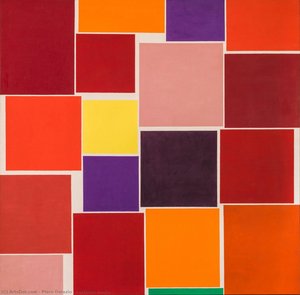
Piero Dorazio
1927 - 2005 , Italia
Datos clave
- Artistic Movement Or Style: Color Field Painting
- Artists Who Influenced This Artist: Futuristas
- Date Of Birth: 1927
- Date Of Death: 2005
- Full Name: Piero Dorazio
- Nationality: Italiano
- Notable Artworks:
- Untitled (713)
- Untitled (731)
- Kasimiro Medio
- Place Of Birth: Roma, Italia

