

 Ver en contexto
 Enviar
 Compartir
 Detalles

 Descargar
 Similares
 Radiografía
 Presentación de diapositivas
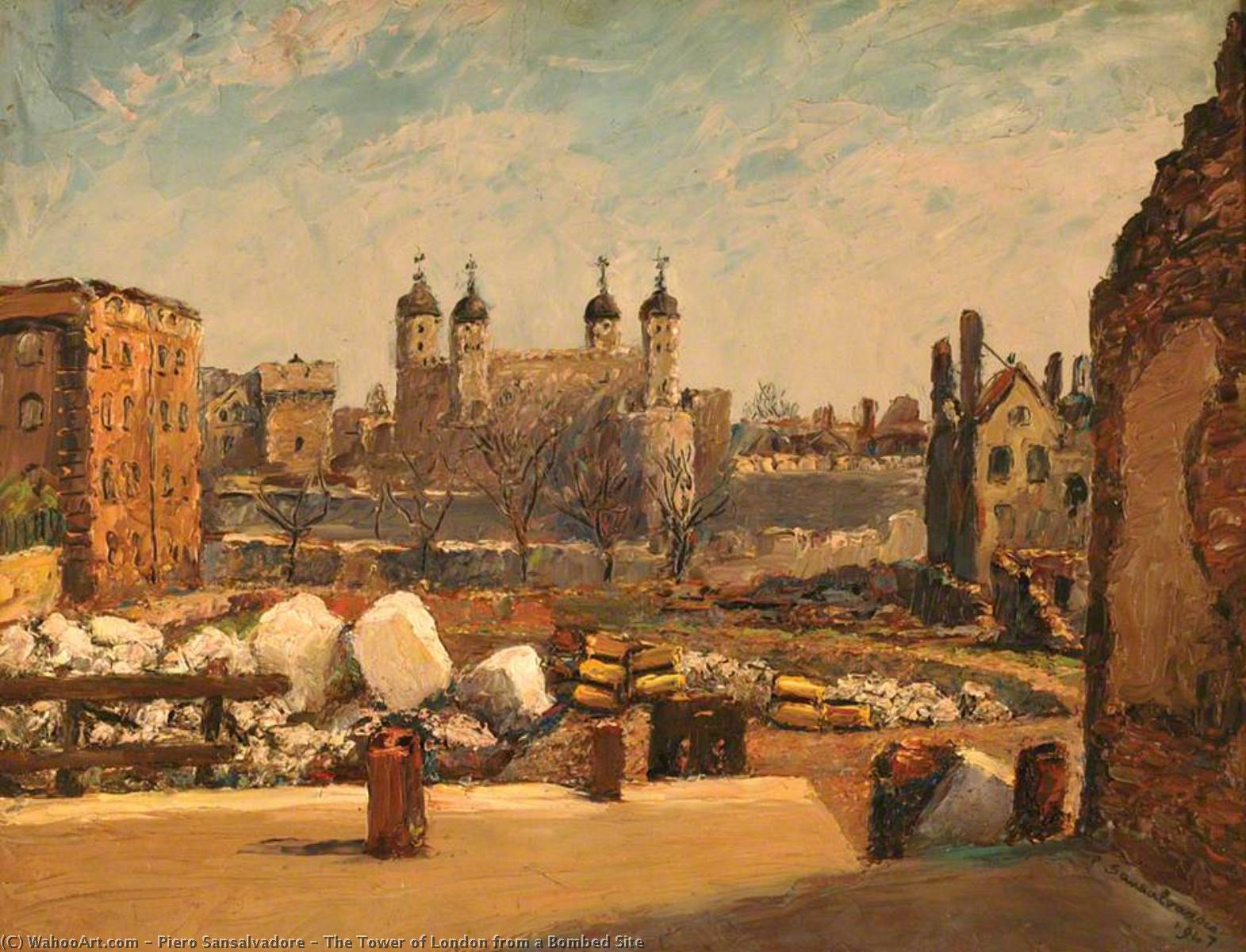
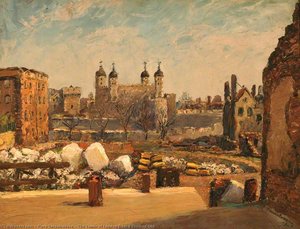
The Tower of London from a Bombed Site
 1947
1947 34.0 x 45.0 cm
 Galería de la Casa del Gremio
 Ver más
Giclée / Impresión de arte
Impresiones giclée o en lienzo de calidad de museo con producción rápida y opciones de acabado flexibles. ( Comprar pintura hecha a mano Comprar imagen)




































Elija entre nuestros tamaños predefinidos que respetan las proporciones originales de la obra.

Puede introducir sus propias dimensiones para adaptarse a un marco o espacio específico. Si el tamaño seleccionado no coincide con las proporciones de la imagen original, recortaremos la obra de arte o extenderemos la imagen con un borde con efecto espejo o de color sólido. Se enviará una maqueta digital para su aprobación antes de que comience la producción.
Tenga en cuenta que la vista previa en pantalla no refleja el recorte o la extensión real. Solo la maqueta mostrará con precisión la composición final.
Aunque existen tamaños personalizados, recomendamos seleccionar una dimensión de la lista predefinida para preservar las proporciones originales.
Envío a todo el mundo () en 2 semanas en lugar de las 4/5 semanas estándar. (28 agosto)

Envío exprés gratuito a todo el mundo

Lienzo de lino de alta calidad

Seguro de envío total

Garantía de reembolso de impuestos aduaneros

Garantía de fidelidad cromática exacta

Política de devolución de 60 días (solo por defectos)

Garantía de devolución del 100% del dinero

Descuento por cantidad
 La opción de vidrio solo está disponible en tamaños inferiores a 110 cm.

The Tower of London from a Bombed Site
Giclée / Impresión de arte
Dimensiones de la reproducción
-


Precio total final
$ 62
Obras relacionadas




Biografía del artista
The Melodic Canvas of Piero Sansalvadore
Piero Sansalvadore was a rare polymath whose creative spirit refused to be confined by a single medium. Born in Turin, Italy, on April 7, 1892, his life was a tapestry woven from the delicate strings of a violin and the rugged textures of oil paint. While he is often remembered as an Italian-born musician and writer who eventually embraced British citizenship, his true essence lay in the intersection of sound and sight. His early years were defined by musical discipline; having mastered the violin by age seven, he began composing complex works for violin and piano by the time he was seventeen. This deep-seated understanding of harmony and rhythm would later become the silent conductor of his visual artistry, lending a rhythmic vitality to every brushstroke he placed upon a panel.
The trajectory of Sansalvadore’s life was irrevocably altered by the shadows of the First World War. Having served in the conflict, he emerged with physical injuries to his head and legs, and a profound psychological struggle. It was during his recovery from a nervous breakdown that he discovered painting—a vocation that would provide a silent sanctuary for his turbulent emotions. Moving his studio from Turin to Venice in 1928, and later finding himself drawn to the vibrant energy of London in 1930, Sansalvadore began to develop a visual language that was as much about feeling as it was about form. His arrival in England marked the beginning of a transformative period where his European sensibilities met the atmospheric landscapes of the British Isles.
A Symphony of Texture and Light
Sansalvadore’s technical evolution is perhaps most striking in his departure from traditional canvas toward more intimate, tactile surfaces. He developed a distinctive method of applying paint directly onto small panels of bare wood using a palette knife. This technique allowed him to achieve a sculptural depth, creating an impasto that mirrored the physical resilience of the landscapes he sought to capture. His work often felt less like a window and able to be touched, with layers of pigment building up to create a luminous, rugged terrain. This approach drew inspiration from the Impressionist masters, yet Sansalvadore infused his work with a unique, melancholic soul that was distinctly his own.
Between 1930 and 1933, the artist found profound inspiration in the dramatic vistas of Scotland. The misty lochs and the somber grandeur of Glencoe became central themes in his repertoire. His paintings from this era, such as the evocative Trongate at Glasgow Cross, demonstrate a masterful use of muted colors and rich textures to depict the rainy, atmospheric streets of Glasgow. Whether he was capturing the iconic silhouette of St. Paul’s Cathedral from Fetter Lane or the quiet solitude of a Scottish glen, his work remained anchored in an emotional truth—a sense of connection to the natural world that resonated with the same intensity as his musical compositions.
Legacy and Artistic Significance
The significance of Piero Sansalvadore lies in his ability to bridge disparate worlds. He was an artist who could translate the ephemeral beauty of light into a physical, wooden relief, and the fleeting notes of a guitar melody into a lasting visual legacy. His exhibitions at prestigious venues such as the Royal Academy, the Fine Art Society, and the Walker Gallery cemented his reputation within the British art scene, while his etchings were celebrated in publications like Fine Prints of the Year.
Though his life ended in Turin in 1955, the echoes of his creative journey continue to resonate through the collections of institutions like the Tate and Art UK. He remains a poignant figure in early 20th-century art—a man who transformed personal hardship into a profound exploration of beauty, texture, and the enduring spirit of the landscapes he loved. His work stands as a testament to the idea that art is not merely a representation of life, but a rhythmic, textured response to the very soul of existence.
piero sansalvadore
1892 - 1955
Datos clave
- Artistic Movement Or Style: Wood panel painting
- Artists Or Movements Influenced By This Artist: ['BBC']
- Artists Who Influenced This Artist: ['']
- Date Of Birth: 1892
- Date Of Death: 1955
- Full Name: Piero Sansalvadore
- Nationality: Italian
- Notable Artworks: ['The Scottish Landscape']
- Place Of Birth: Italy

