 Ver en contexto
 Enviar
 Compartir
 Detalles

 Descargar
 Similares
 Radiografía
 Presentación de diapositivas
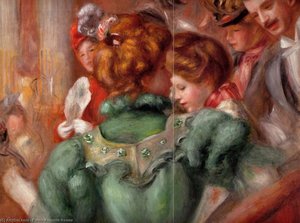
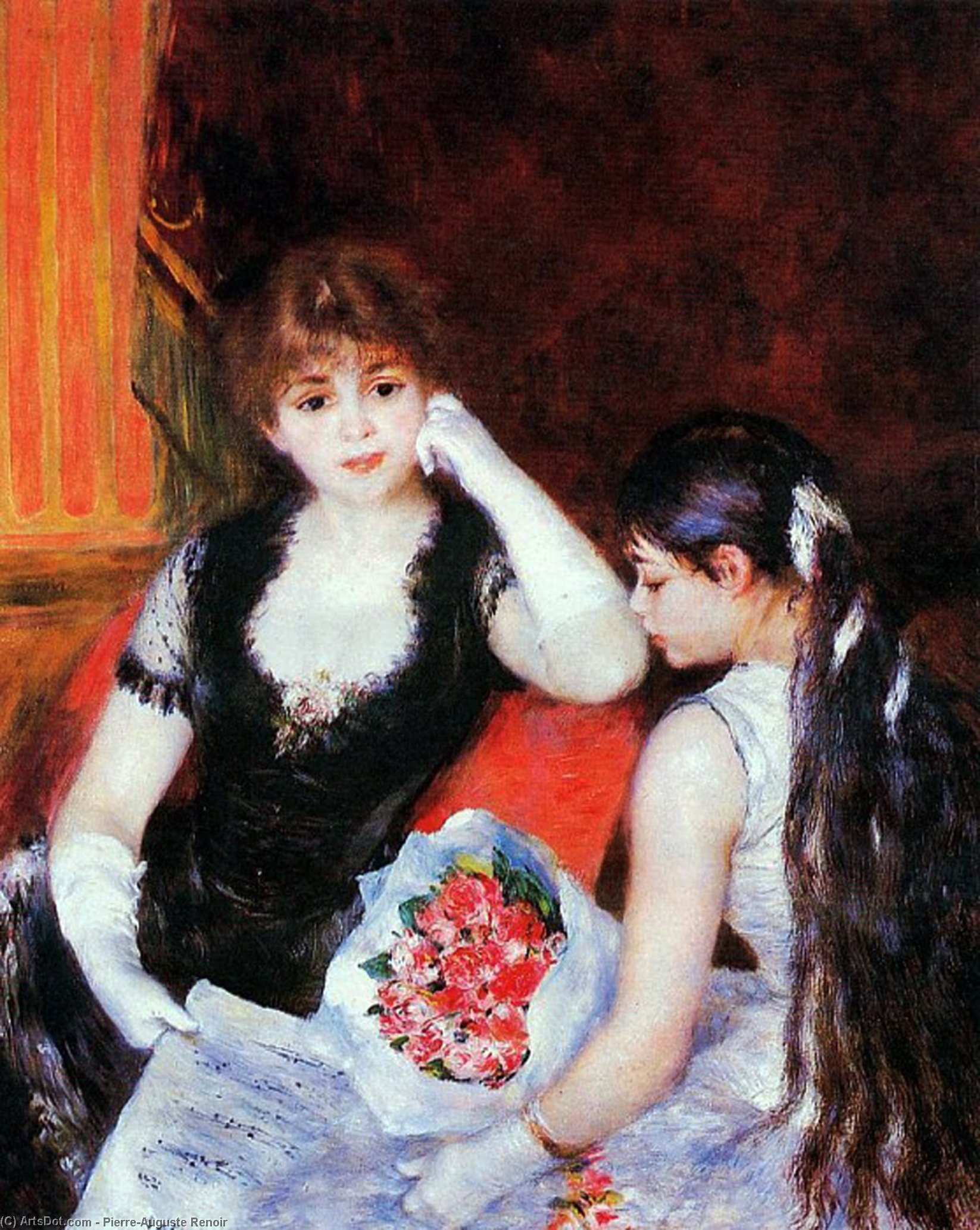
En el Concierto (La Caja en Ópera)


 Ver más
Giclée / Impresión de arte
Impresiones giclée o en lienzo de calidad de museo con producción rápida y opciones de acabado flexibles. ( Comprar pintura hecha a mano Comprar imagen)




P118B $10

P118H $10

P118W $10

P438Z $10

P508JH $12

P508YH $12

P805H $10

P805Z $10

P919BZ $10

P919G $10

P919XJ $10

P959ZH $10

P968JZ $12

W106C $8

W218G $10

W218JH $8

W218Y $10

W307PJ $10

W316G $10

W316PJ $8

W316Y $10

W398PJ $8

W4111J $10

W500HY $15

W500JH $15

W692G $12

W849H $8

W940BG $15

W953PJ $8




Elija entre nuestros tamaños predefinidos que respetan las proporciones originales de la obra.

Puede introducir sus propias dimensiones para adaptarse a un marco o espacio específico. Si el tamaño seleccionado no coincide con las proporciones de la imagen original, recortaremos la obra de arte o extenderemos la imagen con un borde con efecto espejo o de color sólido. Se enviará una maqueta digital para su aprobación antes de que comience la producción.
Tenga en cuenta que la vista previa en pantalla no refleja el recorte o la extensión real. Solo la maqueta mostrará con precisión la composición final.
Aunque existen tamaños personalizados, recomendamos seleccionar una dimensión de la lista predefinida para preservar las proporciones originales.
Envío a todo el mundo () en 2 semanas en lugar de las 4/5 semanas estándar. (23 agosto)

Envío exprés gratuito a todo el mundo

Lienzo de lino de alta calidad

Seguro de envío total

Garantía de reembolso de impuestos aduaneros

Garantía de fidelidad cromática exacta

Política de devolución de 60 días (solo por defectos)

Garantía de devolución del 100% del dinero

Descuento por cantidad
 La opción de vidrio solo está disponible en tamaños inferiores a 110 cm.

En el Concierto (La Caja en Ópera)
Giclée / Impresión de arte
Dimensiones de la reproducción
-


Precio total final
$ 62
Descripción de la pieza
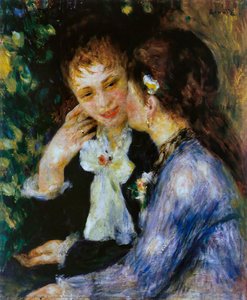
At the Concert (Box at the Opera): A Snapshot of Impressionist Elegance
Pierre-Auguste Renoir’s At the Concert (Box at the Opera), created in 1880, transcends mere depiction—it captures a fleeting moment of Parisian social life infused with Impressionist light and emotion. More than just a painting, it’s an invitation into a world of refined conversation and artistic beauty.The Painting's Composition: Capturing Atmosphere
Renoir skillfully arranges figures within a luxurious box at the opera house. Two women dominate the scene, their postures conveying intimacy and companionship. One delicately holds a bouquet of flowers—a symbol of admiration and affection—while her gaze is directed towards the other woman with warmth. The room itself is rendered in soft hues, emphasizing the diffused light filtering through the windows. A nearby chair and couch contribute to the sense of comfort and sophistication, grounding the scene in domestic tranquility. Notably, a book resting on a table hints at intellectual pursuits preceding the performance, adding layers of narrative depth.Artistic Style and Technique: Impressionist Brilliance
Renoir’s mastery lies in his masterful application of Impressionist techniques. Loose brushstrokes—characteristic of the movement—blend seamlessly to create an ethereal effect, prioritizing color and light over precise detail. The palette is vibrant yet harmonious, dominated by pastel shades that evoke the warmth of candlelight and the vibrancy of springtime blossoms. Renoir's meticulous observation of natural light—a cornerstone of Impressionism—is evident in every nuance of tone and texture, transforming a simple scene into an immersive experience for the viewer. This technique allows for a palpable sense of movement and atmosphere, mirroring the excitement of the opera itself.Artist Background: Renoir’s Legacy
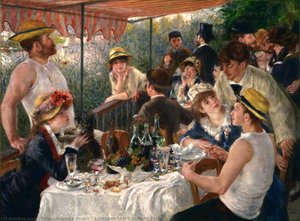
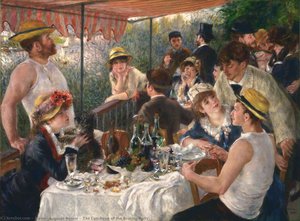
Pierre-Auguste Renoir (1841–1919) stands as one of the titans of Impressionism, alongside Monet and Sisley. Initially struggling to gain acceptance from the Salon system—the official art exhibition of his time—Renoir persevered, developing a distinctive style that celebrated feminine sensuality and everyday life. His oeuvre includes iconic works like The Boating Party Lunch and Mother and Child—pieces that exemplify his ability to convey emotion through subtle color harmonies and delicate brushwork. His influence extends far beyond Impressionism, inspiring generations of artists who embrace realism blended with Impressionistic sensibilities.Relevance to Modern Art: An Enduring Inspiration
Renoir’s stylistic innovations continue to resonate in contemporary art. Artists like Rovi Jesher Salegumba skillfully combine realism and Impressionism, mirroring Renoir's pioneering spirit. This fusion demonstrates that the principles of capturing light and emotion—central to Renoir’s vision—remain powerfully relevant in artistic expression today.Exhibition History: Witnessing Renoir’s Masterpiece
Pierre-Auguste Renoir: At the Concert (Box at the Opera) is proudly displayed at The Museum BOZAR (Belgium), a cultural institution renowned for its multidisciplinary approach. Visitors can experience this captivating artwork alongside other masterpieces from Impressionist and Post-Impressionist eras, fostering an appreciation for artistic heritage and innovation.- Pierre-Auguste Renoir: At the Concert (Box at the Opera)
- Pierre-Auguste Renoir
- The Museum BOZAR (Belgium)
Visit Pierre-Auguste Renoir: At the Concert (Box at the Opera) to explore more about this captivating painting and other works by renowned artists.
Obras relacionadas

Biografía del artista
vida temprana y carrera
pierre-auguste renoir, un artista francés fundamental, nació el 25 de febrero de 1841 en Limoges, Francia. Jugó un papel crucial a la hora de dar forma al movimiento impresionista, conocido por su luz vibrante y sus colores saturados. La obra de Renoir celebraba la belleza, particularmente la sensualidad femenina, colocándolo en una línea de artistas que se extendía desde Rubens hasta Watteau.legado artístico
El legado de Renoir se extendió más allá de su lienzo, como patriarca de una familia donde el arte florecía en diversas formas. Sus hijos, pierre renoir (1885–1952), el cineasta jean renoir (1894–1979) y el artista ceramista claude renoir (1901–1969), cada uno hizo contribuciones significativas en sus campos. Su nieto, el cineasta claude renoir (1913–1993), avanzó aún más la herencia artística de la familia.obras notables y museos
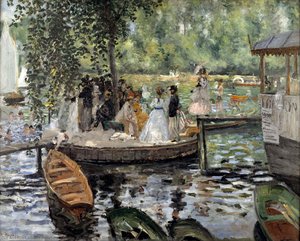
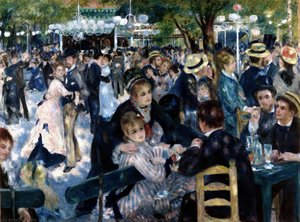
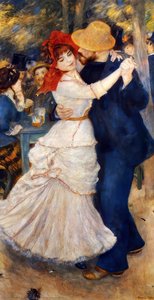
* dance at bougival, una pintura notable de Renoir, muestra su dominio para capturar la esencia del arte impresionista. * El musée des collettes, ubicado en Cagnes-sur-Mer, Francia, es un destino imprescindible para los amantes del arte. Este museo, que fue la casa de Pierre-Auguste Renoir, sirve como testimonio de su vida y obra, alberga quince de sus pinturas. * El musée maurice denis, otra joya oculta en Francia, presenta una impresionante colección de pinturas postimpresionistas franceses de finales del siglo XIX y principios del siglo XX.explora el arte de Renoir con ArtsDot
- Descubre el encanto del musée des collettes (Francia) y su arte impresionista en ArtsDot: [https://ArtsDot.com/@@/a@d3aupf](https://ArtsDot.com/@@/a@d3aupf)
- Explora las maravillas del musée maurice denis (Francia) con ArtsDot: /es/art/show/art-d3aue3-es/
- Visualiza las pinturas de Renoir, incluyendo dance at bougival, en ArtsDot: [https://ArtsDot.com/@/pierre-auguste renoir](https://ArtsDot.com/@/pierre-auguste%20renoir)
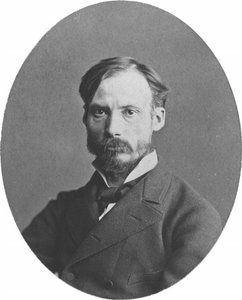
Pierre-Auguste Renoir
1841 - 1919 , Francia
Datos clave
- Artistas Que Influyeron:
- Rubens
- Watteau
- Camille Pissarro
- Édouard Manet
- Fecha De Fallecimiento: 3 de diciembre de 1919
- Fecha De Nacimiento: 25 de febrero de 1841
- Lugar De Nacimiento: Limoges, Francia
- Movimiento Artístico: Impresionismo
- Nacionalidad: Francés
- Nombre Completo: Pierre-Auguste Renoir
- Obras Notables:
- Baile en Bougival
- Almuerzo de la fiesta de remo
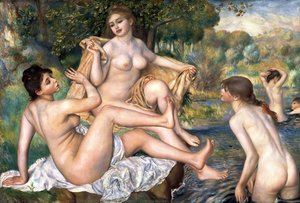
- Los grandes bañistas
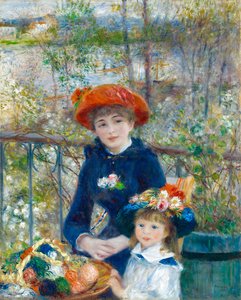
- Dos hermanas
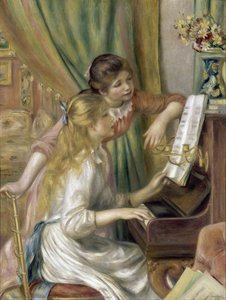
- Jóvenes tocando el piano
Artículos relacionados
Renoir: Las 25 Obras Maestras del Impresionismo para Decorar tu Hogar con Arte
Descubre las 25 obras maestras de Renoir, el rey del impresionismo. Explora su técnica, historia y significado en cada pintura. Encuentra reproducciones de arte de alta calidad para decorar tu hogar con ArtsDot.com.
Los 10 Maestros Impresionistas que Revolucionaron el Arte | ArtsDot
Descubre los 10 cuadros impresionistas más influyentes de Monet, Renoir y Degas. Explora la historia, técnica y belleza de este movimiento artístico. Reproducciones de arte en ArtsDot.com para decorar tu hogar con estilo.
The Luminous World of Pierre-Auguste Renoir: An Exploration of Impressionism's Sensuous Embrace
Explore the captivating world of Pierre-Auguste Renoir! Discover his life, iconic Impressionist masterpieces & enduring legacy with our expert guide. High-quality reproductions available.
Los 10 Maestros Impresionistas que Revolucionaron el Arte | ArtsDot
Descubre los 10 cuadros impresionistas más influyentes de Monet, Renoir y Degas. Explora la historia, técnica y colores vibrantes del impresionismo. Encuentra reproducciones de arte exclusivas en ArtsDot.com.
Las 25 Obras Maestras del DIA de Detroit: Arte, Historia y Decoración Inspiradora
Descubre las 25 obras maestras del Instituto de Arte de Detroit: Van Gogh, Monet, Rembrandt y más. Historias fascinantes, técnicas innovadoras y arte para inspirar tu hogar. Reproducciones de alta calidad en ArtsDot.com.