 Ver en contexto
 Enviar
 Compartir
 Detalles

 Descargar
 Similares
 Radiografía
 Presentación de diapositivas
 Estadísticas
Landscape 16

 Ver más
Reproducción al óleo hecha a mano
Óleo sobre lienzo pintado a mano en el tamaño y marco de su elección, realizado por encargo por nuestros artistas. ( Cambiar a Impresión Cambiar a imagen digital)




P118B $10

P118H $10

P118W $10

P438Z $10

P508JH $12

P508YH $12

P805H $10

P805Z $10

P919BZ $10

P919G $10

P919XJ $10

P959ZH $10

P968JZ $12

W106C $8

W218G $10

W218JH $8

W218Y $10

W307PJ $10

W316G $10

W316PJ $8

W316Y $10

W398PJ $8

W4111J $10

W500HY $15

W500JH $15

W692G $12

W849H $8

W940BG $15

W953PJ $8




Elija entre nuestros tamaños predefinidos que respetan las proporciones originales de la obra.

Puede ingresar sus propias dimensiones para adaptarse a un marco o espacio específico. Si el tamaño seleccionado no coincide con las proporciones de la imagen original, recortaremos la obra o extenderemos la pintura con elementos adicionales pintados a mano. Se le enviará una maqueta digital para su aprobación antes de comenzar la producción.
Tenga en cuenta que la vista previa en pantalla no refleja el recorte o la extensión reales. Solo la maqueta mostrará con precisión la composición final.
Si bien existen tamaños personalizados, recomendamos seleccionar una dimensión de la lista predefinida para preservar las proporciones originales.
Tras realizar el pedido, el equipo de ArtsDot.com enviará un correo electrónico al cliente para solicitar instrucciones y proporcionarle una vista previa del boceto.
Envío a todo el mundo () en 3-4 semanas en lugar de las 5 semanas estándar. (9 septiembre). Sin comprometer la calidad.

Envío exprés gratuito a todo el mundo

Lienzo de lino de alta calidad

Seguro de envío total

Garantía de reembolso de impuestos aduaneros

Garantía de fidelidad cromática exacta

Política de devolución de 100 días (solo por defectos)

Garantía de devolución del 100% del dinero

Descuento por cantidad
 La opción de vidrio solo está disponible en tamaños inferiores a 110 cm.

Landscape 16
Técnica de reproducción
Dimensiones de la reproducción
-


Precio total final
$ 263
A Symphony in Rose and Light: Renoir’s “Landscape 16”
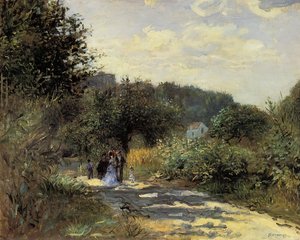
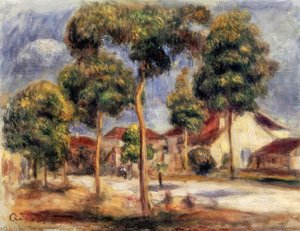
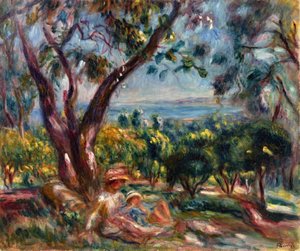
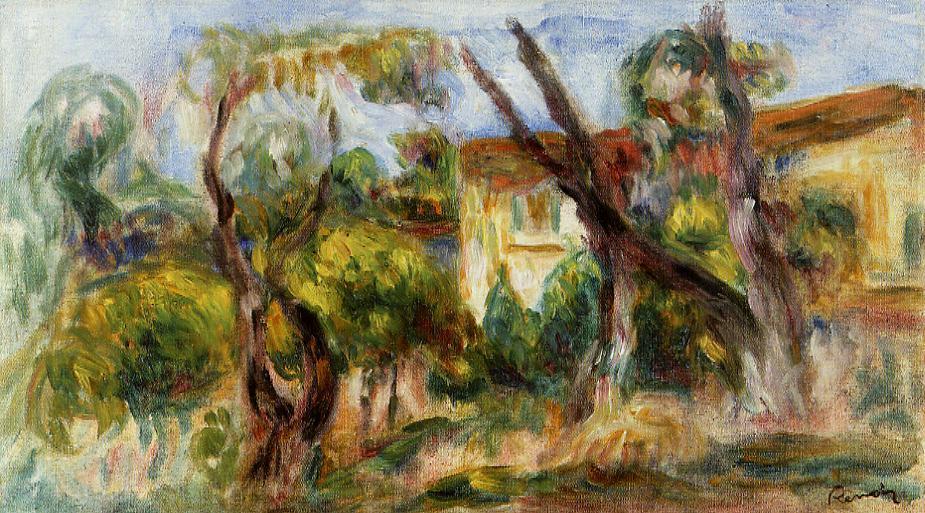
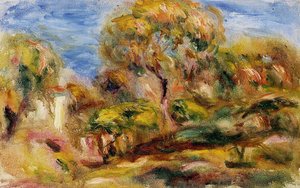
Pierre-Auguste Renoir's "Landscape 16," a captivating work housed within the Barnes Foundation, isn’t merely a depiction of a pastoral scene; it’s an immersion into a world bathed in the artist’s signature luminosity and imbued with a profound sense of serenity. Painted around 1879, during his most prolific period as an Impressionist, this canvas embodies the movement's core tenets – capturing fleeting moments of light, color, and atmosphere rather than precise representation. The painting unfolds before us like a memory, a hazy recollection of a sun-drenched afternoon spent amidst nature’s gentle embrace.
The composition is deceptively simple yet remarkably effective. A modest dwelling, rendered in soft, muted tones, nestles within a verdant landscape dominated by a cluster of trees – primarily willows and poplars – their leaves shimmering with an almost ethereal glow. The sky above isn’t a uniform blue but rather a shifting tapestry of pinks, peaches, and pale blues, reflecting the warm light filtering through the foliage. Renoir masterfully employs broken brushstrokes—tiny dabs of color applied side-by-side—to create this effect, mimicking the way sunlight scatters and dances across surfaces. This technique, crucial to Impressionism, allows the eye to blend the colors optically, resulting in a vibrant, almost luminous quality.
The Painter’s Palette: Technique and Style
Renoir's brushwork is characterized by its spontaneity and freedom. He wasn’t concerned with meticulously detailing every leaf or branch; instead, he prioritized capturing the *impression* of the scene – the feeling of warmth, light, and tranquility. Notice how he uses a lighter palette in the foreground to create depth and draw the viewer into the painting. The trees recede slightly, their colors becoming softer and more diffused as they move further back. This skillful use of color and perspective contributes significantly to the overall sense of atmosphere.
The painting’s style firmly aligns with Impressionism, a movement that sought to break away from the rigid academic traditions of the time. Renoir, along with Monet and others, rejected the emphasis on realistic representation in favor of capturing the subjective experience of seeing – the way light and color affect our perception. “Landscape 16” exemplifies this shift, prioritizing mood and feeling over precise detail.
A Glimpse into a Parisian Life
To understand "Landscape 16," it’s helpful to consider Renoir's life during this period. He was deeply rooted in the vibrant artistic community of Paris, constantly seeking inspiration from the city’s streets, cafes, and gardens. This painting likely depicts a scene observed near his studio or perhaps a memory of a leisurely afternoon spent escaping the bustle of urban life. The modest dwelling suggests a connection to rural France, a theme that frequently appeared in Renoir's work – often imbued with a sense of nostalgia and idealized beauty.
Interestingly, this landscape shares stylistic similarities with works by John Neagle, an American portrait painter known for his psychological insight and dazzling brushwork. Both artists employed a similar technique of capturing light and atmosphere, albeit with distinct approaches. The influence of Neagle’s work on Renoir's style is a fascinating example of artistic cross-pollination.
Symbolism and Emotional Resonance
Beyond its technical brilliance, “Landscape 16” resonates deeply with viewers due to its inherent symbolism. The warm colors evoke feelings of comfort, peace, and contentment – qualities that were particularly appealing during the anxieties of the late 19th century. The presence of the dwelling suggests a connection to home, family, and community. The painting’s overall mood is one of quiet contemplation, inviting us to slow down, appreciate the beauty of nature, and find solace in simple pleasures.
Furthermore, research into similar works by Renoir and other Impressionist painters reveals a shared interest in capturing the fleeting moments of everyday life. As evidenced by articles exploring “Impressionism’s Legacy” and “Tranquil Masterpieces,” artists sought to translate their subjective experiences onto canvas, creating works that are both visually stunning and emotionally evocative. Reproductions of "Landscape 16" offer a wonderful opportunity to bring this timeless masterpiece into your own home, allowing you to experience its beauty and serenity firsthand.
Obras relacionadas
Biografía del artista
vida temprana y carrera
pierre-auguste renoir, un artista francés fundamental, nació el 25 de febrero de 1841 en Limoges, Francia. Jugó un papel crucial a la hora de dar forma al movimiento impresionista, conocido por su luz vibrante y sus colores saturados. La obra de Renoir celebraba la belleza, particularmente la sensualidad femenina, colocándolo en una línea de artistas que se extendía desde Rubens hasta Watteau.legado artístico
El legado de Renoir se extendió más allá de su lienzo, como patriarca de una familia donde el arte florecía en diversas formas. Sus hijos, pierre renoir (1885–1952), el cineasta jean renoir (1894–1979) y el artista ceramista claude renoir (1901–1969), cada uno hizo contribuciones significativas en sus campos. Su nieto, el cineasta claude renoir (1913–1993), avanzó aún más la herencia artística de la familia.obras notables y museos
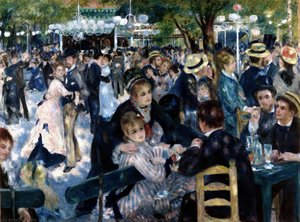
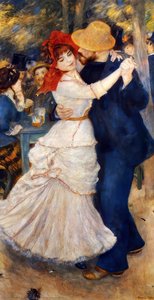
* dance at bougival, una pintura notable de Renoir, muestra su dominio para capturar la esencia del arte impresionista. * El musée des collettes, ubicado en Cagnes-sur-Mer, Francia, es un destino imprescindible para los amantes del arte. Este museo, que fue la casa de Pierre-Auguste Renoir, sirve como testimonio de su vida y obra, alberga quince de sus pinturas. * El musée maurice denis, otra joya oculta en Francia, presenta una impresionante colección de pinturas postimpresionistas franceses de finales del siglo XIX y principios del siglo XX.explora el arte de Renoir con ArtsDot
- Descubre el encanto del musée des collettes (Francia) y su arte impresionista en ArtsDot: [https://ArtsDot.com/@@/a@d3aupf](https://ArtsDot.com/@@/a@d3aupf)
- Explora las maravillas del musée maurice denis (Francia) con ArtsDot: /es/art/show/art-d3aue3-es/
- Visualiza las pinturas de Renoir, incluyendo dance at bougival, en ArtsDot: [https://ArtsDot.com/@/pierre-auguste renoir](https://ArtsDot.com/@/pierre-auguste%20renoir)
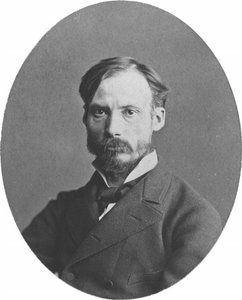
Pierre-Auguste Renoir
1841 - 1919 , Francia
Datos clave
- Artistas Que Influyeron:
- Rubens
- Watteau
- Camille Pissarro
- Édouard Manet
- Fecha De Fallecimiento: 3 de diciembre de 1919
- Fecha De Nacimiento: 25 de febrero de 1841
- Lugar De Nacimiento: Limoges, Francia
- Movimiento Artístico: Impresionismo
- Nacionalidad: Francés
- Nombre Completo: Pierre-Auguste Renoir
- Obras Notables:
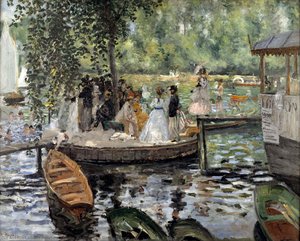
- Baile en Bougival
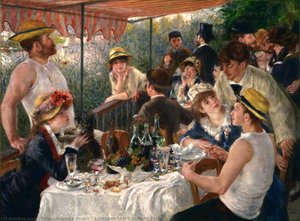
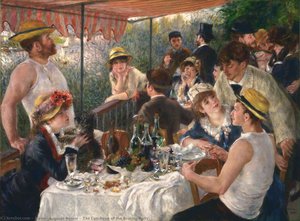
- Almuerzo de la fiesta de remo
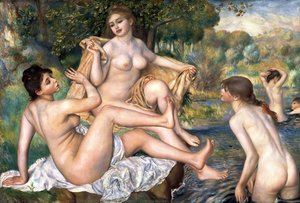
- Los grandes bañistas
- Dos hermanas
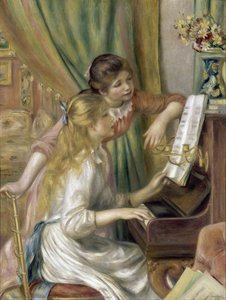
- Jóvenes tocando el piano
Artículos relacionados

Paul Cézanne: Las 25 Obras Maestras que Definieron el Arte Moderno | ArtsDot
Descubre las 25 obras maestras de Paul Cézanne que revolucionaron el arte moderno. Explora su técnica, inspiración y significado en paisajes, bodegones y retratos. Reproducciones de alta calidad para decorar tu hogar con arte inolvidable. ¡Explora la colección completa en ArtsDot.com!

Evocations of Place: A Historical Journey Through Landscape Art
Explore the rich history of landscape art with ArtsDot. Discover renowned artists, movements like Impressionism & tonalism, and expert guidance for collecting timeless pieces. Find your perfect serene escape today!

Los 10 Maestros del Paisaje Impresionista: Obras que Cambiaron la Historia del Arte
Descubre los 10 lienzos impresionistas que revolucionaron el arte. Monet, Renoir y más… Explora la historia, técnica y belleza de cada obra maestra. Encuentra reproducciones de alta calidad para tu hogar en ArtsDot.com.

Evocations of Place: A Historical Journey Through Landscape Art
Explore the rich history of landscape art with ArtsDot. Discover renowned artists, movements like Impressionism & Romanticism, and expert guidance for collecting timeless pieces. Find your perfect serene escape today!

Renoir: Las 25 Obras Maestras del Impresionismo para Decorar tu Hogar con Arte
Descubre las 25 obras maestras de Renoir, el rey del impresionismo. Explora su técnica, historia y significado en cada pintura. Encuentra reproducciones de arte de alta calidad para decorar tu hogar con ArtsDot.com.