 Ver en contexto
 Enviar
 Compartir
 Detalles

 Descargar
 Similares
 Radiografía
 Presentación de diapositivas
 Estadísticas
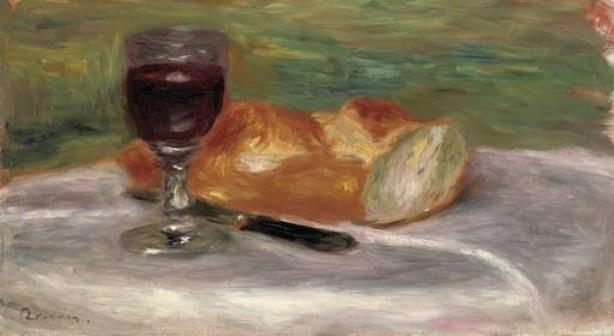
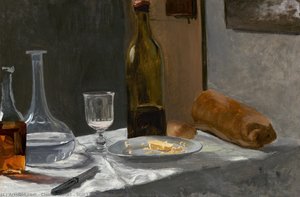
Le verre de vin


 Ver más
Reproducción al óleo hecha a mano
Óleo sobre lienzo pintado a mano en el tamaño y marco de su elección, realizado por encargo por nuestros artistas. ( Cambiar a Impresión Cambiar a imagen digital)




P118B $10

P118H $10

P118W $10

P438Z $10

P508JH $12

P508YH $12

P805H $10

P805Z $10

P919BZ $10

P919G $10

P919XJ $10

P959ZH $10

P968JZ $12

W106C $8

W218G $10

W218JH $8

W218Y $10

W307PJ $10

W316G $10

W316PJ $8

W316Y $10

W398PJ $8

W4111J $10

W500HY $15

W500JH $15

W692G $12

W849H $8

W940BG $15

W953PJ $8




Elija entre nuestros tamaños predefinidos que respetan las proporciones originales de la obra.

Puede ingresar sus propias dimensiones para adaptarse a un marco o espacio específico. Si el tamaño seleccionado no coincide con las proporciones de la imagen original, recortaremos la obra o extenderemos la pintura con elementos adicionales pintados a mano. Se le enviará una maqueta digital para su aprobación antes de comenzar la producción.
Tenga en cuenta que la vista previa en pantalla no refleja el recorte o la extensión reales. Solo la maqueta mostrará con precisión la composición final.
Si bien existen tamaños personalizados, recomendamos seleccionar una dimensión de la lista predefinida para preservar las proporciones originales.
Tras realizar el pedido, el equipo de ArtsDot.com enviará un correo electrónico al cliente para solicitar instrucciones y proporcionarle una vista previa del boceto.
Envío a todo el mundo () en 3-4 semanas en lugar de las 5 semanas estándar. (9 septiembre). Sin comprometer la calidad.

Envío exprés gratuito a todo el mundo

Lienzo de lino de alta calidad

Seguro de envío total

Garantía de reembolso de impuestos aduaneros

Garantía de fidelidad cromática exacta

Política de devolución de 100 días (solo por defectos)

Garantía de devolución del 100% del dinero

Descuento por cantidad
 La opción de vidrio solo está disponible en tamaños inferiores a 110 cm.

Le verre de vin
Técnica de reproducción
Dimensiones de la reproducción
-


Precio total final
$ 263
A Moment of Quietude: Renoir's "Le verre de vin"
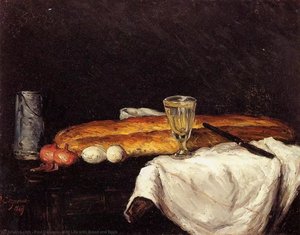
Pierre-Auguste Renoir’s “Le verre de vin,” a deceptively simple depiction of a table setting, offers a profound glimpse into the heart of Impressionism – a movement defined not just by its revolutionary techniques but also by its ability to capture fleeting moments of everyday life with remarkable sensitivity. This painting, rendered with Renoir's signature mastery of light and color, invites us to pause and contemplate the quiet beauty found in the most ordinary scenes. The composition is remarkably focused; a table dominates the canvas, upon which rests a wine glass, accompanied by two slices of bread – objects that, through Renoir’s skilled hand, transform into symbols of conviviality and perhaps even nostalgia.
Impressionistic Technique and Light's Dance
- Color Palette: Renoir employs a delicate palette dominated by soft pinks, muted greens, and warm browns. These colors aren’t applied with harsh strokes but rather blended to create an atmospheric effect, characteristic of Impressionism’s pursuit of capturing the transient qualities of light.
- Brushwork: The brushstrokes are loose and visible, contributing to the painting's sense of immediacy and movement. Renoir deliberately avoids sharp outlines, allowing the colors to merge and creating a shimmering surface that reflects the ambient light.
- Light and Shadow: The artist’s masterful manipulation of light and shadow is central to the work’s appeal. Notice how the sunlight illuminates the wine glass and bread, casting subtle shadows that define their forms and add depth to the scene. This technique wasn't merely about realism; it was about conveying an *impression* of light – a core tenet of Impressionism.
Symbolic Resonance and Parisian Life
Painted during Renoir’s peak creative period, “Le verre de vin” reflects the vibrant atmosphere of late 19th-century Paris. The scene evokes a sense of leisurely enjoyment – a moment shared over wine and bread, a common occurrence in the bustling cafes and salons of the city. While seemingly straightforward, the painting subtly speaks to themes of social connection and the appreciation of simple pleasures. The inclusion of the bread, often associated with sustenance and hospitality, further enhances this symbolic reading.
Historical Context: Renoir and the Impressionists
Renoir was a key figure in the Impressionist movement, alongside artists like Monet and Degas. Rejecting the academic traditions of the Salon, the Impressionists sought to capture the effects of light and atmosphere directly from nature, often painting *en plein air* (outdoors). “Le verre de vin” exemplifies this approach, demonstrating Renoir’s commitment to observing and recording his immediate surroundings with honesty and spontaneity. This work aligns perfectly with the movement's broader goal of portraying modern life in a new and innovative way.
Emotional Impact and Artistic Value
"Le verre de vin" is more than just a depiction of a table setting; it’s an invitation to experience a moment of tranquility. Renoir's ability to evoke a sense of warmth, comfort, and quiet contemplation makes this painting a timeless masterpiece. A hand-painted reproduction offers the opportunity to bring this exquisite work into your home, adding a touch of Impressionistic elegance and capturing the enduring beauty of a simple scene.
Obras relacionadas
Biografía del artista
vida temprana y carrera
pierre-auguste renoir, un artista francés fundamental, nació el 25 de febrero de 1841 en Limoges, Francia. Jugó un papel crucial a la hora de dar forma al movimiento impresionista, conocido por su luz vibrante y sus colores saturados. La obra de Renoir celebraba la belleza, particularmente la sensualidad femenina, colocándolo en una línea de artistas que se extendía desde Rubens hasta Watteau.legado artístico
El legado de Renoir se extendió más allá de su lienzo, como patriarca de una familia donde el arte florecía en diversas formas. Sus hijos, pierre renoir (1885–1952), el cineasta jean renoir (1894–1979) y el artista ceramista claude renoir (1901–1969), cada uno hizo contribuciones significativas en sus campos. Su nieto, el cineasta claude renoir (1913–1993), avanzó aún más la herencia artística de la familia.obras notables y museos
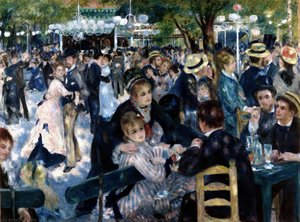
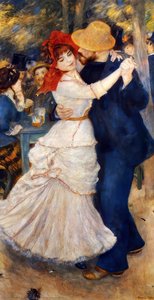
* dance at bougival, una pintura notable de Renoir, muestra su dominio para capturar la esencia del arte impresionista. * El musée des collettes, ubicado en Cagnes-sur-Mer, Francia, es un destino imprescindible para los amantes del arte. Este museo, que fue la casa de Pierre-Auguste Renoir, sirve como testimonio de su vida y obra, alberga quince de sus pinturas. * El musée maurice denis, otra joya oculta en Francia, presenta una impresionante colección de pinturas postimpresionistas franceses de finales del siglo XIX y principios del siglo XX.explora el arte de Renoir con ArtsDot
- Descubre el encanto del musée des collettes (Francia) y su arte impresionista en ArtsDot: [https://ArtsDot.com/@@/a@d3aupf](https://ArtsDot.com/@@/a@d3aupf)
- Explora las maravillas del musée maurice denis (Francia) con ArtsDot: /es/art/show/art-d3aue3-es/
- Visualiza las pinturas de Renoir, incluyendo dance at bougival, en ArtsDot: [https://ArtsDot.com/@/pierre-auguste renoir](https://ArtsDot.com/@/pierre-auguste%20renoir)
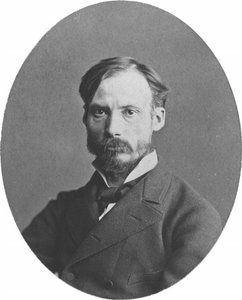
Pierre-Auguste Renoir
1841 - 1919 , Francia
Datos clave
- Artistas Que Influyeron:
- Rubens
- Watteau
- Camille Pissarro
- Édouard Manet
- Fecha De Fallecimiento: 3 de diciembre de 1919
- Fecha De Nacimiento: 25 de febrero de 1841
- Lugar De Nacimiento: Limoges, Francia
- Movimiento Artístico: Impresionismo
- Nacionalidad: Francés
- Nombre Completo: Pierre-Auguste Renoir
- Obras Notables:
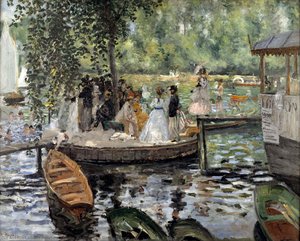
- Baile en Bougival
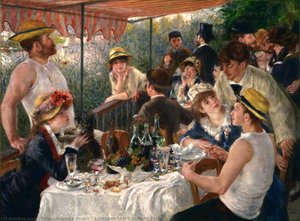
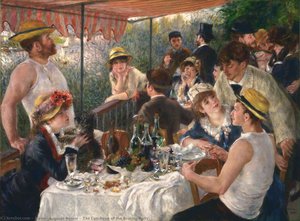
- Almuerzo de la fiesta de remo
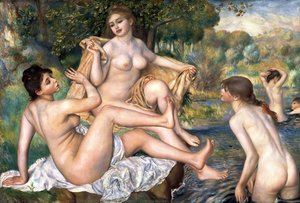
- Los grandes bañistas
- Dos hermanas
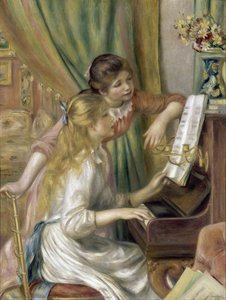
- Jóvenes tocando el piano
Artículos relacionados
Charles Le Brun: Master of French Baroque Classicism & His Enduring Legacy
Explore the life & art of Charles Le Brun, master of French Baroque Classicism. Discover his royal commissions, influence on Versailles, and enduring legacy through detailed analysis & stunning artworks.
Los 10 Maestros del Paisaje Impresionista: Obras que Cambiaron la Historia del Arte
Descubre los 10 lienzos impresionistas que revolucionaron el arte. Explora la historia de Monet, Van Gogh y Renoir, sus técnicas y colores vibrantes. Encuentra reproducciones de alta calidad para decorar tu hogar en ArtsDot.com
Renoir: Las 25 Obras Maestras del Impresionismo para Decorar tu Hogar con Arte
Descubre las 25 obras maestras de Renoir, el rey del impresionismo. Explora su técnica, historia y significado en cada pintura. Encuentra reproducciones de arte de alta calidad para decorar tu hogar con ArtsDot.com.

Goya: Las 25 Obras Maestras del Genio Español | Reproducciones de Arte en ArtsDot
Descubre las 25 obras maestras de Goya, el genio español. Explora retratos icónicos, 'Los Caprichos' y 'Las Pinturas Negras'. Reproducciones de arte en lienzo de alta calidad para decorar tu hogar con estilo. ¡Encuentra tu obra favorita en ArtsDot.com!

Acerca de nosotros
Descubre nuestra historia! Llevamos el arte de clase mundial a tu vida gracias a una selección experta, creaciones personalizadas y vistas previas gratuitas. Aprobado por particulares y empresas desde el año 2000.