 Ver en contexto
 Enviar
 Compartir
 Detalles

 Descargar
 Similares
 Radiografía
 Presentación de diapositivas
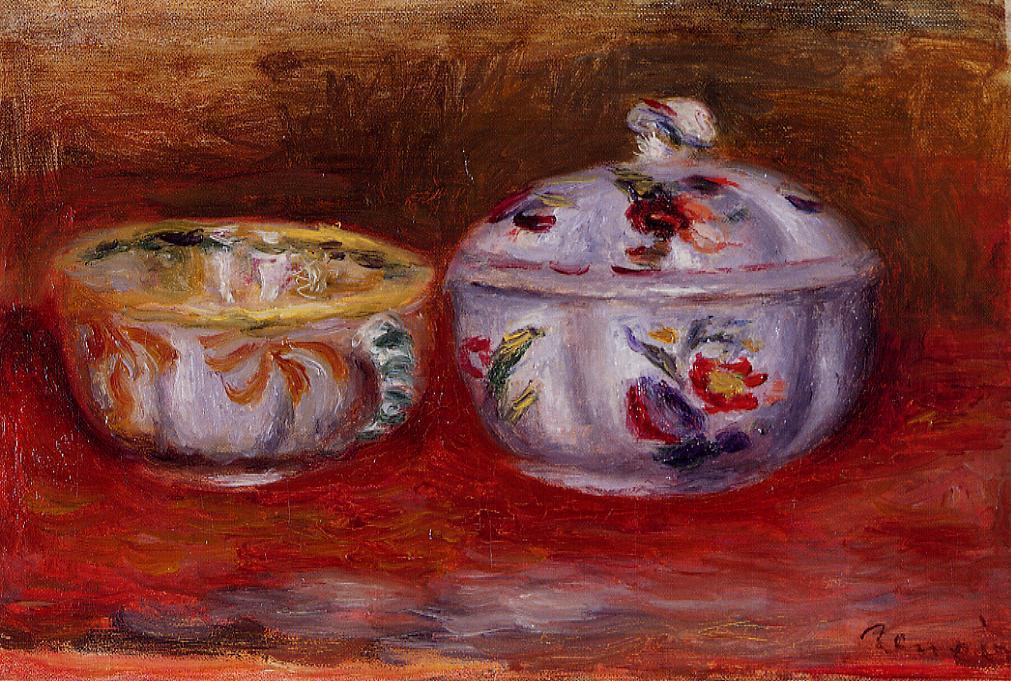
Naturaleza muerta con frutero


 Ver más
Giclée / Impresión de arte
Impresiones giclée o en lienzo de calidad de museo con producción rápida y opciones de acabado flexibles. ( Comprar pintura hecha a mano Comprar imagen)




P118B $10

P118H $10

P118W $10

P438Z $10

P508JH $12

P508YH $12

P805H $10

P805Z $10

P919BZ $10

P919G $10

P919XJ $10

P959ZH $10

P968JZ $12

W106C $8

W218G $10

W218JH $8

W218Y $10

W307PJ $10

W316G $10

W316PJ $8

W316Y $10

W398PJ $8

W4111J $10

W500HY $15

W500JH $15

W692G $12

W849H $8

W940BG $15

W953PJ $8




Elija entre nuestros tamaños predefinidos que respetan las proporciones originales de la obra.

Puede introducir sus propias dimensiones para adaptarse a un marco o espacio específico. Si el tamaño seleccionado no coincide con las proporciones de la imagen original, recortaremos la obra de arte o extenderemos la imagen con un borde con efecto espejo o de color sólido. Se enviará una maqueta digital para su aprobación antes de que comience la producción.
Tenga en cuenta que la vista previa en pantalla no refleja el recorte o la extensión real. Solo la maqueta mostrará con precisión la composición final.
Aunque existen tamaños personalizados, recomendamos seleccionar una dimensión de la lista predefinida para preservar las proporciones originales.
Envío a todo el mundo () en 2 semanas en lugar de las 4/5 semanas estándar. (26 agosto)

Envío exprés gratuito a todo el mundo

Lienzo de lino de alta calidad

Seguro de envío total

Garantía de reembolso de impuestos aduaneros

Garantía de fidelidad cromática exacta

Política de devolución de 60 días (solo por defectos)

Garantía de devolución del 100% del dinero

Descuento por cantidad
 La opción de vidrio solo está disponible en tamaños inferiores a 110 cm.

Naturaleza muerta con frutero
Giclée / Impresión de arte
Dimensiones de la reproducción
-


Precio total final
$ 62
Descripción de la pieza
Still Life with Fruit Bowl: An Impressionist Masterpiece
Pierre-Auguste Renoir’s “Still Life with Fruit Bowl” stands as a quintessential embodiment of Impressionism, capturing not merely the visual appearance of objects but also the ephemeral quality of light and atmosphere—a characteristic that defines this revolutionary artistic movement.
Subject Matter and Composition
The painting depicts two elegant white porcelain bowls resting upon a tabletop. One bowl is noticeably larger than the other, positioned on the left side of the composition, while the smaller bowl sits closer to the right edge. Delicate floral motifs adorn the interior surface of the larger bowl, adding a subtle textural element and hinting at themes of femininity and grace. Scattered around the table are several ripe apples and oranges—symbols of abundance and vitality—further enriching the visual narrative.
Style and Technique – Embracing Fleeting Light
Renoir’s masterful technique exemplifies the Impressionist ethos. Loose, expressive brushstrokes dominate the canvas, eschewing meticulous detail in favor of conveying the sensation of light as it dances across surfaces. The artist employs a warm, earthy palette—primarily ochre, Sienna and Burnt Umber—to create depth and luminosity. These pigments blend seamlessly together, blurring boundaries between form and color, mirroring the way our eyes perceive reality.
Historical Context – A Reaction Against Academic Tradition
"Still Life with Fruit Bowl" emerged during a period of significant artistic upheaval in France. Impressionism arose as a deliberate challenge to the rigid conventions of academic painting—characterized by idealized forms and polished surfaces—which had prevailed for decades. Artists like Renoir sought to depict scenes from everyday life, prioritizing subjective experience over objective representation. This rejection of tradition paved the way for groundbreaking innovations in color theory and artistic expression.
Symbolism – Beauty and Tranquility
Beyond its aesthetic appeal, “Still Life with Fruit Bowl” carries symbolic weight. The fruit itself represents nourishment, fertility, and the pleasures of sensory experience—themes central to Impressionist thought. The white porcelain bowls symbolize purity and refinement, reflecting Renoir’s fascination with beauty and his desire to capture fleeting moments of serenity.
Emotional Impact – Capturing a Moment in Time
Renoir's ability to evoke emotion is palpable within this artwork. The soft light and muted colors create an atmosphere of tranquility and contemplation, inviting the viewer to immerse themselves in the scene’s visual richness. Like many Impressionist paintings, “Still Life with Fruit Bowl” prioritizes capturing a particular mood—a feeling—rather than simply documenting what is seen. It's a testament to Renoir's genius that he could transform ordinary objects into vehicles for profound artistic expression.
- Where to Find Reproductions: Explore stunning high-quality reproductions at ArtsDot.com.
- Further Exploration: Delve deeper into Impressionism and Renoir’s oeuvre on Wikipedia.
- Inspired Spaces: Discover how the serene beauty of “Still Life with Fruit Bowl” can inspire interior design projects—visit ArtsDot.com for curated collections.
Obras relacionadas
Biografía del artista
vida temprana y carrera
pierre-auguste renoir, un artista francés fundamental, nació el 25 de febrero de 1841 en Limoges, Francia. Jugó un papel crucial a la hora de dar forma al movimiento impresionista, conocido por su luz vibrante y sus colores saturados. La obra de Renoir celebraba la belleza, particularmente la sensualidad femenina, colocándolo en una línea de artistas que se extendía desde Rubens hasta Watteau.legado artístico
El legado de Renoir se extendió más allá de su lienzo, como patriarca de una familia donde el arte florecía en diversas formas. Sus hijos, pierre renoir (1885–1952), el cineasta jean renoir (1894–1979) y el artista ceramista claude renoir (1901–1969), cada uno hizo contribuciones significativas en sus campos. Su nieto, el cineasta claude renoir (1913–1993), avanzó aún más la herencia artística de la familia.obras notables y museos
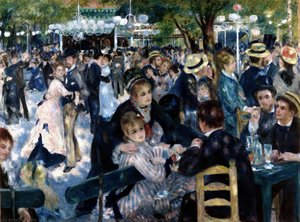
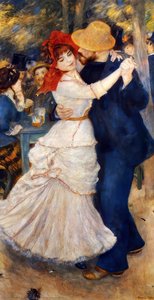
* dance at bougival, una pintura notable de Renoir, muestra su dominio para capturar la esencia del arte impresionista. * El musée des collettes, ubicado en Cagnes-sur-Mer, Francia, es un destino imprescindible para los amantes del arte. Este museo, que fue la casa de Pierre-Auguste Renoir, sirve como testimonio de su vida y obra, alberga quince de sus pinturas. * El musée maurice denis, otra joya oculta en Francia, presenta una impresionante colección de pinturas postimpresionistas franceses de finales del siglo XIX y principios del siglo XX.explora el arte de Renoir con ArtsDot
- Descubre el encanto del musée des collettes (Francia) y su arte impresionista en ArtsDot: [https://ArtsDot.com/@@/a@d3aupf](https://ArtsDot.com/@@/a@d3aupf)
- Explora las maravillas del musée maurice denis (Francia) con ArtsDot: /es/art/show/art-d3aue3-es/
- Visualiza las pinturas de Renoir, incluyendo dance at bougival, en ArtsDot: [https://ArtsDot.com/@/pierre-auguste renoir](https://ArtsDot.com/@/pierre-auguste%20renoir)
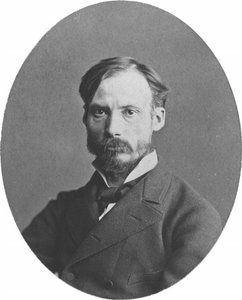
Pierre-Auguste Renoir
1841 - 1919 , Francia
Datos clave
- Artistas Que Influyeron:
- Rubens
- Watteau
- Camille Pissarro
- Édouard Manet
- Fecha De Fallecimiento: 3 de diciembre de 1919
- Fecha De Nacimiento: 25 de febrero de 1841
- Lugar De Nacimiento: Limoges, Francia
- Movimiento Artístico: Impresionismo
- Nacionalidad: Francés
- Nombre Completo: Pierre-Auguste Renoir
- Obras Notables:
- Baile en Bougival
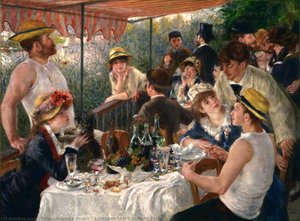
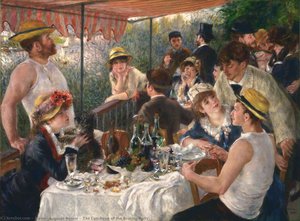
- Almuerzo de la fiesta de remo
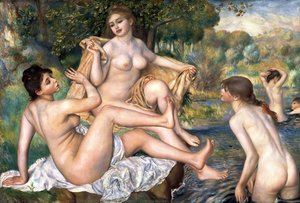
- Los grandes bañistas
- Dos hermanas
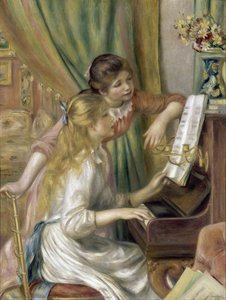
- Jóvenes tocando el piano
Artículos relacionados
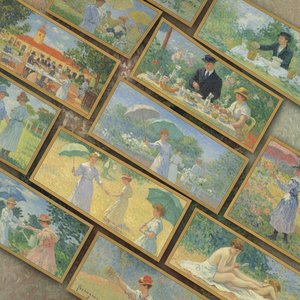
Renoir: Las 25 Obras Maestras del Impresionismo para Decorar tu Hogar con Arte
Descubre las 25 obras maestras de Renoir, el rey del impresionismo. Explora su técnica, historia y significado en cada pintura. Encuentra reproducciones de arte de alta calidad para decorar tu hogar con ArtsDot.com.

Paul Cézanne: Las 25 Obras Maestras que Definieron el Arte Moderno | ArtsDot
Descubre las 25 obras maestras de Paul Cézanne que revolucionaron el arte moderno. Explora su técnica, inspiración y significado en paisajes, bodegones y retratos. Reproducciones de alta calidad para decorar tu hogar con arte inolvidable. ¡Explora la colección completa en ArtsDot.com!

The Enduring Legacy of Oil on Canvas: Technique, History & Aesthetic Impact
Explore the rich history & techniques of oil painting – from Renaissance masters to Impressionism. Discover pigments, layering methods, and why this timeless medium endures. Expert insights for artists & art enthusiasts.
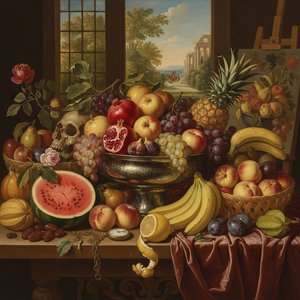
The Bountiful Still Life: Symbolism & Artistic Representation of Fruit Across Art History
Explore the rich history of still life painting & the symbolism of fruit across art movements. Discover masterpieces from Caravaggio to Cézanne with ArtsDot – expert guidance & museum-quality reproductions.
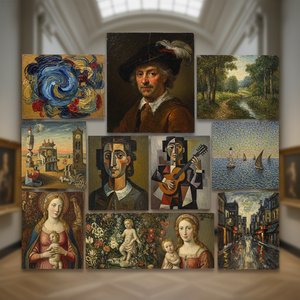
10 Obras Maestras al Óleo sobre Tabla que Revolucionaron la Historia del Arte | ArtsDot
Descubre 10 obras maestras al óleo sobre tabla que revolucionaron el arte. Explora la historia de Van Gogh, Monet y otros artistas clave. Encuentra reproducciones de alta calidad e inspírate para decorar tu hogar con ArtsDot.com.