 Ver en contexto
 Enviar
 Compartir
 Detalles

 Descargar
 Similares
 Radiografía
 Presentación de diapositivas
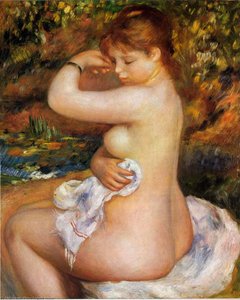
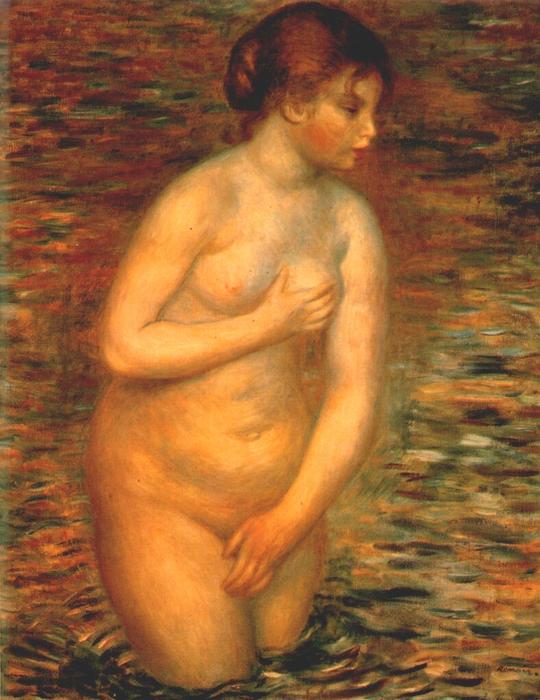
Nude in the water

 Ver más
Reproducción al óleo hecha a mano
Óleo sobre lienzo pintado a mano en el tamaño y marco de su elección, realizado por encargo por nuestros artistas. ( Comprar impresión Comprar imagen)




P118B $10

P118H $10

P118W $10

P438Z $10

P508JH $12

P508YH $12

P805H $10

P805Z $10

P919BZ $10

P919G $10

P919XJ $10

P959ZH $10

P968JZ $12

W106C $8

W218G $10

W218JH $8

W218Y $10

W307PJ $10

W316G $10

W316PJ $8

W316Y $10

W398PJ $8

W4111J $10

W500HY $15

W500JH $15

W692G $12

W849H $8

W940BG $15

W953PJ $8




Elija entre nuestros tamaños predefinidos que respetan las proporciones originales de la obra.

Puede ingresar sus propias dimensiones para adaptarse a un marco o espacio específico. Si el tamaño seleccionado no coincide con las proporciones de la imagen original, recortaremos la obra o extenderemos la pintura con elementos adicionales pintados a mano. Se le enviará una maqueta digital para su aprobación antes de comenzar la producción.
Tenga en cuenta que la vista previa en pantalla no refleja el recorte o la extensión reales. Solo la maqueta mostrará con precisión la composición final.
Si bien existen tamaños personalizados, recomendamos seleccionar una dimensión de la lista predefinida para preservar las proporciones originales.
Tras realizar el pedido, el equipo de ArtsDot.com enviará un correo electrónico al cliente para solicitar instrucciones y proporcionarle una vista previa del boceto.
Envío a todo el mundo () en 3-4 semanas en lugar de las 5 semanas estándar. (23 agosto). Sin comprometer la calidad.

Envío exprés gratuito a todo el mundo

Lienzo de lino de alta calidad

Seguro de envío total

Garantía de reembolso de impuestos aduaneros

Garantía de fidelidad cromática exacta

Política de devolución de 60 días (solo por defectos)

Garantía de devolución del 100% del dinero

Descuento por cantidad
 La opción de vidrio solo está disponible en tamaños inferiores a 110 cm.

Nude in the water
Técnica de reproducción
Dimensiones de la reproducción
-


Precio total final
$ 263
Descripción de la obra
Renoir’s Embrace: A Study in Light and Sensuality
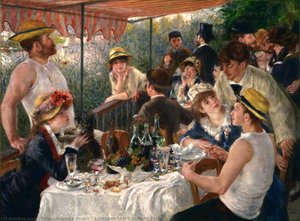
Pierre-Auguste Renoir's "The Luncheon of the Bohemians," painted in 1869-70, stands as a cornerstone of Impressionist art—a shimmering tableau that captures not merely a scene but an entire ethos. Located within the Musée d’Orsay in Paris, this canvas depicts a Parisian café gathering populated by artists, writers, and intellectuals, bathed in dappled sunlight filtering through the leafy branches overhead.
- Subject Matter: The painting focuses on a casual lunch amongst bohemian figures—a deliberate rejection of academic conventions that prioritized idealized representations. Renoir eschewed grand narratives for intimate observations of everyday life, prioritizing atmosphere and sensation.
- Style: Impressionism, championed by Monet, Sisley, and Degas, sought to depict the fleeting effects of light and color on perception—a radical departure from traditional realism. Renoir’s brushstrokes are loose, vibrant, and blended seamlessly, creating an illusion of shimmering luminescence.
- Technique: Renoir employed a technique known as "plein air painting"—working outdoors directly onto canvas—allowing him to capture the immediacy of natural light. He utilized thin layers of paint mixed with linseed oil and turpentine, applying them in rapid succession to achieve an ethereal quality.
Historical Context: The Belle Époque
“The Luncheon of the Bohemians” emerged during the Belle Époque (“Beautiful Era”), a period of unprecedented optimism and cultural flourishing in France following the Franco-Prussian War. Parisian cafés served as hubs for intellectual discourse and artistic experimentation, fostering a spirit of creativity and rebellion against societal norms.
- Social Significance: The painting reflects the bohemian lifestyle—characterized by unconventional behavior, artistic pursuits, and a disdain for bourgeois values—which gained prominence in Paris during this era. Renoir’s depiction captures the dynamism and vibrancy of Parisian society at its zenith.
- Artistic Influences: Renoir drew inspiration from Japanese prints—particularly Ukiyo-e—whose flattened perspective and bold color palettes influenced Impressionist painters' aesthetic sensibilities.
Symbolism and Emotional Impact
Beyond its depiction of a café gathering, “The Luncheon of the Bohemians” is laden with symbolic meaning. The dappled sunlight symbolizes enlightenment and beauty—a visual metaphor for the artists’ pursuit of artistic truth. Renoir's masterful use of color—particularly yellows and greens—evokes feelings of warmth, vitality, and joy.
- Color Palette: Renoir’s palette is dominated by warm hues—primarily yellow and orange—creating a sense of radiant illumination and conveying an emotional resonance that transcends mere visual representation.
- Composition: The asymmetrical composition contributes to the painting's dynamism, guiding the viewer's gaze across the canvas and emphasizing the spontaneity of the scene. Renoir’s careful attention to detail—particularly in capturing the textures of fabric and skin—adds depth and realism to the image.
Conclusion: An Enduring Legacy
"The Luncheon of the Bohemians" continues to captivate audiences today with its exquisite beauty and evocative atmosphere. Renoir’s pioneering approach to Impressionism revolutionized painting, establishing a new paradigm for artistic expression—one that prioritizes sensory experience and emotional resonance above all else. It remains an enduring testament to the transformative power of art and its ability to capture the spirit of an era.
Obras relacionadas
Biografía del artista
vida temprana y carrera
pierre-auguste renoir, un artista francés fundamental, nació el 25 de febrero de 1841 en Limoges, Francia. Jugó un papel crucial a la hora de dar forma al movimiento impresionista, conocido por su luz vibrante y sus colores saturados. La obra de Renoir celebraba la belleza, particularmente la sensualidad femenina, colocándolo en una línea de artistas que se extendía desde Rubens hasta Watteau.legado artístico
El legado de Renoir se extendió más allá de su lienzo, como patriarca de una familia donde el arte florecía en diversas formas. Sus hijos, pierre renoir (1885–1952), el cineasta jean renoir (1894–1979) y el artista ceramista claude renoir (1901–1969), cada uno hizo contribuciones significativas en sus campos. Su nieto, el cineasta claude renoir (1913–1993), avanzó aún más la herencia artística de la familia.obras notables y museos
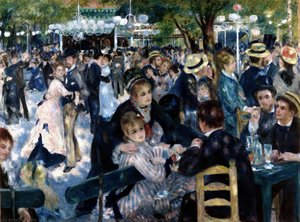
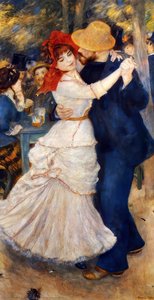
* dance at bougival, una pintura notable de Renoir, muestra su dominio para capturar la esencia del arte impresionista. * El musée des collettes, ubicado en Cagnes-sur-Mer, Francia, es un destino imprescindible para los amantes del arte. Este museo, que fue la casa de Pierre-Auguste Renoir, sirve como testimonio de su vida y obra, alberga quince de sus pinturas. * El musée maurice denis, otra joya oculta en Francia, presenta una impresionante colección de pinturas postimpresionistas franceses de finales del siglo XIX y principios del siglo XX.explora el arte de Renoir con ArtsDot
- Descubre el encanto del musée des collettes (Francia) y su arte impresionista en ArtsDot: [https://ArtsDot.com/@@/a@d3aupf](https://ArtsDot.com/@@/a@d3aupf)
- Explora las maravillas del musée maurice denis (Francia) con ArtsDot: /es/art/show/art-d3aue3-es/
- Visualiza las pinturas de Renoir, incluyendo dance at bougival, en ArtsDot: [https://ArtsDot.com/@/pierre-auguste renoir](https://ArtsDot.com/@/pierre-auguste%20renoir)
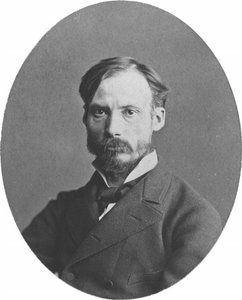
Pierre-Auguste Renoir
1841 - 1919 , Francia
Datos clave
- Artistas Que Influyeron:
- Rubens
- Watteau
- Camille Pissarro
- Édouard Manet
- Fecha De Fallecimiento: 3 de diciembre de 1919
- Fecha De Nacimiento: 25 de febrero de 1841
- Lugar De Nacimiento: Limoges, Francia
- Movimiento Artístico: Impresionismo
- Nacionalidad: Francés
- Nombre Completo: Pierre-Auguste Renoir
- Obras Notables:
- Baile en Bougival
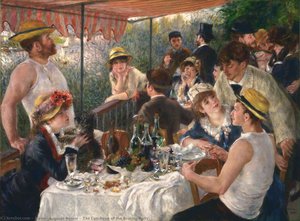
- Almuerzo de la fiesta de remo
- Los grandes bañistas
- Dos hermanas
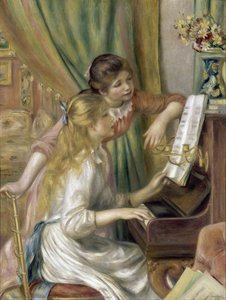
- Jóvenes tocando el piano
Artículos relacionados
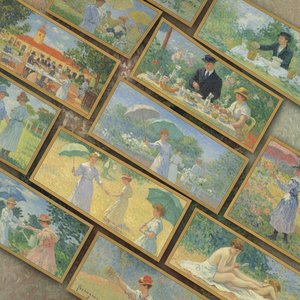
Renoir: Las 25 Obras Maestras del Impresionismo para Decorar tu Hogar con Arte
Descubre las 25 obras maestras de Renoir, el rey del impresionismo. Explora su técnica, historia y significado en cada pintura. Encuentra reproducciones de arte de alta calidad para decorar tu hogar con ArtsDot.com.
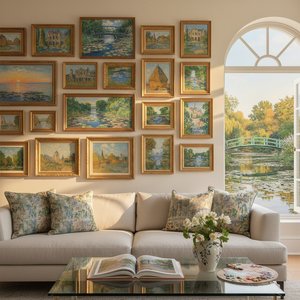
Claude Monet: Las 25 Obras Maestras del Impresionismo para Decorar tu Hogar con Arte
Descubre las 25 obras maestras de Claude Monet, el padre del impresionismo. Explora la historia, técnica y belleza de sus paisajes, nenúfares y 'Impresión, sole levant'. Encuentra reproducciones de arte exclusivas en ArtsDot.com.
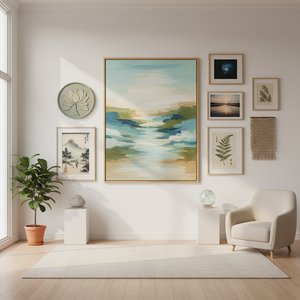
Las 10 Obras de Arte Más Tranquilizadoras para un Hogar Sereno |
Descubre las 10 obras de arte más tranquilas de Monet, Van Gogh y Turner. Explora su historia, técnica y el poder del color para crear serenidad en tu hogar. Reproducciones de museo en .
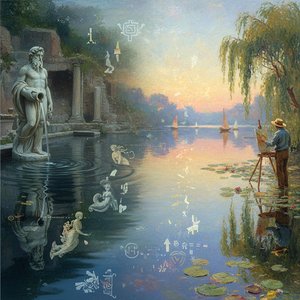
Fluid Reflections: Exploring Water's Symbolism in Art History – From Myth to Impressionism
Explore the rich symbolism of water in art history – from ancient myths to Impressionism's fleeting beauty. Discover masterpieces & find your perfect serene artwork with ArtsDot.com.
Los 10 Maestros Impresionistas que Revolucionaron el Arte | ArtsDot
Descubre los 10 cuadros impresionistas más influyentes de Monet, Renoir y Degas. Explora la historia, técnica y belleza de este movimiento artístico. Reproducciones de arte en ArtsDot.com para decorar tu hogar con estilo.