Vista previa
 Compartir
 Compartir
 Ver detalles

 Descargar
 Ver artículos similares
 Radiografía
 Presentación de diapositivas
 Estadísticas
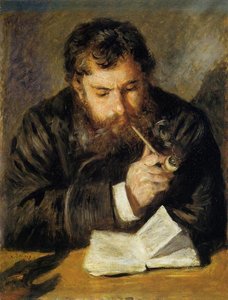
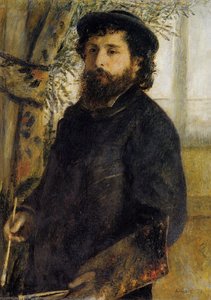
Portrait of Claude Monet, Musée d'Orsay at Pari


 Leer más
Giclée / Impresión de arte
Impresiones giclée o en lienzo de calidad de museo con producción rápida y opciones de acabado flexibles. ( Encargar reproducción pintada a mano Ver versión en imagen digital)




P118B $10

P118H $10

P118W $10

P438Z $10

P508JH $12

P508YH $12

P805H $10

P805Z $10

P919BZ $10

P919G $10

P919XJ $10

P959ZH $10

P968JZ $12

W106C $8

W218G $10

W218JH $8

W218Y $10

W307PJ $10

W316G $10

W316PJ $8

W316Y $10

W398PJ $8

W4111J $10

W500HY $15

W500JH $15

W692G $12

W849H $8

W940BG $15

W953PJ $8




Elija entre nuestros tamaños predefinidos que respetan las proporciones originales de la obra.

Puede introducir sus propias dimensiones para adaptarse a un marco o espacio específico. Si el tamaño seleccionado no coincide con las proporciones de la imagen original, recortaremos la obra de arte o extenderemos la imagen con un borde con efecto espejo o de color sólido. Se enviará una maqueta digital para su aprobación antes de que comience la producción.
Tenga en cuenta que la vista previa en pantalla no refleja el recorte o la extensión real. Solo la maqueta mostrará con precisión la composición final.
Aunque existen tamaños personalizados, recomendamos seleccionar una dimensión de la lista predefinida para preservar las proporciones originales.
Envío a todo el mundo () en 2 semanas en lugar de las 4/5 semanas estándar. (16 septiembre)

Envío exprés gratuito a todo el mundo

Lienzo de lino de alta calidad

Seguro de envío completo

Garantía de reembolso de impuestos aduaneros

Garantía de fidelidad cromática exacta

Política de devolución de 100 días (solo por defectos)

Garantía de devolución del 100% del dinero

Oferta por volumen
 La opción de vidrio solo está disponible en tamaños inferiores a 110 cm.

Portrait of Claude Monet, Musée d'Orsay at Pari
Giclée / Impresión de arte
Tamaño de la reproducción
-


Precio total
$ 62
A Portrait of Impressionist Vision: Renoir's "Portrait of Claude Monet"
Pierre-Auguste Renoir’s “Portrait of Claude Monet,” painted in 1875, is more than just a likeness; it’s a shimmering distillation of the artistic spirit that defined the burgeoning Impressionist movement. Executed during a pivotal moment in art history – a time when artists were actively rejecting academic conventions and embracing fleeting moments of light and color – this painting captures not only Monet's physical presence but also his intellectual engagement with the revolutionary ideas shaping the Parisian art world.
- Subject & Composition: The central figure is Claude Monet himself, instantly recognizable by his distinctive beard and mustache. Renoir’s masterful use of light and shadow sculpts Monet’s face, lending him a thoughtful, almost melancholic expression. The composition is deceptively simple – a direct gaze towards the viewer – yet profoundly engaging, inviting us to share in Monet's artistic contemplation.
- Technical Brilliance: Renoir employs his signature technique of broken brushstrokes, applying paint in short, rapid movements to capture the effects of light and atmosphere. Notice how he builds up layers of color to create a sense of depth and luminosity, particularly around the window and within Monet’s clothing. The subtle gradations of tone are achieved through meticulous observation and skillful manipulation of pigment.
The Context of Parisian Impressionism
1875 was a year of immense change in Paris. The Impressionist movement, spearheaded by artists like Renoir and Monet, was challenging the established Salon system and redefining what constituted “good” art. The Salons, traditionally dominated by conservative critics and academic painters, were increasingly resistant to the Impressionists’ focus on capturing everyday life and their unconventional use of color. This painting reflects this tension – a quiet moment of artistic dialogue within a landscape of artistic upheaval.
- Influence of the Musée d'Orsay: The setting, the Musée d'Orsay, itself was undergoing transformation, reflecting the growing interest in art and culture.
- Social Context: The rise of the bourgeoisie and their patronage of the arts played a significant role in fostering the Impressionist movement.
Symbolism and Emotional Resonance
Beyond its technical merits, “Portrait of Claude Monet” is rich with symbolic meaning. The paintbrush held by Monet represents his profession, his dedication to art, and perhaps even his vulnerability as an artist. The window serves as a portal – both literally and figuratively – inviting the viewer into Monet’s world of perception. The potted plant in the foreground adds a touch of domesticity, grounding the scene and suggesting a connection between the artist's inner life and the natural world.
- Light & Atmosphere: Renoir masterfully uses light to evoke a sense of tranquility and introspection. The diffused daylight filtering through the window creates a soft, ethereal glow that enhances the painting’s emotional impact.
- Monet's Persona: The portrait captures Monet not just as an artist but as a man – thoughtful, observant, and deeply engaged with his craft.
A Timeless Masterpiece for Your Collection
This meticulously crafted reproduction of Renoir’s “Portrait of Claude Monet” offers a unique opportunity to bring a touch of Impressionist brilliance into your home or office. Whether you are an art enthusiast, a collector seeking iconic works, or an interior designer looking for a statement piece, this painting is sure to captivate and inspire. ArtsDot's hand-painted reproductions ensure that you receive a faithful representation of this timeless masterpiece, preserving its beauty and significance for generations to come.
Obras relacionadas
Biografía del artista
vida temprana y carrera
pierre-auguste renoir, un artista francés fundamental, nació el 25 de febrero de 1841 en Limoges, Francia. Jugó un papel crucial a la hora de dar forma al movimiento impresionista, conocido por su luz vibrante y sus colores saturados. La obra de Renoir celebraba la belleza, particularmente la sensualidad femenina, colocándolo en una línea de artistas que se extendía desde Rubens hasta Watteau.legado artístico
El legado de Renoir se extendió más allá de su lienzo, como patriarca de una familia donde el arte florecía en diversas formas. Sus hijos, pierre renoir (1885–1952), el cineasta jean renoir (1894–1979) y el artista ceramista claude renoir (1901–1969), cada uno hizo contribuciones significativas en sus campos. Su nieto, el cineasta claude renoir (1913–1993), avanzó aún más la herencia artística de la familia.obras notables y museos
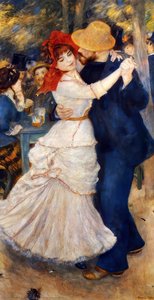
* dance at bougival, una pintura notable de Renoir, muestra su dominio para capturar la esencia del arte impresionista. * El musée des collettes, ubicado en Cagnes-sur-Mer, Francia, es un destino imprescindible para los amantes del arte. Este museo, que fue la casa de Pierre-Auguste Renoir, sirve como testimonio de su vida y obra, alberga quince de sus pinturas. * El musée maurice denis, otra joya oculta en Francia, presenta una impresionante colección de pinturas postimpresionistas franceses de finales del siglo XIX y principios del siglo XX.explora el arte de Renoir con ArtsDot
- Descubre el encanto del musée des collettes (Francia) y su arte impresionista en ArtsDot: [https://ArtsDot.com/@@/a@d3aupf](https://ArtsDot.com/@@/a@d3aupf)
- Explora las maravillas del musée maurice denis (Francia) con ArtsDot: /es/art/show/art-d3aue3-es/
- Visualiza las pinturas de Renoir, incluyendo dance at bougival, en ArtsDot: [https://ArtsDot.com/@/pierre-auguste renoir](https://ArtsDot.com/@/pierre-auguste%20renoir)
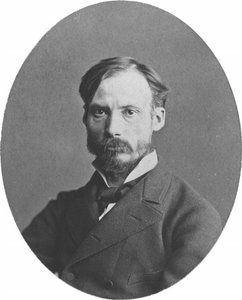
Pierre-Auguste Renoir
1841 - 1919 , Francia
Datos clave
- Artistas Que Influyeron:
- Rubens
- Watteau
- Camille Pissarro
- Édouard Manet
- Fecha De Fallecimiento: 3 de diciembre de 1919
- Fecha De Nacimiento: 25 de febrero de 1841
- Lugar De Nacimiento: Limoges, Francia
- Movimiento Artístico: Impresionismo
- Nacionalidad: Francés
- Nombre Completo: Pierre-Auguste Renoir
- Obras Notables:
- Baile en Bougival
- Almuerzo de la fiesta de remo
- Los grandes bañistas
- Dos hermanas
- Jóvenes tocando el piano
Artículos relacionados
Los 25 Tesoros del Musée d'Orsay: Arte Impresionista y Decoración de Lujo
Descubre los 25 cuadros más emblemáticos del Musée d'Orsay: Monet, Renoir, Van Gogh y más. Explora la historia, técnica y belleza del impresionismo francés. Encuentra reproducciones de arte exclusivas para decorar tu hogar con ArtsDot.com.
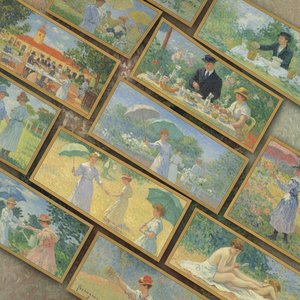
Renoir: Las 25 Obras Maestras del Impresionismo para Decorar tu Hogar con Arte
Descubre las 25 obras maestras de Renoir, el rey del impresionismo. Explora su técnica, historia y significado en cada pintura. Encuentra reproducciones de arte de alta calidad para decorar tu hogar con ArtsDot.com.

Claude Monet: Las 25 Obras Maestras del Impresionismo para Decorar tu Hogar con Arte
Descubre las 25 obras maestras de Claude Monet, el padre del impresionismo. Explora la historia, técnica y belleza de sus paisajes, nenúfares y 'Impresión, sole levant'. Encuentra reproducciones de arte exclusivas en ArtsDot.com.
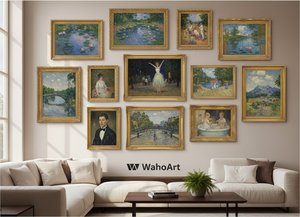
Los 10 Maestros Impresionistas que Revolucionaron el Arte | ArtsDot
Descubre los 10 cuadros impresionistas más influyentes de Monet, Renoir y Degas. Explora la historia, técnica y belleza de este movimiento artístico. Reproducciones de arte en ArtsDot.com para decorar tu hogar con estilo.
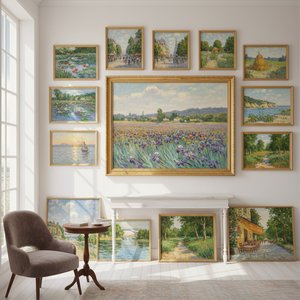
Los 10 Maestros del Paisaje Impresionista: Obras que Cambiaron la Historia del Arte
Descubre los 10 lienzos impresionistas que revolucionaron el arte. Explora la historia de Monet, Van Gogh y Renoir, sus técnicas y colores vibrantes. Encuentra reproducciones de alta calidad para decorar tu hogar en ArtsDot.com