

 Ver en contexto
 Enviar
 Compartir
 Detalles

 Descargar
 Similares
 Radiografía
 Presentación de diapositivas
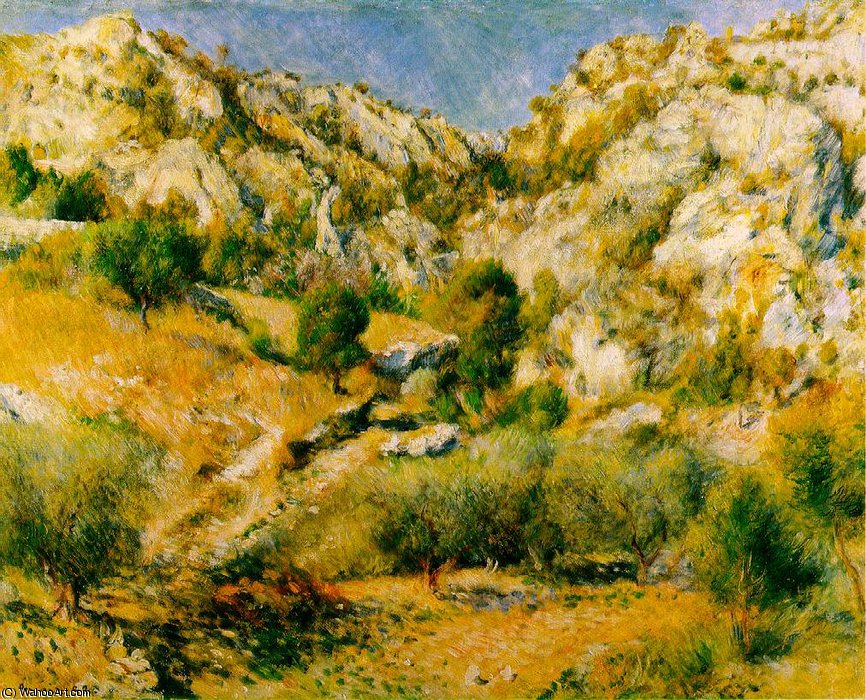
Rocky Crags at L'Estaque (Rochers à l'Estaque)


 Ver más
Adquiera una imagen digital de alta resolución y optimizada, muy superior a la vista previa en línea.
Cada archivo es preparado meticulosamente por nuestros especialistas internos mediante el uso de herramientas avanzadas y un experto retoque manual. Nos aseguramos de que cada imagen posea una claridad excepcional, una precisión cromática impecable y un detalle minucioso.
El archivo final se entrega por correo electrónico en un plazo de 72 horas, optimizado para su uso inmediato en entornos profesionales, editoriales y de impresión. Esta es la misma calidad en la que confían los estudios de diseño, las editoriales y las galerías de primer nivel.
Imagen Digital
Descarga un archivo de alta resolución para exhibición personal, impresión y proyectos creativos. ( Comprar impresión Comprar pintura hecha a mano)
Incluido en cada pedido de imágenes digitales
Entrega digital experta, garantizada.
Al elegir ArtsDot.com, no solo está adquiriendo una imagen; está recibiendo una obra de arte digital mejorada profesionalmente, elaborada con precisión y respaldada por una garantía de satisfacción. Esto es todo lo que incluye su pedido, automáticamente:

Entrega rápida por email
Recibirá su archivo de imagen digital en alta resolución por correo electrónico en un plazo de 72 horas tras realizar su pedido, listo para su uso inmediato.

Archivo digital optimizado por IA
Su obra de arte se optimiza profesionalmente mediante herramientas avanzadas de IA y edición manual, garantizando el máximo detalle, claridad y precisión cromática.

Reenvío gratuito de por vida
¿Has borrado o perdido tu archivo por error? No te preocupes: te lo volveremos a enviar en cualquier momento, sin coste adicional.

Sin gastos de importación, siempre
Disfrute de su obra de arte al instante sin aduanas, aranceles ni gastos de envío; las descargas digitales siempre están libres de impuestos.

Garantía de fidelidad de color
Garantizamos que su imagen digital refleje los colores originales con la mayor fidelidad posible, mediante el uso de herramientas profesionales y gestión del color.

Garantía de satisfacción de 60 días
Si no está satisfecho con su imagen digital, la revisaremos o le reembolsaremos el 100% en un plazo de 60 días, sin preguntas.

100% Garantía de devolución de dinero
¿No está satisfecho? Obtenga un reembolso completo dentro de los 60 días posteriores a la recepción de su archivo digital, sin necesidad de explicaciones.

Descuentos por pedidos grandes
Compra 3 imágenes, ahorra 10% - Compra 5, ahorra 15% - Compra 10+, ahorra 20%. Ideal para proyectos creativos, galerías y agencias.
Descripción del coleccionable
Pierre-Auguste Renoir: A Celebration of Light and Feminine Sensuality
Pierre-Auguste Renoir (1841–1919) stands as one of the most enduring figures in Impressionist art, a painter whose canvases radiate warmth and luminosity—a testament to his unwavering devotion to capturing fleeting moments of beauty. Unlike many of his contemporaries who wrestled with darker themes or sought to impose rigid structure onto their compositions, Renoir embraced spontaneity and an almost hedonistic appreciation for sensual experience, cementing his place as the final representative of a tradition rooted in Rubens and Watteau. His artistic journey began amidst the vibrant intellectual currents of Paris during its Belle Époque era, shaping him into a master of color and brushstroke—a legacy that continues to inspire artists today.- Early Influences: Renoir’s formative years were marked by exposure to the works of Rubens and Watteau, artists who championed idealized beauty and aristocratic grace. These influences instilled in him a profound respect for artistic tradition while simultaneously fostering an inclination toward portraying human emotion with sensitivity and nuance.
- The École des Beaux Arts: Despite facing initial rejection from the Salon system—a bastion of academic conservatism—Renoir persevered, enrolling at École des Beaux Arts where he honed his skills under Charles Gleyre. This environment nurtured collaboration with fellow Impressionists like Claude Monet, Alfred Sisley, and Frédéric Bazille, forging bonds that would propel them to artistic breakthroughs.
Rocky Crags at L’Estaque: A Landscape of Tranquility and Observation
Renoir's depiction of Rocky Crags at L’Estaque (1882) exemplifies his signature style—a masterful blend of observation and expressive brushwork. Situated on the Mediterranean coast near Marseille, this landscape served as a pivotal inspiration for Cézanne, whose own explorations of the region mirrored Renoir’s fascination with capturing the essence of natural beauty. The painting portrays a rugged mountainous terrain intersected by a winding dirt road, bathed in dappled sunlight—a scene rendered with remarkable detail and imbued with an atmosphere of serene contemplation.- Composition: Renoir skillfully arranges elements within the frame to convey depth and perspective, mirroring Cézanne’s approach. The rocky cliffs dominate the left side of the canvas, while trees flank the road on both sides—creating a harmonious balance that draws the eye inward.
- Color Palette: Renoir employs a warm color palette dominated by ochres, yellows, and reds—colors that evoke the sun-drenched hues of Provence. These shades are blended with delicate touches of green and blue to capture the subtleties of light and shadow.
Technique and Impressionistic Style
Renoir’s technique is characterized by loose, visible brushstrokes—a hallmark of Impressionism that prioritizes capturing fleeting impressions rather than meticulously reproducing reality. He achieves this effect through layering thin washes of paint onto the canvas, allowing colors to mingle and blend organically—resulting in a shimmering surface texture that vibrates with life. This approach distinguishes Renoir’s work from more polished academic styles prevalent at the time, emphasizing spontaneity and immediacy.- Brushwork: Renoir's brushstrokes are deliberately broken up and blended together to create an illusion of movement and luminosity—a technique perfected by Monet during his Impressionist explorations.
- Light and Atmosphere: Renoir’s masterful rendering of light is central to the painting’s emotional impact. He captures the way sunlight filters through foliage, illuminating the rocky terrain and casting shadows that dance across the road—creating a palpable sense of atmosphere.
Symbolism and Emotional Resonance
Beyond its aesthetic beauty, Rocky Crags at L'Estaque carries symbolic weight—reflecting Renoir’s broader preoccupation with capturing human emotion within natural settings. The presence of people walking along the road symbolizes the interconnectedness between humanity and the environment—a theme echoed in Cézanne’s own landscapes. Furthermore, the painting embodies a celebration of sensual experience—a characteristic that aligns Renoir's artistic vision with the traditions of Rubens and Watteau.- Human Presence: The figures strolling along the road represent human interaction with nature—highlighting the importance of observation and contemplation.
- Overall Mood: The painting exudes a tranquil mood—inviting viewers to immerse themselves in the beauty of Provence and appreciate the fleeting moments of serenity that define life’s experience.
Comparative Analysis with Claude Monet
Renoir's stylistic choices resonate powerfully with those of Claude Monet, another titan of Impressionism who similarly prioritized capturing atmospheric conditions and exploring the transformative effects of light on landscapes. Like Renoir, Monet eschewed rigid academic conventions—embracing spontaneity and prioritizing color over precise detail—a distinction that cemented his legacy as one of art history’s most influential innovators. The shared dedication to portraying natural beauty—combined with a masterful command of brushstroke and color—underscores the enduring influence of Impressionism on subsequent artistic movements.Conclusion: A Timeless Masterpiece
Rocky Crags at L’Estaque remains an exceptional exemplar of Renoir's artistic genius—a testament to his ability to synthesize observation, technique, and emotion into a singular visual experience. Its enduring appeal lies in its capacity to transport viewers back to the idyllic landscapes of Provence—inspiring contemplation and fostering appreciation for the sublime beauty of nature. As a cornerstone of Impressionist art, this painting continues to captivate audiences worldwide—solidifying Renoir’s place as one of the most beloved artists of his era.Obras relacionadas
Biografía del artista
vida temprana y carrera
pierre-auguste renoir, un artista francés fundamental, nació el 25 de febrero de 1841 en Limoges, Francia. Jugó un papel crucial a la hora de dar forma al movimiento impresionista, conocido por su luz vibrante y sus colores saturados. La obra de Renoir celebraba la belleza, particularmente la sensualidad femenina, colocándolo en una línea de artistas que se extendía desde Rubens hasta Watteau.legado artístico
El legado de Renoir se extendió más allá de su lienzo, como patriarca de una familia donde el arte florecía en diversas formas. Sus hijos, pierre renoir (1885–1952), el cineasta jean renoir (1894–1979) y el artista ceramista claude renoir (1901–1969), cada uno hizo contribuciones significativas en sus campos. Su nieto, el cineasta claude renoir (1913–1993), avanzó aún más la herencia artística de la familia.obras notables y museos
* dance at bougival, una pintura notable de Renoir, muestra su dominio para capturar la esencia del arte impresionista. * El musée des collettes, ubicado en Cagnes-sur-Mer, Francia, es un destino imprescindible para los amantes del arte. Este museo, que fue la casa de Pierre-Auguste Renoir, sirve como testimonio de su vida y obra, alberga quince de sus pinturas. * El musée maurice denis, otra joya oculta en Francia, presenta una impresionante colección de pinturas postimpresionistas franceses de finales del siglo XIX y principios del siglo XX.explora el arte de Renoir con ArtsDot
- Descubre el encanto del musée des collettes (Francia) y su arte impresionista en ArtsDot: [https://ArtsDot.com/@@/a@d3aupf](https://ArtsDot.com/@@/a@d3aupf)
- Explora las maravillas del musée maurice denis (Francia) con ArtsDot: /es/art/show/art-d3aue3-es/
- Visualiza las pinturas de Renoir, incluyendo dance at bougival, en ArtsDot: [https://ArtsDot.com/@/pierre-auguste renoir](https://ArtsDot.com/@/pierre-auguste%20renoir)
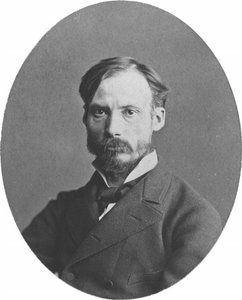
Pierre-Auguste Renoir
1841 - 1919 , Francia
Breves datos
- Artistas Que Influyeron:
- Rubens
- Watteau
- Camille Pissarro
- Édouard Manet
- Fecha De Fallecimiento: 3 de diciembre de 1919
- Fecha De Nacimiento: 25 de febrero de 1841
- Lugar De Nacimiento: Limoges, Francia
- Movimiento Artístico: Impresionismo
- Nacionalidad: Francés
- Nombre Completo: Pierre-Auguste Renoir
- Obras Notables:
- Baile en Bougival
- Almuerzo de la fiesta de remo
- Los grandes bañistas
- Dos hermanas
- Jóvenes tocando el piano

