 Ver en contexto
 Enviar
 Compartir
 Detalles

 Descargar
 Similares
 Radiografía
 Presentación de diapositivas
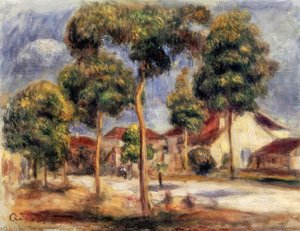
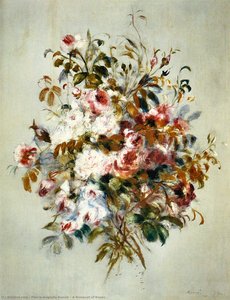
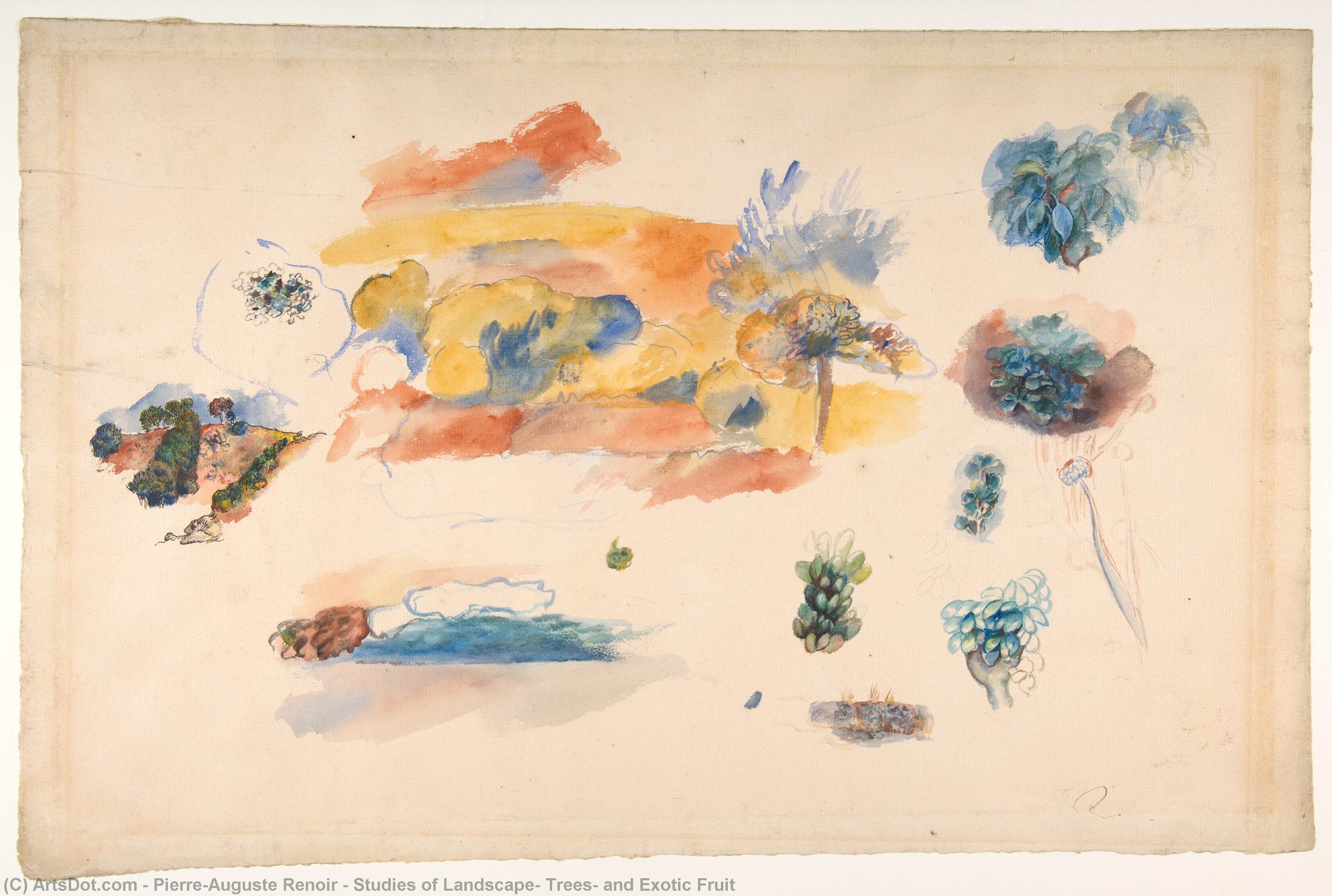
Studies of Landscape, Trees, and Exotic Fruit

 Ver más
Reproducción al óleo hecha a mano
Óleo sobre lienzo pintado a mano en el tamaño y marco de su elección, realizado por encargo por nuestros artistas. ( Comprar impresión Comprar imagen)




P118B $10

P118H $10

P118W $10

P438Z $10

P508JH $12

P508YH $12

P805H $10

P805Z $10

P919BZ $10

P919G $10

P919XJ $10

P959ZH $10

P968JZ $12

W106C $8

W218G $10

W218JH $8

W218Y $10

W307PJ $10

W316G $10

W316PJ $8

W316Y $10

W398PJ $8

W4111J $10

W500HY $15

W500JH $15

W692G $12

W849H $8

W940BG $15

W953PJ $8




Elija entre nuestros tamaños predefinidos que respetan las proporciones originales de la obra.

Puede ingresar sus propias dimensiones para adaptarse a un marco o espacio específico. Si el tamaño seleccionado no coincide con las proporciones de la imagen original, recortaremos la obra o extenderemos la pintura con elementos adicionales pintados a mano. Se le enviará una maqueta digital para su aprobación antes de comenzar la producción.
Tenga en cuenta que la vista previa en pantalla no refleja el recorte o la extensión reales. Solo la maqueta mostrará con precisión la composición final.
Si bien existen tamaños personalizados, recomendamos seleccionar una dimensión de la lista predefinida para preservar las proporciones originales.
Tras realizar el pedido, el equipo de ArtsDot.com enviará un correo electrónico al cliente para solicitar instrucciones y proporcionarle una vista previa del boceto.
Envío a todo el mundo () en 3-4 semanas en lugar de las 5 semanas estándar. (26 agosto). Sin comprometer la calidad.

Envío exprés gratuito a todo el mundo

Lienzo de lino de alta calidad

Seguro de envío total

Garantía de reembolso de impuestos aduaneros

Garantía de fidelidad cromática exacta

Política de devolución de 60 días (solo por defectos)

Garantía de devolución del 100% del dinero

Descuento por cantidad
 La opción de vidrio solo está disponible en tamaños inferiores a 110 cm.

Studies of Landscape, Trees, and Exotic Fruit
Técnica de reproducción
Dimensiones de la reproducción
-


Precio total final
$ 263
Descripción de la obra
A Symphony of Light and Exoticism: Renoir’s “Studies of Landscape, Trees, and Exotic Fruit”
Pierre-Auguste Renoir's "Studies of Landscape, Trees, and Exotic Fruit," painted circa 1885, isn’t merely a depiction of a scene; it’s an immersion into a world brimming with vibrant color, sensual textures, and the quiet contemplation of nature. Born in Limoges, France, Renoir’s early life was steeped in the meticulous detail of porcelain painting – a practical apprenticeship that ultimately fueled his appreciation for observation and delicate brushwork. However, it was his frequent visits to the Louvre, absorbing the grandeur of Old Masters like Rubens and Watteau, that ignited within him a desire to capture not just form but also the very essence of beauty. This piece exemplifies this shift, moving beyond rigid academic constraints toward a more impressionistic approach – one where light, color, and emotion take precedence over precise representation. The painting’s loose brushstrokes and dappled application of paint create an atmosphere of hazy warmth, inviting the viewer into a sun-drenched garden filled with the promise of exotic delights.The Palette of Paradise: Technique and Impressionism
Renoir's masterful use of watercolor and ink over graphite is central to the painting’s captivating quality. He eschews sharp outlines in favor of soft transitions and blurred edges, characteristic of the burgeoning Impressionist movement. Notice how he builds up layers of color – washes of turquoise and emerald for the foliage, hints of ochre and rose for the fruit, and delicate strokes of lavender and pale blue to capture the diffused light filtering through the trees. The technique isn’t about replicating reality; it's about conveying a *feeling* of that reality—the warmth of the sun on skin, the scent of blossoms in the air, the intoxicating allure of the unknown. The artist employs broken color – applying small dabs and strokes of pure pigment rather than blending them smoothly – to create a shimmering effect, mimicking the way light plays across surfaces. This deliberate fragmentation of form is a hallmark of Impressionism, prioritizing visual sensation over photographic accuracy.A Garden of Symbolism: Exotic Fruit and the Pursuit of Beauty
The inclusion of exotic fruits—mangoes, papayas, and perhaps even a hint of citrus—is more than just decorative; it’s laden with symbolic weight. During this period in Renoir's career, particularly following his departure from the rigid constraints of porcelain painting, he was deeply interested in exploring themes of sensuality, pleasure, and the fleeting nature of beauty. Exotic fruits represented not only abundance and fertility but also a connection to distant lands – a romanticized vision of the world beyond France. They speak to a desire for escape, for indulgence, and for the appreciation of the finer things in life. The arrangement itself feels deliberately curated—a carefully constructed tableau designed to evoke a sense of wonder and delight.Historical Context: A Shift Towards Personal Vision
“Studies of Landscape, Trees, and Exotic Fruit” represents a pivotal moment in Renoir’s artistic development. Following his initial success with portraits, he began to increasingly focus on landscapes and scenes of leisure – subjects that allowed him greater freedom to express his personal vision. This shift was partly influenced by the rise of Impressionism, which challenged traditional academic conventions and championed the artist's subjective experience. The painting reflects a broader cultural trend toward embracing pleasure, beauty, and the joys of everyday life—a reaction against the somber mood of the Franco-Prussian War and the subsequent social upheaval. It’s a testament to Renoir’s ability to capture not just a visual scene but also the emotional resonance of that scene.Bringing the Garden Home: Reproduction and Interior Design
Today, reproductions of “Studies of Landscape, Trees, and Exotic Fruit” offer a beautiful way to bring a touch of this vibrant world into your own home. Consider framing it in a warm wood or a neutral tone to allow the colors of the painting to truly shine. The loose brushstrokes and atmospheric quality lend themselves particularly well to larger-scale reproductions, creating a focal point that evokes a sense of tranquility and exotic allure. Whether adorning a living room wall or gracing a bedroom niche, this painting’s evocative beauty will undoubtedly captivate and inspire.Obras relacionadas
Biografía del artista
vida temprana y carrera
pierre-auguste renoir, un artista francés fundamental, nació el 25 de febrero de 1841 en Limoges, Francia. Jugó un papel crucial a la hora de dar forma al movimiento impresionista, conocido por su luz vibrante y sus colores saturados. La obra de Renoir celebraba la belleza, particularmente la sensualidad femenina, colocándolo en una línea de artistas que se extendía desde Rubens hasta Watteau.legado artístico
El legado de Renoir se extendió más allá de su lienzo, como patriarca de una familia donde el arte florecía en diversas formas. Sus hijos, pierre renoir (1885–1952), el cineasta jean renoir (1894–1979) y el artista ceramista claude renoir (1901–1969), cada uno hizo contribuciones significativas en sus campos. Su nieto, el cineasta claude renoir (1913–1993), avanzó aún más la herencia artística de la familia.obras notables y museos
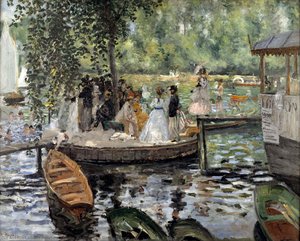
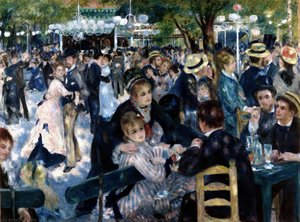
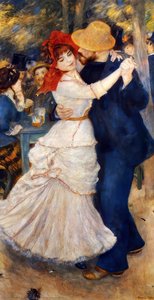
* dance at bougival, una pintura notable de Renoir, muestra su dominio para capturar la esencia del arte impresionista. * El musée des collettes, ubicado en Cagnes-sur-Mer, Francia, es un destino imprescindible para los amantes del arte. Este museo, que fue la casa de Pierre-Auguste Renoir, sirve como testimonio de su vida y obra, alberga quince de sus pinturas. * El musée maurice denis, otra joya oculta en Francia, presenta una impresionante colección de pinturas postimpresionistas franceses de finales del siglo XIX y principios del siglo XX.explora el arte de Renoir con ArtsDot
- Descubre el encanto del musée des collettes (Francia) y su arte impresionista en ArtsDot: [https://ArtsDot.com/@@/a@d3aupf](https://ArtsDot.com/@@/a@d3aupf)
- Explora las maravillas del musée maurice denis (Francia) con ArtsDot: /es/art/show/art-d3aue3-es/
- Visualiza las pinturas de Renoir, incluyendo dance at bougival, en ArtsDot: [https://ArtsDot.com/@/pierre-auguste renoir](https://ArtsDot.com/@/pierre-auguste%20renoir)
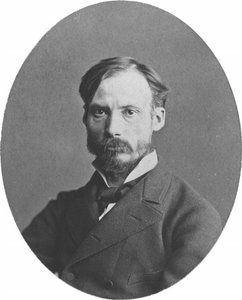
Pierre-Auguste Renoir
1841 - 1919 , Francia
Datos clave
- Artistas Que Influyeron:
- Rubens
- Watteau
- Camille Pissarro
- Édouard Manet
- Fecha De Fallecimiento: 3 de diciembre de 1919
- Fecha De Nacimiento: 25 de febrero de 1841
- Lugar De Nacimiento: Limoges, Francia
- Movimiento Artístico: Impresionismo
- Nacionalidad: Francés
- Nombre Completo: Pierre-Auguste Renoir
- Obras Notables:
- Baile en Bougival
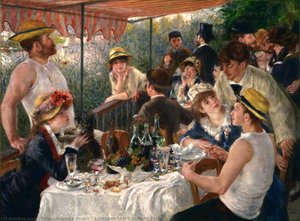
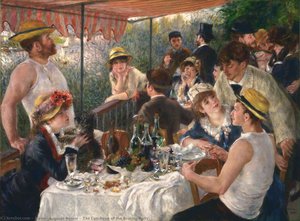
- Almuerzo de la fiesta de remo
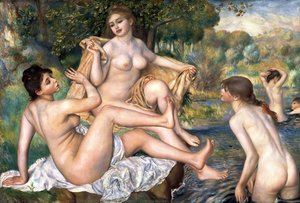
- Los grandes bañistas
- Dos hermanas
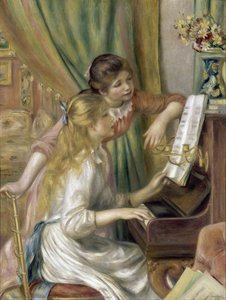
- Jóvenes tocando el piano
Artículos relacionados
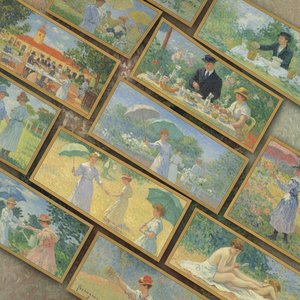
Renoir: Las 25 Obras Maestras del Impresionismo para Decorar tu Hogar con Arte
Descubre las 25 obras maestras de Renoir, el rey del impresionismo. Explora su técnica, historia y significado en cada pintura. Encuentra reproducciones de arte de alta calidad para decorar tu hogar con ArtsDot.com.

Paul Cézanne: Las 25 Obras Maestras que Definieron el Arte Moderno | ArtsDot
Descubre las 25 obras maestras de Paul Cézanne que revolucionaron el arte moderno. Explora su técnica, inspiración y significado en paisajes, bodegones y retratos. Reproducciones de alta calidad para decorar tu hogar con arte inolvidable. ¡Explora la colección completa en ArtsDot.com!
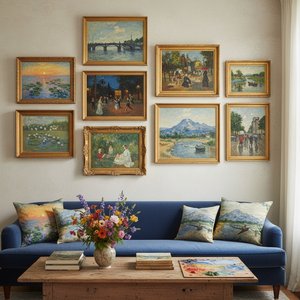
Los 10 Maestros del Paisaje Impresionista: Obras que Cambiaron la Historia del Arte
Descubre los 10 lienzos impresionistas que revolucionaron el arte. Monet, Renoir y más… Explora la historia, técnica y belleza de cada obra maestra. Encuentra reproducciones de alta calidad para tu hogar en ArtsDot.com.

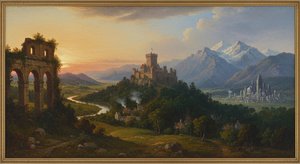
Evocations of Place: A Historical Journey Through Landscape Art
Explore the rich history of landscape art with ArtsDot. Discover renowned artists, movements like Impressionism & Romanticism, and expert guidance for collecting timeless pieces. Find your perfect serene escape today!
Evocations of Place: A Historical Journey Through Landscape Art
Explore the rich history of landscape art with ArtsDot. Discover renowned artists, movements like Impressionism & tonalism, and expert guidance for collecting timeless pieces. Find your perfect serene escape today!