 Ver en contexto
 Enviar
 Compartir
 Detalles

 Descargar
 Similares
 Radiografía
 Presentación de diapositivas
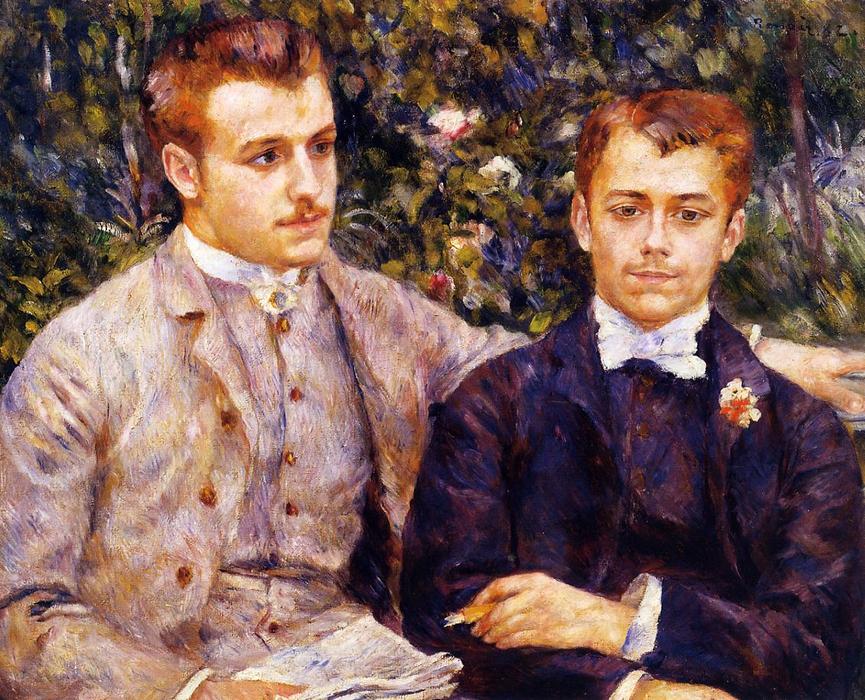
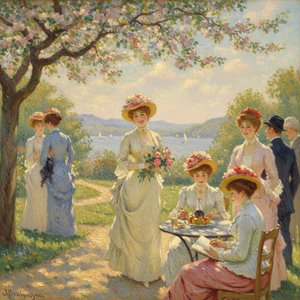
Título traducido: Charles y Georges Durand Ruel


 Ver más
Giclée / Impresión de arte
Impresiones giclée o en lienzo de calidad de museo con producción rápida y opciones de acabado flexibles. ( Comprar pintura hecha a mano Comprar imagen)




P118B $10

P118H $10

P118W $10

P438Z $10

P508JH $12

P508YH $12

P805H $10

P805Z $10

P919BZ $10

P919G $10

P919XJ $10

P959ZH $10

P968JZ $12

W106C $8

W218G $10

W218JH $8

W218Y $10

W307PJ $10

W316G $10

W316PJ $8

W316Y $10

W398PJ $8

W4111J $10

W500HY $15

W500JH $15

W692G $12

W849H $8

W940BG $15

W953PJ $8




Elija entre nuestros tamaños predefinidos que respetan las proporciones originales de la obra.

Puede introducir sus propias dimensiones para adaptarse a un marco o espacio específico. Si el tamaño seleccionado no coincide con las proporciones de la imagen original, recortaremos la obra de arte o extenderemos la imagen con un borde con efecto espejo o de color sólido. Se enviará una maqueta digital para su aprobación antes de que comience la producción.
Tenga en cuenta que la vista previa en pantalla no refleja el recorte o la extensión real. Solo la maqueta mostrará con precisión la composición final.
Aunque existen tamaños personalizados, recomendamos seleccionar una dimensión de la lista predefinida para preservar las proporciones originales.
Envío a todo el mundo () en 2 semanas en lugar de las 4/5 semanas estándar. (25 agosto)

Envío exprés gratuito a todo el mundo

Lienzo de lino de alta calidad

Seguro de envío total

Garantía de reembolso de impuestos aduaneros

Garantía de fidelidad cromática exacta

Política de devolución de 60 días (solo por defectos)

Garantía de devolución del 100% del dinero

Descuento por cantidad
 La opción de vidrio solo está disponible en tamaños inferiores a 110 cm.

Título traducido: Charles y Georges Durand Ruel
Giclée / Impresión de arte
Dimensiones de la reproducción
-


Precio total final
$ 62
Descripción de la pieza
Pierre-Auguste Renoir: Capturing Light and Emotion in Impressionism
Pierre-Auguste Renoir (1841–1919) stands as one of the most beloved figures in French Impressionist painting, a movement that revolutionized artistic expression at the cusp of the 20th century. More than just depicting scenes from Parisian life—though he excelled at capturing the vibrancy of urban landscapes and social gatherings—Renoir sought to distill the essence of experience itself, prioritizing fleeting moments of beauty illuminated by natural light. His canvases pulsate with warmth and color, reflecting a profound fascination for femininity and an unwavering belief in the transformative power of art.- Early Influences: Renoir’s artistic journey began under the tutelage of Charles Gleyre, where he encountered fellow Impressionists Claude Monet, Alfred Sisley, and Frédéric Bazille—artists who would forge a revolutionary path together. These formative encounters exposed him to the stylistic innovations championed by Rubens and Watteau, artists whose masterful use of light and color profoundly impacted Renoir’s aesthetic sensibilities.
- The Salon Rejection: Initially, Renoir faced considerable resistance from the traditional Salon system, which favored academic painting styles. This rejection fueled his determination to explore alternative avenues for artistic expression and solidified his commitment to Impressionism's core principles.
A Shift Towards Impressionistic Technique
Renoir’s breakthrough came in 1874 with the inaugural Impressionist Exhibition, marking a pivotal moment in art history. Alongside Monet, Sisley, and Pissarro, he presented six paintings that challenged conventional artistic conventions—a bold declaration against the rigid formalism of the Salon. The painting *Lise avec un parasol* (1867), depicting Lise Tréhot, Renoir’s muse and lover, exemplifies this stylistic shift. Unlike academic painters who meticulously blended colors on their palettes to achieve smooth tonal gradations, Renoir employed a technique known as “plein air” – painting outdoors—allowing him to capture the immediacy of light and atmosphere with unprecedented accuracy. He applied paint in loose, visible brushstrokes, layering hues to create shimmering surfaces that seemed to vibrate with color.- Color Palette: Renoir’s palette favored warm tones—ochres, yellows, reds—reflecting his desire to convey the sensual richness of the natural world.
- Brushwork: His characteristic brushstrokes were characterized by their spontaneity and textural variation, creating a palpable sense of movement and vibrancy.
Symbolism and Emotional Resonance
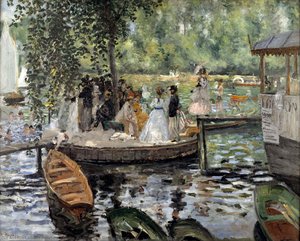
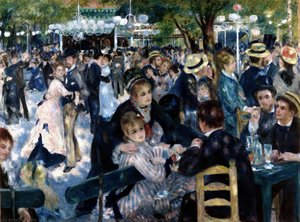
Beyond mere visual representation, Renoir’s paintings conveyed profound emotional resonance. Works like *Madame Georges Charpentier et ses enfants* (1879) capture the intimacy of domestic life with remarkable sensitivity—a testament to Renoir's ability to portray human relationships with compassion and nuance. The depiction of light and color isn't merely decorative; it serves as a conduit for conveying feelings of warmth, joy, and familial affection. His art speaks to the viewer’s senses and intellect alike, inviting contemplation on themes of beauty, love, and the ephemeral nature of experience.- The Moulin de la Galette: Renoir's *La Grenouillère* (1876), or The Moulin de la Galette, captures a lively Parisian dance hall scene—a celebration of social life and youthful exuberance.
Legacy and Influence
Renoir’s unwavering dedication to Impressionism cemented his place as one of the movement's foremost practitioners. His influence extended far beyond the confines of the Salon, inspiring generations of artists who embraced a similar commitment to capturing fleeting moments of beauty and emotion. Today, Renoir’s paintings continue to captivate audiences worldwide—a testament to his enduring artistic vision and his ability to transcend time, resonating with viewers across cultures and eras. His legacy resides not only in his stunning visual achievements but also in his profound contribution to the evolution of modern art.Obras relacionadas
Biografía del artista
vida temprana y carrera
pierre-auguste renoir, un artista francés fundamental, nació el 25 de febrero de 1841 en Limoges, Francia. Jugó un papel crucial a la hora de dar forma al movimiento impresionista, conocido por su luz vibrante y sus colores saturados. La obra de Renoir celebraba la belleza, particularmente la sensualidad femenina, colocándolo en una línea de artistas que se extendía desde Rubens hasta Watteau.legado artístico
El legado de Renoir se extendió más allá de su lienzo, como patriarca de una familia donde el arte florecía en diversas formas. Sus hijos, pierre renoir (1885–1952), el cineasta jean renoir (1894–1979) y el artista ceramista claude renoir (1901–1969), cada uno hizo contribuciones significativas en sus campos. Su nieto, el cineasta claude renoir (1913–1993), avanzó aún más la herencia artística de la familia.obras notables y museos
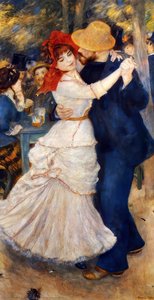
* dance at bougival, una pintura notable de Renoir, muestra su dominio para capturar la esencia del arte impresionista. * El musée des collettes, ubicado en Cagnes-sur-Mer, Francia, es un destino imprescindible para los amantes del arte. Este museo, que fue la casa de Pierre-Auguste Renoir, sirve como testimonio de su vida y obra, alberga quince de sus pinturas. * El musée maurice denis, otra joya oculta en Francia, presenta una impresionante colección de pinturas postimpresionistas franceses de finales del siglo XIX y principios del siglo XX.explora el arte de Renoir con ArtsDot
- Descubre el encanto del musée des collettes (Francia) y su arte impresionista en ArtsDot: [https://ArtsDot.com/@@/a@d3aupf](https://ArtsDot.com/@@/a@d3aupf)
- Explora las maravillas del musée maurice denis (Francia) con ArtsDot: /es/art/show/art-d3aue3-es/
- Visualiza las pinturas de Renoir, incluyendo dance at bougival, en ArtsDot: [https://ArtsDot.com/@/pierre-auguste renoir](https://ArtsDot.com/@/pierre-auguste%20renoir)
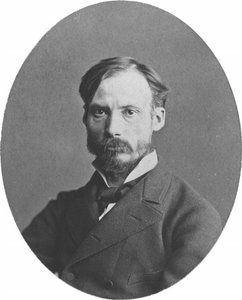
Pierre-Auguste Renoir
1841 - 1919 , Francia
Datos clave
- Artistas Que Influyeron:
- Rubens
- Watteau
- Camille Pissarro
- Édouard Manet
- Fecha De Fallecimiento: 3 de diciembre de 1919
- Fecha De Nacimiento: 25 de febrero de 1841
- Lugar De Nacimiento: Limoges, Francia
- Movimiento Artístico: Impresionismo
- Nacionalidad: Francés
- Nombre Completo: Pierre-Auguste Renoir
- Obras Notables:
- Baile en Bougival
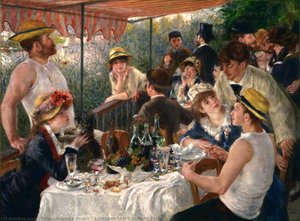
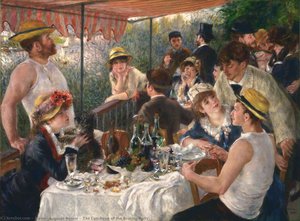
- Almuerzo de la fiesta de remo
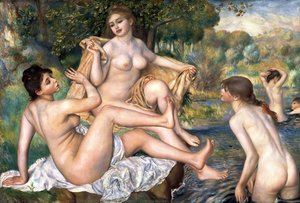
- Los grandes bañistas
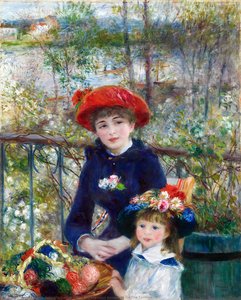
- Dos hermanas
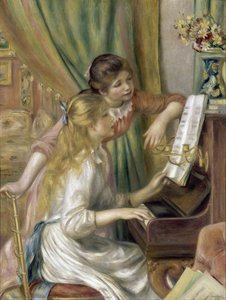
- Jóvenes tocando el piano
Artículos relacionados
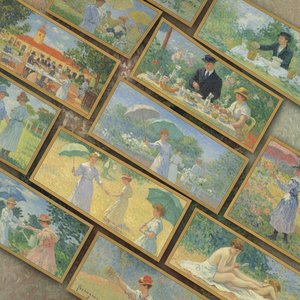
Renoir: Las 25 Obras Maestras del Impresionismo para Decorar tu Hogar con Arte
Descubre las 25 obras maestras de Renoir, el rey del impresionismo. Explora su técnica, historia y significado en cada pintura. Encuentra reproducciones de arte de alta calidad para decorar tu hogar con ArtsDot.com.
Cultivating Paradise: A Historical & Artistic Exploration of Gardens in Painting
Explore the rich history of gardens in painting! Discover masterpieces from Renaissance to Impressionism & beyond. Learn about symbolism, artists like Monet & Klimt, and find your perfect artwork at ArtsDot.
Los 10 Maestros Impresionistas que Revolucionaron el Arte | ArtsDot
Descubre los 10 cuadros impresionistas más influyentes de Monet, Renoir y Degas. Explora la historia, técnica y colores vibrantes del impresionismo. Encuentra reproducciones de arte exclusivas en ArtsDot.com.
Los 10 Maestros Impresionistas que Revolucionaron el Arte | ArtsDot
Descubre los 10 cuadros impresionistas más influyentes de Monet, Renoir y Degas. Explora la historia, técnica y belleza de este movimiento artístico. Reproducciones de arte en ArtsDot.com para decorar tu hogar con estilo.
The Luminous World of Pierre-Auguste Renoir: An Exploration of Impressionism's Sensuous Embrace
Explore the captivating world of Pierre-Auguste Renoir! Discover his life, iconic Impressionist masterpieces & enduring legacy with our expert guide. High-quality reproductions available.