 Ver en contexto
 Enviar
 Compartir
 Detalles

 Descargar
 Similares
 Radiografía
 Presentación de diapositivas
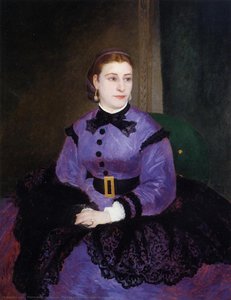
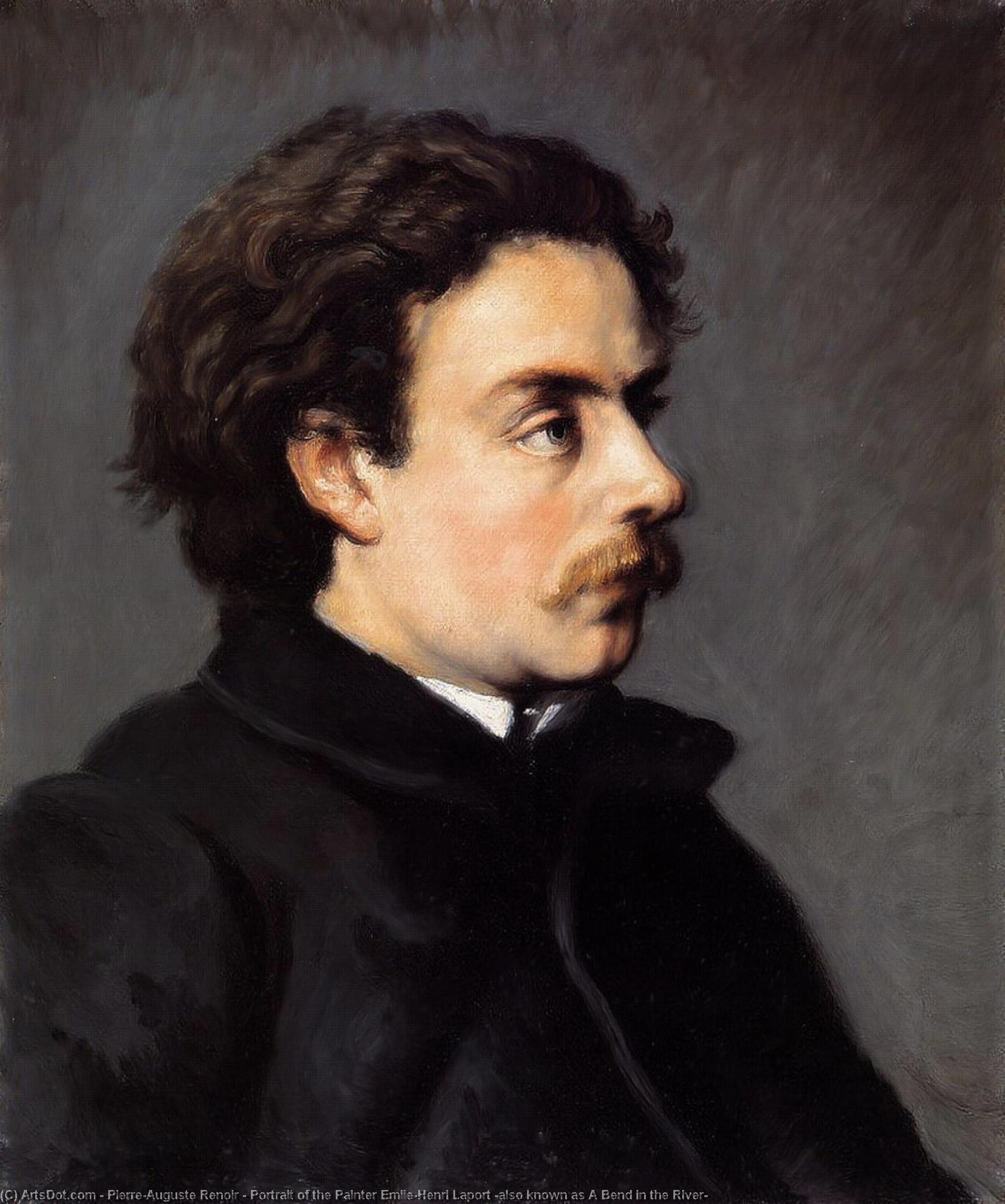
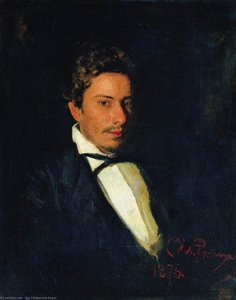
Título traducido: Retrato del pintor Émile-Henri Laporte (también conocido como A Bend in the River)


 Ver más
Giclée / Impresión de arte
Impresiones giclée o en lienzo de calidad de museo con producción rápida y opciones de acabado flexibles. ( Comprar pintura hecha a mano Comprar imagen)




P118B $10

P118H $10

P118W $10

P438Z $10

P508JH $12

P508YH $12

P805H $10

P805Z $10

P919BZ $10

P919G $10

P919XJ $10

P959ZH $10

P968JZ $12

W106C $8

W218G $10

W218JH $8

W218Y $10

W307PJ $10

W316G $10

W316PJ $8

W316Y $10

W398PJ $8

W4111J $10

W500HY $15

W500JH $15

W692G $12

W849H $8

W940BG $15

W953PJ $8




Elija entre nuestros tamaños predefinidos que respetan las proporciones originales de la obra.

Puede introducir sus propias dimensiones para adaptarse a un marco o espacio específico. Si el tamaño seleccionado no coincide con las proporciones de la imagen original, recortaremos la obra de arte o extenderemos la imagen con un borde con efecto espejo o de color sólido. Se enviará una maqueta digital para su aprobación antes de que comience la producción.
Tenga en cuenta que la vista previa en pantalla no refleja el recorte o la extensión real. Solo la maqueta mostrará con precisión la composición final.
Aunque existen tamaños personalizados, recomendamos seleccionar una dimensión de la lista predefinida para preservar las proporciones originales.
Envío a todo el mundo () en 2 semanas en lugar de las 4/5 semanas estándar. (25 agosto)

Envío exprés gratuito a todo el mundo

Lienzo de lino de alta calidad

Seguro de envío total

Garantía de reembolso de impuestos aduaneros

Garantía de fidelidad cromática exacta

Política de devolución de 60 días (solo por defectos)

Garantía de devolución del 100% del dinero

Descuento por cantidad
 La opción de vidrio solo está disponible en tamaños inferiores a 110 cm.

Título traducido: Retrato del pintor Émile-Henri Laporte (también conocido como A Bend in the River)
Giclée / Impresión de arte
Dimensiones de la reproducción
-


Precio total final
$ 62
Descripción de la pieza
Portrait of Emile-Henri Laport: A Window Into Impressionistic Sensibility
The Portrait of Emile-Henri Laport, also known as A Bend in the River, stands as a testament to Pierre-Auguste Renoir’s mastery of capturing fleeting moments and conveying profound emotion—characteristics quintessential to Impressionism. Painted around 1879 or 1880, this oil on canvas masterpiece isn't merely a depiction of his fellow artist; it’s an exploration of light, color, and human connection within the vibrant atmosphere of Parisian life.The Artist: Pierre-Auguste Renoir – A Pioneer of Light
Pierre-Auguste Renoir wasn’t simply a painter; he was a revolutionary who fundamentally reshaped the artistic landscape of his time. Born in Limoges in 1841, Renoir possessed an innate sensitivity to beauty and movement—qualities that would become central to his artistic vision. Influenced by artists like Rubens and Watteau, he embraced a humanist approach, prioritizing observation and capturing the essence of human experience. His early training instilled in him a meticulous attention to detail, yet it was his encounter with Claude Monet and Frédéric Bazille at École des Beaux Arts that cemented his commitment to Impressionism’s core principles: abandoning academic conventions for spontaneous brushstrokes and prioritizing the effects of light on color.A Study in Light and Color – Analyzing Renoir's Technique
Renoir’s technique is instantly recognizable—characterized by loose, visible brushstrokes that blend seamlessly together to create an illusion of shimmering luminescence. He employed a layering process, applying thin glazes of pigment over multiple undercoats to achieve remarkable depth and vibrancy. The palette is dominated by warm hues – yellows, oranges, reds – skillfully juxtaposed with cooler shades of blues and greens to depict the dappled sunlight filtering through foliage. Notice how Renoir captures the subtle nuances of color variations—a technique that distinguishes him from earlier artists who favored more subdued tones. This meticulous attention to detail isn’t merely decorative; it serves to convey a palpable sense of immediacy and spontaneity, mirroring the experience of observing nature firsthand.The Musee des Collettes: Preserving Renoir's Legacy
The original painting resides at the Musee des Collettes in Cagnes-sur-Mer, France—a location that holds particular significance as it was once home to Renoir himself. Today, the museum houses fifteen of his paintings, offering visitors an unparalleled opportunity to immerse themselves in the artist’s oeuvre and appreciate the enduring beauty of Impressionistic art. These canvases exemplify Renoir's unwavering dedication to portraying the natural world with sensitivity and precision—a legacy that continues to inspire artists and collectors alike.Beyond Representation: Emotion and Atmosphere
Ultimately, “Portrait of Emile-Henri Laport” transcends mere visual representation; it embodies the spirit of Impressionism’s emotional core. Renoir skillfully conveys a sense of intimacy and camaraderie between two artists—a reflection of their shared passion for art and observation. The gaze of Laport is direct yet contemplative, inviting viewers to contemplate the complexities of human emotion and experience. Through his masterful use of color and brushwork, Renoir captures not just what he sees but also how he feels—a feat that cements “Portrait of Emile-Henri Laport” as a cornerstone of Impressionistic art history.Obras relacionadas
Biografía del artista
vida temprana y carrera
pierre-auguste renoir, un artista francés fundamental, nació el 25 de febrero de 1841 en Limoges, Francia. Jugó un papel crucial a la hora de dar forma al movimiento impresionista, conocido por su luz vibrante y sus colores saturados. La obra de Renoir celebraba la belleza, particularmente la sensualidad femenina, colocándolo en una línea de artistas que se extendía desde Rubens hasta Watteau.legado artístico
El legado de Renoir se extendió más allá de su lienzo, como patriarca de una familia donde el arte florecía en diversas formas. Sus hijos, pierre renoir (1885–1952), el cineasta jean renoir (1894–1979) y el artista ceramista claude renoir (1901–1969), cada uno hizo contribuciones significativas en sus campos. Su nieto, el cineasta claude renoir (1913–1993), avanzó aún más la herencia artística de la familia.obras notables y museos
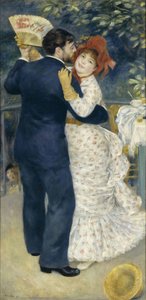
* dance at bougival, una pintura notable de Renoir, muestra su dominio para capturar la esencia del arte impresionista. * El musée des collettes, ubicado en Cagnes-sur-Mer, Francia, es un destino imprescindible para los amantes del arte. Este museo, que fue la casa de Pierre-Auguste Renoir, sirve como testimonio de su vida y obra, alberga quince de sus pinturas. * El musée maurice denis, otra joya oculta en Francia, presenta una impresionante colección de pinturas postimpresionistas franceses de finales del siglo XIX y principios del siglo XX.explora el arte de Renoir con ArtsDot
- Descubre el encanto del musée des collettes (Francia) y su arte impresionista en ArtsDot: [https://ArtsDot.com/@@/a@d3aupf](https://ArtsDot.com/@@/a@d3aupf)
- Explora las maravillas del musée maurice denis (Francia) con ArtsDot: /es/art/show/art-d3aue3-es/
- Visualiza las pinturas de Renoir, incluyendo dance at bougival, en ArtsDot: [https://ArtsDot.com/@/pierre-auguste renoir](https://ArtsDot.com/@/pierre-auguste%20renoir)
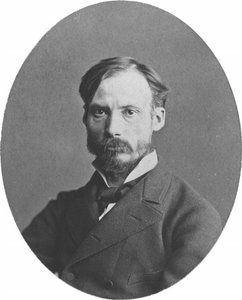
Pierre-Auguste Renoir
1841 - 1919 , Francia
Datos clave
- Artistas Que Influyeron:
- Rubens
- Watteau
- Camille Pissarro
- Édouard Manet
- Fecha De Fallecimiento: 3 de diciembre de 1919
- Fecha De Nacimiento: 25 de febrero de 1841
- Lugar De Nacimiento: Limoges, Francia
- Movimiento Artístico: Impresionismo
- Nacionalidad: Francés
- Nombre Completo: Pierre-Auguste Renoir
- Obras Notables:
- Baile en Bougival
- Almuerzo de la fiesta de remo
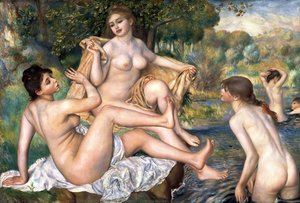
- Los grandes bañistas
- Dos hermanas
- Jóvenes tocando el piano
Artículos relacionados
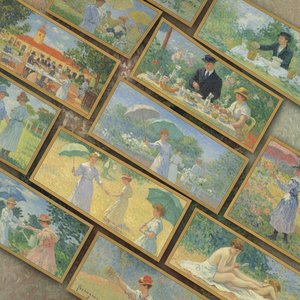
Renoir: Las 25 Obras Maestras del Impresionismo para Decorar tu Hogar con Arte
Descubre las 25 obras maestras de Renoir, el rey del impresionismo. Explora su técnica, historia y significado en cada pintura. Encuentra reproducciones de arte de alta calidad para decorar tu hogar con ArtsDot.com.
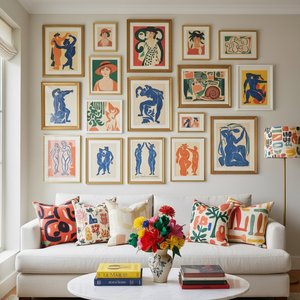
Henri Matisse: Las 25 Obras Maestras que Definieron un Genio del Color | ArtsDot
Descubre las 25 obras maestras de Henri Matisse, el rey del color y padre del fauvismo. Explora su arte moderno, lienzos vibrantes y la historia detrás de cada pintura icónica. Encuentra reproducciones de alta calidad en ArtsDot.com.
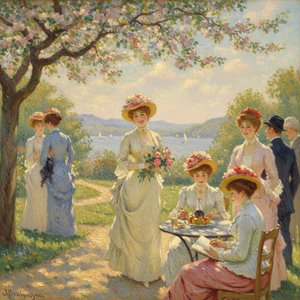
The Luminous World of Pierre-Auguste Renoir: An Exploration of Impressionism's Sensuous Embrace
Explore the captivating world of Pierre-Auguste Renoir! Discover his life, iconic Impressionist masterpieces & enduring legacy with our expert guide. High-quality reproductions available.
Los 10 Maestros Impresionistas que Revolucionaron el Arte | ArtsDot
Descubre los 10 cuadros impresionistas más influyentes de Monet, Renoir y Degas. Explora la historia, técnica y belleza de este movimiento artístico. Reproducciones de arte en ArtsDot.com para decorar tu hogar con estilo.
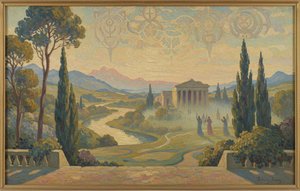
Henri Martin: A Synthesis of Impressionism & Symbolism in the French Landscape Tradition
Explore the captivating world of Henri Martin, a French Post-Impressionist bridging Impressionism & Symbolism. Discover his unique style, influential landscapes, and lasting legacy with ArtsDot.