 Ver en contexto
 Enviar
 Compartir
 Detalles

 Descargar
 Similares
 Radiografía
 Presentación de diapositivas
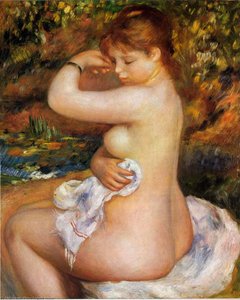
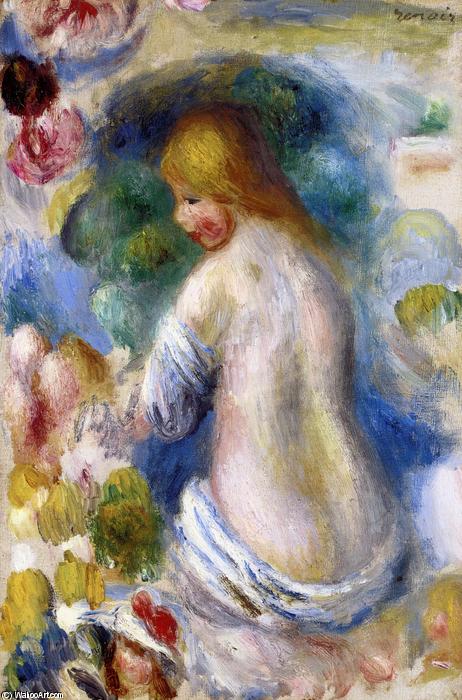
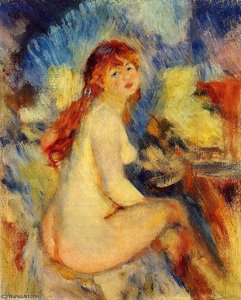
Torso Mujer
 Acrílico sobre lienzo
- Arte de pared
- Impressionismo
 Renacimiento
 34.0 x 23.0 cm
 Ver más
Reproducción al óleo hecha a mano
Óleo sobre lienzo pintado a mano en el tamaño y marco de su elección, realizado por encargo por nuestros artistas. ( Comprar impresión Comprar imagen)




P118B $10

P118H $10

P118W $10

P438Z $10

P508JH $12

P508YH $12

P805H $10

P805Z $10

P919BZ $10

P919G $10

P919XJ $10

P959ZH $10

P968JZ $12

W106C $8

W218G $10

W218JH $8

W218Y $10

W307PJ $10

W316G $10

W316PJ $8

W316Y $10

W398PJ $8

W4111J $10

W500HY $15

W500JH $15

W692G $12

W849H $8

W940BG $15

W953PJ $8




Elija entre nuestros tamaños predefinidos que respetan las proporciones originales de la obra.

Puede ingresar sus propias dimensiones para adaptarse a un marco o espacio específico. Si el tamaño seleccionado no coincide con las proporciones de la imagen original, recortaremos la obra o extenderemos la pintura con elementos adicionales pintados a mano. Se le enviará una maqueta digital para su aprobación antes de comenzar la producción.
Tenga en cuenta que la vista previa en pantalla no refleja el recorte o la extensión reales. Solo la maqueta mostrará con precisión la composición final.
Si bien existen tamaños personalizados, recomendamos seleccionar una dimensión de la lista predefinida para preservar las proporciones originales.
Tras realizar el pedido, el equipo de ArtsDot.com enviará un correo electrónico al cliente para solicitar instrucciones y proporcionarle una vista previa del boceto.
Envío a todo el mundo () en 3-4 semanas en lugar de las 5 semanas estándar. (29 agosto). Sin comprometer la calidad.

Envío exprés gratuito a todo el mundo

Lienzo de lino de alta calidad

Seguro de envío total

Garantía de reembolso de impuestos aduaneros

Garantía de fidelidad cromática exacta

Política de devolución de 60 días (solo por defectos)

Garantía de devolución del 100% del dinero

Descuento por cantidad
 La opción de vidrio solo está disponible en tamaños inferiores a 110 cm.

Torso Mujer
Técnica de reproducción
Dimensiones de la reproducción
-


Precio total final
$ 263
Renoir’s Reverie: Exploring “Woman's Nude Torso”
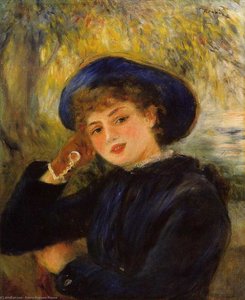
Pierre-Auguste Renoir’s “Woman’s Nude Torso,” completed around 1876, stands as a cornerstone of Impressionist art—a shimmering testament to capturing fleeting beauty and emotion. Measuring just 34 x 23 cm, this painting isn't grand in scale but possesses an astonishing depth of feeling, achieved through Renoir’s masterful manipulation of light and color. It resides within the Musée d’Ixelles in Brussels, Belgium, a treasure trove for admirers of Impressionist masterpieces alongside works by Monet and Gauguin. This intimate portrait transcends mere representation; it invites contemplation on femininity, vulnerability, and the sublime power of artistic perception.Compositional Harmony: Light, Shadow, and Elegant Form
The painting’s genius lies in its deceptively simple composition. Renoir presents a woman turned away from the viewer, her back gracefully arched—a pose that immediately establishes an aura of serenity and repose. The lower half depicts her nude torso draped in flowing white fabric, subtly illuminated by diffused sunlight filtering through the foliage surrounding her. Two potted plants flank the figure, adding visual balance and reinforcing the sense of natural tranquility. A vase positioned near the left edge contributes to the overall harmony, while a bowl nestled at the bottom right corner anchors the composition. Renoir’s careful attention to detail—the delicate folds of fabric, the subtle shading—creates an illusion of palpable warmth and invites viewers into the woman's private world.The Dance of Light: Impressionistic Technique
Renoir’s technique embodies the very essence of Impressionism. He eschewed traditional brushstrokes in favor of short, broken dashes of color that blend optically to create a luminous surface—a characteristic hallmark of the style. The artist meticulously observed how light interacts with surfaces, translating these visual impressions onto canvas with breathtaking accuracy. As art historians note, “Light in painting” is paramount; it’s not merely illumination but an active force shaping perception and conveying emotion. Renoir skillfully captures this dynamism, layering shades of peach, rose, and cream to imbue the torso with a radiant glow—a glow that seems to emanate from within. The interplay between light and shadow sculpts the form, emphasizing contours and adding textural richness.Symbolism Beyond Surface Beauty
“Woman’s Nude Torso” is more than just a beautiful depiction of the human body; it carries symbolic weight rooted in Impressionist sensibilities. The nude figure represents idealized femininity—a celebration of grace, purity, and sensual beauty. However, Renoir avoids overtly sentimental portrayals, opting instead for understated elegance that speaks to the viewer’s intellect as well as their emotions. The white dress symbolizes innocence and vulnerability, while the pearl necklace subtly hints at refinement and sophistication. Furthermore, the surrounding greenery evokes notions of rebirth and renewal—a visual metaphor for the woman's inner life.Echoes of Impressionist Masters: Monet and Gauguin
Comparing “Woman’s Nude Torso” to other celebrated Impressionist works reveals a shared commitment to capturing fleeting moments of beauty and emotion. Claude Monet’s landscapes, characterized by shimmering reflections and atmospheric haze, similarly prioritize the sensory experience—the way light transforms color and form over time. Paul Gauguin's bold use of color and simplified forms—as seen in “Harbour Scene, Dieppe”—demonstrates a rejection of academic conventions in favor of expressive abstraction. Like these artists, Renoir sought to convey not just what he saw but how he felt—a profound connection between artist and subject that continues to resonate with audiences today. The Musée d’Ixelles houses an impressive collection of Impressionist art, allowing visitors to immerse themselves in the stylistic innovations of this transformative period in artistic history.Obras relacionadas

Biografía del artista
vida temprana y carrera
pierre-auguste renoir, un artista francés fundamental, nació el 25 de febrero de 1841 en Limoges, Francia. Jugó un papel crucial a la hora de dar forma al movimiento impresionista, conocido por su luz vibrante y sus colores saturados. La obra de Renoir celebraba la belleza, particularmente la sensualidad femenina, colocándolo en una línea de artistas que se extendía desde Rubens hasta Watteau.legado artístico
El legado de Renoir se extendió más allá de su lienzo, como patriarca de una familia donde el arte florecía en diversas formas. Sus hijos, pierre renoir (1885–1952), el cineasta jean renoir (1894–1979) y el artista ceramista claude renoir (1901–1969), cada uno hizo contribuciones significativas en sus campos. Su nieto, el cineasta claude renoir (1913–1993), avanzó aún más la herencia artística de la familia.obras notables y museos
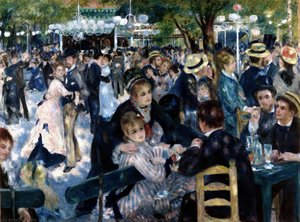
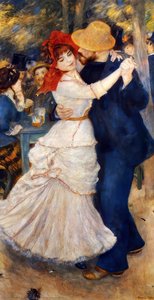
* dance at bougival, una pintura notable de Renoir, muestra su dominio para capturar la esencia del arte impresionista. * El musée des collettes, ubicado en Cagnes-sur-Mer, Francia, es un destino imprescindible para los amantes del arte. Este museo, que fue la casa de Pierre-Auguste Renoir, sirve como testimonio de su vida y obra, alberga quince de sus pinturas. * El musée maurice denis, otra joya oculta en Francia, presenta una impresionante colección de pinturas postimpresionistas franceses de finales del siglo XIX y principios del siglo XX.explora el arte de Renoir con ArtsDot
- Descubre el encanto del musée des collettes (Francia) y su arte impresionista en ArtsDot: [https://ArtsDot.com/@@/a@d3aupf](https://ArtsDot.com/@@/a@d3aupf)
- Explora las maravillas del musée maurice denis (Francia) con ArtsDot: /es/art/show/art-d3aue3-es/
- Visualiza las pinturas de Renoir, incluyendo dance at bougival, en ArtsDot: [https://ArtsDot.com/@/pierre-auguste renoir](https://ArtsDot.com/@/pierre-auguste%20renoir)
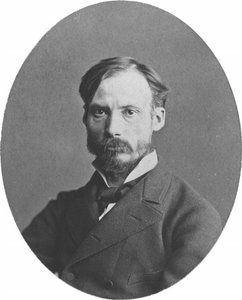
Pierre-Auguste Renoir
1841 - 1919 , Francia
Datos clave
- Artistas Que Influyeron:
- Rubens
- Watteau
- Camille Pissarro
- Édouard Manet
- Fecha De Fallecimiento: 3 de diciembre de 1919
- Fecha De Nacimiento: 25 de febrero de 1841
- Lugar De Nacimiento: Limoges, Francia
- Movimiento Artístico: Impresionismo
- Nacionalidad: Francés
- Nombre Completo: Pierre-Auguste Renoir
- Obras Notables:
- Baile en Bougival
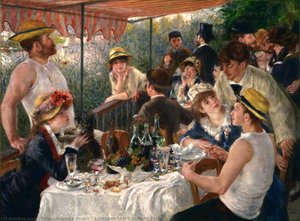
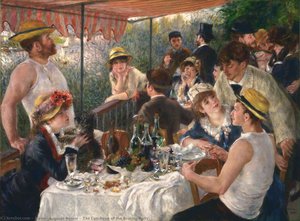
- Almuerzo de la fiesta de remo
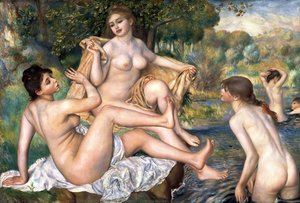
- Los grandes bañistas
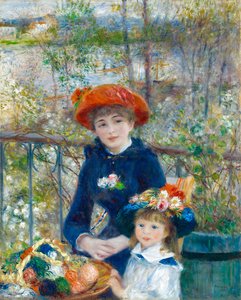
- Dos hermanas
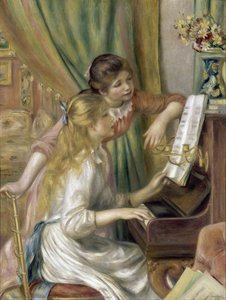
- Jóvenes tocando el piano
Artículos relacionados

Renoir: Las 25 Obras Maestras del Impresionismo para Decorar tu Hogar con Arte
Descubre las 25 obras maestras de Renoir, el rey del impresionismo. Explora su técnica, historia y significado en cada pintura. Encuentra reproducciones de arte de alta calidad para decorar tu hogar con ArtsDot.com.
Los 10 Maestros Impresionistas que Revolucionaron el Arte | ArtsDot
Descubre los 10 cuadros impresionistas más influyentes de Monet, Renoir y Degas. Explora la historia, técnica y belleza de este movimiento artístico. Reproducciones de arte en ArtsDot.com para decorar tu hogar con estilo.
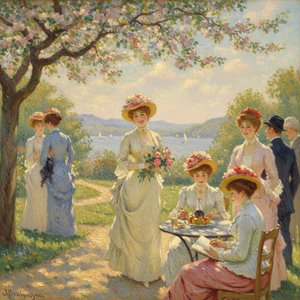
The Luminous World of Pierre-Auguste Renoir: An Exploration of Impressionism's Sensuous Embrace
Explore the captivating world of Pierre-Auguste Renoir! Discover his life, iconic Impressionist masterpieces & enduring legacy with our expert guide. High-quality reproductions available.

Los 10 Maestros Impresionistas que Revolucionaron el Arte | ArtsDot
Descubre los 10 cuadros impresionistas más influyentes de Monet, Renoir y Degas. Explora la historia, técnica y colores vibrantes del impresionismo. Encuentra reproducciones de arte exclusivas en ArtsDot.com.
Impresionismo: 10 Obras Maestras que Capturan la Luz y el Momento
Descubre 10 obras maestras del impresionismo de Monet, Renoir y Degas. Explora la luz, el color y las historias detrás de estos icónicos cuadros. Reproducciones de arte en ArtsDot.com para decorar tu hogar con estilo.