 Ver en contexto
 Enviar
 Compartir
 Detalles

 Descargar
 Similares
 Radiografía
 Presentación de diapositivas
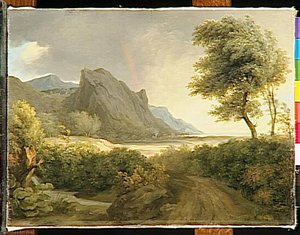
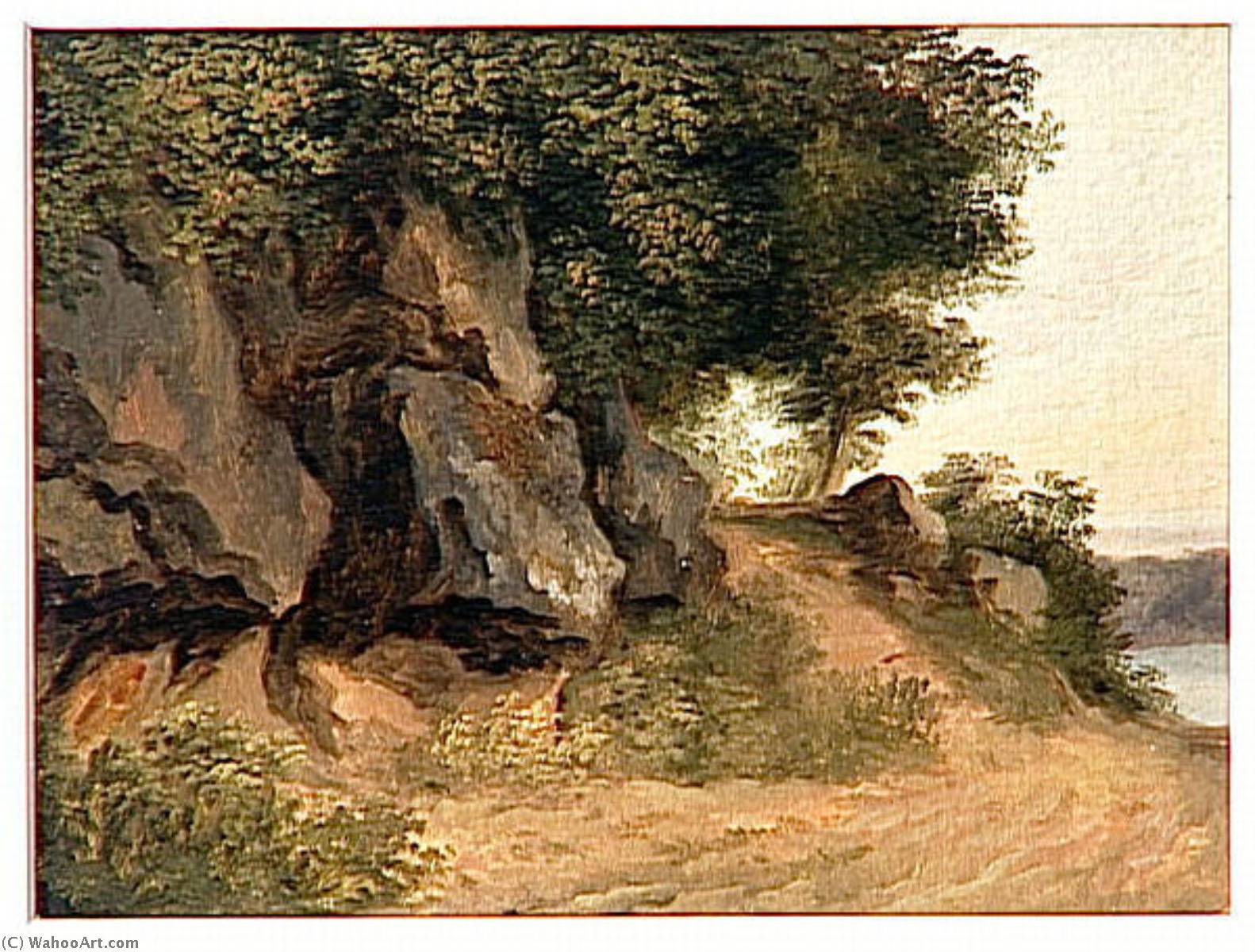
CHEMIN ROCHEUX PRES DE NEMI


 Ver más
Reproducción al óleo hecha a mano
Óleo sobre lienzo pintado a mano en el tamaño y marco de su elección, realizado por encargo por nuestros artistas. ( Comprar impresión Comprar imagen)




P118B $10

P118H $10

P118W $10

P438Z $10

P508JH $12

P508YH $12

P805H $10

P805Z $10

P919BZ $10

P919G $10

P919XJ $10

P959ZH $10

P968JZ $12

W106C $8

W218G $10

W218JH $8

W218Y $10

W307PJ $10

W316G $10

W316PJ $8

W316Y $10

W398PJ $8

W4111J $10

W500HY $15

W500JH $15

W692G $12

W849H $8

W940BG $15

W953PJ $8




Elija entre nuestros tamaños predefinidos que respetan las proporciones originales de la obra.

Puede ingresar sus propias dimensiones para adaptarse a un marco o espacio específico. Si el tamaño seleccionado no coincide con las proporciones de la imagen original, recortaremos la obra o extenderemos la pintura con elementos adicionales pintados a mano. Se le enviará una maqueta digital para su aprobación antes de comenzar la producción.
Tenga en cuenta que la vista previa en pantalla no refleja el recorte o la extensión reales. Solo la maqueta mostrará con precisión la composición final.
Si bien existen tamaños personalizados, recomendamos seleccionar una dimensión de la lista predefinida para preservar las proporciones originales.
Tras realizar el pedido, el equipo de ArtsDot.com enviará un correo electrónico al cliente para solicitar instrucciones y proporcionarle una vista previa del boceto.
Envío a todo el mundo () en 3-4 semanas en lugar de las 5 semanas estándar. (22 agosto). Sin comprometer la calidad.

Envío exprés gratuito a todo el mundo

Lienzo de lino de alta calidad

Seguro de envío total

Garantía de reembolso de impuestos aduaneros

Garantía de fidelidad cromática exacta

Política de devolución de 60 días (solo por defectos)

Garantía de devolución del 100% del dinero

Descuento por cantidad
 La opción de vidrio solo está disponible en tamaños inferiores a 110 cm.

CHEMIN ROCHEUX PRES DE NEMI
Técnica de reproducción
Dimensiones de la reproducción
-


Precio total final
$ 263
Descripción de la obra
The Allure of the Winding Path: A Study in Natural Grandeur
To gaze upon Pierre de Valenciennes’s Chemin Rocheux Pres de Nemi is to step across the threshold of time and into a meticulously composed dreamscape. This small-scale oil painting captures more than just a vista; it arrests a moment of profound, quiet contemplation. The eye is immediately drawn along the winding path, a serpentine invitation leading deep into the heart of the composition. Flanked by rugged rock formations on one side and the gentle suggestion of water on another, the scene speaks to the enduring human impulse to journey—a physical passage mirrored by an emotional quest for tranquility.
Mastery in Earth Tones: Technique and Texture
Valenciennes demonstrates a remarkable command over the subtleties of light and shadow. The palette is deeply resonant with the earth itself: rich ochres, deep forest greens, muted blues, and various shades of brown coalesce to create an atmosphere that is both somber and utterly peaceful. Observe how the artist renders texture; the sharp, geometric strata of the rocks contrast beautifully with the soft, organic chaos of the foliage. This interplay is achieved through detailed brushwork, giving the viewer a tangible sense of roughness underfoot and velvety moss clinging to stone. The light, diffuse and seemingly originating from an unseen source, bathes the entire scene in a gentle glow, allowing depth to emerge not through stark contrast, but through the delicate graduation of paler tones into the distance—a masterful touch of atmospheric perspective.
Echoes of Enlightenment Romanticism
This work situates itself at a fascinating crossroads in art history. While its detailed rendering speaks to the academic precision valued during the late Enlightenment, the subject matter—the sublime power and quiet mystery of nature—firmly plants it within the burgeoning spirit of Romanticism. Valenciennes was instrumental in elevating landscape painting from mere backdrop to primary subject. He championed an approach that sought not just to record what the eye saw, but to evoke what the soul felt when confronted by untamed beauty. It is a restrained passion; a sophisticated meditation on nature’s enduring majesty.
Symbolism of the Journey
The path itself functions as the painting's most potent symbol. A winding road in art history rarely signifies mere travel; it suggests life’s unpredictable journey, marked by moments of rugged challenge (the rocks) balanced against periods of calm reflection (the water). The setting near Nemi, a place steeped in classical resonance, imbues the scene with an added layer of historical weight—a sense of timeless beauty enduring through epochs. For the collector or designer, this piece offers more than decoration; it offers a visual anchor to moments of repose, suggesting that even amidst life's most complex passages, there is always a path leading toward quiet understanding.
Obras relacionadas
Biografía del artista
Pierre de Valenciennes: Pioneer of Open-Air Painting and Romantic Landscape
Pierre Henri de Valenciennes (1750 – 1819) stands as a pivotal figure in the burgeoning landscape movement of the late Enlightenment and early Romantic eras. Often overshadowed by his contemporaries, Valenciennes’s contribution to artistic innovation—specifically his championing of “landscape portraits”—laid the groundwork for a new approach to painting that profoundly impacted subsequent generations of artists. Born in Toulouse, France, Valenciennes pursued his artistic ambitions with unwavering dedication, establishing himself as a respected painter and teacher during his time in Rome and later Paris.Early Influences and Roman Period (1778-1782)
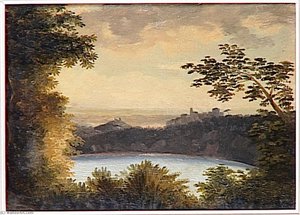
Valenciennes’s formative years were spent in Rome, where he immersed himself in the artistic fervor of the city and honed his skills under the tutelage of influential masters. Unlike many artists of his time who favored studio practice, Valenciennes embarked on a revolutionary experiment: direct observation of nature. He meticulously documented landscapes—primarily around Lake Nemi and Genzano—capturing them with unprecedented accuracy and sensitivity to light and atmosphere. This approach wasn’t merely stylistic; it represented a philosophical shift toward understanding the world through sensory experience. His treatise, “Reflections and Advice to a Student on Painting,” eloquently articulated this conviction, arguing that artists should strive to depict landscapes as they appear before their eyes—a concept that would become known as "landscape portrait." Valenciennes’s detailed studies of trees and buildings at different times of day demonstrated an acute awareness of the ephemeral qualities of visual perception. He sought inspiration from the monumental canvases of Nicolas Poussin, absorbing his mastery of classical composition and idealized beauty.Technique and Artistic Vision
Valenciennes's technique was characterized by a masterful blend of tonal gradation and subtle color harmonies, reflecting the influence of Caravaggio and Rembrandt. He skillfully employed chiaroscuro—the dramatic interplay of light and shadow—to convey depth and emotion within his compositions. Valenciennes’s artistic vision extended beyond mere visual representation; he believed that landscape painting could communicate profound ideas about humanity's relationship with nature. Recognizing that capturing not only the beauty of a scene but also its cultural context—the architecture, dress, agriculture, and social customs—were crucial to conveying its essence, Valenciennes championed an approach that foreshadowed the Romantic preoccupation with emotion and imagination. He urged painters to consider how light and color could evoke feelings of awe and wonder, mirroring the grandeur of the natural world. This humanist perspective distinguished Valenciennes from many of his peers who adhered to more formal conventions.Students and Legacy
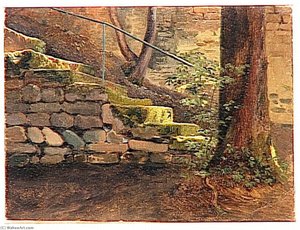
Valenciennes nurtured a cohort of talented students who carried forward his artistic ideals. Among them were Jean Victor Bertin, Achille Etna Michallon, Louis Étienne Watelet, and Louis François Lejeune—artists who would become prominent figures in the French landscape movement. Valenciennes’s influence extended beyond his immediate pupils; he mentored Pierre Prévost, establishing him as the first French panorama painter and furthering the exploration of expansive vistas. His landscapes continue to inspire admiration for their realism, emotional resonance, and intellectual depth. Particularly noteworthy are “L’Escalier de Pierres Recouvert de Mousse” and “Les Environs de Genzano,” which exemplify Valenciennes's commitment to capturing the nuances of natural beauty with remarkable precision. His unwavering dedication to observing and portraying nature cemented his place as a foundational figure in Romantic landscape painting, shaping the artistic sensibilities of subsequent generations.Historical Significance
Pierre de Valenciennes deserves recognition as a trailblazer who challenged artistic conventions and championed a new aesthetic sensibility. His insistence on working outdoors—a practice considered unorthodox by many of his contemporaries—established him as a champion of Romantic ideals. Furthermore, his conceptualization of “landscape portraits” profoundly impacted the trajectory of French landscape art, influencing artists like Hubert Robert, Pierre Athanaise Chauvin, and Achille Etna Michallon who embraced an anthropological approach to depicting rural life and customs. Valenciennes’s legacy endures not only in his paintings but also in his enduring contribution to the intellectual discourse surrounding artistic practice—a testament to his visionary spirit and lasting impact on European art history.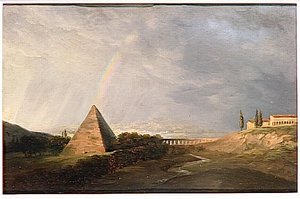
Pierre Henri De Valenciennes
1750 - 1819 , Francia
Datos clave
- Artistic Movement Or Style: Romantic Landscape Painting
- Artists Who Influenced This Artist:
- Hubert Robert
- Pierre Athanaise Chauvin
- Achille Etna Michallon
- Date Of Death: 1819
- Full Name: Pierre Henri de Valenciennes
- Nationality: Francés
- Notable Artworks:
- Le Lac de Nemi et Genzano
- L’Escalier de Pierres Recouvert de Mousse
- Les Envirs de Genzano
- Place Of Birth: Toulouse, Francia
Artículos relacionados
Renoir: Las 25 Obras Maestras del Impresionismo para Decorar tu Hogar con Arte
Descubre las 25 obras maestras de Renoir, el rey del impresionismo. Explora su técnica, historia y significado en cada pintura. Encuentra reproducciones de arte de alta calidad para decorar tu hogar con ArtsDot.com.

Goya: Las 25 Obras Maestras del Genio Español | Reproducciones de Arte en ArtsDot
Descubre las 25 obras maestras de Goya, el genio español. Explora retratos icónicos, 'Los Caprichos' y 'Las Pinturas Negras'. Reproducciones de arte en lienzo de alta calidad para decorar tu hogar con estilo. ¡Encuentra tu obra favorita en ArtsDot.com!

Paisajes Románticos: 10 Obras Maestras que Definieron un Movimiento Artístico
Descubre los 10 paisajes románticos más influyentes de artistas como Caspar David Friedrich y Turner. Explora la belleza, el simbolismo y las técnicas del movimiento romántico. Reproducciones de arte exclusivas en ArtsDot.com.

Katsushika Hokusai: Las 25 Obras Maestras del Ukiyo-e que Transformaron el Arte Japonés | ArtsDot
Descubre las 25 obras maestras de Katsushika Hokusai, el genio del ukiyo-e. Explora 'La Gran Ola', paisajes japoneses y su impacto en el arte moderno. Reproducciones de alta calidad para tu hogar en ArtsDot.com.
Evoking Emotion & Transcendence: Romantic Landscape Painting (18th-19th Century)
Explore the emotional depth of Romantic landscape painting (18th-19th century). Discover key artists like Friedrich & Cole, and the concepts of the sublime. Expert insights for art lovers & collectors.