

 Ver en contexto
 Enviar
 Compartir
 Detalles

 Descargar
 Similares
 Radiografía
 Presentación de diapositivas
 Estadísticas
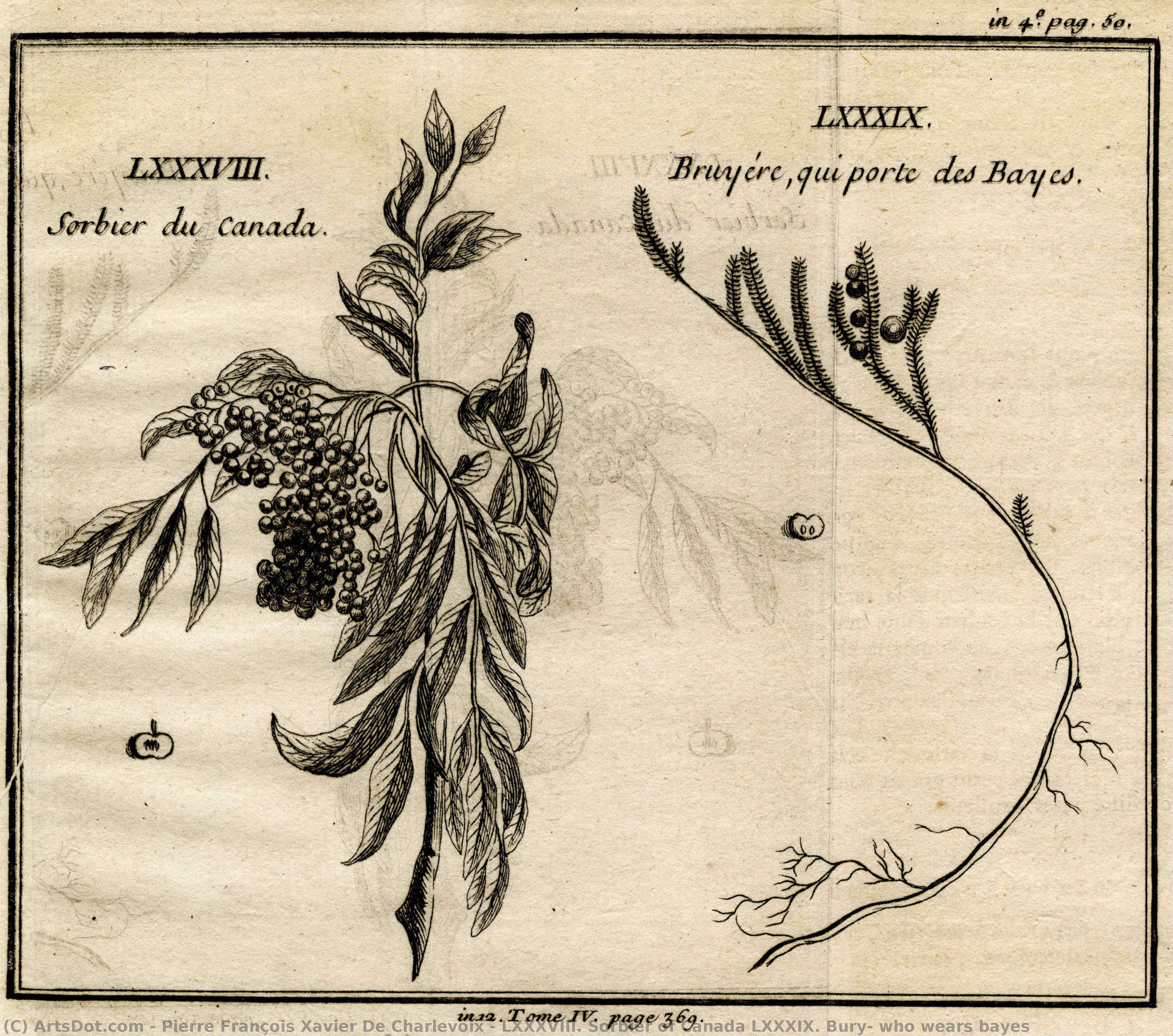
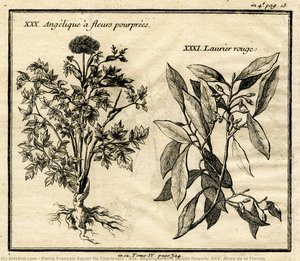
LXXXVIII. Sorbier of Canada LXXXIX. Bury, who wears bayes
 Engraving
 1744
1744- Early Modern
 16.0 x 18.0 cm
 Museo Nacional de Historia Natural de Canadá
 Ver más
Giclée / Impresión de arte
Impresiones giclée o en lienzo de calidad de museo con producción rápida y opciones de acabado flexibles. ( Comprar pintura hecha a mano Cambiar a imagen digital)




P118B $10

P118H $10

P118W $10

P438Z $10

P508JH $12

P508YH $12

P805H $10

P805Z $10

P919BZ $10

P919G $10

P919XJ $10

P959ZH $10

P968JZ $12

W106C $8

W218G $10

W218JH $8

W218Y $10

W307PJ $10

W316G $10

W316PJ $8

W316Y $10

W398PJ $8

W4111J $10

W500HY $15

W500JH $15

W692G $12

W849H $8

W940BG $15

W953PJ $8




Elija entre nuestros tamaños predefinidos que respetan las proporciones originales de la obra.

Puede introducir sus propias dimensiones para adaptarse a un marco o espacio específico. Si el tamaño seleccionado no coincide con las proporciones de la imagen original, recortaremos la obra de arte o extenderemos la imagen con un borde con efecto espejo o de color sólido. Se enviará una maqueta digital para su aprobación antes de que comience la producción.
Tenga en cuenta que la vista previa en pantalla no refleja el recorte o la extensión real. Solo la maqueta mostrará con precisión la composición final.
Aunque existen tamaños personalizados, recomendamos seleccionar una dimensión de la lista predefinida para preservar las proporciones originales.
Envío a todo el mundo () en 2 semanas en lugar de las 4/5 semanas estándar. (10 septiembre)

Envío exprés gratuito a todo el mundo

Lienzo de lino de alta calidad

Seguro de envío total

Garantía de reembolso de impuestos aduaneros

Garantía de fidelidad cromática exacta

Política de devolución de 100 días (solo por defectos)

Garantía de devolución del 100% del dinero

Descuento por cantidad
 La opción de vidrio solo está disponible en tamaños inferiores a 110 cm.

LXXXVIII. Sorbier of Canada LXXXIX. Bury, who wears bayes
Giclée / Impresión de arte
Dimensiones de la reproducción
-


Precio total final
$ 62
A Botanical Window into New France
In the delicate dance of ink and paper, there exists a profound connection between the natural world and the human desire to document it. The engraving LXXXVIII. Sorbier of Canada LXXXIX. Bury, who wears bayes, dating back to 1744, serves as an exquisite portal into the botanical wonders of a bygone era. Created by the renowned French Jesuit priest, traveler, and historian Pierre François Xavier de Charlevoix, this piece is far more than a mere scientific illustration; it is a poetic encounter with the flora of New France. Through the meticulous medium of black and white engraving, the artist captures the structural elegance of two distinct botanical specimens, presenting them with a clarity that transcends the centuries.
The composition is a masterclass in balance and contrast. On one side, we encounter the Sorbier of Canada, depicted as a leafy, robust presence, its branches adorned with small, hanging berries that suggest the quiet abundance of the Canadian wilderness. Opposite this, the Bury presents a more ethereal, delicate silhouette, offering a rhythmic counterpoint to its sturdier companion. The use of fine line work and hatching creates a sense of depth and texture, allowing the viewer to almost feel the roughness of the bark and the softness of the foliage. This interplay of light and shadow, achieved through the disciplined technique of engraving, lends the work a sculptural quality that remains striking even in its monochromatic form.
The Legacy of Exploration and Scientific Artistry
To understand this artwork is to understand the spirit of the 18th-century Enlightenment. Charlevoix was not merely an observer but a chronicler of a new world. His work, particularly his monumental Histoire et description générale de la Nouvelle-France, sought to bring the untamed landscapes of North America into the intellectual salons of Europe. This engraving represents the intersection of scientific inquiry and artistic expression; it is a piece born from the necessity of documentation, yet elevated by an aesthetic sensibility that finds beauty in the minute details of nature.
For the discerning collector or interior designer, this reproduction offers a sophisticated touch of historical gravity. The presence of French inscriptions throughout the plate adds an air of academic prestige and old-world charm, making it an ideal centerpiece for a library, a study, or a curated gallery wall. It evokes a sense of nostalgia for the age of discovery, inviting contemplation on our enduring relationship with the environment. Whether framed as a singular statement of elegance or integrated into a larger collection of botanical prints, this work brings a timeless, scholarly grace to any interior space, celebrating the enduring allure of the natural world through the lens of history.
Obras relacionadas


Biografía del artista
primeros años y educación
pierre françois xavier de charlevoix, sacerdote jesuita, viajero e historiador francés, nació en saint-quentin, francia, en 1682. su vida llegó a su fin en la flèche, francia, en 1761, dejando tras de sí un legado eterno como el primer historiador de nueva francia.contribuciones al arte y la historia
charlevoix es reconocido principalmente por sus inestimables contribuciones al estudio de nueva francia, destacando entre ellas su obra histoire et description générale de la nouvelle-france, publicada en 1744. este trabajo no solo hace gala de su maestría como historiador, sino que también ofrece una ventana invaluable hacia los albores de la historia de nueva francia.obras artísticas
entre las obras artísticas más notables de charlevoix se encuentran:- xxxiv. waux wedding routes xxxiv. waux wedding routes xxxv. apious de l (grabado, museo canadiense de la naturaleza, ottawa, canadá)
- otras obras, tales como sus bocetos y pinturas, demuestran su destreza como artista y su capacidad para capturar la esencia misma de nueva francia.
museos que albergan la obra de charlevoix
el arte de charlevoix puede apreciarse en diversos museos, entre ellos:- museo canadiense de la naturaleza, ottawa, canadá
- el musée baron gérard (francia), bayeux, francia (que exhibe arte europeo desde la prehistoria hasta el siglo XX)
relevancia e impacto
la obra de charlevoix ha sido ampliamente reconocida por su trascendencia histórica, y su estilo artístico continúa inspirando tanto a artistas como a historiadores. sus aportaciones al estudio de nueva francia lo han consagrado como un pionero tanto en el ámbito del arte como en el de la historia. descubra más sobre pierre françois xavier de charlevoix en ArtsDot.com: [https://ArtsDot.com/@/pierre-francois-xavier-de-charlevoix](https://ArtsDot.com/@/pierre-francois-xavier-de-charlevoix) explore el musée baron gérard (francia) y sus obras maestras en ArtsDot.com: [https://ArtsDot.com/@@/9avcev-ArtsDot-in-your-pocket](https://ArtsDot.com/@@/9avcev-ArtsDot-in-your-pocket)referencias
- pierre françois xavier de charlevoix, ArtsDot.com
- musée baron gérard (francia), ArtsDot.com
- wikipedia: pierre françois xavier de charlevoix, wikipedia.org
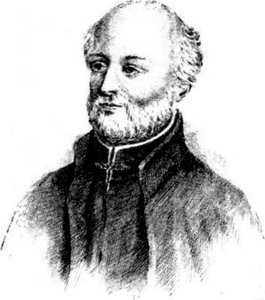
Pierre François Xavier De Charlevoix
1682 - 1761 , Francia
Datos clave
- Artistic Movement Or Style: Rococo
- Date Of Birth: Saint Quentin, Francia (1682)
- Date Of Death: La Flèche, Francia (1761)
- Full Name: Pierre François Xavier de Charlevoix
- Nationality: Francés
- Notable Artworks:
- Iupatoire du cane
- Angélique con púrpura flores
- Alcea de la Florida
- Place Of Birth: Saint Quentin
Artículos relacionados

Las 10 Pinturas Más Famosas Dominadas por el Negro | Arte y Decoración
Descubre las 10 pinturas más impactantes dominadas por el negro. Explora obras maestras de Rembrandt, Goya y Rothko, su historia y significado. Encuentra reproducciones de arte exclusivas para transformar tu hogar en .
Los 10 Grabados Legendarios que Transformaron la Historia del Arte | ArtsDot
Descubre los 10 grabados legendarios de Dürer, Rembrandt y Goya que revolucionaron el arte. Explora la historia, técnicas y belleza atemporal de estas obras maestras. Reproducciones de alta calidad en ArtsDot.com para decorar tu hogar con arte clásico.

Blanco Sublime: Los 10 Cuadros Más Famosos Dominados por la Luz y el Color
Descubre los 10 cuadros blancos más emblemáticos de la historia del arte. Explora Monet, Van Gogh y Klimt, y su magistral uso de la luz y el color. Encuentra reproducciones de alta calidad e inspírate para tu decoración en .

Monochrome Visions: Exploring the Aesthetic & Historical Significance of Black & White Photography
Explore the rich history & artistic power of black and white photography. From early techniques to iconic masters like Ansel Adams, discover why monochrome continues to captivate art lovers today. Expert insights for collectors.
Engraving: A Historical Survey of Technique, Artistic Expression & Enduring Legacy
Explore the rich history of engraving with ArtsDot. Discover techniques, iconic artists like Dürer & Callot, collecting tips, and expert guidance for preserving your art investment. Learn about intaglio printing & more!