

 Ver en contexto
 Enviar
 Compartir
 Detalles

 Descargar
 Similares
 Radiografía
 Presentación de diapositivas
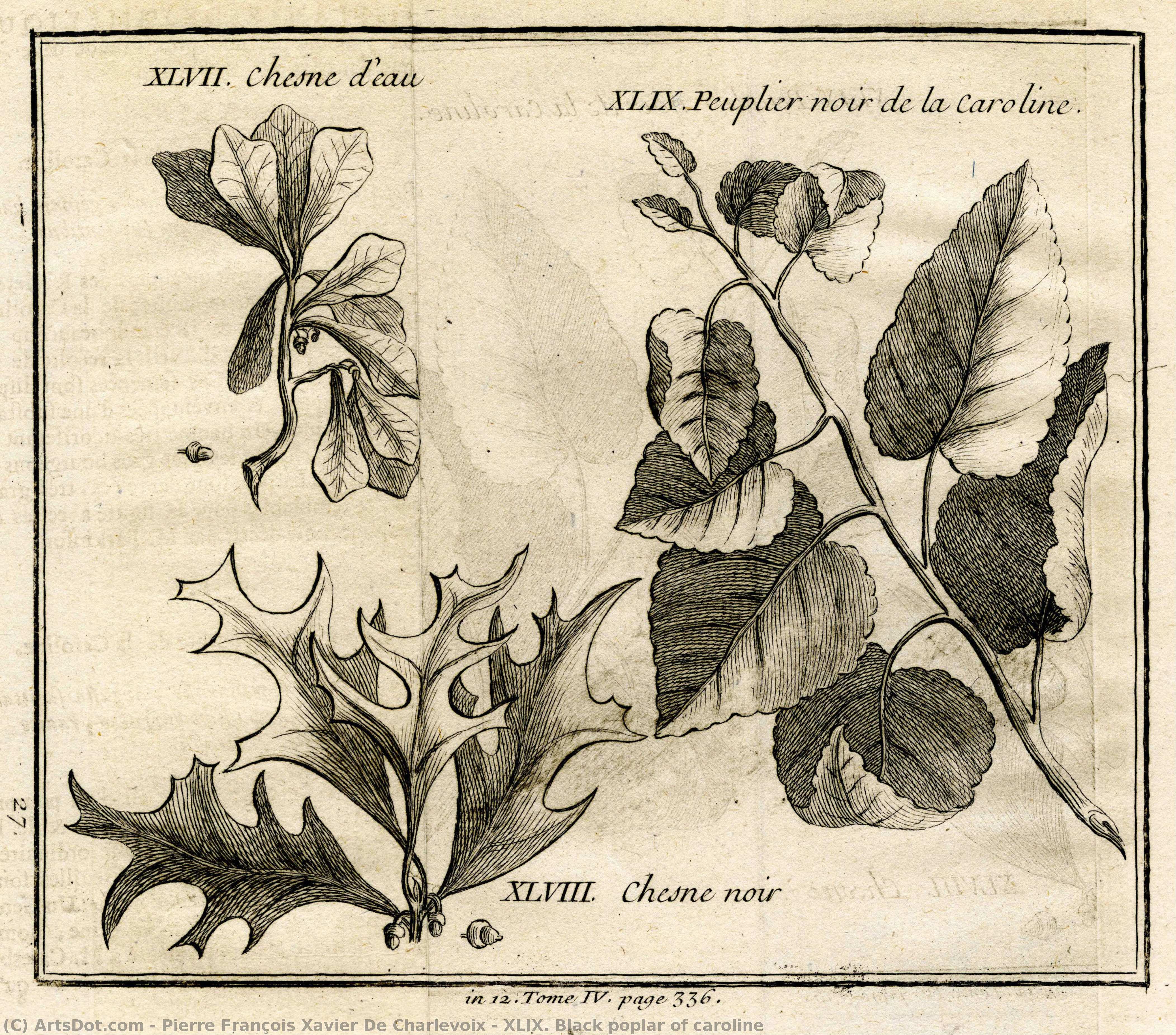
XLIX. Black poplar of caroline
 Engraving
- Neoclassicism
 1744
1744- Early Modern
 16.0 x 18.0 cm
 Museo Nacional de Historia Natural de Canadá
 Ver más
Reproducción al óleo hecha a mano
Óleo sobre lienzo pintado a mano en el tamaño y marco de su elección, realizado por encargo por nuestros artistas. ( Comprar impresión Comprar imagen)




































Elija entre nuestros tamaños predefinidos que respetan las proporciones originales de la obra.

Puede ingresar sus propias dimensiones para adaptarse a un marco o espacio específico. Si el tamaño seleccionado no coincide con las proporciones de la imagen original, recortaremos la obra o extenderemos la pintura con elementos adicionales pintados a mano. Se le enviará una maqueta digital para su aprobación antes de comenzar la producción.
Tenga en cuenta que la vista previa en pantalla no refleja el recorte o la extensión reales. Solo la maqueta mostrará con precisión la composición final.
Si bien existen tamaños personalizados, recomendamos seleccionar una dimensión de la lista predefinida para preservar las proporciones originales.
Tras realizar el pedido, el equipo de ArtsDot.com enviará un correo electrónico al cliente para solicitar instrucciones y proporcionarle una vista previa del boceto.
Envío a todo el mundo () en 3-4 semanas en lugar de las 5 semanas estándar. (30 agosto). Sin comprometer la calidad.

Envío exprés gratuito a todo el mundo

Lienzo de lino de alta calidad

Seguro de envío total

Garantía de reembolso de impuestos aduaneros

Garantía de fidelidad cromática exacta

Política de devolución de 60 días (solo por defectos)

Garantía de devolución del 100% del dinero

Descuento por cantidad
 La opción de vidrio solo está disponible en tamaños inferiores a 110 cm.

XLIX. Black poplar of caroline
Técnica de reproducción
Dimensiones de la reproducción
-


Precio total final
$ 263
A Botanical Window into New France
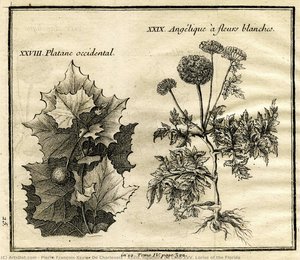
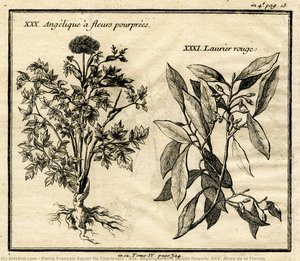
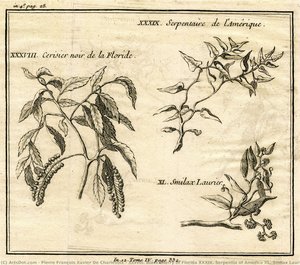
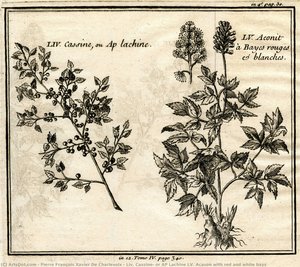
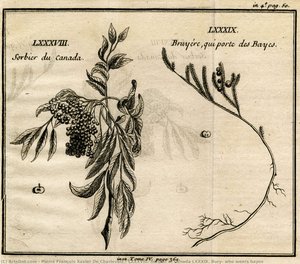
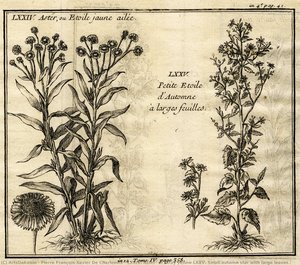
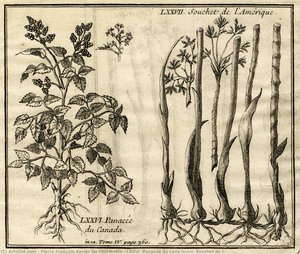
In the delicate dance of ink and paper, XLIX. Black poplar of caroline serves as a profound temporal bridge, transporting the viewer back to the year 1744. This exquisite botanical engraving, crafted by the renowned French Jesuit priest and historian Pierre François Xavier de Charlevoim, is far more than a mere scientific record; it is a poetic encounter with a lost landscape. Through the meticulous application of fine lines, Charlevoix captures the essence of the flora found in New France, presenting the black poplar and water violet with a clarity that feels both intimate and monumental. For the discerning collector or interior designer, this piece offers a sophisticated touch of historical elegance, bringing the quiet, structured beauty of 18th-century naturalism into a contemporary setting.
The technique employed in this work is a masterclass in the art of engraving. Utilizing the precise medium of ink on paper, Charlevoix employs intricate hatching and cross-hatching to breathe life into the organic forms. One can trace the delicate veins of each leaf and the soft, layered petals of the blossoms as they overlap in a dense, rhythmic composition. The lack of dramatic shadows or heavy chiaroscuro allows for an even, diffuse light that illuminates every botanical detail with scientific reverence. This flat yet deeply textured perspective creates a sense of tactile reality, where the viewer can almost feel the crispness of the foliage and the structural strength of the poplar stems.
Beyond its technical brilliance, the artwork carries a weight of historical significance that resonates with scholars and art lovers alike. As Charlevoix was the first to document the vast reaches of New France, this engraving acts as a visual diary of an era of exploration and discovery. There is a quiet, observational dignity in the way the plants are presented—devoid of overt symbolism, yet imbued with the profound importance of documentation. The piece evokes a sense of nostalgia for the age of Enlightenment, where the pursuit of knowledge was inextricably linked to the careful observation of the natural world. It is an invitation to slow down, to observe, and to appreciate the intricate complexities of life that often go unnoticed in our modern, fast-paced existence.
Integrating a high-quality reproduction of this masterpiece into a curated space can transform an environment. Its monochromatic palette and fine linework make it an incredibly versatile choice for various interior styles, from the classic grandeur of a traditional library to the minimalist sophistication of a modern gallery-style living room. When framed appropriately, the piece acts as a focal point of intellectual and aesthetic refinement, offering a serene atmosphere that celebrates the enduring legacy of botanical art and the spirit of historical exploration.
Obras relacionadas
Biografía del artista
primeros años y educación
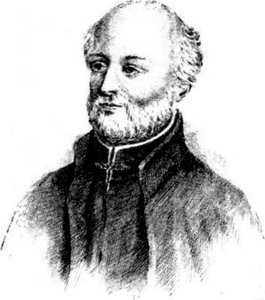
pierre françois xavier de charlevoix, sacerdote jesuita, viajero e historiador francés, nació en saint-quentin, francia, en 1682. su vida llegó a su fin en la flèche, francia, en 1761, dejando tras de sí un legado eterno como el primer historiador de nueva francia.contribuciones al arte y la historia
charlevoix es reconocido principalmente por sus inestimables contribuciones al estudio de nueva francia, destacando entre ellas su obra histoire et description générale de la nouvelle-france, publicada en 1744. este trabajo no solo hace gala de su maestría como historiador, sino que también ofrece una ventana invaluable hacia los albores de la historia de nueva francia.obras artísticas
entre las obras artísticas más notables de charlevoix se encuentran:- xxxiv. waux wedding routes xxxiv. waux wedding routes xxxv. apious de l (grabado, museo canadiense de la naturaleza, ottawa, canadá)
- otras obras, tales como sus bocetos y pinturas, demuestran su destreza como artista y su capacidad para capturar la esencia misma de nueva francia.
museos que albergan la obra de charlevoix
el arte de charlevoix puede apreciarse en diversos museos, entre ellos:- museo canadiense de la naturaleza, ottawa, canadá
- el musée baron gérard (francia), bayeux, francia (que exhibe arte europeo desde la prehistoria hasta el siglo XX)
relevancia e impacto
la obra de charlevoix ha sido ampliamente reconocida por su trascendencia histórica, y su estilo artístico continúa inspirando tanto a artistas como a historiadores. sus aportaciones al estudio de nueva francia lo han consagrado como un pionero tanto en el ámbito del arte como en el de la historia. descubra más sobre pierre françois xavier de charlevoix en ArtsDot.com: [https://ArtsDot.com/@/pierre-francois-xavier-de-charlevoix](https://ArtsDot.com/@/pierre-francois-xavier-de-charlevoix) explore el musée baron gérard (francia) y sus obras maestras en ArtsDot.com: [https://ArtsDot.com/@@/9avcev-ArtsDot-in-your-pocket](https://ArtsDot.com/@@/9avcev-ArtsDot-in-your-pocket)referencias
- pierre françois xavier de charlevoix, ArtsDot.com
- musée baron gérard (francia), ArtsDot.com
- wikipedia: pierre françois xavier de charlevoix, wikipedia.org
Pierre François Xavier De Charlevoix
1682 - 1761 , Francia
Datos clave
- Artistic Movement Or Style: Rococo
- Date Of Birth: Saint Quentin, Francia (1682)
- Date Of Death: La Flèche, Francia (1761)
- Full Name: Pierre François Xavier de Charlevoix
- Nationality: Francés
- Notable Artworks:
- Iupatoire du cane
- Angélique con púrpura flores
- Alcea de la Florida
- Place Of Birth: Saint Quentin
Artículos relacionados

Renoir: Las 25 Obras Maestras del Impresionismo para Decorar tu Hogar con Arte
Descubre las 25 obras maestras de Renoir, el rey del impresionismo. Explora su técnica, historia y significado en cada pintura. Encuentra reproducciones de arte de alta calidad para decorar tu hogar con ArtsDot.com.
The Flourishing Canvas: A Historical & Artistic Exploration of Botanical Illustration
Explore the rich history of botanical illustration! Discover key artists like Havell & Barraband, learn about scientific accuracy & aesthetic beauty. Shop museum-quality reproductions at ArtsDot.
The Flourishing Canvas: A Historical Journey Through Botanical Illustration
Explore the captivating history of botanical illustration! Discover renowned artists like Robert Havell & Mary Walcott, learn about techniques, and find museum-quality art at ArtsDot.com.
El Floreciente Lienzo: Un Viaje Histórico a Través de la Ilustración Botánica
Descubre la fascinante historia de la ilustración botánica, desde sus orígenes científicos hasta su renacimiento artístico actual. Técnicas, artistas y recursos para amantes del arte y la naturaleza.
El Detalle Evocador de la Naturaleza: Una Historia de la Ilustración Naturalista
Descubre la historia de la ilustración naturalista y sus maestros artistas. Explora obras botánicas detalladas, desde herbarios medievales hasta las pinturas de flores de Van Kessel y Eaton. ¡Inspírate en el arte y la ciencia!

