

 Ver en contexto
 Enviar
 Compartir
 Detalles

 Descargar
 Similares
 Radiografía
 Presentación de diapositivas
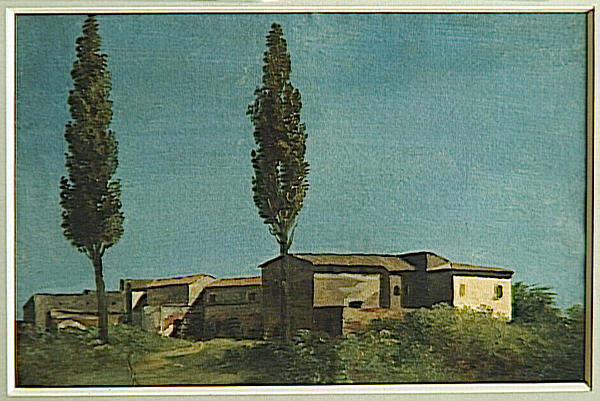
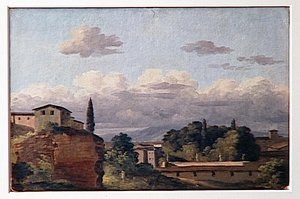
A LA VILLA FARNESE LES DEUX PEUPLIERS


 Ver más
Reproducción al óleo hecha a mano
Óleo sobre lienzo pintado a mano en el tamaño y marco de su elección, realizado por encargo por nuestros artistas. ( Comprar impresión Comprar imagen)




P118B $10

P118H $10

P118W $10

P438Z $10

P508JH $12

P508YH $12

P805H $10

P805Z $10

P919BZ $10

P919G $10

P919XJ $10

P959ZH $10

P968JZ $12

W106C $8

W218G $10

W218JH $8

W218Y $10

W307PJ $10

W316G $10

W316PJ $8

W316Y $10

W398PJ $8

W4111J $10

W500HY $15

W500JH $15

W692G $12

W849H $8

W940BG $15

W953PJ $8




Elija entre nuestros tamaños predefinidos que respetan las proporciones originales de la obra.

Puede ingresar sus propias dimensiones para adaptarse a un marco o espacio específico. Si el tamaño seleccionado no coincide con las proporciones de la imagen original, recortaremos la obra o extenderemos la pintura con elementos adicionales pintados a mano. Se le enviará una maqueta digital para su aprobación antes de comenzar la producción.
Tenga en cuenta que la vista previa en pantalla no refleja el recorte o la extensión reales. Solo la maqueta mostrará con precisión la composición final.
Si bien existen tamaños personalizados, recomendamos seleccionar una dimensión de la lista predefinida para preservar las proporciones originales.
Tras realizar el pedido, el equipo de ArtsDot.com enviará un correo electrónico al cliente para solicitar instrucciones y proporcionarle una vista previa del boceto.
Envío a todo el mundo () en 3-4 semanas en lugar de las 5 semanas estándar. (29 agosto). Sin comprometer la calidad.

Envío exprés gratuito a todo el mundo

Lienzo de lino de alta calidad

Seguro de envío total

Garantía de reembolso de impuestos aduaneros

Garantía de fidelidad cromática exacta

Política de devolución de 60 días (solo por defectos)

Garantía de devolución del 100% del dinero

Descuento por cantidad
 La opción de vidrio solo está disponible en tamaños inferiores a 110 cm.

A LA VILLA FARNESE LES DEUX PEUPLIERS
Técnica de reproducción
Dimensiones de la reproducción
-


Precio total final
$ 263
A Window on Provence: Valenciennes’ “Fabriques à la Villa Farnèse”
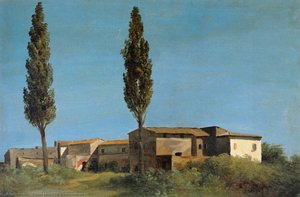
Pierre-Henri de Valenciennes' "Fabriques à la villa Farnèse: les deux peupliers" is more than just a landscape painting; it’s a carefully constructed tableau of light, space, and the quiet dignity of rural life in 18th-century France. Completed around 1800, this oil on canvas transports us to a sun-drenched corner of Provence, capturing not merely a scene but an atmosphere—a sense of timelessness and serene beauty that has captivated viewers for centuries. The painting’s enduring appeal lies in its masterful blend of classical composition, subtle color palettes, and a distinctly Impressionistic approach to light and texture.
The subject itself is deceptively simple: a cluster of buildings nestled amongst rolling hills, dominated by two imposing cypress trees that reach towards the azure sky. However, Valenciennes elevates this commonplace vista through his deliberate choices. The architecture—likely representing a small village or estate – isn’t rendered with sharp detail; instead, it's suggested through carefully placed rectangles and geometric forms, creating an illusion of depth without resorting to strict linear perspective. This technique, characteristic of Valenciennes’ style, prioritizes the overall impression over photographic accuracy, aligning with his influential theory of “landscape portraits.” He believed that capturing the *feeling* of a place was more important than a precise representation.
The Influence of "En Plein Air"
Valenciennes' work is inextricably linked to the burgeoning movement of “en plein air” painting – working outdoors directly from nature. This revolutionary approach, championed by artists like Jean-Baptiste-Camille Corot and later Claude Monet, sought to capture the fleeting effects of light and atmosphere with unprecedented immediacy. Valenciennes’ early studies in Rome laid the groundwork for this philosophy, as he meticulously observed and painted landscapes at different times of day, documenting the subtle shifts in color and shadow. “Fabriques à la villa Farnèse” exemplifies this dedication, showcasing how the artist skillfully rendered the dappled sunlight filtering through the trees and the hazy warmth of the afternoon light.
The painting’s composition is carefully balanced, drawing the eye towards the central group of buildings while simultaneously establishing a sense of vastness. The cypress trees, acting as vertical anchors, frame the scene and create a visual rhythm that guides the viewer's gaze. Notice how Valenciennes uses subtle variations in color—a touch more warmth here, a hint of cooler blue there—to suggest depth and distance. This masterful manipulation of light and shadow is what truly brings the landscape to life, imbuing it with an almost palpable sense of atmosphere.
A Portrait of a Place
Beyond its technical brilliance, “Fabriques à la villa Farnèse” offers a glimpse into the social and cultural context of 18th-century France. The scene evokes a sense of rural tranquility—a world removed from the bustle of Parisian life. The buildings themselves suggest a modest estate, hinting at a simpler way of life rooted in agriculture and tradition. Valenciennes wasn’t simply depicting a landscape; he was creating a portrait of a place, capturing its essence and conveying a feeling of quiet dignity.
Interestingly, the painting's title—"Fabriques à la villa Farnèse"—references a real estate development near Rome, suggesting that Valenciennes may have been inspired by this architectural style. The two prominent cypress trees are particularly significant; in Italian art and culture, they often symbolize mourning or remembrance, adding a layer of subtle symbolism to the composition. Despite this potential melancholy, the overall effect remains one of serene beauty and timelessness.
Recreating the Essence: Reproductions
Today, reproductions of “Fabriques à la villa Farnèse” are prized for their ability to capture the painting’s atmospheric quality and evocative power. ArtsDot offers meticulously crafted hand-painted reproductions that faithfully recreate Valenciennes' unique style and technique. These high-quality prints allow art lovers to bring this timeless masterpiece into their homes, experiencing its beauty and serenity firsthand. Whether you are a seasoned collector or simply seeking to add a touch of Provençal charm to your interior décor, a reproduction of “Fabriques à la villa Farnèse” is sure to be a treasured addition to any collection.
Obras relacionadas

Biografía del artista
Pierre Henri de Valenciennes
Pierre Henri de Valenciennes (Toulouse, 6 diciembre de 1750 – París, 16 febrero de 1819) fue un pintor francés que destacó por su influencia en la elevación del estatus del paisaje pictórico. Nacido en Toulouse, aunque sus datos biográficos son escasos en los registros disponibles, sus contribuciones al mundo artístico están bien documentadas. Su formación inicial y educación no están extensamente registradas, pero se sabe que trabajó en Roma entre 1778 y 1782, donde realizó numerosos estudios de paisaje directamente desde la naturaleza. Esta práctica innovadora fue fundamental para impulsar el desarrollo del paisaje como género artístico reconocido por la época.Contribuciones al paisaje pictórico
Valenciennes fue un verdadero pionero en la promoción del paisaje como objeto de estudio y representación artística. Su teoría sobre este tema, expuesta en su tratado “Reflexiones y consejos a un estudiante sobre pintura, particularmente sobre el género del paisaje” (1800), marcó un punto de inflexión en el pensamiento artístico francés del siglo XIX. Valenciennes defendió la importancia de observar directamente la naturaleza para capturar sus cambios constantes debido a la luz y el clima, una metodología que influyó profundamente en otros artistas activos en Italia como Hubert Robert, Pierre Chauvin y Achille Etna Michallon. Estos pintores adoptaron un enfoque antropológico al paisaje, buscando comprender su relación con el hombre y el entorno, lo cual fue impulsado por las ideas de Valenciennes sobre cómo representar estos elementos con precisión y belleza.Influencias y estudiantes notables
Entre sus alumnos destacaron Jean Victor Bertin, Achille Etna Michallon, Louis Étienne Watelet, Louis François Lejeune y Pierre Prévost, el primer pintor panorámico francés. Estos artistas fueron influenciados por la maestría técnica de Valenciennes y por su visión estética del paisaje clásico, que buscaban emular los principios establecidos por Nicolas Poussin en Roma. Valenciennes también promovió el uso de materiales nuevos y métodos innovadores para lograr efectos especiales en sus obras, como el empleo de colores brillantes y pinceladas audaces que capturaban la atmósfera del lugar representado. Esta actitud vanguardista contribuyó a impulsar el desarrollo del paisaje pictórico francés hacia mediados del siglo XIX.Estilo artístico y legado
Valenciennes desarrolló un estilo propio caracterizado por una gran precisión técnica y una sensibilidad estética excepcional. Sus obras reflejan una profunda comprensión de los principios clásicos de composición y perspectiva, así como una habilidad para transmitir emociones y sentimientos a través del lenguaje visual. Aunque Valenciennes fue considerado un pintor poco dado a la innovación formal, su influencia en otros artistas fue enorme y sus ideas sobre el paisaje siguen siendo relevantes hoy en día. Su tratado “Reflexiones y consejos…” estableció nuevos estándares de pensamiento artístico y abrió camino a nuevas investigaciones sobre cómo representar el mundo natural con belleza y armonía. Además, Valenciennes contribuyó significativamente al desarrollo del género panorámico francés, creando obras maestras que impresionaron a espectadores y críticos de la época. Su legado en el arte francés es indiscutible y sigue siendo estudiado y admirado por artistas y historiadores de arte contemporáneos.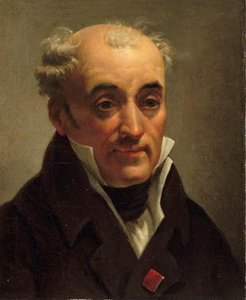
Pierre Henri de Valenciennes
1750 - 1819 , Francia
Datos clave
- Artistic Movement Or Style: En plein air pintura
- Artists Or Movements Influenced By This Artist: ['Claude Lorrain']
- Artists Who Influenced This Artist:
- Jean Victor Bertin
- Achille Etna Michallon
- Date Of Birth: 6 diciembre 1750
- Date Of Death: 16 febrero 1819
- Full Name: Pierre Henri de Valenciennes
- Nationality: Francés
- Notable Artworks:
- Villa Borghese paisaje
- Paisaje con árboles
- Place Of Birth: Toulouse, Francia
Artículos relacionados

John Constable: Las 25 Obras Maestras del Paisaje Inglés | ArtsDot
Descubre las 25 obras maestras de John Constable, el pintor romántico inglés que capturó la belleza del paisaje. Explora su técnica, historia y significado en ArtsDot.com. Reproducciones de arte de alta calidad para tu hogar.

Paisajes Románticos: 10 Obras Maestras que Definieron un Movimiento Artístico
Descubre los 10 paisajes románticos más influyentes de artistas como Caspar David Friedrich y Turner. Explora la belleza, el simbolismo y las técnicas del movimiento romántico. Reproducciones de arte exclusivas en ArtsDot.com.

Evocations of Place: A Historical Journey Through Landscape Art
Explore the rich history of landscape art with ArtsDot. Discover renowned artists, movements like Impressionism & Romanticism, and expert guidance for collecting timeless pieces. Find your perfect serene escape today!
Henri-Joseph Harpignies: Capturing the Poetic Essence of the French Landscape
Explore the serene landscapes of Henri-Joseph Harpignies, a master of the Barbizon School. Discover his atmospheric paintings, recurring themes & enduring legacy in 19th-century French art. Learn more at ArtsDot.

Evocations of Place: A Historical Journey Through Landscape Art
Explore the rich history of landscape art with ArtsDot. Discover renowned artists, movements like Impressionism & tonalism, and expert guidance for collecting timeless pieces. Find your perfect serene escape today!

