

 Ver en contexto
 Enviar
 Compartir
 Detalles

 Descargar
 Similares
 Radiografía
 Presentación de diapositivas
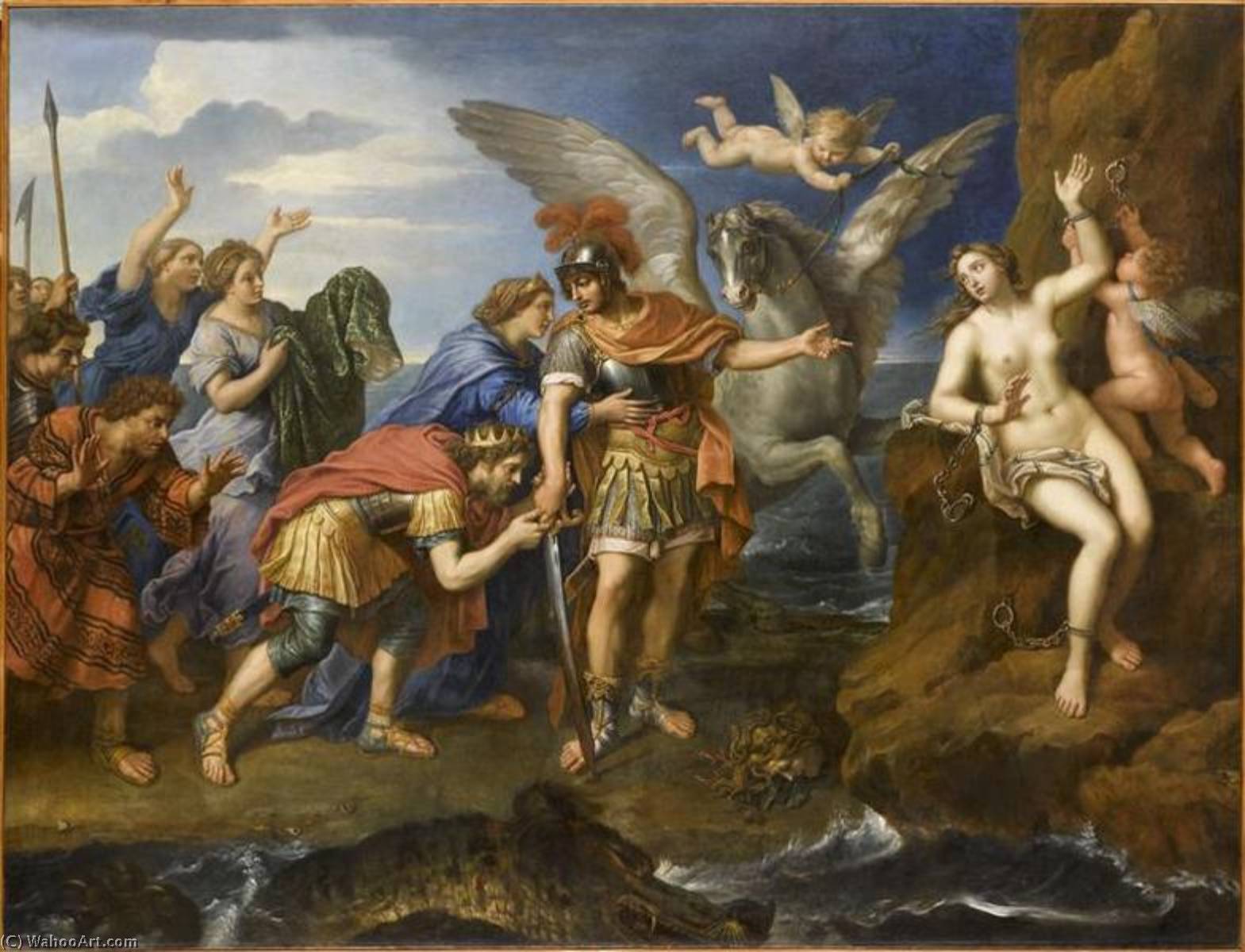
Le roi Céphée et la reine Cassiopée remerciant Persée d'avoir délivré leur fille Andromède dit aussi La délivrance d'Andromède Persée délivrant Andromède (autre titre)


 Ver más
Giclée / Impresión de arte
Impresiones giclée o en lienzo de calidad de museo con producción rápida y opciones de acabado flexibles. ( Comprar pintura hecha a mano Comprar imagen)




P118B $10

P118H $10

P118W $10

P438Z $10

P508JH $12

P508YH $12

P805H $10

P805Z $10

P919BZ $10

P919G $10

P919XJ $10

P959ZH $10

P968JZ $12

W106C $8

W218G $10

W218JH $8

W218Y $10

W307PJ $10

W316G $10

W316PJ $8

W316Y $10

W398PJ $8

W4111J $10

W500HY $15

W500JH $15

W692G $12

W849H $8

W940BG $15

W953PJ $8




Elija entre nuestros tamaños predefinidos que respetan las proporciones originales de la obra.

Puede introducir sus propias dimensiones para adaptarse a un marco o espacio específico. Si el tamaño seleccionado no coincide con las proporciones de la imagen original, recortaremos la obra de arte o extenderemos la imagen con un borde con efecto espejo o de color sólido. Se enviará una maqueta digital para su aprobación antes de que comience la producción.
Tenga en cuenta que la vista previa en pantalla no refleja el recorte o la extensión real. Solo la maqueta mostrará con precisión la composición final.
Aunque existen tamaños personalizados, recomendamos seleccionar una dimensión de la lista predefinida para preservar las proporciones originales.
Envío a todo el mundo () en 2 semanas en lugar de las 4/5 semanas estándar. (26 agosto)

Envío exprés gratuito a todo el mundo

Lienzo de lino de alta calidad

Seguro de envío total

Garantía de reembolso de impuestos aduaneros

Garantía de fidelidad cromática exacta

Política de devolución de 60 días (solo por defectos)

Garantía de devolución del 100% del dinero

Descuento por cantidad
 La opción de vidrio solo está disponible en tamaños inferiores a 110 cm.

Le roi Céphée et la reine Cassiopée remerciant Persée d'avoir délivré leur fille Andromède dit aussi La délivrance d'Andromède Persée délivrant Andromède (autre titre)
Giclée / Impresión de arte
Dimensiones de la reproducción
-


Precio total final
$ 62
Descripción de la pieza
The Drama of Divine Rescue: Pierre Mignard’s *Le roi Céphée et la reine Cassiopée remerciant Persée d'avoir délivré leur fille Andromède*
Pierre Mignard’s “Le roi Céphée et la reine Cassiopée remerciant Persée d’avoir délivré leur fille Andromède” is more than a mythological scene; it’s a carefully orchestrated tableau of gratitude, heroism, and the precarious balance between fate and divine intervention. Painted in 1679 during the height of Mignard's career, this work exemplifies his masterful blend of Italianate grandeur with distinctly French elegance – a style honed through rigorous training under masters like Simon Vouet and marked by a profound understanding of Baroque composition. The painting captures a pivotal moment from Ovid’s *Metamorphoses*, where the grateful King Céphée and Queen Cassiopée bestow their thanks upon Perseus for rescuing Andromeda from her terrifying fate as a sacrifice to the sea monster Cetus.
Mignard's skill lies not merely in depicting figures, but in imbuing them with palpable emotion. The central focus is undeniably Perseus, rendered as a youthful and resolute hero, his sword held aloft – a symbol of victory over primal chaos. His posture exudes confidence and strength, yet there’s also a hint of vulnerability, acknowledging the perilous journey he undertook. Beside him stand the regal figures of Céphée and Cassiopée, their expressions a mixture of relief, joy, and profound gratitude. The angels flanking the scene – one on the left, another in the center, and two more on the right – aren’t simply decorative elements; they represent divine approval and the intervention of higher powers, reinforcing the narrative's themes of salvation and redemption.
A Baroque Symphony of Light and Shadow
Technically, the painting is a testament to Mignard’s mastery of oil on canvas. He employs a dramatic chiaroscuro – a stark contrast between light and shadow – to heighten the emotional impact and create a sense of theatricality. The figures are bathed in a warm, golden light that emanates from an unseen source, drawing the viewer's eye towards the central action while simultaneously casting the surrounding elements into deeper shadows. This technique not only adds depth but also emphasizes the heroic nature of Perseus’s deed, highlighting his role as the bringer of light and hope.
Mignard’s attention to detail is remarkable. The folds of the royal robes are rendered with exquisite precision, suggesting luxurious fabrics and a sense of opulence. The musculature of Perseus's body is subtly defined, conveying his physical strength and endurance. Even the expressions on the faces of the figures – from the serene gratitude of Céphée to the palpable relief of Cassiopée – are remarkably lifelike, demonstrating Mignard’s keen observation skills and ability to capture human emotion.
Symbolism and Mythological Resonance
Beyond its immediate narrative, the painting is rich in symbolic meaning. The sea monster Cetus, though largely obscured, represents the forces of chaos and destruction that threaten humanity. Perseus's victory over Cetus symbolizes the triumph of order over disorder, reason over instinct, and ultimately, the power of human courage to overcome adversity. The presence of angels underscores the divine sanction of Perseus’s actions – a reminder that even the most heroic deeds are ultimately guided by a higher purpose.
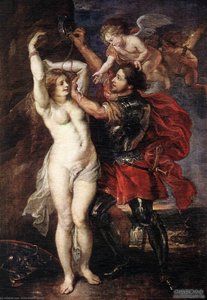
Andromede herself, though chained and seemingly resigned to her fate, embodies resilience and dignity. Her expression suggests a quiet acceptance of her situation, but also a glimmer of hope for rescue. The entire composition speaks to the cyclical nature of mythology – the constant struggle between gods and monsters, heroes and villains, light and darkness – and Mignard’s painting offers a compelling visual interpretation of this timeless drama.
A Reproduction Worth Cherishing
ArtsDot is proud to offer meticulously crafted hand-painted reproductions of Pierre Mignard's “Le roi Céphée et la reine Cassiopée remerciant Persée d’avoir délivré leur fille Andromède.” These reproductions capture the essence of the original painting – its dramatic lighting, rich colors, and profound emotional depth – while providing a timeless addition to any art collection or interior space. Whether you are an admirer of Baroque art, a collector seeking a statement piece, or simply someone who appreciates the beauty of classical mythology, this reproduction offers a stunning opportunity to experience the enduring power of Mignard’s masterpiece.
Obras relacionadas
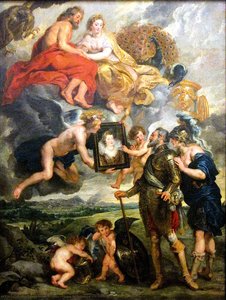

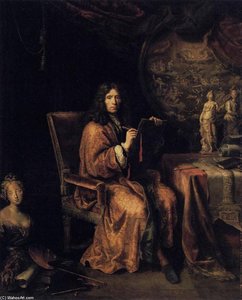
Biografía del artista
Pierre Mignard: Una Vida en la Pintura Barroca
- Nacido: Troyes, Francia (1612)
- Fallecido: 1695
Primeros Años y Formación
Pierre Mignard nació en Troyes, Francia, en 1612. Provenía de una familia de artesanos, demostrando desde temprana edad aptitud para el arte. Su formación inicial ocurrió en Bourges bajo la tutela del pintor manierista Jean Boucher. Este período fundamental lo expuso a las convenciones estilísticas prevalecientes en ese momento. Posteriormente, pasó un tiempo considerable copiando obras dentro del Château de Fontainebleau, absorbiendo los matices de las tradiciones artísticas establecidas. Una fase crucial siguió con estudios en el taller de Simon Vouet, un destacado artista francés conocido por sus influencias clásicas y conexiones internacionales. Estas experiencias formativas sentaron las bases para su posterior desarrollo como pintor independiente.
Período Romano y Desarrollo Artístico (1635-1657)
Un punto de inflexión significativo en la carrera de Mignard fue su traslado a Roma en 1635, donde residió durante aproximadamente veintidós años. Este período moldeó profundamente su estilo artístico. Obtuvo reconocimiento por sus representaciones de la Madonna y el Niño, que se volvieron inmensamente populares y fueron cariñosamente apodadas "mignardises". Su obra durante este tiempo reflejó una fuerte influencia de los maestros italianos del Barroco, particularmente en su uso de la luz y la composición dramática. Mignard también participó en grabados reproductivos, creando copias después de Annibale Carracci, perfeccionando aún más sus habilidades técnicas y su comprensión de los principios artísticos. Pintó retratos de papas, cardenales y otras figuras prominentes dentro de la élite romana, estableciendo una reputación por capturar el parecido con habilidad y elegancia.
Regreso a París y Rivalidad con Charles Le Brun
Alrededor de 1657, Mignard regresó a París, convocado por el Cardenal Mazarin. Su llegada marcó el comienzo de una exitosa carrera en la capital francesa, donde rápidamente ganó el patrocinio de figuras influyentes, incluido el propio rey Luis XIV. Sin embargo, su ascenso coincidió con el dominio de Charles Le Brun, el premier peintre du roi (pintor principal del rey). Esto condujo a una prolongada y amarga rivalidad entre los dos artistas. Mignard se opuso activamente a la autoridad de la Académie Royale de Peinture et Sculpture, distanciándose aún más de la jerarquía artística establecida. A pesar de este conflicto, logró un éxito considerable como retratista, capturando los rasgos de individuos destacados como Turenne, Molière, Bossuet y Madame de Maintenon.
Logros Principales y Significado Histórico
El legado de Mignard se basa principalmente en sus retratos, que son celebrados por su elegancia, detalle y hábil representación del carácter. Sus obras religiosas, particularmente las representaciones de la Madonna y el Niño, también tienen un lugar en la historia del arte. Tras la muerte de Le Brun en 1690, Mignard asumió muchas de sus antiguas posiciones, lo que demuestra el respeto que inspiraba dentro de los círculos artísticos. Si bien a menudo eclipsado por la mayor fama de Le Brun, Mignard sigue siendo una figura importante en la pintura barroca francesa, representando un enfoque estilístico distintivo caracterizado por la gracia clásica y la meticulosa atención al detalle. Su influencia puede verse en generaciones posteriores de retratistas franceses.
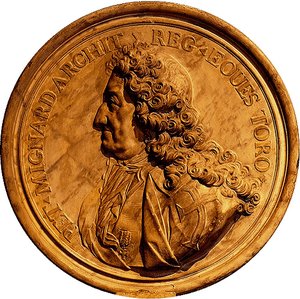
Pierre Mignard
1612 - 1695 , Francia
Datos clave
- Artistas Que Influyeron: ['Simon Vouet']
- Fecha De Fallecimiento: 30 de mayo de 1695
- Fecha De Nacimiento: 17 de noviembre de 1612
- Lugar De Nacimiento: Troyes, Francia
- Movimiento Artístico: Barroco francés
- Nacionalidad: Francés
- Nombre Completo: Pierre Mignard
- Obras Notables:
- Dios el Padre
- La Virgen de las Uvas
- La Fortuna o la Abundancia
- El Tiempo
- Luis XIV
Artículos relacionados

Drama Barroca: Llevando la Grandeza y la Emoción a los Interiores Contemporáneos
Descubre cómo el drama y la grandeza del arte barroco pueden transformar tus interiores. Guía experta, inspiración y reproducciones de alta calidad en .

The Dramatic Flourish: Exploring the Baroque Movement's Enduring Legacy in Art History
Explore the dramatic world of Baroque art! Discover iconic artists like Caravaggio & Rubens, defining techniques, and its lasting impact on art history. Expert insights for collectors & enthusiasts at ArtsDot.

Barroco Sublime: 10 Obras Maestras que Definieron una Época |
Descubre las 10 obras maestras del Barroco que marcaron una época. Caravaggio, Bernini y Velázquez cobran vida en . Reproducciones de arte de calidad museo para decorar tu hogar con elegancia. ¡Explora la colección online!
Echoes of Olympus: Mythological Narratives in Western Art Through the Ages
Explore the captivating history of mythological narratives in Western art! From ancient Greece to modern masterpieces, discover iconic artworks & symbolism. Expert analysis and high-quality reproductions at ArtsDot.

The Visceral Stage: Exploring Dramatic Narratives & Emotional Intensity in Baroque Art
Explore the dramatic world of Baroque art! Discover iconic masters like Caravaggio & Rembrandt, their techniques, and the movement's lasting impact. Expert insights for collectors & enthusiasts at ArtsDot.

