

 Ver en contexto
 Enviar
 Compartir
 Detalles

 Descargar
 Similares
 Radiografía
 Presentación de diapositivas
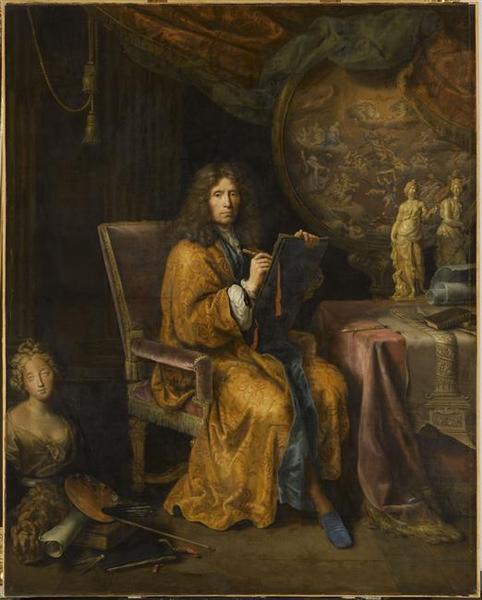
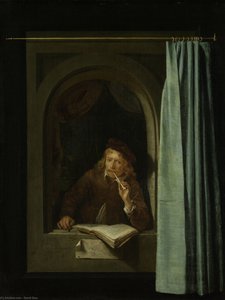
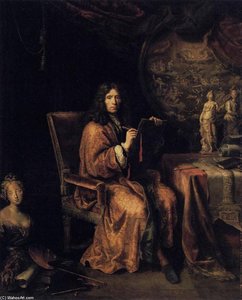
Portrait de l'artiste (1612 1695)


 Ver más
Reproducción al óleo hecha a mano
Óleo sobre lienzo pintado a mano en el tamaño y marco de su elección, realizado por encargo por nuestros artistas. ( Comprar impresión Comprar imagen)




P118B $10

P118H $10

P118W $10

P438Z $10

P508JH $12

P508YH $12

P805H $10

P805Z $10

P919BZ $10

P919G $10

P919XJ $10

P959ZH $10

P968JZ $12

W106C $8

W218G $10

W218JH $8

W218Y $10

W307PJ $10

W316G $10

W316PJ $8

W316Y $10

W398PJ $8

W4111J $10

W500HY $15

W500JH $15

W692G $12

W849H $8

W940BG $15

W953PJ $8




Elija entre nuestros tamaños predefinidos que respetan las proporciones originales de la obra.

Puede ingresar sus propias dimensiones para adaptarse a un marco o espacio específico. Si el tamaño seleccionado no coincide con las proporciones de la imagen original, recortaremos la obra o extenderemos la pintura con elementos adicionales pintados a mano. Se le enviará una maqueta digital para su aprobación antes de comenzar la producción.
Tenga en cuenta que la vista previa en pantalla no refleja el recorte o la extensión reales. Solo la maqueta mostrará con precisión la composición final.
Si bien existen tamaños personalizados, recomendamos seleccionar una dimensión de la lista predefinida para preservar las proporciones originales.
Tras realizar el pedido, el equipo de ArtsDot.com enviará un correo electrónico al cliente para solicitar instrucciones y proporcionarle una vista previa del boceto.
Envío a todo el mundo () en 3-4 semanas en lugar de las 5 semanas estándar. (28 agosto). Sin comprometer la calidad.

Envío exprés gratuito a todo el mundo

Lienzo de lino de alta calidad

Seguro de envío total

Garantía de reembolso de impuestos aduaneros

Garantía de fidelidad cromática exacta

Política de devolución de 60 días (solo por defectos)

Garantía de devolución del 100% del dinero

Descuento por cantidad
 La opción de vidrio solo está disponible en tamaños inferiores a 110 cm.

Portrait de l'artiste (1612 1695)
Técnica de reproducción
Dimensiones de la reproducción
-


Precio total final
$ 288
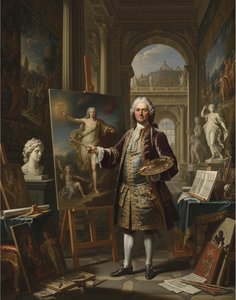
Portrait de l'artiste (1612 1695): A Baroque Masterpiece of Self-Reflection
Pierre Mignard’s “Portrait de l’artiste (1612 1695)” is not merely a likeness; it’s a carefully constructed declaration of artistic identity, a window into the mind of a man deeply immersed in his craft. Painted during the twilight years of his career – between 1687 and 1694 – this remarkable work transcends the conventions of portraiture, offering a profound meditation on skill, ambition, and the very nature of representation. The painting captures Mignard himself seated within his studio, a space brimming with the tools and remnants of his creative process, creating an intimate tableau that speaks volumes about the artist’s position in the world.
The composition is immediately arresting, dominated by Mignard's direct gaze – a look both confident and subtly self-aware. He occupies the central space, rendered with meticulous detail, yet he isn’t presented as an aloof deity. Instead, he appears engaged, almost contemplative, inviting the viewer into his world. The strategic placement of the curtain behind him establishes depth, drawing attention to the carefully arranged objects on the tables before him: brushes, palettes smeared with pigment, and a rolled canvas hinting at ongoing projects. These elements aren’t simply decorative; they are integral to the portrait's narrative, illustrating Mignard’s dedication to his profession and the tangible reality of his artistic life.
The painting is firmly rooted in the Baroque style, characterized by dramatic lighting, rich color palettes, and a heightened sense of realism. The light source, originating from the left side of the frame, casts strong shadows that sculpt Mignard’s features and delineate the textures of his clothing – the velvet of his jacket, the folds of his fabric, and the sheen of his skin. This chiaroscuro effect not only adds visual drama but also emphasizes volume and form, lending a three-dimensional quality to the portrait. The color scheme is dominated by warm earth tones—ochres, browns, and golds—accented with touches of blue and red, creating a sense of opulence and sophistication typical of the period.
The Studio as Stage: Symbolism and Context
Beyond its technical brilliance, “Portrait de l’artiste” is rich in symbolic meaning. The studio itself functions as a stage, reflecting Mignard's role as both artist and observer. The partially visible painting behind him – depicting classical figures—references his deep knowledge of art history and tradition, suggesting that he was not simply replicating the present but building upon the foundations of the past. The bust of a woman to his left may represent an ideal beauty or perhaps a patron or muse, adding another layer of intrigue to the composition.
The inclusion of the artist’s tools is particularly significant. They are not merely props; they symbolize Mignard's craft and his dedication to his profession. The brushes, palettes, and canvas represent the tangible means by which he brought his visions to life. Furthermore, the presence of the unfinished painting behind him speaks to the ongoing nature of artistic creation – a constant process of exploration and refinement.
A Master’s Hand: Technique and Materials
Mignard's masterful technique is evident in every brushstroke. He skillfully renders textures—the smoothness of Mignard’s skin, the roughness of the fabric, and the sheen of the metal tools—creating a remarkably lifelike portrayal. The use of layering and blending of oil paints allows for smooth transitions and realistic effects. The impasto technique, particularly noticeable in certain areas, suggests thick application of paint, adding depth and tactile quality to the surface.
The painting was executed in oil on canvas, a medium that allowed Mignard to achieve both vibrant colors and subtle gradations of tone. The careful attention to detail—from the intricate folds of the clothing to the delicate rendering of the face—demonstrates his exceptional skill and precision. The use of glazing techniques further enhances the luminosity and depth of the painting, creating a captivating visual experience.
A Legacy of Self-Representation
“Portrait de l’artiste (1612 1695)” stands as a testament to Pierre Mignard's artistic prowess and his profound understanding of self-representation. It is more than just a portrait; it is a carefully constructed statement about the role of the artist, the nature of creativity, and the enduring power of art to capture both likeness and essence. A remarkable work that continues to fascinate viewers with its intricate details, symbolic richness, and timeless appeal.
Obras relacionadas

Biografía del artista
Pierre Mignard: Una Vida en la Pintura Barroca
- Nacido: Troyes, Francia (1612)
- Fallecido: 1695
Primeros Años y Formación
Pierre Mignard nació en Troyes, Francia, en 1612. Provenía de una familia de artesanos, demostrando desde temprana edad aptitud para el arte. Su formación inicial ocurrió en Bourges bajo la tutela del pintor manierista Jean Boucher. Este período fundamental lo expuso a las convenciones estilísticas prevalecientes en ese momento. Posteriormente, pasó un tiempo considerable copiando obras dentro del Château de Fontainebleau, absorbiendo los matices de las tradiciones artísticas establecidas. Una fase crucial siguió con estudios en el taller de Simon Vouet, un destacado artista francés conocido por sus influencias clásicas y conexiones internacionales. Estas experiencias formativas sentaron las bases para su posterior desarrollo como pintor independiente.
Período Romano y Desarrollo Artístico (1635-1657)
Un punto de inflexión significativo en la carrera de Mignard fue su traslado a Roma en 1635, donde residió durante aproximadamente veintidós años. Este período moldeó profundamente su estilo artístico. Obtuvo reconocimiento por sus representaciones de la Madonna y el Niño, que se volvieron inmensamente populares y fueron cariñosamente apodadas "mignardises". Su obra durante este tiempo reflejó una fuerte influencia de los maestros italianos del Barroco, particularmente en su uso de la luz y la composición dramática. Mignard también participó en grabados reproductivos, creando copias después de Annibale Carracci, perfeccionando aún más sus habilidades técnicas y su comprensión de los principios artísticos. Pintó retratos de papas, cardenales y otras figuras prominentes dentro de la élite romana, estableciendo una reputación por capturar el parecido con habilidad y elegancia.
Regreso a París y Rivalidad con Charles Le Brun
Alrededor de 1657, Mignard regresó a París, convocado por el Cardenal Mazarin. Su llegada marcó el comienzo de una exitosa carrera en la capital francesa, donde rápidamente ganó el patrocinio de figuras influyentes, incluido el propio rey Luis XIV. Sin embargo, su ascenso coincidió con el dominio de Charles Le Brun, el premier peintre du roi (pintor principal del rey). Esto condujo a una prolongada y amarga rivalidad entre los dos artistas. Mignard se opuso activamente a la autoridad de la Académie Royale de Peinture et Sculpture, distanciándose aún más de la jerarquía artística establecida. A pesar de este conflicto, logró un éxito considerable como retratista, capturando los rasgos de individuos destacados como Turenne, Molière, Bossuet y Madame de Maintenon.
Logros Principales y Significado Histórico
El legado de Mignard se basa principalmente en sus retratos, que son celebrados por su elegancia, detalle y hábil representación del carácter. Sus obras religiosas, particularmente las representaciones de la Madonna y el Niño, también tienen un lugar en la historia del arte. Tras la muerte de Le Brun en 1690, Mignard asumió muchas de sus antiguas posiciones, lo que demuestra el respeto que inspiraba dentro de los círculos artísticos. Si bien a menudo eclipsado por la mayor fama de Le Brun, Mignard sigue siendo una figura importante en la pintura barroca francesa, representando un enfoque estilístico distintivo caracterizado por la gracia clásica y la meticulosa atención al detalle. Su influencia puede verse en generaciones posteriores de retratistas franceses.
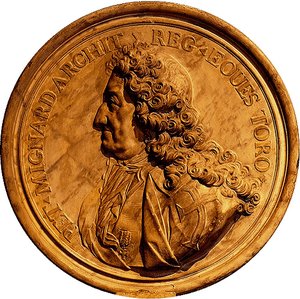
Pierre Mignard
1612 - 1695 , Francia
Datos clave
- Artistas Que Influyeron: ['Simon Vouet']
- Fecha De Fallecimiento: 30 de mayo de 1695
- Fecha De Nacimiento: 17 de noviembre de 1612
- Lugar De Nacimiento: Troyes, Francia
- Movimiento Artístico: Barroco francés
- Nacionalidad: Francés
- Nombre Completo: Pierre Mignard
- Obras Notables:
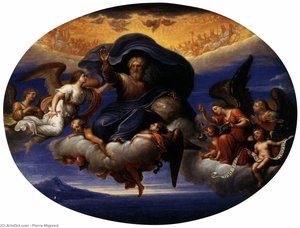
- Dios el Padre
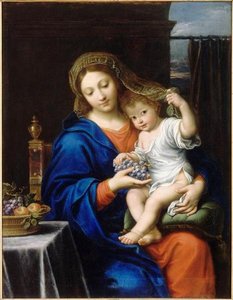
- La Virgen de las Uvas
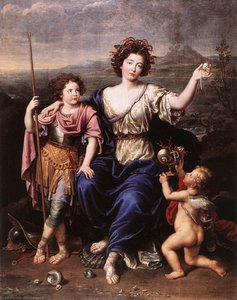
- La Fortuna o la Abundancia
- El Tiempo
- Luis XIV
Artículos relacionados
Renoir: Las 25 Obras Maestras del Impresionismo para Decorar tu Hogar con Arte
Descubre las 25 obras maestras de Renoir, el rey del impresionismo. Explora su técnica, historia y significado en cada pintura. Encuentra reproducciones de arte de alta calidad para decorar tu hogar con ArtsDot.com.
Charles Le Brun: Master of French Baroque Classicism & His Enduring Legacy
Explore the life & art of Charles Le Brun, master of French Baroque Classicism. Discover his royal commissions, influence on Versailles, and enduring legacy through detailed analysis & stunning artworks.

Simon Vouet: A Baroque Master's Journey from Italian Influence to French Classicism
Explore the life & art of Simon Vouet, a pivotal French Baroque painter who introduced Italian styles to France. Discover his masterpieces and lasting influence on 17th-century art.

Baroque Classicism: Reconciling Drama & Order in 17th-Century Art
Explore the captivating world of Baroque Classicism! Discover its history, key artists like Caravaggio & Rubens, and defining characteristics. Expert insights & high-quality reproductions at ArtsDot.

Drama Barroca: Llevando la Grandeza y la Emoción a los Interiores Contemporáneos
Descubre cómo el drama y la grandeza del arte barroco pueden transformar tus interiores. Guía experta, inspiración y reproducciones de alta calidad en .

