

 Ver en contexto
 Enviar
 Compartir
 Detalles

 Descargar
 Similares
 Radiografía
 Presentación de diapositivas
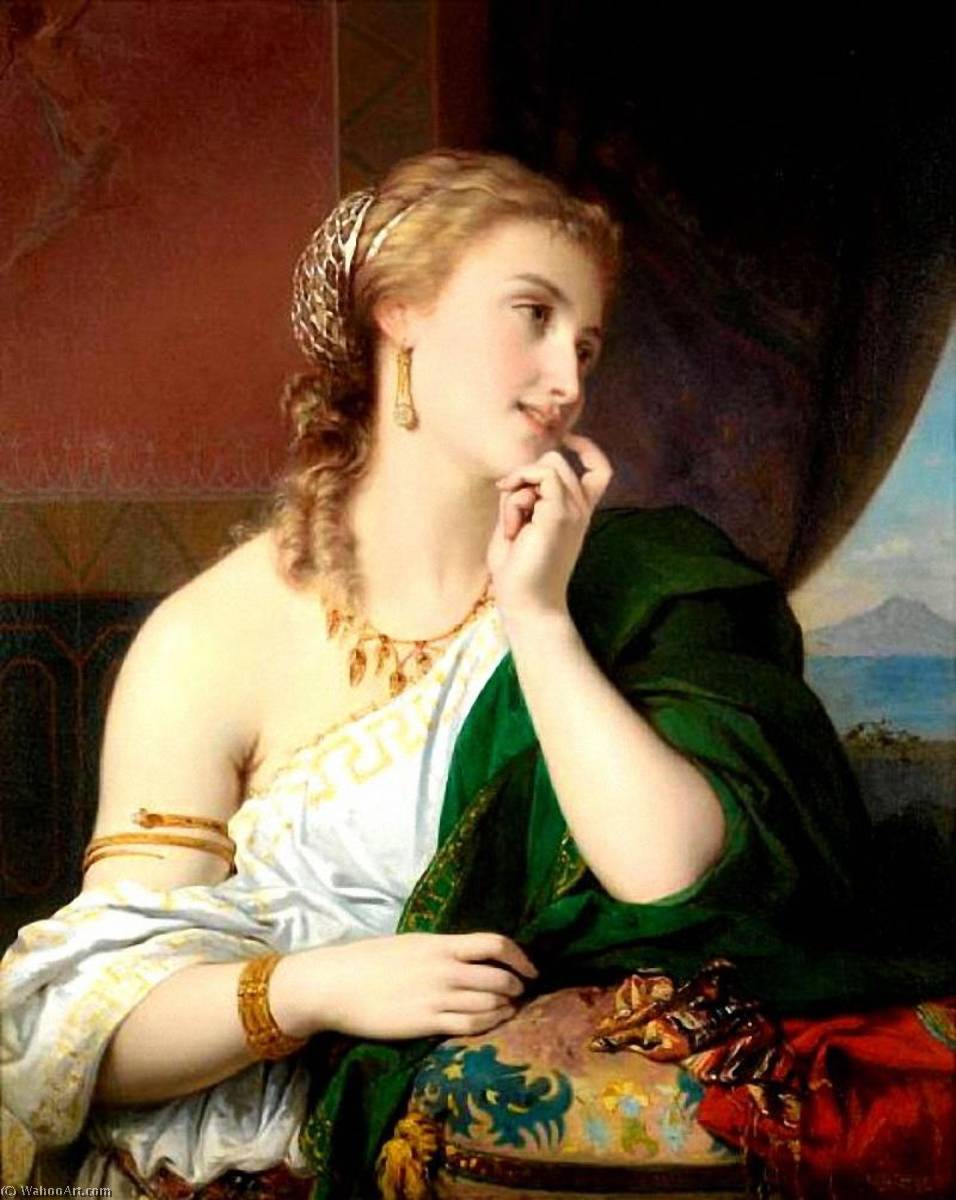
A Neapolitan beauty
 Ver más
Reproducción al óleo hecha a mano
Óleo sobre lienzo pintado a mano en el tamaño y marco de su elección, realizado por encargo por nuestros artistas. ( Comprar impresión Comprar imagen)




































Elija entre nuestros tamaños predefinidos que respetan las proporciones originales de la obra.

Puede ingresar sus propias dimensiones para adaptarse a un marco o espacio específico. Si el tamaño seleccionado no coincide con las proporciones de la imagen original, recortaremos la obra o extenderemos la pintura con elementos adicionales pintados a mano. Se le enviará una maqueta digital para su aprobación antes de comenzar la producción.
Tenga en cuenta que la vista previa en pantalla no refleja el recorte o la extensión reales. Solo la maqueta mostrará con precisión la composición final.
Si bien existen tamaños personalizados, recomendamos seleccionar una dimensión de la lista predefinida para preservar las proporciones originales.
Tras realizar el pedido, el equipo de ArtsDot.com enviará un correo electrónico al cliente para solicitar instrucciones y proporcionarle una vista previa del boceto.
Envío a todo el mundo () en 3-4 semanas en lugar de las 5 semanas estándar. (3 septiembre). Sin comprometer la calidad.

Envío exprés gratuito a todo el mundo

Lienzo de lino de alta calidad

Seguro de envío total

Garantía de reembolso de impuestos aduaneros

Garantía de fidelidad cromática exacta

Política de devolución de 60 días (solo por defectos)

Garantía de devolución del 100% del dinero

Descuento por cantidad
 La opción de vidrio solo está disponible en tamaños inferiores a 110 cm.

A Neapolitan beauty
Técnica de reproducción
Dimensiones de la reproducción
-


Precio total final
$ 263
Obras relacionadas









Biografía del artista
Pierre Olivier Joseph Coomans: A Belgian Painter of Worlds
Born in Brussels in 1816, Pierre Olivier Joseph Coomans emerged as a significant figure in 19th-century European art, renowned for his evocative historical scenes, captivating Orientalist depictions inspired by Algeria, and exquisitely rendered Neo-Pompeian genre paintings. His life was marked by both artistic triumph and personal tragedy, shaping the unique trajectory of his oeuvre. Coomans’s work reflects a deep engagement with classical antiquity, military history, and the exotic allure of North Africa – themes he masterfully interwoven to create images that continue to resonate with viewers today.
Early influences were rooted in traditional academic training. He began his artistic journey under Pieter van Hanselaere in Ghent, quickly demonstrating a remarkable talent for draftsmanship, evidenced by his early exhibition piece, “A Young Greek Shepherd.” Further studies at the Antwerp Academy solidified his technical skills, preparing him to tackle ambitious historical subjects and complex compositions. Coomans’s artistic development was significantly shaped by the tutelage of esteemed artists like Nicaise de Keyser and Gustave Wappers, masters known for their romantic interpretations of history and classical themes. These influences instilled in him a meticulous approach to detail, a strong sense of narrative, and an appreciation for dramatic lighting – qualities that would become hallmarks of his distinctive style.
The Algerian Years: Orientalism and Military Service
A pivotal moment in Coomans’s artistic life arrived in 1843 when he was commissioned by Queen Louise-Marie of Orleans to accompany the French army in Algeria. This marked a profound shift, introducing him to the vibrant culture and landscapes of North Africa – an experience that would irrevocably alter his artistic vision. Attached to Marshal Thomas-Robert Bugeaud’s General Staff, Coomans immersed himself in the realities of military life, meticulously documenting battles, tribal customs, and the daily routines of soldiers. He wasn't merely a recorder; he actively sought to capture the essence of this world, producing a series of paintings that offered a nuanced perspective beyond simplistic stereotypes.
These Algerian years yielded some of his most celebrated works – “The Deluge,” “Landscape in the Province of Constantine,” “Emigration of Arab Tribes,” and numerous portraits of Arab figures and scenes of military life. He was deeply influenced by Horace Vernet, a contemporary military painter who had already established a reputation for capturing the drama and intensity of warfare. Coomans’s paintings are characterized by their rich color palettes, dynamic compositions, and meticulous attention to detail – reflecting his desire to authentically portray the sights and sounds of Algeria. His work during this period demonstrated an early embrace of Orientalism, a trend that would become increasingly prominent in 19th-century European art.
Pompeii and the Neo-Pompeian Style
Following his time in Algeria, Coomans’s artistic focus shifted to the ancient city of Pompeii. The excavations underway at Herculaneum and Pompeii in the mid-1850s ignited a fascination with this lost Roman world, inspiring artists across Europe to explore its ruins and recreate scenes from daily life. Coomans, along with artists like Jean-Léon Gérôme, became deeply immersed in this trend, developing what came to be known as the Neo-Pompeian style. This style was characterized by a meticulous attention to detail, a focus on recreating the atmosphere of ancient Rome, and an emphasis on portraying intimate scenes of everyday life – often with a romantic or idealized quality.
His time in Italy and Palestine led to his fascination with the ruins of Pompeii. He married Adélaïde Lacroix in Albania in 1856 and the couple moved to Naples where they lived until 1860. There, he was profoundly influenced by the archaeological discoveries, leading him to create a series of genre paintings depicting scenes from ancient Rome – a style that became his most enduring legacy. These works are notable for their meticulous realism, evocative lighting, and subtle emotional depth. His depictions of Roman families, merchants, and artisans offer a glimpse into the lives of people who lived centuries before, imbued with a sense of timeless beauty and melancholy.
Later Years and Legacy
Coomans continued to paint throughout his life, producing works in both historical and Neo-Pompeian styles. He established a studio in Paris and exhibited regularly at the Salon, achieving considerable international recognition. His paintings were highly sought after by European collectors, contributing to his financial success and allowing him to build a lavish Pompeian villa near Paris – a testament to his passion for the ancient world. Despite personal tragedies—the loss of his wife and son—Coomans remained dedicated to his art until his death in 1889.
Pierre Olivier Joseph Coomans’s artistic legacy extends beyond his individual works. He played a significant role in popularizing the Neo-Pompeian style, influencing generations of artists with his meticulous technique and evocative depictions of ancient Rome. His paintings continue to be admired for their beauty, historical accuracy, and emotional resonance – offering a captivating window into a bygone era.
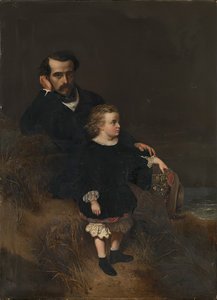
pierre olivier joseph coomans
1816 - 1889
Datos clave
- Artistic Movement Or Style: Neo-Pompeian, Academic
- Artists Or Movements Influenced By This Artist:
- Horace Vernet
- Neo-Pompeianism
- Artists Who Influenced This Artist:
- Pieter van Hanselaere
- Nicaise de Keyser
- Gustave Wappers
- Date Of Birth: June 28, 1816
- Date Of Death: December 31, 1889
- Full Name: Pierre Olivier Joseph Coomans
- Nationality: Belgian
- Notable Artworks:
- Attila's Last Charge
- The Harp Player
- Her Favorite Pet
- Odalisque
- Place Of Birth: Brussels, Belgium

