 Ver en contexto
 Enviar
 Compartir
 Detalles

 Descargar
 Similares
 Radiografía
 Presentación de diapositivas
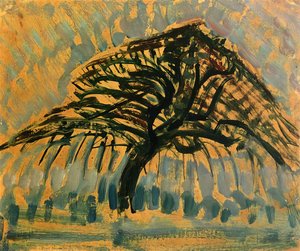
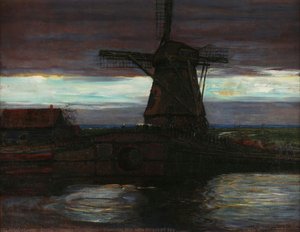
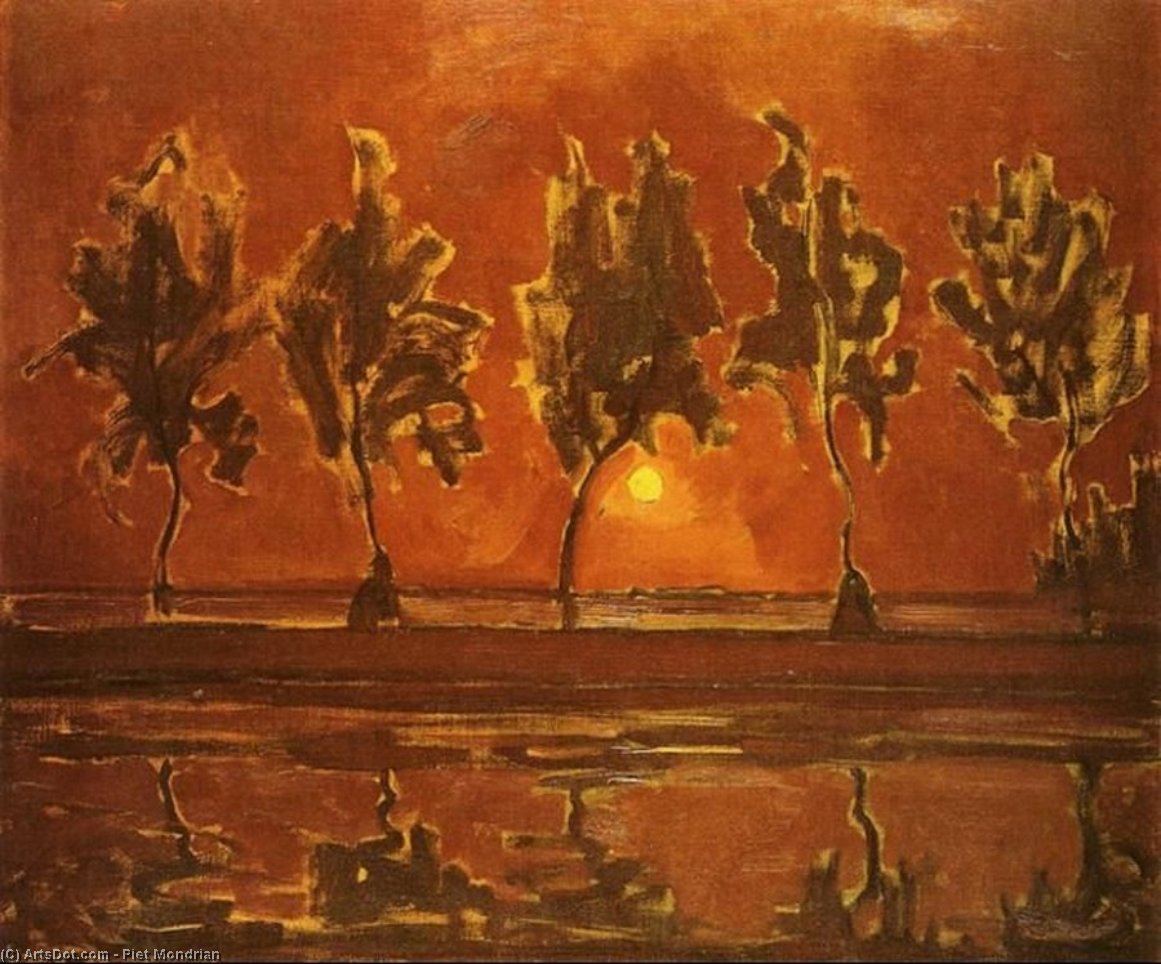
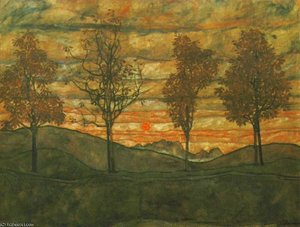
Árboles al Gein con Luna Llena
 Óleo sobre lienzo
- Arte de pared
- Fauvism
 1908
1908- Modernismo
 79.0 x 92.0 cm
 Ver más
Giclée / Impresión de arte
Impresiones giclée o en lienzo de calidad de museo con producción rápida y opciones de acabado flexibles. ( Comprar pintura hecha a mano Comprar imagen)




P118B $10

P118H $10

P118W $10

P438Z $10

P508JH $12

P508YH $12

P805H $10

P805Z $10

P919BZ $10

P919G $10

P919XJ $10

P959ZH $10

P968JZ $12

W106C $8

W218G $10

W218JH $8

W218Y $10

W307PJ $10

W316G $10

W316PJ $8

W316Y $10

W398PJ $8

W4111J $10

W500HY $15

W500JH $15

W692G $12

W849H $8

W940BG $15

W953PJ $8




Elija entre nuestros tamaños predefinidos que respetan las proporciones originales de la obra.

Puede introducir sus propias dimensiones para adaptarse a un marco o espacio específico. Si el tamaño seleccionado no coincide con las proporciones de la imagen original, recortaremos la obra de arte o extenderemos la imagen con un borde con efecto espejo o de color sólido. Se enviará una maqueta digital para su aprobación antes de que comience la producción.
Tenga en cuenta que la vista previa en pantalla no refleja el recorte o la extensión real. Solo la maqueta mostrará con precisión la composición final.
Aunque existen tamaños personalizados, recomendamos seleccionar una dimensión de la lista predefinida para preservar las proporciones originales.
Envío a todo el mundo () en 2 semanas en lugar de las 4/5 semanas estándar. (22 agosto)

Envío exprés gratuito a todo el mundo

Lienzo de lino de alta calidad

Seguro de envío total

Garantía de reembolso de impuestos aduaneros

Garantía de fidelidad cromática exacta

Política de devolución de 60 días (solo por defectos)

Garantía de devolución del 100% del dinero

Descuento por cantidad
 La opción de vidrio solo está disponible en tamaños inferiores a 110 cm.

Árboles al Gein con Luna Llena
Giclée / Impresión de arte
Dimensiones de la reproducción
-


Precio total final
$ 62
Descripción de la pieza
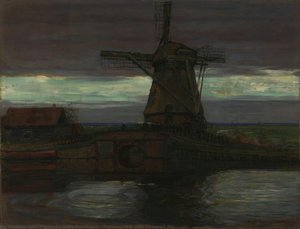
Trees by the Gein at Moonrise
Piet Mondrian’s “Trees by the Gein at Moonrise,” created in 1908, stands as a cornerstone of Fauvist art and an early exploration into abstraction. More than just a depiction of a Dutch landscape—a serene scene featuring five trees silhouetted against a warm moonlit sky—it embodies Mondrian’s unwavering pursuit of universal harmony through simplified geometric forms and vibrant color palettes. This painting isn't merely aesthetically pleasing; it represents a pivotal moment in artistic history, foreshadowing the monumental influence of Neoplasticism on subsequent generations of artists.Composition and Style: Fauvist Boldness
Measuring 79 x 92 cm and executed in oil on canvas, “Trees by the Gein at Moonrise” exemplifies Fauvism—a movement characterized by unrestrained color expression rather than naturalistic representation. The artist eschewed muted tones for bold hues, prioritizing emotional impact over accurate depiction. Two boats punctuate the horizon line, adding depth to the composition and subtly hinting at human presence within this tranquil environment. Five trees dominate the central space, their branches reaching upwards in angular lines—a deliberate departure from traditional botanical illustration. Mondrian’s masterful use of color—primarily yellows, reds, and blues—creates an atmosphere of luminous serenity, reflecting the ethereal glow of moonlight. The painting's audacious palette—a daring contrast of warm hues against cool tones—immediately distinguishes it from Impressionistic predecessors, signaling a decisive move toward expressive abstraction.Artistic Evolution: From Landscape to Geometric Harmony
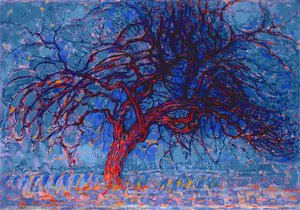
Before achieving his iconic Neoplasticist style, Mondrian honed his skills in Impressionism and Pointillism, experimenting with various techniques to find a path toward greater expressive freedom. However, it was during this period that he began to dismantle traditional visual conventions, recognizing the limitations of representational art in conveying spiritual truths. As evidenced by paintings like “The Red Mill,”, Mondrian’s formative works demonstrate his initial engagement with Impressionistic principles—capturing fleeting moments of light and color—but also foreshadowed his eventual commitment to a radically different aesthetic approach. The shift towards abstraction wasn't merely stylistic; it represented a profound philosophical conviction that art should transcend the confines of observable reality. He sought to distill nature’s essence into fundamental geometric shapes—rectangles and squares—believing they could express universal truths more effectively than detailed depictions.Historical Context: Fauvism and Beyond
Painted during the burgeoning Fauvist movement, “Trees by the Gein at Moonrise” reflects the broader artistic climate of its time. Fauvism challenged accepted norms of color usage, rejecting academic conventions in favor of intense hues that prioritized emotional resonance over visual accuracy. Artists like Matisse and Derain embraced this bold approach, liberating color from its descriptive role and utilizing it as a vehicle for conveying feeling. Mondrian’s work stands apart even within Fauvist circles due to its unwavering dedication to geometric abstraction—a stylistic trajectory he would solidify in his subsequent Neoplasticist paintings. This painting serves as an important precursor to the movement's core tenets, demonstrating Mondrian's initial explorations into simplifying visual elements and prioritizing harmony through form and color.Legacy and Influence: Shaping Modern Art
Piet Mondrian’s contribution to modern art extends far beyond his individual paintings. He was instrumental in establishing De Stijl—a movement dedicated to synthesizing art and architecture through geometric abstraction—alongside Theo van Doesburg. This collaborative effort solidified Neoplasticism as a dominant artistic idiom, influencing designers, architects, and artists worldwide. Consider the enduring impact of Mondrian’s aesthetic principles on movements like Color Field painting and Minimalism; his insistence on primary colors and orthogonal lines continues to inspire contemporary creatives. As Stephen Bayley aptly noted, Mondrian “has come to mean Modernism,”, encapsulating the High Modernist ideal—a quest for universal beauty rooted in simplicity and geometric precision. The painting’s influence can be seen in countless subsequent artworks that adopted similar compositional strategies and color palettes—a testament to Mondrian's enduring vision of artistic expression.Obras relacionadas
Biografía del artista
**vida temprana y carrera en los Países Bajos (1872-1911)**
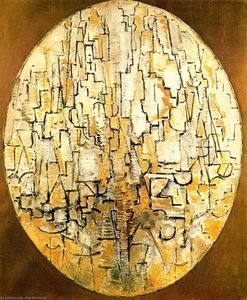
pieter cornelis mondriaan, conocido a partir de 1911 como piet mondrian, fue un pintor y teórico del arte holandés nacido el 7 de marzo de 1872, en Amersfoort, Países Bajos. Comenzó su carrera como maestro en educación primaria mientras practicaba la pintura, inicialmente en el estilo impresionista holandés de la Escuela de Ámsterdam.- Su obra temprana, caracterizada por paisajes naturalistas, se puede ver en pinturas como the red mill y trees in moonrise, que se exhibieron en el kunstmuseum den haag.
- La búsqueda de Mondrian por parte de un estilo personal lo llevó a explorar diversos movimientos artísticos, incluyendo el puntillismo y el fauvismo.
- Su primera exposición en 1893 marcó el comienzo de su prolífica carrera.
**la evolución del estilo de Mondrian**
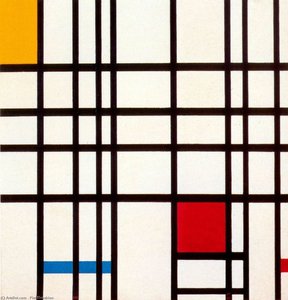
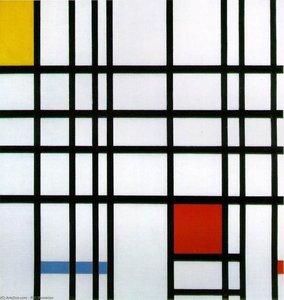
de figurativo a abstracto La dirección artística de Mondrian se desplazó hacia un estilo cada vez más abstracto, culminando en una forma no representacional que llamó neoplasticismo. Esta 'arte plástico puro' tenía como objetivo crear 'belleza universal', limitando su vocabulario formal a los colores primarios (rojo, azul y amarillo), valores (negro, blanco y gris) y direcciones (horizontal y vertical).- Ejemplos de este estilo se pueden ver en pinturas como composition with yellow patch (46 x 46 cm, neoplasticismo, óleo sobre lienzo).
- La obra de Mondrian tuvo una enorme influencia en el arte del siglo XX, impactando no solo la pintura abstracta sino también el diseño, la arquitectura y la moda.
**legado e influencia**
El legado de Mondrian se extiende más allá de su propia obra, influyendo en estilos y movimientos importantes como la pintura de campo de color, el expresionismo abstracto y el minimalismo. El historiador del diseño stephen bayley señaló que Mondrian se ha convertido en un símbolo para todo lo que el modernismo pretendía ser.- Explore más de la obra de Mondrian en ArtsDot.com.
- Aprenda sobre el movimiento De Stijl y su influencia en el arte moderno en wikipedia.
- Descubra otros artistas influyentes como vincent van gogh y su impacto en el mundo del arte.
**obras clave y exposiciones**
* piet mondrian: apple blossom (cubismo) (ver en ArtsDot.com) * piet mondrian: still life with vase of spices ii (cubismo) (ver en ArtsDot.com) * piet mondrian: passionflower (73 x 48 cm, kunstmuseum den haag, post impressionismo, acuarela) (ver en ArtsDot.com)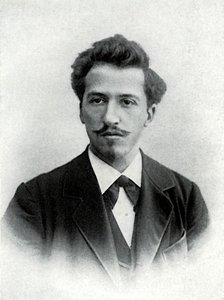
Piet Mondrian
1872 - 1944 , Países Bajos
Datos clave
- Artistas Que Influyeron:
- Hague School
- Puntillismo
- Fauvismo
- Cubismo
- Estilo Artístico: Neoplasticismo, De Stijl
- Fecha De Nacimiento: 7 de marzo de 1872
- Influenciado A Artistas:
- Expresionismo abstracto
- Minimalismo
- Color Field painting
- Lugar De Nacimiento: Amersfoort, Países Bajos
- Nacionalidad: Holandés
- Nombre Completo: Piet Mondrian
- Obras Notables:
- Nueva York I
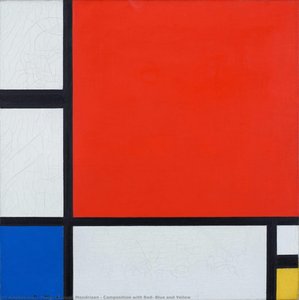
- Composición con Rojo, Azul y Amarillo
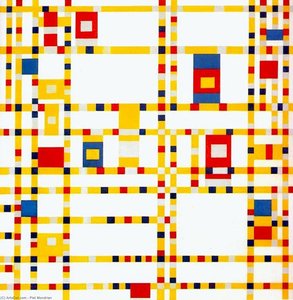
- Broadway Boogie Woogie
- Tableau no. 2
Artículos relacionados
Arboreal Echoes: A Historical & Artistic Exploration of Trees in Painting
Explore the rich history of trees in painting! Discover symbolism, Romantic masterpieces by Caspar David Friedrich & beyond. A curated journey for art enthusiasts.
Arboreal Echoes: A Historical & Artistic Exploration of Trees in Painting
Explore the rich history of trees in painting! Discover symbolism, Romantic masterpieces by Caspar David Friedrich & beyond. A curated journey for art enthusiasts.
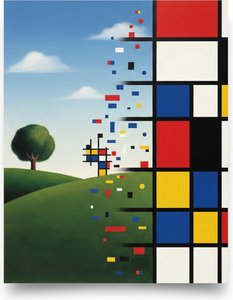
Piet Mondrian: Deconstructing Reality – A Study of Neo-Plasticism & Universal Harmony
Explore the revolutionary art of Piet Mondrian and the principles of Neo-Plasticism. Discover De Stijl's influence, iconic compositions like 'Composition with Red, Yellow and Blue,' and Mondrian’s lasting legacy on modern design.

Abstracción Geométrica: 10 Obras Maestras que Transformaron el Arte Moderno | ArtsDot
Descubre las 10 obras maestras de la abstracción geométrica que revolucionaron el arte moderno. Explora a Mondrian, Malevich y Kandinsky en ArtsDot.com. Reproducciones de alta calidad para tu hogar.
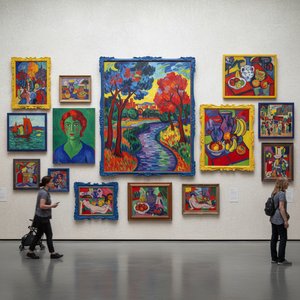
Fauvismo: 10 Obras Maestras que Revolucionaron la Pintura |
Descubre las 10 obras maestras del Fauvismo con Matisse, Derain y Vlaminck. Explora la historia, el color y la audacia de este movimiento artístico revolucionario. Reproducciones de arte exclusivas en .