 Ver en contexto
 Enviar
 Compartir
 Detalles

 Descargar
 Similares
 Radiografía
 Presentación de diapositivas
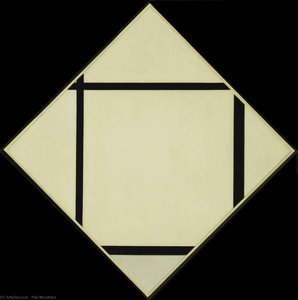
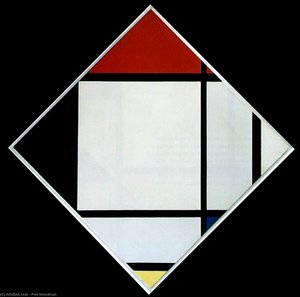
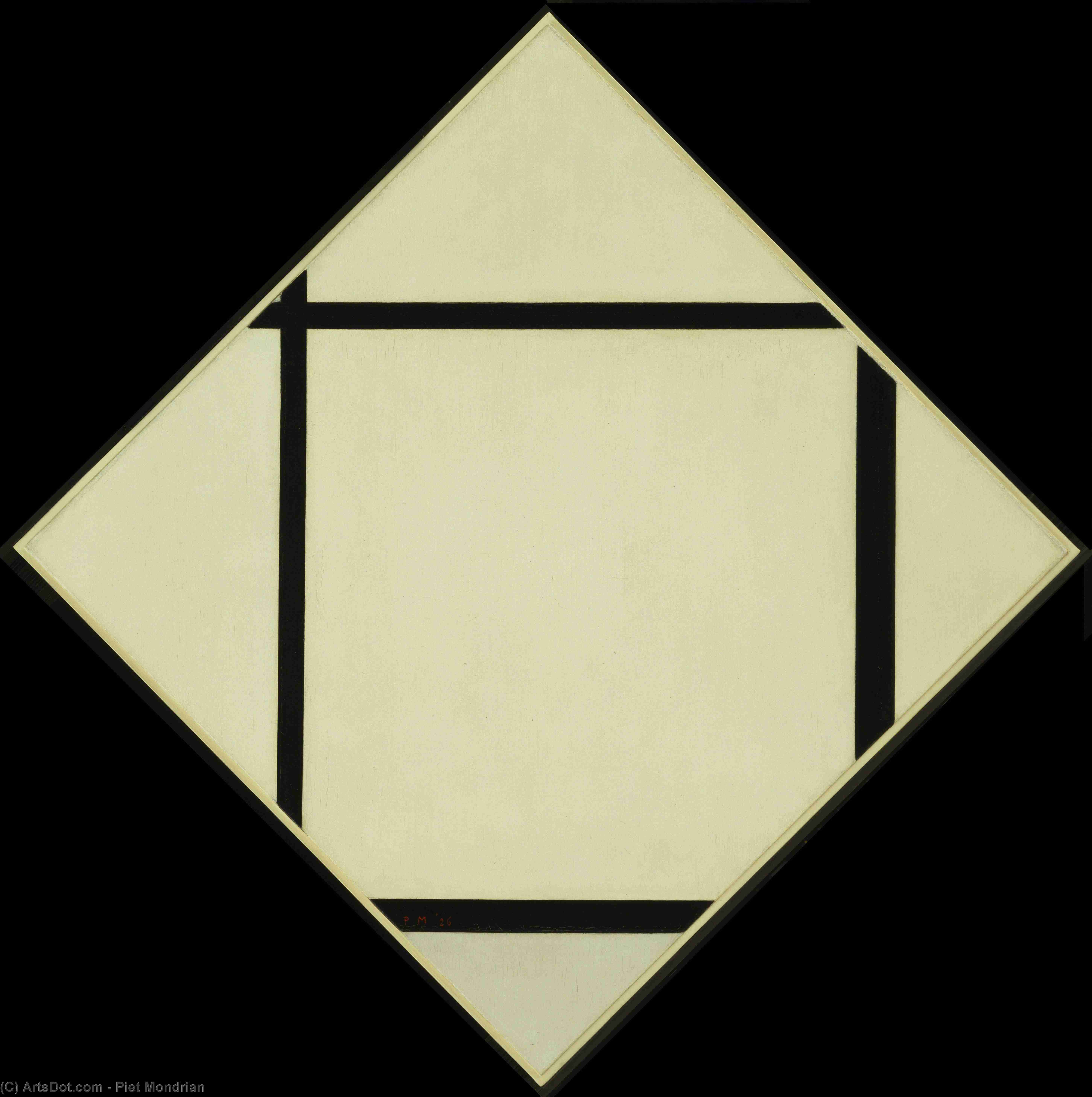
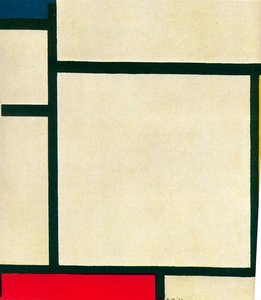
Tablau I Lozenge con Cuatro Líneas y Gris


 Ver más
Giclée / Impresión de arte
Impresiones giclée o en lienzo de calidad de museo con producción rápida y opciones de acabado flexibles. ( Comprar pintura hecha a mano Comprar imagen)




P118B $10

P118H $10

P118W $10

P438Z $10

P508JH $12

P508YH $12

P805H $10

P805Z $10

P919BZ $10

P919G $10

P919XJ $10

P959ZH $10

P968JZ $12

W106C $8

W218G $10

W218JH $8

W218Y $10

W307PJ $10

W316G $10

W316PJ $8

W316Y $10

W398PJ $8

W4111J $10

W500HY $15

W500JH $15

W692G $12

W849H $8

W940BG $15

W953PJ $8




Elija entre nuestros tamaños predefinidos que respetan las proporciones originales de la obra.

Puede introducir sus propias dimensiones para adaptarse a un marco o espacio específico. Si el tamaño seleccionado no coincide con las proporciones de la imagen original, recortaremos la obra de arte o extenderemos la imagen con un borde con efecto espejo o de color sólido. Se enviará una maqueta digital para su aprobación antes de que comience la producción.
Tenga en cuenta que la vista previa en pantalla no refleja el recorte o la extensión real. Solo la maqueta mostrará con precisión la composición final.
Aunque existen tamaños personalizados, recomendamos seleccionar una dimensión de la lista predefinida para preservar las proporciones originales.
Envío a todo el mundo () en 2 semanas en lugar de las 4/5 semanas estándar. (24 agosto)

Envío exprés gratuito a todo el mundo

Lienzo de lino de alta calidad

Seguro de envío total

Garantía de reembolso de impuestos aduaneros

Garantía de fidelidad cromática exacta

Política de devolución de 60 días (solo por defectos)

Garantía de devolución del 100% del dinero

Descuento por cantidad
 La opción de vidrio solo está disponible en tamaños inferiores a 110 cm.

Tablau I Lozenge con Cuatro Líneas y Gris
Giclée / Impresión de arte
Dimensiones de la reproducción
-


Precio total final
$ 62
Descripción de la pieza
The Geometry of Inner Harmony: Exploring Piet Mondrian’s Tableau I – Lozenge with Four Lines and Gray
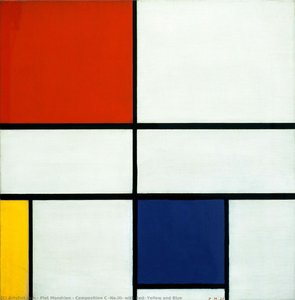
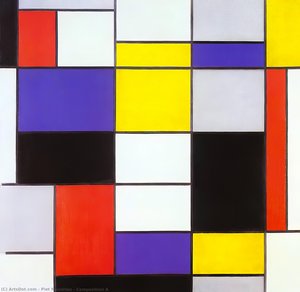
Piet Mondrian's *Tableau I – Lozenge with Four Lines and Gray*, painted in 1926, is not merely a painting; it is a visual distillation of a profound philosophical quest. Emerging from the tumultuous aftermath of World War I, Mondrian sought to articulate a universal language of form and color, one that transcended individual subjectivity and resonated with an underlying cosmic order. This work, characteristic of his mature Neoplastic style, embodies this ambition with striking clarity. The composition—a carefully calibrated arrangement of black lines and rectangles against a white ground, punctuated by the subtle inclusion of gray—appears deceptively simple. Yet, within its geometric austerity lies a complex interplay of balance, tension, and spiritual aspiration. It’s a work that demands contemplation, inviting the viewer to move beyond surface appearances and engage with the fundamental principles governing its creation. A Journey Towards Abstraction: Mondrian's artistic evolution was not sudden but rather a gradual process of reduction and refinement. Beginning with representational landscapes influenced by Dutch Impressionism and later experiments with Symbolism, he progressively stripped away naturalistic detail, driven by an increasing conviction that art should reflect the underlying spiritual reality rather than merely imitate the visible world. His exposure to Theosophy—a mystical philosophy emphasizing the interconnectedness of all things—profoundly shaped his artistic vision. The move to Paris in 1912 and immersion in Cubism were pivotal, prompting him to deconstruct forms and explore non-representational possibilities. However, Mondrian ultimately diverged from Cubism’s fragmented perspective, seeking instead a more harmonious and unified aesthetic. *Tableau I* represents the culmination of this journey, where all traces of recognizable imagery have been eliminated in favor of pure abstraction. He began his artistic career as a teacher in primary education, but he also practiced painting. Most of his work from this period is naturalistic or Impressionistic, consisting largely of landscapes. These pastoral images of his native country depict windmills, fields, and rivers, initially in the Dutch Impressionist manner of the Hague School and then in a variety of styles and techniques that attest to his search for a personal style. These paintings are representational, and they illustrate the influence that various artistic movements had on Mondrian, including pointillism and the vivid colors of Fauvism. In 1893 he had his first exhibition. The Language of Neoplasticism: Mondrian termed his mature style “Neoplasticism” (Nieuwe Beeldplastic), meaning "New Plastic Art." This wasn’t simply an aesthetic choice but a deliberate attempt to create a visual language capable of expressing universal truths. The core tenets of Neoplasticism involved the reduction of form to its essential elements: straight lines, right angles, and primary colors—red, blue, and yellow—along with black, white, and gray. These elements were not chosen arbitrarily; they represented, in Mondrian’s view, the fundamental building blocks of reality. The horizontal and vertical lines symbolized opposing forces – earthly versus spiritual, masculine versus feminine – achieving equilibrium through their precise arrangement. The limited palette was intended to eliminate emotional associations and allow for a purely objective experience of form and color. In *Tableau I*, the subtle introduction of gray adds nuance to this austere vocabulary, softening the stark contrast between black and white and introducing a sense of depth and spatial ambiguity. He proclaimed in 1914: “Art is higher than reality and has no direct relation to reality. To approach the spiritual in art, one will make as little use as possible of reality, because reality is opposed to the spiritual. We find ourselves in the presence of an abstract art. Art should be above reality, otherwise it would have no value for man.” Emotional Resonance and Enduring Legacy: While seemingly devoid of emotional content due to its geometric precision, *Tableau I* possesses a remarkable capacity to evoke feelings of serenity, balance, and harmony. The carefully considered proportions and the rhythmic interplay of lines create a visual stillness that invites contemplation. The painting’s impact extends far beyond the realm of fine art. Mondrian's aesthetic principles profoundly influenced graphic design, architecture, and fashion throughout the 20th century and continue to inspire contemporary artists and designers today. His work embodies a utopian vision of order and clarity, offering a timeless reminder of the power of abstraction to transcend the limitations of representation and connect us with something deeper within ourselves. A reproduction of *Tableau I* is not merely a decorative element; it’s an invitation to bring this sense of harmony and intellectual rigor into any space, fostering a contemplative atmosphere that encourages clarity of thought and emotional equilibrium. Photo Description: The image is a black and white photograph of a painting by the artist Piet Mondrian. The painting is titled "Tableau I Lozenge with Four Lines and Gray." It features a square design with a black border surrounding it. Inside the square, there are four lines that create an interesting pattern. The overall composition of the painting gives off a sense of balance and harmony. Size: Unknown Date: UnknownObras relacionadas
Biografía del artista
**vida temprana y carrera en los Países Bajos (1872-1911)**
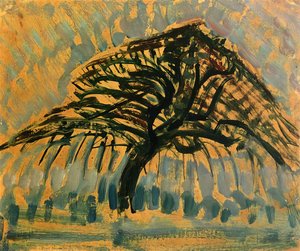
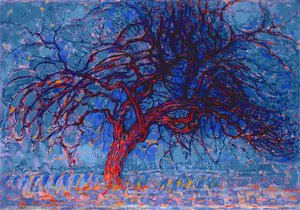
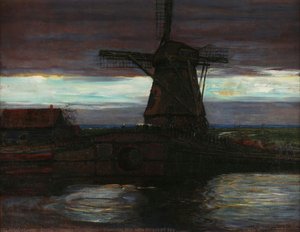
pieter cornelis mondriaan, conocido a partir de 1911 como piet mondrian, fue un pintor y teórico del arte holandés nacido el 7 de marzo de 1872, en Amersfoort, Países Bajos. Comenzó su carrera como maestro en educación primaria mientras practicaba la pintura, inicialmente en el estilo impresionista holandés de la Escuela de Ámsterdam.- Su obra temprana, caracterizada por paisajes naturalistas, se puede ver en pinturas como the red mill y trees in moonrise, que se exhibieron en el kunstmuseum den haag.
- La búsqueda de Mondrian por parte de un estilo personal lo llevó a explorar diversos movimientos artísticos, incluyendo el puntillismo y el fauvismo.
- Su primera exposición en 1893 marcó el comienzo de su prolífica carrera.
**la evolución del estilo de Mondrian**
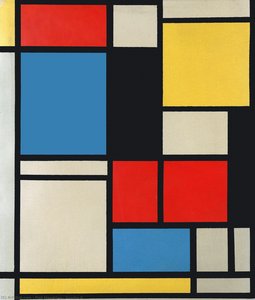
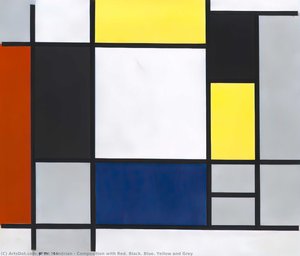
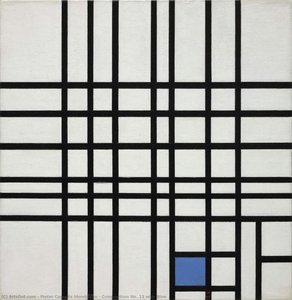
de figurativo a abstracto La dirección artística de Mondrian se desplazó hacia un estilo cada vez más abstracto, culminando en una forma no representacional que llamó neoplasticismo. Esta 'arte plástico puro' tenía como objetivo crear 'belleza universal', limitando su vocabulario formal a los colores primarios (rojo, azul y amarillo), valores (negro, blanco y gris) y direcciones (horizontal y vertical).- Ejemplos de este estilo se pueden ver en pinturas como composition with yellow patch (46 x 46 cm, neoplasticismo, óleo sobre lienzo).
- La obra de Mondrian tuvo una enorme influencia en el arte del siglo XX, impactando no solo la pintura abstracta sino también el diseño, la arquitectura y la moda.
**legado e influencia**
El legado de Mondrian se extiende más allá de su propia obra, influyendo en estilos y movimientos importantes como la pintura de campo de color, el expresionismo abstracto y el minimalismo. El historiador del diseño stephen bayley señaló que Mondrian se ha convertido en un símbolo para todo lo que el modernismo pretendía ser.- Explore más de la obra de Mondrian en ArtsDot.com.
- Aprenda sobre el movimiento De Stijl y su influencia en el arte moderno en wikipedia.
- Descubra otros artistas influyentes como vincent van gogh y su impacto en el mundo del arte.
**obras clave y exposiciones**
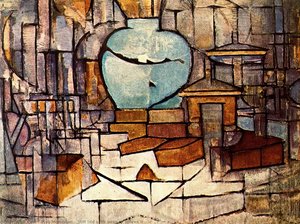
* piet mondrian: apple blossom (cubismo) (ver en ArtsDot.com) * piet mondrian: still life with vase of spices ii (cubismo) (ver en ArtsDot.com) * piet mondrian: passionflower (73 x 48 cm, kunstmuseum den haag, post impressionismo, acuarela) (ver en ArtsDot.com)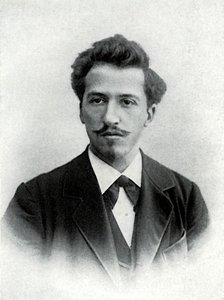
Piet Mondrian
1872 - 1944 , Países Bajos
Datos clave
- Artistas Que Influyeron:
- Hague School
- Puntillismo
- Fauvismo
- Cubismo
- Estilo Artístico: Neoplasticismo, De Stijl
- Fecha De Nacimiento: 7 de marzo de 1872
- Influenciado A Artistas:
- Expresionismo abstracto
- Minimalismo
- Color Field painting
- Lugar De Nacimiento: Amersfoort, Países Bajos
- Nacionalidad: Holandés
- Nombre Completo: Piet Mondrian
- Obras Notables:
- Nueva York I
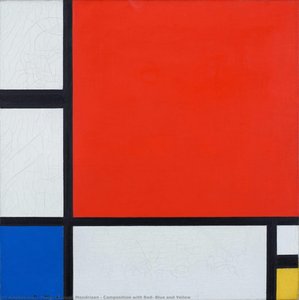
- Composición con Rojo, Azul y Amarillo
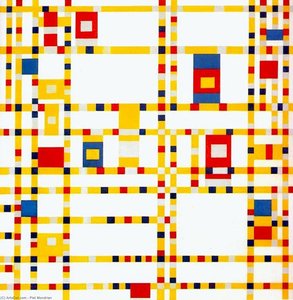
- Broadway Boogie Woogie
- Tableau no. 2
Artículos relacionados

Abstracción Geométrica: 10 Obras Maestras que Transformaron el Arte Moderno | ArtsDot
Descubre las 10 obras maestras de la abstracción geométrica que revolucionaron el arte moderno. Explora a Mondrian, Malevich y Kandinsky en ArtsDot.com. Reproducciones de alta calidad para tu hogar.
Theo van Doesburg: Pioneering De Stijl & the Evolution of Neo-Plasticism
Explore the revolutionary De Stijl movement & Neo-Plasticism with our expert guide. Discover Piet Mondrian, Theo van Doesburg, and the lasting impact of this influential art style. Learn about collecting & investing in De Stijl masterpieces.
Más Allá de la Forma: Explorando los Fundamentos Filosóficos de la Abstracción Geométrica
Descubre los fundamentos filosóficos de la abstracción geométrica. Explora el suprematismo de Malévich y el neoplasticismo de Mondrian, su impacto en el arte moderno y su legado perdurable. Análisis experto.
Beyond Form & Color: Geometric Abstraction's Evolution in 20th/21st Century Art
Explore the evolution of geometric abstraction from Cubism to contemporary art. Discover key artists like Malevich & Mondrian, investment insights, and expert collecting advice at ArtsDot.
Piet Mondrian: Deconstructing Reality – A Study of Neo-Plasticism & Universal Harmony
Explore the revolutionary art of Piet Mondrian and the principles of Neo-Plasticism. Discover De Stijl's influence, iconic compositions like 'Composition with Red, Yellow and Blue,' and Mondrian’s lasting legacy on modern design.