 Ver en contexto
 Enviar
 Compartir
 Detalles

 Descargar
 Similares
 Radiografía
 Presentación de diapositivas
Christ and the Adulteress
 Oil On Canvas
- WallArt
- Baroque
 1559
1559 122.0 x 177.0 cm
 Städel Museum
 Ver más
Giclée / Impresión de arte
Impresiones giclée o en lienzo de calidad de museo con producción rápida y opciones de acabado flexibles. ( Comprar pintura hecha a mano Comprar imagen)




P118B $10

P118H $10

P118W $10

P438Z $10

P508JH $12

P508YH $12

P805H $10

P805Z $10

P919BZ $10

P919G $10

P919XJ $10

P959ZH $10

P968JZ $12

W106C $8

W218G $10

W218JH $8

W218Y $10

W307PJ $10

W316G $10

W316PJ $8

W316Y $10

W398PJ $8

W4111J $10

W500HY $15

W500JH $15

W692G $12

W849H $8

W940BG $15

W953PJ $8




Elija entre nuestros tamaños predefinidos que respetan las proporciones originales de la obra.

Puede introducir sus propias dimensiones para adaptarse a un marco o espacio específico. Si el tamaño seleccionado no coincide con las proporciones de la imagen original, recortaremos la obra de arte o extenderemos la imagen con un borde con efecto espejo o de color sólido. Se enviará una maqueta digital para su aprobación antes de que comience la producción.
Tenga en cuenta que la vista previa en pantalla no refleja el recorte o la extensión real. Solo la maqueta mostrará con precisión la composición final.
Aunque existen tamaños personalizados, recomendamos seleccionar una dimensión de la lista predefinida para preservar las proporciones originales.
Envío a todo el mundo () en 2 semanas en lugar de las 4/5 semanas estándar. (25 agosto)

Envío exprés gratuito a todo el mundo

Lienzo de lino de alta calidad

Seguro de envío total

Garantía de reembolso de impuestos aduaneros

Garantía de fidelidad cromática exacta

Política de devolución de 60 días (solo por defectos)

Garantía de devolución del 100% del dinero

Descuento por cantidad
 La opción de vidrio solo está disponible en tamaños inferiores a 110 cm.

Christ and the Adulteress
Giclée / Impresión de arte
Dimensiones de la reproducción
-


Precio total final
$ 62
Descripción de la pieza
A Window into 16th-Century Life: Pieter Aertsen’s Monumental Market Scene
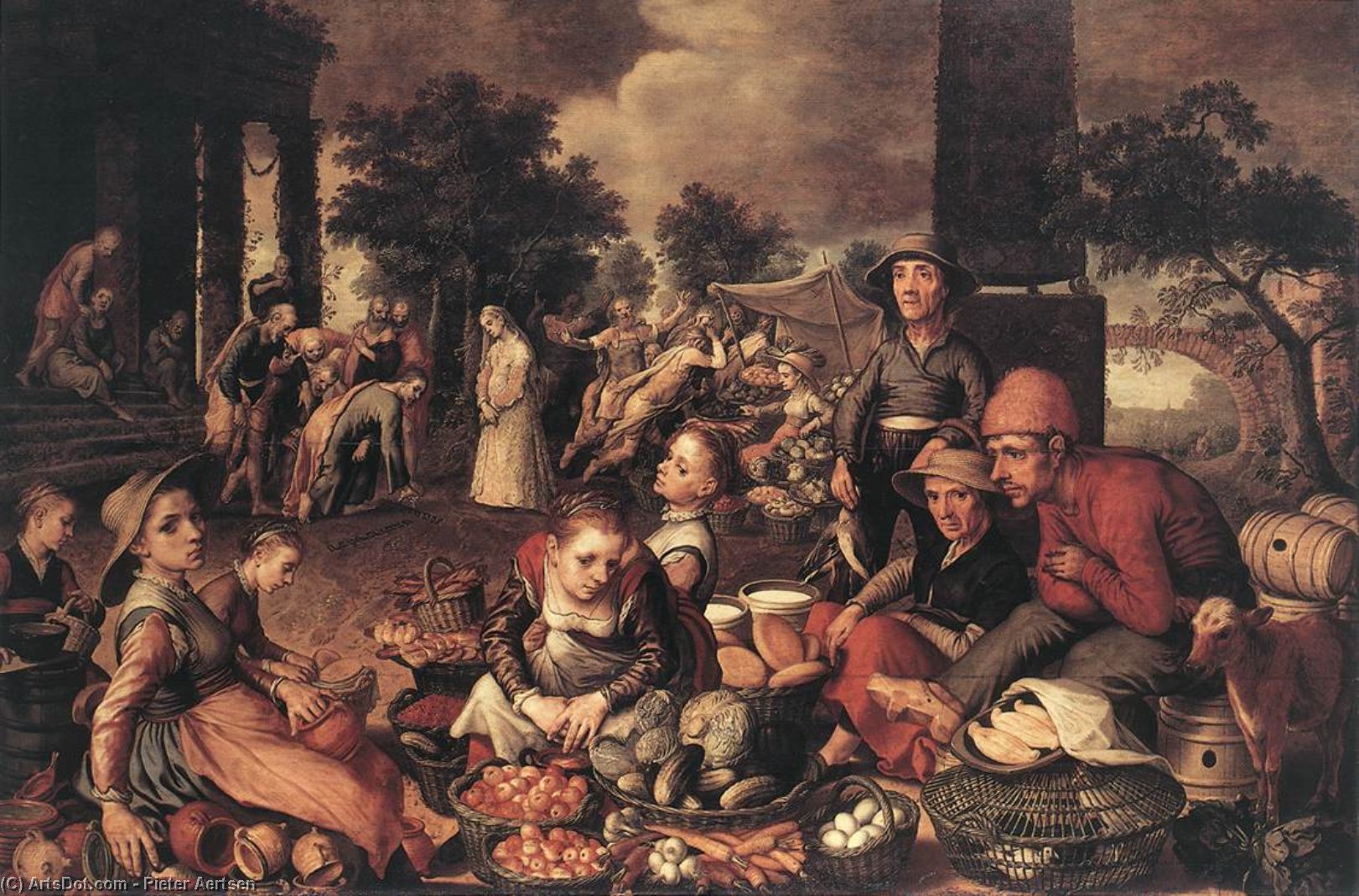
Pieter Aertsen's “Christ and the Adulteress,” painted in 1559, isn’t merely a religious depiction; it’s a meticulously crafted microcosm of 16th-century life. This monumental oil painting, now residing in the Städel Museum in Frankfurt, immediately captivates with its sheer scale and bustling energy. Aertsen, a pivotal figure bridging the gap between Northern Mannerism and the burgeoning realism of the Dutch Golden Age, masterfully blends elements of biblical narrative with a vibrant, everyday market scene. The central focus – Jesus confronting the woman taken in adultery – is subtly placed within the larger composition, almost as if observing a theatrical performance rather than participating directly. This deliberate layering creates an intriguing tension between the sacred and the secular, inviting viewers to contemplate the complexities of human morality and judgment.
- The Setting: A sprawling marketplace unfolds before us, teeming with merchants hawking their wares – clay pots, baskets overflowing with fruit and vegetables, jugs brimming with milk, and bolts of cloth. The scene is remarkably detailed, capturing the textures of fabrics, the gleam of metal, and the freshness of produce.
- Biblical Interlude: The story of Jesus’s judgment unfolds discreetly in the background, a smaller tableau within the larger market scene. This juxtaposition isn't haphazard; it reflects Aertsen’s innovative approach to genre painting – elevating the commonplace to a level of artistic significance.
- Symbolic Details: The inclusion of birds throughout the marketplace is particularly noteworthy. In Dutch, the word for “bird” (vogel) carries a suggestive connotation, hinting at earthly desires and temptations. This subtle symbolism adds another layer of meaning to the painting’s exploration of sin and redemption.
The Painter's Technique: A Masterclass in Northern Mannerism
Aertsen’s skill as a painter is immediately apparent in his meticulous attention to detail and masterful use of light and shadow. Executed in the rich, dark palette characteristic of Northern Mannerism, the painting employs dramatic chiaroscuro – strong contrasts between light and darkness – to create a sense of theatricality and depth. The figures are rendered with remarkable realism, their faces conveying a range of emotions from curiosity and amusement to judgment and concern. Aertsen’s brushwork is both precise and expressive, capturing the textures of clothing, skin, and objects with astonishing accuracy.
The artist's use of layering and glazing techniques creates a remarkable sense of volume and atmosphere, while his careful observation of light and shadow imbues the scene with a palpable sense of realism. The composition is carefully balanced, drawing the eye through the crowded marketplace and towards the central narrative.A Historical Context: Pieter Aertsen’s Pioneering Vision
Pieter Aertsen stands as a pivotal figure in the development of Dutch painting. He was born in Amsterdam around 1508, and spent most of his career in Antwerp, a vibrant center of artistic innovation during the mid-16th century. Aertsen’s work represents a significant departure from traditional religious paintings, which often featured distant, idealized figures. Instead, he chose to depict everyday life – market scenes, domestic interiors, still lifes – with remarkable detail and psychological insight. His “Christ and the Adulteress” is considered one of his most important works, demonstrating his innovative approach to genre painting and foreshadowing the work of later masters like Pieter Bruegel the Elder.
His legacy lies in elevating the mundane to the level of art, offering viewers a glimpse into the complexities of human experience within a richly detailed and symbolic world.Emotional Resonance: A Painting That Speaks Across Time
“Christ and the Adulteress” is more than just a historical document; it’s a profoundly moving work of art. The painting's enduring appeal lies in its ability to evoke a sense of empathy and contemplation. The scene invites us to consider our own moral choices, the consequences of our actions, and the nature of forgiveness. The juxtaposition of the sacred and the secular, the biblical narrative and the everyday marketplace, creates a powerful tension that resonates with viewers across centuries. It’s a painting that rewards repeated viewing, revealing new layers of meaning and emotional depth with each encounter.
Obras relacionadas

Biografía del artista
Pieter Aertsen: El Arquitecto de la Narrativa Doméstica
Pieter Aertsen, un nombre susurrado en los pasillos de la historia del arte, se erige como una figura fundamental que conecta el manierismo norteño con el floreciente realismo de la Edad de Oro holandesa. Nacido en Ámsterdam alrededor de 1508 y trágicamente fallecido en la misma ciudad en 1575, el legado de Aertsen no se define por grandiosas comisiones religiosas o retratos heroicos, sino más bien por su revolucionario enfoque a la pintura de género – una elevación deliberada de la vida cotidiana, impregnada de capas de simbolismo y profundidad narrativa. Él no solo representaba escenas; estaba construyendo mundos en miniatura, invitando a los espectadores a adentrarse en un complejo tapiz de experiencia humana.
La formación temprana de Aertsen bajo Allaert Claesz le proporcionó una base sólida en las técnicas tradicionales flamencas. Sin embargo, su traslado a Amberes, el vibrante corazón de la innovación artística durante la mitad del siglo XVI, fue lo que realmente moldeó su estilo distintivo. El ambiente bullicioso de Amberes, su diversa población y su posición como punto de cruce de los intercambios europeos fomentaron un entorno propicio para la experimentación – un contraste marcado con las convenciones religiosas más rígidas de la época. Allí, se unió a la prestigiosa Guild of Saint Luke, ganándose el apodo “Langhe Peter”, o “Pedro el Largo”, reflejando su imponente estatura, un detalle que a menudo incorporaba en sus retratos.
La Invención de la Pintura de Género Monumental
La contribución más significativa de Aertsen al arte reside en su creación – la invención de lo que ahora se reconoce como escenas de género monumentales. A diferencia de las representaciones anteriores de la vida cotidiana relegadas a espacios más pequeños y secundarios dentro de las composiciones religiosas, Aertsen colocó actividades diarias – escenas del mercado, tiendas de carne, bodegones – directamente en el centro de sus lienzos. Esto no fue simplemente un cambio en el tema; representaba un cambio fundamental en las prioridades artísticas. Deliberadamente difuminó las líneas entre diferentes géneros – bodegón, paisaje y narrativa – creando composiciones complejas que exigían una participación activa por parte del espectador.
Su ejemplo más famoso, *La Tienda de Carne con la Huida en Egipto* (1551), ejemplifica este enfoque revolucionario. La escena está dominada por un bodegón meticulosamente renderizado de una tienda de carne rebosante de carne, verduras y herramientas – un bodegón sorprendentemente detallado que atrae inmediatamente la atención del espectador. Sin embargo, sutilmente entrelazadas dentro de esta aparente escena mundana hay elementos de narrativa bíblica: la Sagrada Familia huyendo a Egipto, representada en miniatura en un pequeño panel sobre el mostrador. Esta superposición de realidades – el mundo tangible del comercio yuxtapuesto con el reino espiritual de la fe – se convirtió en una marca registrada del trabajo de Aertsen y tuvo una profunda influencia en las generaciones posteriores de artistas.
Simbolismo y el Lenguaje de los Objetos
Las escenas de Aertsen no son simplemente visualmente impactantes; están llenas de significado simbólico. Cada objeto, cada gesto, lleva peso y contribuye a un relato o comentario moral más amplio. Por ejemplo, la disposición de los artículos dentro de un bodegón podía representar los placeres terrenales frente a las recompensas espirituales, la riqueza frente a la pobreza, o incluso la fugacidad del tiempo. *La Tienda de Carne* está particularmente cargada de simbolismo: la abundancia de comida representa la prosperidad terrenal, mientras que la presencia de ostras y mejillones – asociados con la lujuria – sirve como una advertencia.
Además, Aertsen se inspiró en artistas anteriores como Joachim Patinir, quien había pionero en el uso de elementos de paisaje dentro de las escenas religiosas para crear profundidad atmosférica e interés visual. Aertsen adoptó esta técnica, integrando paisajes en miniatura – una ventana de iglesia, un paisaje pastoral – en sus composiciones de género, ampliando aún más el alcance de sus narrativas y invitando a los espectadores a contemplar múltiples realidades simultáneamente.
Influencia y Legado
La influencia de Pieter Aertsen en las generaciones posteriores de artistas es innegable. Su enfoque innovador a la pintura de género allanó el camino para el auge del bodegón holandés como un género artístico distinto, influyendo en figuras como Jan Sanders van Hemessen y, crucialmente, en su hijo, Pieter Pietersz the Elder. El énfasis de Aertsen en los detalles realistas, combinado con su maestría en el uso del simbolismo y la narración estratificada, sentó un precedente para artistas posteriores que buscaban capturar las complejidades de la vida cotidiana.
De manera notable, el trabajo de Aertsen anticipó desarrollos en la pintura italiana. El humanista renacentista Hadrianus Junius (Adriaen de Jonghe) comparó a Aertsen con Peiraikos, un pintor griego antiguo celebrado por su capacidad para representar temas ordinarios con una realidad extraordinaria y profundidad simbólica. Esta comparación subrayaba el papel pionero de Aertsen en desafiar las convenciones artísticas tradicionales y elevar el estatus de la pintura de género.
A pesar de la destrucción de muchas de sus obras durante el iconoclasmo de la *Beeldenstorm* (la reforma protestante) en Ámsterdam, el legado de Aertsen perdura. Sus pinturas continúan fascinando a los historiadores del arte y a los espectadores, ofreciendo una visión de un mundo donde lo mundano se vuelve profundo y la vida cotidiana se transforma en un rico tapiz de significado.
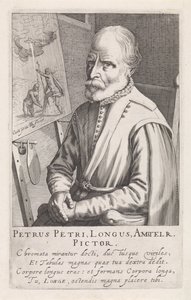
Pieter Aertsen
1508 - 1575 , Países Bajos
Datos clave
- Artistic Movement Or Style: Manerismo del Norte
- Artists Or Movements Influenced By This Artist: ['Joachim Patinir']
- Artists Who Influenced This Artist: ['Allaert Claesz']
- Date Of Birth: 1508, Ámsterdam
- Date Of Death: 1575, Ámsterdam
- Full Name: Pieter Aertsen
- Nationality: Holandés
- Notable Artworks: ['Bodegón con el vuelo a Egipto']
- Place Of Birth: Ámsterdam, Países Bajos
Artículos relacionados

Reflejos de una Época Dorada: La Pintura Barroca Holandesa y la Innovación Cultural
Descubra la riqueza y el detalle de la pintura barroca holandesa del Siglo de Oro. Explore las obras maestras de Rembrandt, Vermeer y otros artistas clave. Análisis experto e historia cultural.

Los 10 Maestros del Siglo de Oro Holandés: Arte, Historia y Decoración Exclusiva
Descubre los 10 imprescindibles del Siglo de Oro Holandés: Rembrandt, Vermeer y más. Explora la historia, técnica y belleza de estos lienzos clásicos. Encuentra reproducciones de arte exclusivas para decorar tu hogar en .

Los 10 Maestros del Barroco Holandés: Obras que Definen una Época | ArtsDot
Descubre los 10 imprescindibles del Barroco holandés: Rembrandt, Vermeer y más. Explora la historia, técnica y belleza de estas obras maestras. Reproducciones de arte en ArtsDot.com para decorar tu hogar con elegancia.

La Luz y la República: Innovación Artística en el Siglo de Oro Neerlandés
Descubra la innovación artística del Siglo de Oro Neerlandés. Explore las obras maestras de Rembrandt y Vermeer, técnicas revolucionarias y el legado perdurable de este florecimiento cultural. ¡Sumérjase en la luz y la belleza!
Illuminating Realism: Exploring the Dutch Golden Age of Painting (1600-1700)
Explore the Dutch Golden Age of painting (1600-1700) with ArtsDot. Discover Rembrandt, Vermeer & other masters. Learn about techniques, history & find museum-quality reproductions.