

 Vista previa
 Compartir
 Compartir
 Ver detalles

 Descargar
 Ver similares
 Radiografía
 Presentación de diapositivas
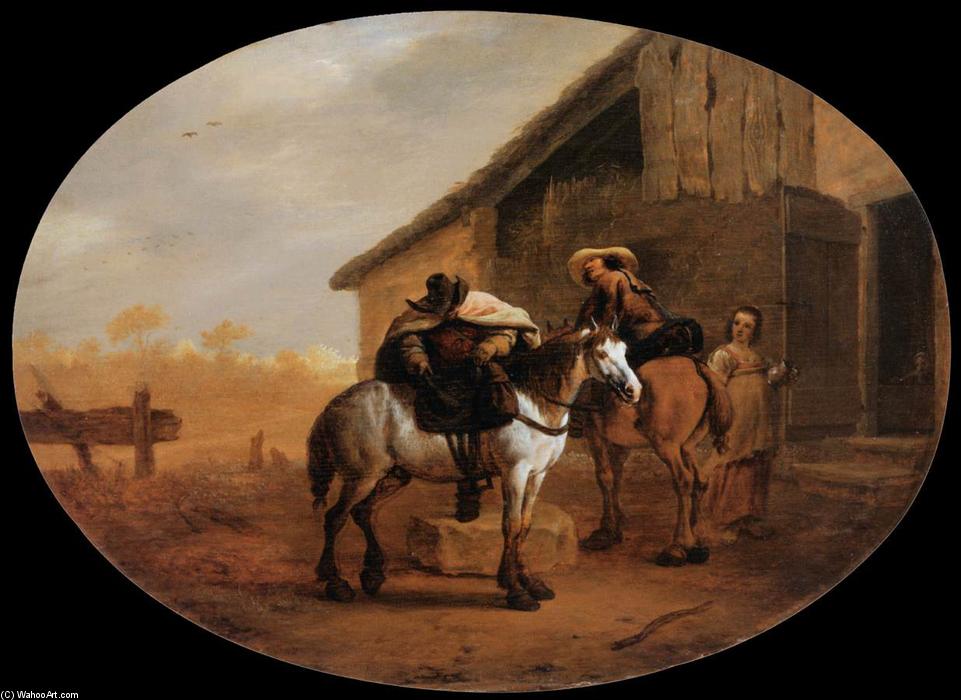
Departure from the Inn
 Oil On Canvas
- WallArt
- Baroque
 1639
1639 32.0 x 43.0 cm
 Museo del Louvre
 Leer más
Giclée / Impresión de arte
Impresiones giclée o en lienzo de calidad de museo con producción rápida y opciones de acabado flexibles. ( Encargar reproducción pintada a mano Comprar descarga)




P118B $10

P118H $10

P118W $10

P438Z $10

P508JH $12

P508YH $12

P805H $10

P805Z $10

P919BZ $10

P919G $10

P919XJ $10

P959ZH $10

P968JZ $12

W106C $8

W218G $10

W218JH $8

W218Y $10

W307PJ $10

W316G $10

W316PJ $8

W316Y $10

W398PJ $8

W4111J $10

W500HY $15

W500JH $15

W692G $12

W849H $8

W940BG $15

W953PJ $8




Elija entre nuestros tamaños predefinidos que respetan las proporciones originales de la obra.

Puede introducir sus propias dimensiones para adaptarse a un marco o espacio específico. Si el tamaño seleccionado no coincide con las proporciones de la imagen original, recortaremos la obra de arte o extenderemos la imagen con un borde con efecto espejo o de color sólido. Se enviará una maqueta digital para su aprobación antes de que comience la producción.
Tenga en cuenta que la vista previa en pantalla no refleja el recorte o la extensión real. Solo la maqueta mostrará con precisión la composición final.
Aunque existen tamaños personalizados, recomendamos seleccionar una dimensión de la lista predefinida para preservar las proporciones originales.
Envío a todo el mundo () en 2 semanas en lugar de las 4/5 semanas estándar. (22 agosto)

Envío exprés gratuito a todo el mundo

Lienzo de lino de alta calidad

Seguro de envío completo

Garantía de reembolso de aranceles aduaneros

Garantía de fidelidad cromática exacta

Política de devolución de 60 días (solo por defectos)

Garantía de devolución del 100% del dinero

Oferta por volumen
 La opción de vidrio solo está disponible en tamaños inferiores a 110 cm.

Departure from the Inn
Giclée / Impresión de arte
Tamaño de la reproducción
-


Precio total
$ 62
Descripción de la pieza
Departure from the Inn: A Baroque Window into Dutch Life
Pieter Boddingh van Laer’s “Departure from the Inn,” painted in 1639, is more than just a depiction of a roadside scene; it's a vibrant snapshot of 17th-century Dutch society, imbued with the drama and psychological depth characteristic of the Baroque period. Housed within the hallowed halls of the Musée du Louvre in Paris, this oil on canvas offers a captivating glimpse into a world of travelers, merchants, and the quiet observation of daily life – a world rendered with remarkable skill and emotional resonance.
The painting immediately draws the eye to the central figures: two mounted riders traversing a rustic landscape. One, leading the way in a white horse, exudes confidence and purpose, while his companion, perched on a brown steed, appears slightly more hesitant, perhaps contemplating the journey ahead. To their right, a woman stands poised by what is clearly an inn entrance – a focal point of activity and anticipation. Her posture suggests she’s not merely observing; she's actively engaged in the scene, her gaze hinting at a story yet untold. The building itself, constructed from weathered wood and topped with a thatched roof, speaks to a simpler, more agrarian existence, providing a grounding contrast to the figures’ attire and demeanor.
A Masterclass in Baroque Technique
Van Laer's mastery lies not only in his ability to capture a scene but also in his command of light and shadow – hallmarks of the Baroque style. Notice how the artist employs *chiaroscuro*, dramatically contrasting areas of bright illumination with deep, enveloping darkness. This technique isn’t merely aesthetic; it serves to heighten the emotional impact of the painting, drawing attention to key figures and creating a sense of depth and atmosphere. The muted earth tones – browns, ochres, and greys – dominate the palette, lending an air of realism and grounding the scene in the tangible world. The brushstrokes are visible yet controlled, contributing to the texture and richness of the canvas.
Furthermore, the artist’s attention to detail is remarkable. The folds of the riders' clothing, the texture of the horse’s coats, and even the subtle expressions on their faces all contribute to a sense of immediacy and authenticity. This meticulous approach reflects Van Laer’s commitment to portraying not just appearances but also the inner lives of his subjects.
Historical Context and Artistic Influences
"Departure from the Inn" emerged during a period of significant artistic innovation in the Netherlands, as artists began to move away from the rigid conventions of Mannerism and embrace a more naturalistic style. Van Laer’s work is deeply rooted in the Dutch Golden Age, a time of unprecedented prosperity and cultural flourishing. He was influenced by the realism of Frans Hals, particularly his ability to capture psychological depth in portraits, but also by the burgeoning interest in Roman landscapes and genre scenes that were gaining popularity at the time.
Notably, Van Laer’s work aligns with the “Bamboccianti” style – a movement he pioneered. These paintings depicted everyday life, often featuring peasants, travelers, or musicians, offering a glimpse into the lives of ordinary people. The term "Bamboccio" itself referred to an awkward, slightly comical figure, reflecting the artists’ fascination with portraying humanity in all its imperfect glory.
Symbolism and Emotional Resonance
Beyond its technical brilliance, “Departure from the Inn” is rich in symbolic meaning. The journey depicted represents not just a physical movement but also a metaphorical one – a transition, an adventure, or perhaps even a farewell. The woman by the inn entrance could symbolize hospitality, anticipation, or simply the quiet observation of human drama. The painting’s overall mood is one of understated elegance and contemplative reflection, inviting viewers to pause and consider the complexities of life and the beauty of everyday moments.
Reproductions of this masterpiece offer a unique opportunity to bring this evocative scene into your home or office. ArtsDot meticulously recreates Van Laer’s techniques and color palette, ensuring that you own a faithful representation of this iconic work of art – a window into the vibrant world of 17th-century Dutch life.
Obras relacionadas



Biografía del artista
Pieter van Laer: Uniendo el Realismo Holandés y la Sensibilidad Italiana
Pieter van Laer (c. 1599 – 1642) se erige como una figura fundamental en el floreciente paisaje barroco de los Países Bajos; sin embargo, su legado artístico trasciende con creces las fronteras nacionales gracias a su papel pionero en la consolidación del estilo Bamboccianti, un movimiento que impactó profundamente en el arte italiano y cautivó a los espectadores con su representación de la vida cotidiana. Nacido en Haarlem, los años formativos de Van Laer coincidieron con un periodo de intensa experimentación artística, impulsado por los ideales humanistas que circulaban por toda Europa y que reflejaban el dinamismo de la época. Aunque los detalles biográficos siguen siendo algo esquivos —los registros indican que se casó con Anna Maria van Berckenhorst en 1628—, su prolífica producción dice mucho sobre su dedicación a capturar las complejidades de la experiencia humana.- Primeras influencias: El viaje artístico de Van Laer comenzó bajo la tutela de Frans Hals, un maestro del retrato cuyo meticuloso realismo y perspicacia psicológica sin duda moldear e influyeron en su enfoque de la pintura.
- El estilo Bamboccianti: Al reconocer las limitaciones del arte académico tradicional, Van Laer defendió un estilo revolucionario, el Bamboccianti, caracterizado por sus paletas de colores vibrantes, composiciones dinámicas y un retrato inquebrantable de escenas rústicas pobladas por campesinos entregados a actividades animadas. Esta innovación estilística se inspiró en artistas italianos como Caravaggio y Guido Reni, quienes priorizaron de manera similar el realismo dramático sobre la belleza idealizada.
- Obras notables: Entre sus piezas más celebradas se encuentra “Bentvueghels en una taberna romana”, un cuadro cautivador que captura una reunión de artistas holandeses documentando sus experiencias en Roma durante el periodo Barroco. Esta obra ilustra brillantemente la fascinación de Van Laer tanto por la innovación artística como por el intercambio cultural.
- Legado y trascendencia: La contribución de Pieter van Laer a la historia del arte es innegable. Consolidó el estilo Bamboccianti como una piedra angular de la pintura barroca italiana, influyendo en generaciones de artistas y estableciendo un nuevo estándar estético, uno que priorizaba el realismo junto con un dinamismo expresivo. Sus pinturas continúan resonando en los espectadores de hoy, recordándonos el poder perdurable del arte para iluminar la experiencia humana.
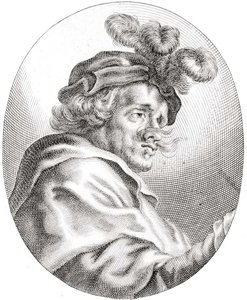
Pieter Van Laer
1599 - 1642 , Países Bajos
Datos clave
- Artistic Movement Or Style: Bamboccianti
- Artists Who Influenced This Artist:
- Rembrandt van Rijn
- Jan Steen
- Date Of Birth: 1599
- Date Of Death: c. 1642
- Full Name: Pieter Boddingh van Laer
- Nationality: Holandés
- Notable Artworks:
- Salida de la posada
- Los pastores
- Bentvueghels en una taberna romana
- Place Of Birth: Ámsterdam, Países Bajos
Artículos relacionados

Rembrandt van Rijn: Las 25 Obras Maestras que Definen un Genio | Arte, Historia y Decoración
Descubre las 25 obras maestras de Rembrandt van Rijn, el genio del barroco holandés. Explora su historia, técnica y simbolismo en retratos icónicos como 'La Ronda Nocturna'. Encuentra reproducciones de arte exclusivas para decorar tu hogar con ArtsDot.com.
Sir Anthony van Dyck: Courtly Portraiture & the Shaping of Baroque Identity
Explore the life & legacy of Sir Anthony van Dyck, the leading court painter of his era. Discover his innovative portraiture, Baroque masterpieces, and investment potential for discerning collectors. Learn more at ArtsDot.

Barroco Sublime: 10 Obras Maestras que Definieron una Época |
Descubre las 10 obras maestras del Barroco que marcaron una época. Caravaggio, Bernini y Velázquez cobran vida en . Reproducciones de arte de calidad museo para decorar tu hogar con elegancia. ¡Explora la colección online!

Los 10 Maestros del Barroco Holandés: Obras que Definen una Época | ArtsDot
Descubre los 10 imprescindibles del Barroco holandés: Rembrandt, Vermeer y más. Explora la historia, técnica y belleza de estas obras maestras. Reproducciones de arte en ArtsDot.com para decorar tu hogar con elegancia.
Los 10 Maestros del Primitivo Flamenco: Obras que Definen un Arte Inigualable | ArtsDot
Descubre los 10 imprescindibles del Primitivo Flamenco: Jan van Eyck, Robert Campin y más. Explora la historia, simbolismo y técnica de estas obras maestras renacentistas tempranas. Encuentra reproducciones de arte de museo en ArtsDot.com.

