 Ver en contexto
 Enviar
 Compartir
 Detalles

 Descargar
 Similares
 Radiografía
 Presentación de diapositivas
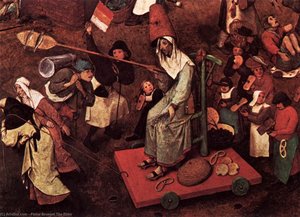
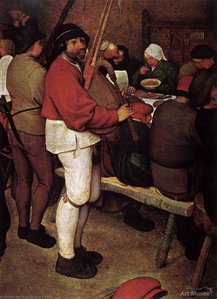
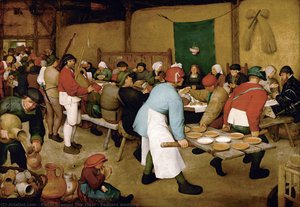
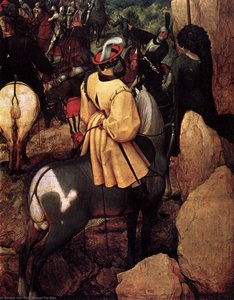
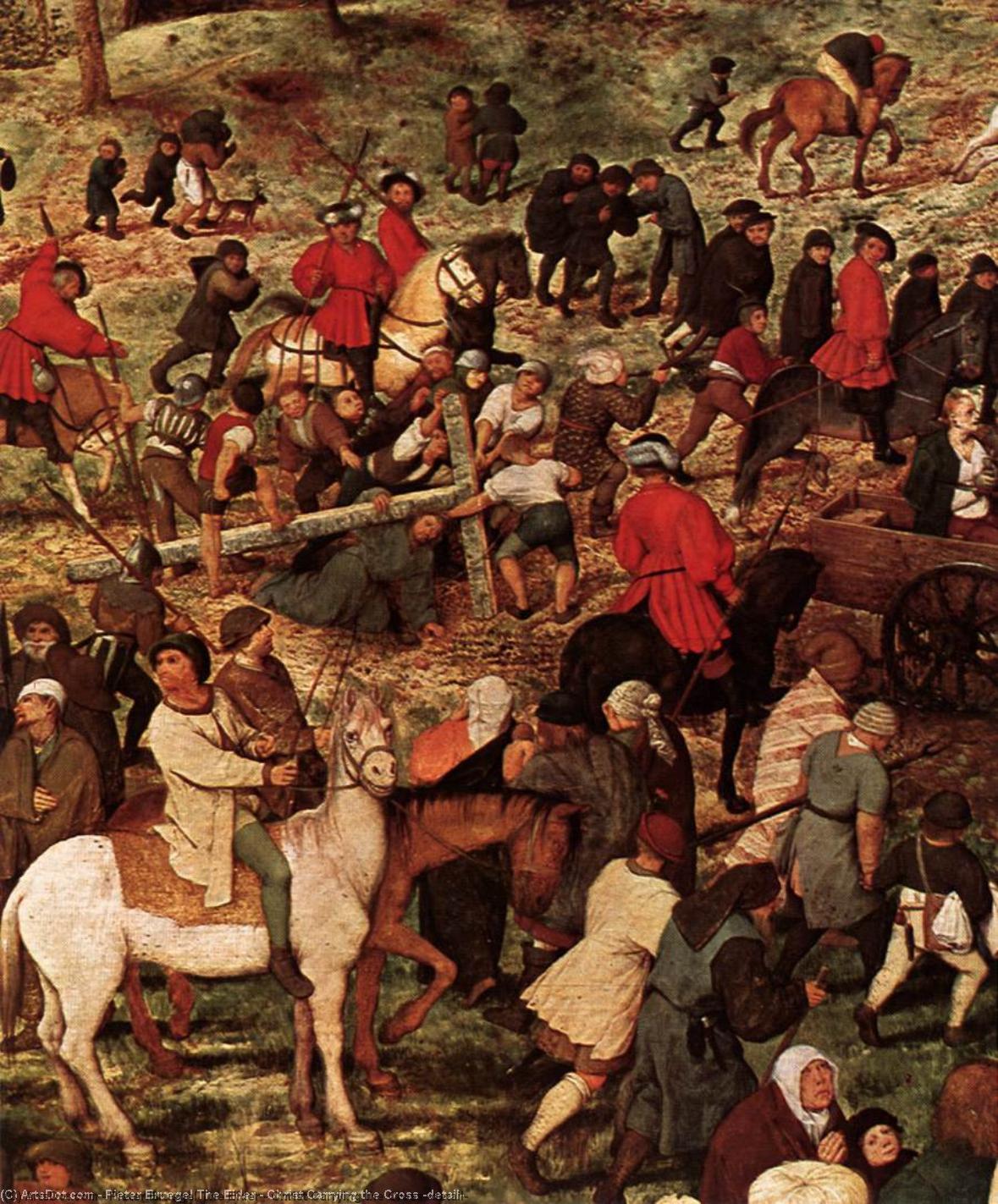
Cristo cargando la cruz (detalle)


 Ver más
Reproducción al óleo hecha a mano
Óleo sobre lienzo pintado a mano en el tamaño y marco de su elección, realizado por encargo por nuestros artistas. ( Comprar impresión Comprar imagen)




P118B $10

P118H $10

P118W $10

P438Z $10

P508JH $12

P508YH $12

P805H $10

P805Z $10

P919BZ $10

P919G $10

P919XJ $10

P959ZH $10

P968JZ $12

W106C $8

W218G $10

W218JH $8

W218Y $10

W307PJ $10

W316G $10

W316PJ $8

W316Y $10

W398PJ $8

W4111J $10

W500HY $15

W500JH $15

W692G $12

W849H $8

W940BG $15

W953PJ $8




Elija entre nuestros tamaños predefinidos que respetan las proporciones originales de la obra.

Puede ingresar sus propias dimensiones para adaptarse a un marco o espacio específico. Si el tamaño seleccionado no coincide con las proporciones de la imagen original, recortaremos la obra o extenderemos la pintura con elementos adicionales pintados a mano. Se le enviará una maqueta digital para su aprobación antes de comenzar la producción.
Tenga en cuenta que la vista previa en pantalla no refleja el recorte o la extensión reales. Solo la maqueta mostrará con precisión la composición final.
Si bien existen tamaños personalizados, recomendamos seleccionar una dimensión de la lista predefinida para preservar las proporciones originales.
Tras realizar el pedido, el equipo de ArtsDot.com enviará un correo electrónico al cliente para solicitar instrucciones y proporcionarle una vista previa del boceto.
Envío a todo el mundo () en 3-4 semanas en lugar de las 5 semanas estándar. (2 septiembre). Sin comprometer la calidad.

Envío exprés gratuito a todo el mundo

Lienzo de lino de alta calidad

Seguro de envío total

Garantía de reembolso de impuestos aduaneros

Garantía de fidelidad cromática exacta

Política de devolución de 60 días (solo por defectos)

Garantía de devolución del 100% del dinero

Descuento por cantidad
 La opción de vidrio solo está disponible en tamaños inferiores a 110 cm.

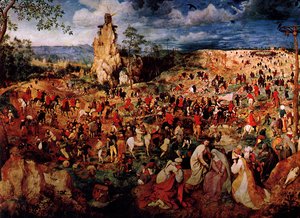
Cristo cargando la cruz (detalle)
Técnica de reproducción
Dimensiones de la reproducción
-


Precio total final
$ 263
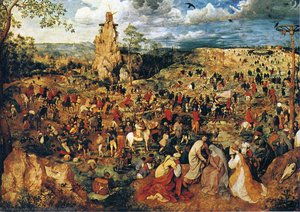
Christ Carrying the Cross (detail) – A Masterpiece of Northern Renaissance Observation
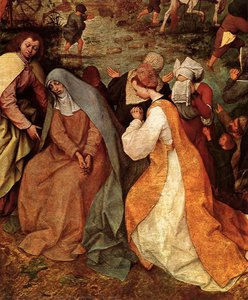
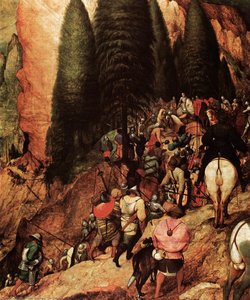
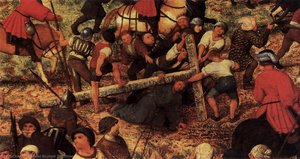
Pieter Bruegel the Elder’s Christ Carrying the Cross (detail) stands as a monumental achievement in Renaissance art—specifically within the Northern European tradition—capturing not merely religious piety but also an astonishingly astute portrayal of everyday life interwoven with biblical narrative. Executed in 1564 and now housed at the Kunsthistorisches Museum in Vienna, Austria, this painting transcends mere depiction; it invites contemplation on humanity’s response to suffering and faith.
Compositional Brilliance: A Landscape Within a Narrative
The artwork's visual impact is immediately striking due to its expansive landscape setting—a deliberate choice that distinguishes Bruegel from his Italian contemporaries. Dominating the canvas is a meticulously rendered hillside populated by figures engaged in diverse activities: laborers hauling carts, horses pulling carriages, and individuals simply walking along the path toward Calvary. This panoramic vista isn’t merely decorative; it serves as a crucial element of storytelling.
- The Central Figure: Christ himself carries the cross—a symbol of sacrifice and redemption—positioned prominently at the painting's center, yet subtly dwarfed by the multitude of people surrounding him.
- Diverse Characters: Bruegel’s genius lies in his ability to populate this landscape with an astonishing array of human types – merchants, laborers, pilgrims, thieves—each exhibiting distinct expressions and behaviors.
- Symbolic Objects: Scattered throughout the scene are objects laden with symbolic significance: swords representing violence, a bowl symbolizing compassion, and a book signifying knowledge—elements that enrich the narrative’s complexity.
Artistic Technique and Style – The Northern Renaissance Vision
Bruegel employed oil paint on panel—a technique favored in Flanders during his time—allowing for unparalleled detail and luminosity. His masterful use of chiaroscuro—the dramatic interplay between light and shadow—creates a palpable atmosphere, emphasizing the emotional intensity of the depicted events. Bruegel’s style echoes that of Rogier van der Weyden and Jan van Eyck, artists who had pioneered realistic depiction in Northern Europe.
Consider this:“The overall atmosphere of the painting seems to be one of community and activity, with people working together in their daily lives.”
Historical Context: Vienna’s Habsburg Legacy
The Kunsthistorisches Museum's acquisition of Christ Carrying the Cross (detail) reflects Vienna’s role as a center of Habsburg imperial power—a dynasty that ruled Austria for centuries and amassed an unparalleled collection of royal treasures and artifacts. Bruegel's work has resonated across artistic disciplines, inspiring writers like W.H. Auden and filmmakers such as Andrei Tarkovsky and Lars von Trier.
- Literary Inspiration: Auden’s poem “Musée des Beaux Arts” famously references Bruegel’s landscape with the Fall of Icarus—a testament to the artist's enduring influence on poetic imagination.
- Film Adaptations: Tarkovsky and von Trier have utilized Bruegel’s paintings as visual motifs in their films, Solaris and Melancholia respectively, exploring themes of existential contemplation and psychological depth.
Conclusion – Beyond Representation
Ultimately, Christ Carrying the Cross (detail) transcends mere visual representation—it’s a profound meditation on human experience within the framework of faith and suffering. Its meticulous composition, innovative technique, and rich historical context solidify its place as one of the most significant artworks of the Renaissance, continuing to captivate audiences centuries later.
For more information about Pieter Bruegel the Elder and his oeuvre, visit Pieter Bruegel The Elder: Christ Carrying the Cross (detail) at ArtsDot.
To learn more about the Kunsthistorisches Museum, visit The Hofmuseum Vienna, Austria.
Explore European art history further on Wikipedia: Art of Europe
Discover other influential artists like Peter Paul Rubens at Wikipedia: Peter Paul Rubens
Obras relacionadas
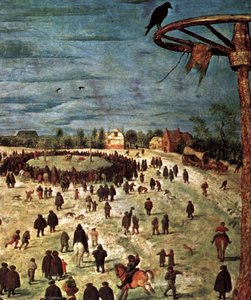
Biografía del artista
vida temprana y formación
Pieter Brueghel el Viejo, una figura clave en la pintura renacentista, nació y creció en Breda, Bélgica, entre 1525 y 1530. Su maestro, Pieter Coecke van Aelst, era un pintor de Amberes que guió el desarrollo artístico temprano de Bruegel. Después de formarse con Coecke, Bruegel se convirtió en maestro independiente en la gremial de pintores de Amberes en 1551.contribuciones artísticas y estilo
La obra de Bruegel es reconocida por sus innovadoras elecciones de temas, centrándose en paisajes y escenas campesinas. Sus pinturas, como Paisaje con la huida a Egipto (37 x 55 cm, galerías Courtauld de Londres), demostraron su dominio del óleo sobre tabla. El estilo de Bruegel, caracterizado por el uso del claroscuro, creó una sensación de profundidad y realismo, haciendo que sus pinturas se sintieran inmersivas.obras notables y museos
* Paisaje de los Alpes (musée du Louvre, París), una obra ejemplar que muestra las habilidades de Bruegel en la pintura de paisajes. * Triptico (renacimiento del norte, óleo), un notable ejemplo del uso de óleo sobre tabla por parte de Bruegel. * Los Musée Royale de Beaux-Arts en Bruselas cuenta con una impresionante colección de más de 20.000 obras de arte, incluyendo obras de Bruegel.legado e influencia
La influencia de Bruegel en la pintura dorada holandesa y los desarrollos artísticos posteriores es innegable. Su obra ha inspirado a artistas tanto en las artes literarias como en el cine, con referencias a sus pinturas que aparecen en películas como Solaris (1972) y Melancolía (2011). Explore más obras de Bruegel en ArtsDot.com: [https://ArtsDot.com/@/pieter-bruegel-the-elder](https://ArtsDot.com/@/pieter-bruegel-the-elder)- Descubra las obras maestras del Musée Royale de Beaux-Arts (Bruselas, Bélgica): /es/art/show/art-d3cf2d-es/
- Aprenda más sobre la pintura neerlandesa temprana en Wikipedia: [https://en.wikipedia.org/wiki/early_netherlandish_painting](https://en.wikipedia.org/wiki/early_netherlandish_painting)
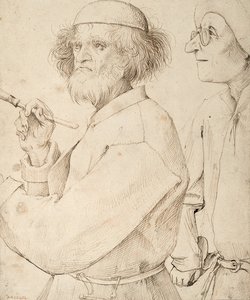
Pieter Bruegel el Viejo
1525 - 1569 , Bélgica
Datos clave
- Artistas Que Influyeron:
- Hieronymus Bosch
- Pieter Coecke van Aelst
- Estilo Artístico: Renacimiento Nórdico
- Fecha De Muerte: 1569
- Fecha De Nacimiento: c. 1525-1530
- Influencia Artística: Pintura dorada holandesa
- Lugar De Nacimiento: Breda, Bélgica
- Nacionalidad: Belga
- Nombre Completo: Pieter Bruegel el Viejo
- Obras Notables:
- Paisaje con la huida a Egipto
- El triunfo de la muerte
- Boda campesina
- Cazadores en la nieve
- La torre de Babel
Artículos relacionados
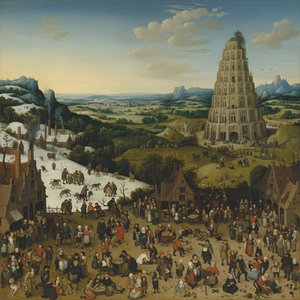
Pieter Bruegel the Elder: A Master of Genre, Landscape & Social Commentary
Explore the life & art of Pieter Bruegel the Elder, a pivotal figure of the Renaissance. Discover his groundbreaking genre scenes, symbolic landscapes, and lasting influence on art history. Learn more at ArtsDot.
Los 25 Tesoros del Kunsthistorisches Museum de Viena: Arte, Historia y Decoración Exclusiva
Descubre los 25 tesoros del Kunsthistorisches Museum de Viena. Explora obras maestras de Rafael, Rembrandt y Vermeer, su historia y técnica. Encuentra reproducciones de arte exclusivas para decorar tu hogar con elegancia. ¡Explora la colección completa en ArtsDot.com!
Renacimiento Nórdico: 10 Obras Maestras que Transformaron el Arte |
Descubre 10 obras maestras del Renacimiento Nórdico: Jan van Eyck, Durero y más. Explora la historia, el simbolismo y las técnicas de estos icónicos pintores. Encuentra reproducciones de arte exclusivas en .

Fra Angelico: Las 25 Obras Maestras del Renacimiento para Decorar con Arte y Fe
Descubre las 25 obras maestras de Fra Angelico, el pintor renacentista que llenó el arte sacro de luz y fe. Explora su técnica, simbolismo y belleza en frescos e iconos. Encuentra reproducciones de alta calidad para decorar tu hogar con ArtsDot.com.

Los 10 Maestros del Primitivo Flamenco: Obras que Definen un Arte Inigualable | ArtsDot
Descubre los 10 imprescindibles del Primitivo Flamenco: Jan van Eyck, Robert Campin y más. Explora la historia, simbolismo y técnica de estas obras maestras renacentistas tempranas. Encuentra reproducciones de arte de museo en ArtsDot.com.