 Ver en contexto
 Enviar
 Compartir
 Detalles

 Descargar
 Similares
 Radiografía
 Presentación de diapositivas
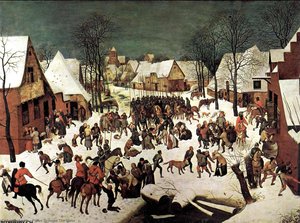
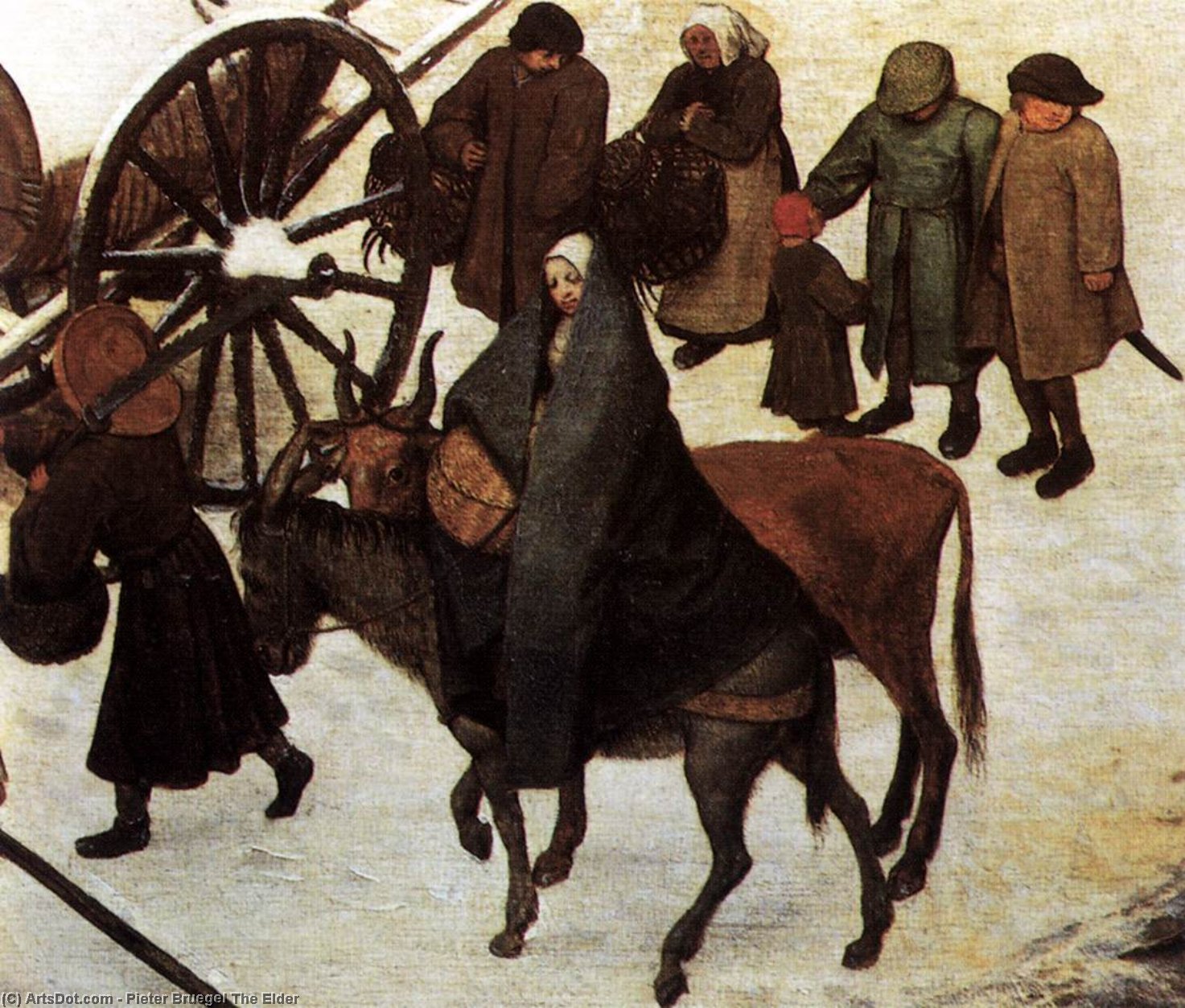
El Censo de Betleém (detalle)


 Ver más
Reproducción al óleo hecha a mano
Óleo sobre lienzo pintado a mano en el tamaño y marco de su elección, realizado por encargo por nuestros artistas. ( Comprar impresión Comprar imagen)




P118B $10

P118H $10

P118W $10

P438Z $10

P508JH $12

P508YH $12

P805H $10

P805Z $10

P919BZ $10

P919G $10

P919XJ $10

P959ZH $10

P968JZ $12

W106C $8

W218G $10

W218JH $8

W218Y $10

W307PJ $10

W316G $10

W316PJ $8

W316Y $10

W398PJ $8

W4111J $10

W500HY $15

W500JH $15

W692G $12

W849H $8

W940BG $15

W953PJ $8




Elija entre nuestros tamaños predefinidos que respetan las proporciones originales de la obra.

Puede ingresar sus propias dimensiones para adaptarse a un marco o espacio específico. Si el tamaño seleccionado no coincide con las proporciones de la imagen original, recortaremos la obra o extenderemos la pintura con elementos adicionales pintados a mano. Se le enviará una maqueta digital para su aprobación antes de comenzar la producción.
Tenga en cuenta que la vista previa en pantalla no refleja el recorte o la extensión reales. Solo la maqueta mostrará con precisión la composición final.
Si bien existen tamaños personalizados, recomendamos seleccionar una dimensión de la lista predefinida para preservar las proporciones originales.
Tras realizar el pedido, el equipo de ArtsDot.com enviará un correo electrónico al cliente para solicitar instrucciones y proporcionarle una vista previa del boceto.
Envío a todo el mundo () en 3-4 semanas en lugar de las 5 semanas estándar. (30 agosto). Sin comprometer la calidad.

Envío exprés gratuito a todo el mundo

Lienzo de lino de alta calidad

Seguro de envío total

Garantía de reembolso de impuestos aduaneros

Garantía de fidelidad cromática exacta

Política de devolución de 60 días (solo por defectos)

Garantía de devolución del 100% del dinero

Descuento por cantidad
 La opción de vidrio solo está disponible en tamaños inferiores a 110 cm.

El Censo de Betleém (detalle)
Técnica de reproducción
Dimensiones de la reproducción
-


Precio total final
$ 263
A Winter’s Tale Frozen in Time
To step into Pieter Bruegel the Elder’s The Census at Bethlehem is to be transported instantly into the biting, crisp air of a sixteenth-century Flemish winter. This masterpiece, completed in 1566, transcends the boundaries of a mere biblical illustration; it is a breathtakingly immersive window into the soul of the Low Countries. While the subject matter draws from the sacred narrative of the census ordered by Caesar Augustus, Bruegel masterfully grounds this divine event in the palpable, snowy reality of everyday peasant life. The viewer does not find themselves in an idealized, golden Judea, but rather in a bustling, frost-covered village square where the rhythms of survival and community take center stage. It is a scene that breathes with the movement of heavy wagons, the lowing of livestock, and the quiet, industrious energy of a people navigating the seasonal hardships of their era.
The technical brilliance of this work lies in Bruegel’s ability to marry meticulous realism with a sweeping, panoramic vision. Utilizing oil on panel, the artist employs a sophisticated layering of textures that allows the viewer to almost feel the crunch of frozen earth beneath a boot or the warmth of a flickering hearth reflected in a glass. His signature style, often associated with Northern Mannerism, is characterized by an astonishing attention to detail—from the delicate way candlelight illuminates a weathered face to the subtle, atmospheric haze that hangs over the distant, wintry landscape. This precision creates a sense of immediacy so profound that the painting ceases to be a static image and becomes a living, breathing moment captured in amber.
Symbolism and the Human Spirit
Beyond its surface beauty, the painting is a dense tapestry of symbolic meaning, offering layers of insight for the contemplative observer. The animals scattered throughout the composition—the sturdy horses, the patient donkeys, and the watchful cows—are far more than mere background elements; they serve as potent symbols of fertility, prosperity, and the enduring hope for a bountiful New Year amidst the scarcity of winter. Bruegel captures a profound social truth in the way families gather around tables laden with modest provisions, sharing what little they have. This act of communal sustenance reflects the quiet dignity and resilience of the Flemish people during a period of intense religious and political upheaval in Flanders.
For the collector or the interior designer, this artwork offers an unparalleled emotional depth that can anchor any space. It possesses a rare ability to evoke both a sense of nostalgic warmth and a somber reflection on the human condition. The contrast between the cold, expansive landscape and the intimate, crowded pockets of human interaction creates a visual tension that is both intellectually stimulating and aesthetically pleasing. Whether displayed as a focal point in a grand gallery or as a soulful addition to a curated living space, Bruegel’s work serves as a timeless reminder of our shared humanity—the way we find light in the darkness, warmth in the cold, and community in the midst of life's most challenging seasons.
Obras relacionadas
Biografía del artista
vida temprana y formación
Pieter Brueghel el Viejo, una figura clave en la pintura renacentista, nació y creció en Breda, Bélgica, entre 1525 y 1530. Su maestro, Pieter Coecke van Aelst, era un pintor de Amberes que guió el desarrollo artístico temprano de Bruegel. Después de formarse con Coecke, Bruegel se convirtió en maestro independiente en la gremial de pintores de Amberes en 1551.contribuciones artísticas y estilo
La obra de Bruegel es reconocida por sus innovadoras elecciones de temas, centrándose en paisajes y escenas campesinas. Sus pinturas, como Paisaje con la huida a Egipto (37 x 55 cm, galerías Courtauld de Londres), demostraron su dominio del óleo sobre tabla. El estilo de Bruegel, caracterizado por el uso del claroscuro, creó una sensación de profundidad y realismo, haciendo que sus pinturas se sintieran inmersivas.obras notables y museos
* Paisaje de los Alpes (musée du Louvre, París), una obra ejemplar que muestra las habilidades de Bruegel en la pintura de paisajes. * Triptico (renacimiento del norte, óleo), un notable ejemplo del uso de óleo sobre tabla por parte de Bruegel. * Los Musée Royale de Beaux-Arts en Bruselas cuenta con una impresionante colección de más de 20.000 obras de arte, incluyendo obras de Bruegel.legado e influencia
La influencia de Bruegel en la pintura dorada holandesa y los desarrollos artísticos posteriores es innegable. Su obra ha inspirado a artistas tanto en las artes literarias como en el cine, con referencias a sus pinturas que aparecen en películas como Solaris (1972) y Melancolía (2011). Explore más obras de Bruegel en ArtsDot.com: [https://ArtsDot.com/@/pieter-bruegel-the-elder](https://ArtsDot.com/@/pieter-bruegel-the-elder)- Descubra las obras maestras del Musée Royale de Beaux-Arts (Bruselas, Bélgica): /es/art/show/art-d3cf2d-es/
- Aprenda más sobre la pintura neerlandesa temprana en Wikipedia: [https://en.wikipedia.org/wiki/early_netherlandish_painting](https://en.wikipedia.org/wiki/early_netherlandish_painting)
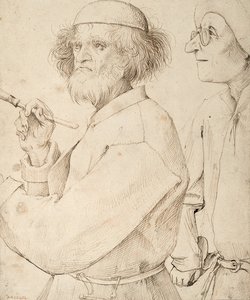
Pieter Bruegel el Viejo
1525 - 1569 , Bélgica
Datos clave
- Artistas Que Influyeron:
- Hieronymus Bosch
- Pieter Coecke van Aelst
- Estilo Artístico: Renacimiento Nórdico
- Fecha De Muerte: 1569
- Fecha De Nacimiento: c. 1525-1530
- Influencia Artística: Pintura dorada holandesa
- Lugar De Nacimiento: Breda, Bélgica
- Nacionalidad: Belga
- Nombre Completo: Pieter Bruegel el Viejo
- Obras Notables:
- Paisaje con la huida a Egipto
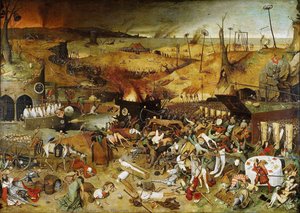
- El triunfo de la muerte
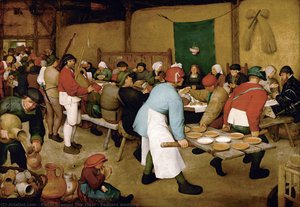
- Boda campesina
- Cazadores en la nieve
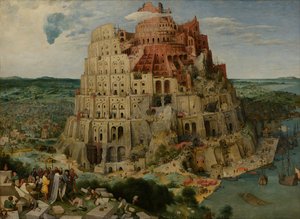
- La torre de Babel
Artículos relacionados

El Óleo sobre Lienzo: Historia, Técnica y la Persistencia de un Medio Artístico Atemporal
Descubre la historia y técnica del óleo sobre lienzo. Explora reproducciones fieles hechas a mano, personalización artística y consejos de expertos con ArtsDot. ¡Colecciona arte con confianza!

The Enduring Legacy of Oil on Canvas: Technique, History & Aesthetic Impact
Explore the rich history & techniques of oil painting – from Renaissance masters to Impressionism. Discover pigments, layering methods, and why this timeless medium endures. Expert insights for artists & art enthusiasts.

The Enduring Power of Painting: A Historical & Contemporary Exploration of Form and Emotion
Explore the rich history & enduring techniques of oil painting with ArtsDot. Discover masterpieces, learn about art collecting, and find authentic handmade reproductions crafted by skilled artists.

El Legado Duradero del Óleo sobre Lienzo: Técnica, Historia y Práctica Contemporánea
Descubre la historia y técnica del óleo sobre lienzo. Explora reproducciones fieles hechas a mano, personalización artística y consejos de expertos con .
10 Obras Maestras al Óleo sobre Tabla que Revolucionaron la Historia del Arte | ArtsDot
Descubre 10 obras maestras al óleo sobre tabla que revolucionaron el arte. Explora la historia de Van Gogh, Monet y otros artistas clave. Encuentra reproducciones de alta calidad e inspírate para decorar tu hogar con ArtsDot.com.