 Ver en contexto
 Enviar
 Compartir
 Detalles

 Descargar
 Similares
 Radiografía
 Presentación de diapositivas
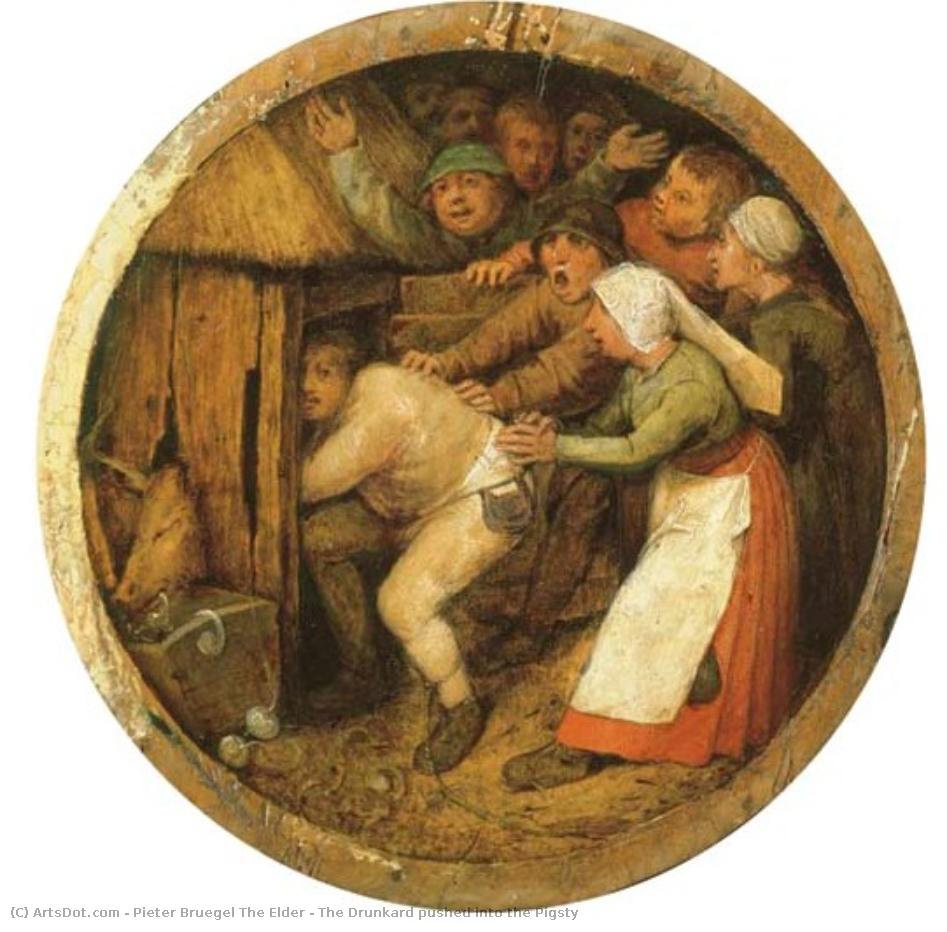
El Drunkard Pushed Into The Pigsty
 Acrílico sobre lienzo
- Arte de pared
- Aunque Bruegel el Viejo fue influenciado por el hu
 1568
1568- Renacimiento
 Ver más
Giclée / Impresión de arte
Impresiones giclée o en lienzo de calidad de museo con producción rápida y opciones de acabado flexibles. ( Comprar pintura hecha a mano Comprar imagen)




P118B $10

P118H $10

P118W $10

P438Z $10

P508JH $12

P508YH $12

P805H $10

P805Z $10

P919BZ $10

P919G $10

P919XJ $10

P959ZH $10

P968JZ $12

W106C $8

W218G $10

W218JH $8

W218Y $10

W307PJ $10

W316G $10

W316PJ $8

W316Y $10

W398PJ $8

W4111J $10

W500HY $15

W500JH $15

W692G $12

W849H $8

W940BG $15

W953PJ $8




Elija entre nuestros tamaños predefinidos que respetan las proporciones originales de la obra.

Puede introducir sus propias dimensiones para adaptarse a un marco o espacio específico. Si el tamaño seleccionado no coincide con las proporciones de la imagen original, recortaremos la obra de arte o extenderemos la imagen con un borde con efecto espejo o de color sólido. Se enviará una maqueta digital para su aprobación antes de que comience la producción.
Tenga en cuenta que la vista previa en pantalla no refleja el recorte o la extensión real. Solo la maqueta mostrará con precisión la composición final.
Aunque existen tamaños personalizados, recomendamos seleccionar una dimensión de la lista predefinida para preservar las proporciones originales.
Envío a todo el mundo () en 2 semanas en lugar de las 4/5 semanas estándar. (2 septiembre)

Envío exprés gratuito a todo el mundo

Lienzo de lino de alta calidad

Seguro de envío total

Garantía de reembolso de impuestos aduaneros

Garantía de fidelidad cromática exacta

Política de devolución de 60 días (solo por defectos)

Garantía de devolución del 100% del dinero

Descuento por cantidad
 La opción de vidrio solo está disponible en tamaños inferiores a 110 cm.

El Drunkard Pushed Into The Pigsty
Giclée / Impresión de arte
Dimensiones de la reproducción
-


Precio total final
$ 62
A Descent into Human Frailty: Pieter Bruegel the Elder’s “The Drunkard Pushed into the Pigsty”
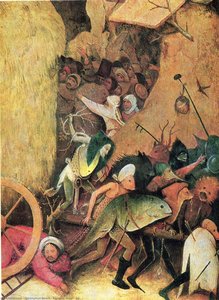
Pieter Bruegel the Elder's “The Drunkard Pushed into the Pigsty,” created in 1568, is not merely a depiction of public humiliation; it’s a raw and unflinching commentary on human vice, societal judgment, and the precariousness of dignity. The scene unfolds with brutal directness: a naked man, utterly incapacitated by drink, is being unceremoniously shoved headfirst into a muddy pigsty by a group of onlookers. The composition isn't focused on sympathy for the fallen figure, but rather on the collective participation – and perhaps enjoyment – of his degradation. Bruegel doesn’t shy away from the physicality of the act; it is rendered with a stark realism that forces the viewer to confront the unpleasantness of the spectacle.
The Moralizing Lens of Renaissance Flanders
To understand this painting, we must consider the context of 16th-century Flanders. The region was undergoing significant social and religious upheaval, caught between burgeoning humanism and deeply ingrained moral conservatism. Bruegel, while influenced by humanist thought during his travels through Europe – particularly in Italy where he sketched landscapes and observed diverse cultures – remained firmly rooted in the didactic traditions of Netherlandish art. His work often served as a visual sermon, offering cautionary tales about the consequences of sin and folly. “The Drunkard Pushed into the Pigsty” is a prime example of this moralizing impulse. It’s not simply an observation of drunken behavior; it's a condemnation of excess and a warning against succumbing to base instincts. The painting aligns with contemporary proverbs and satirical prints that targeted drunkenness as a societal ill, linking it to sloth, disorder, and ultimately, spiritual ruin.
A Masterful Technique Serving a Stark Narrative
Bruegel’s technical skill is evident in the meticulous detail he brings to this unsettling scene. While the subject matter is coarse, the execution is refined. The figures are rendered with careful attention to anatomy and gesture, even amidst the chaos. The use of light and shadow emphasizes the physicality of the struggle, highlighting the straining muscles of those pushing and the limpness of the victim. He employs a high vantage point, allowing us to survey the entire scene as if we too were part of the observing crowd. This perspective implicates the viewer, forcing a degree of uncomfortable self-reflection. The painting’s relatively small scale adds to its intensity; it's an intimate portrayal of a public shaming. The inclusion of the horse on the left side of the image is also significant – animals often served as symbols in Bruegel’s work, and here, the horse may represent brute force or uncontrolled passion.
Echoes of Laughter and Judgment
The emotional impact of “The Drunkard Pushed into the Pigsty” is complex. It's disturbing, certainly, but also laced with a dark humor. The expressions on the faces of the onlookers range from amusement to grim satisfaction, suggesting a collective schadenfreude – pleasure derived from another’s misfortune. Bruegel doesn’t offer us heroes or villains; he presents a slice of life stripped bare, revealing the often-cruel realities of human interaction. This painting continues to resonate today because it taps into universal themes of social pressure, moral hypocrisy, and the fragility of self-worth. It serves as a potent reminder that even in moments of perceived superiority, we are all susceptible to weakness and judgment.
This artwork exemplifies Bruegel’s masterful blend of realism and moral instruction—a hallmark of Renaissance Flemish art. Its unsettling depiction captures not only the physical act of humiliation but also the psychological complexities of human behavior within a society grappling with religious reform and social anxieties. The artist's deliberate use of perspective and lighting contributes to the painting's dramatic impact, prompting contemplation on themes of morality, judgment, and the consequences of unchecked indulgence.
Obras relacionadas
![La Pasión [detalle] — Hans Holbein El Joven, Northern Renaissance](/media/artworks/images-thumb/81/74/817439a508b8b87f2a9553f94994456b.jpg)
Biografía del artista
vida temprana y formación
Pieter Brueghel el Viejo, una figura clave en la pintura renacentista, nació y creció en Breda, Bélgica, entre 1525 y 1530. Su maestro, Pieter Coecke van Aelst, era un pintor de Amberes que guió el desarrollo artístico temprano de Bruegel. Después de formarse con Coecke, Bruegel se convirtió en maestro independiente en la gremial de pintores de Amberes en 1551.contribuciones artísticas y estilo
La obra de Bruegel es reconocida por sus innovadoras elecciones de temas, centrándose en paisajes y escenas campesinas. Sus pinturas, como Paisaje con la huida a Egipto (37 x 55 cm, galerías Courtauld de Londres), demostraron su dominio del óleo sobre tabla. El estilo de Bruegel, caracterizado por el uso del claroscuro, creó una sensación de profundidad y realismo, haciendo que sus pinturas se sintieran inmersivas.obras notables y museos
* Paisaje de los Alpes (musée du Louvre, París), una obra ejemplar que muestra las habilidades de Bruegel en la pintura de paisajes. * Triptico (renacimiento del norte, óleo), un notable ejemplo del uso de óleo sobre tabla por parte de Bruegel. * Los Musée Royale de Beaux-Arts en Bruselas cuenta con una impresionante colección de más de 20.000 obras de arte, incluyendo obras de Bruegel.legado e influencia
La influencia de Bruegel en la pintura dorada holandesa y los desarrollos artísticos posteriores es innegable. Su obra ha inspirado a artistas tanto en las artes literarias como en el cine, con referencias a sus pinturas que aparecen en películas como Solaris (1972) y Melancolía (2011). Explore más obras de Bruegel en ArtsDot.com: [https://ArtsDot.com/@/pieter-bruegel-the-elder](https://ArtsDot.com/@/pieter-bruegel-the-elder)- Descubra las obras maestras del Musée Royale de Beaux-Arts (Bruselas, Bélgica): /es/art/show/art-d3cf2d-es/
- Aprenda más sobre la pintura neerlandesa temprana en Wikipedia: [https://en.wikipedia.org/wiki/early_netherlandish_painting](https://en.wikipedia.org/wiki/early_netherlandish_painting)
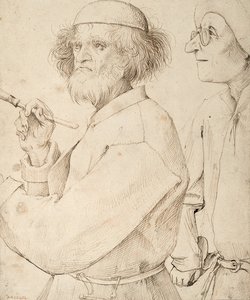
Pieter Bruegel el Viejo
1525 - 1569 , Bélgica
Datos clave
- Artistas Que Influyeron:
- Hieronymus Bosch
- Pieter Coecke van Aelst
- Estilo Artístico: Renacimiento Nórdico
- Fecha De Muerte: 1569
- Fecha De Nacimiento: c. 1525-1530
- Influencia Artística: Pintura dorada holandesa
- Lugar De Nacimiento: Breda, Bélgica
- Nacionalidad: Belga
- Nombre Completo: Pieter Bruegel el Viejo
- Obras Notables:
- Paisaje con la huida a Egipto
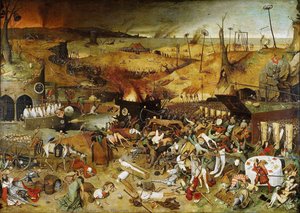
- El triunfo de la muerte
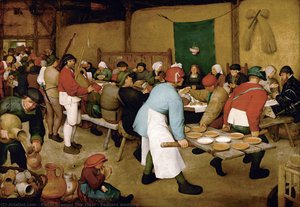
- Boda campesina
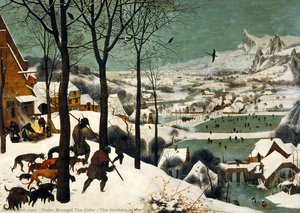
- Cazadores en la nieve
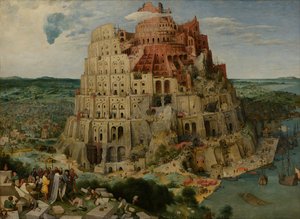
- La torre de Babel
Artículos relacionados
Pieter Bruegel the Elder: A Master of Genre, Landscape & Social Commentary
Explore the life & art of Pieter Bruegel the Elder, a pivotal figure of the Renaissance. Discover his groundbreaking genre scenes, symbolic landscapes, and lasting influence on art history. Learn more at ArtsDot.
Adriaen Brouwer: Capturing Dutch Life & Social Commentary Through Genre Painting
Explore the captivating world of Adriaen Brouwer, a master of Dutch Golden Age genre painting. Discover his vivid depictions of peasant life, social commentary, and lasting influence on art history. Learn more at ArtsDot.
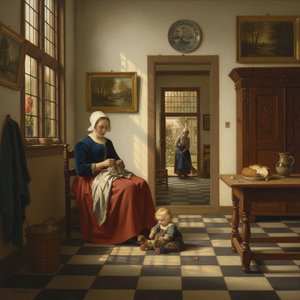
Pieter de Hooch: Illuminating Dutch Domestic Life & Golden Age Charm
Explore the captivating world of Pieter de Hooch, a master of Dutch Golden Age painting. Discover his innovative use of light, intimate domestic scenes, and lasting influence on art history. Learn more at ArtsDot.
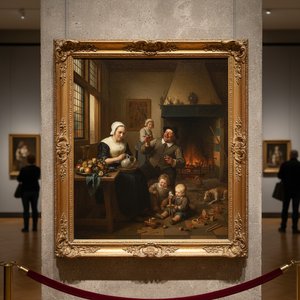
Pintura de Género Holandesa: Un Reflejo Íntimo de la Vida Cotidiana y los Valores Sociales del Siglo de Oro
Descubra la riqueza de la pintura de género holandesa del Siglo de Oro. Explore las obras maestras de Vermeer y Brueghel, su simbolismo y el reflejo de la vida cotidiana en esta época dorada. ¡Conozca más!
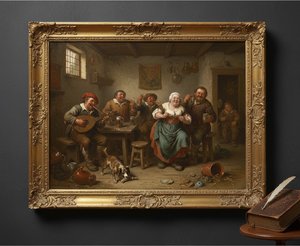
Adriaen van Ostade: A Master of Dutch Genre Painting & Social Commentary
Explore the life & work of Adriaen van Ostade, a leading Dutch Golden Age painter. Discover his realistic genre scenes, social commentary, and lasting influence on art history. Learn more at ArtsDot.