 Ver en contexto
 Enviar
 Compartir
 Detalles

 Descargar
 Similares
 Radiografía
 Presentación de diapositivas
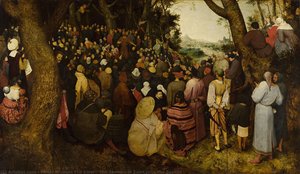
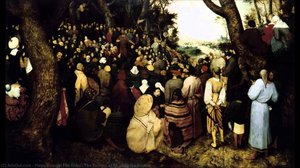
El Sermón de San Juan el Bautista
 Óleo sobre lienzo
- Arte de pared
- Northern Renaissance
 1566
1566- Renacimiento
 Museo de Bellas Artes (Budapest)
 Ver más
Giclée / Impresión de arte
Impresiones giclée o en lienzo de calidad de museo con producción rápida y opciones de acabado flexibles. ( Comprar pintura hecha a mano Comprar imagen)




P118B $10

P118H $10

P118W $10

P438Z $10

P508JH $12

P508YH $12

P805H $10

P805Z $10

P919BZ $10

P919G $10

P919XJ $10

P959ZH $10

P968JZ $12

W106C $8

W218G $10

W218JH $8

W218Y $10

W307PJ $10

W316G $10

W316PJ $8

W316Y $10

W398PJ $8

W4111J $10

W500HY $15

W500JH $15

W692G $12

W849H $8

W940BG $15

W953PJ $8




Elija entre nuestros tamaños predefinidos que respetan las proporciones originales de la obra.

Puede introducir sus propias dimensiones para adaptarse a un marco o espacio específico. Si el tamaño seleccionado no coincide con las proporciones de la imagen original, recortaremos la obra de arte o extenderemos la imagen con un borde con efecto espejo o de color sólido. Se enviará una maqueta digital para su aprobación antes de que comience la producción.
Tenga en cuenta que la vista previa en pantalla no refleja el recorte o la extensión real. Solo la maqueta mostrará con precisión la composición final.
Aunque existen tamaños personalizados, recomendamos seleccionar una dimensión de la lista predefinida para preservar las proporciones originales.
Envío a todo el mundo () en 2 semanas en lugar de las 4/5 semanas estándar. (1 septiembre)

Envío exprés gratuito a todo el mundo

Lienzo de lino de alta calidad

Seguro de envío total

Garantía de reembolso de impuestos aduaneros

Garantía de fidelidad cromática exacta

Política de devolución de 60 días (solo por defectos)

Garantía de devolución del 100% del dinero

Descuento por cantidad
 La opción de vidrio solo está disponible en tamaños inferiores a 110 cm.

El Sermón de San Juan el Bautista
Giclée / Impresión de arte
Dimensiones de la reproducción
-


Precio total final
$ 62
A Window Into Sixteenth-Century Life: Pieter Bruegel the Elder’s ‘The Sermon of St John the Baptist (detail)’
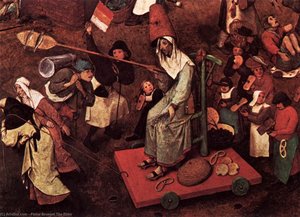
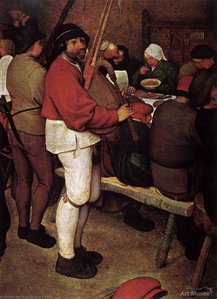
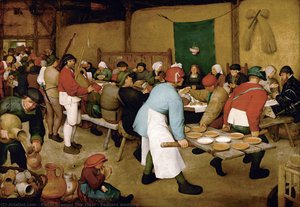
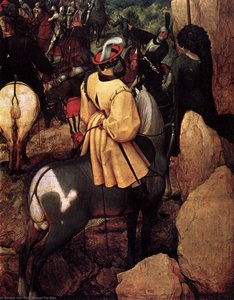
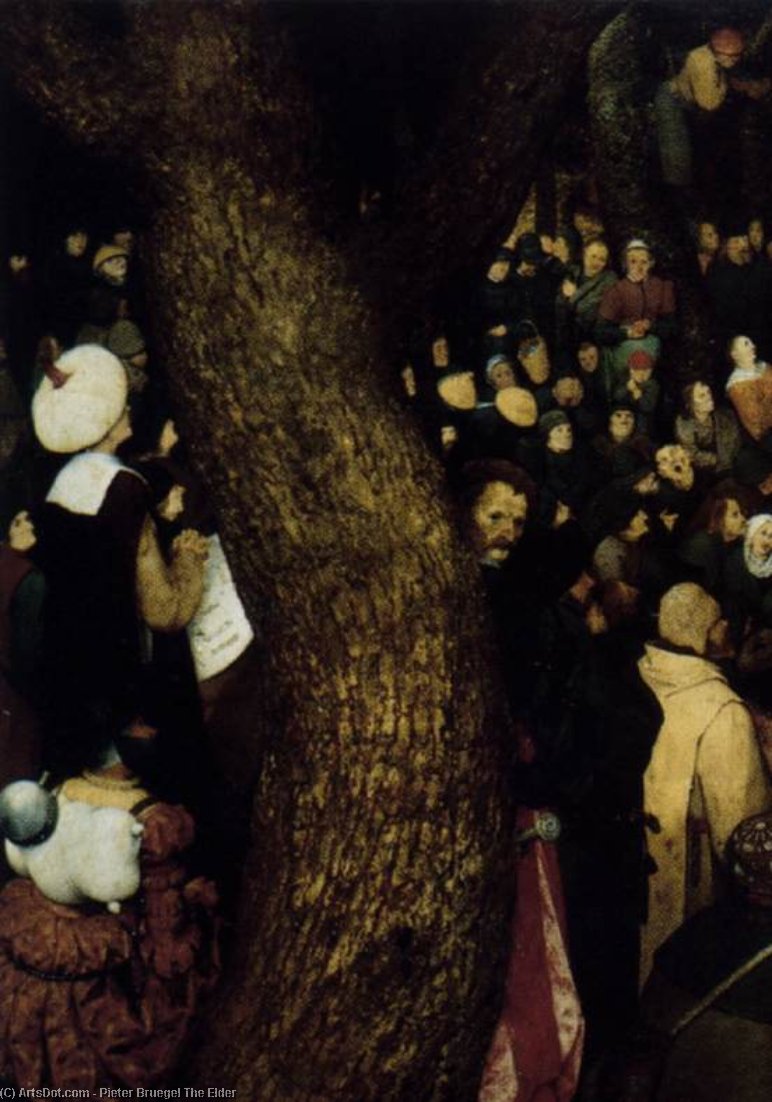
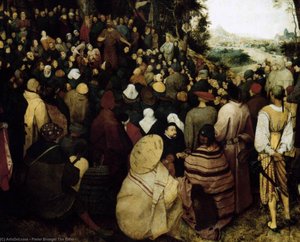
Pieter Bruegel the Elder's fragment from ‘The Sermon of St. John the Baptist’ is more than a religious scene; it’s a vibrant, bustling snapshot of sixteenth-century life rendered with an astonishing level of detail and subtle social commentary. This captivating piece draws us into a world teeming with humanity, where piety exists alongside everyday concerns, gossip, and worldly distractions. The artwork doesn't present a moment of reverent devotion but rather a complex tapestry of human behavior unfolding within a spiritual context. Bruegel’s genius lies in his ability to observe and portray society itself, using biblical narratives as a framework for exploring the multifaceted nature of humankind.
Masterful Realism and Northern Renaissance Style
Bruegel's style is immediately recognizable for its meticulous realism, deeply rooted in the Northern Renaissance tradition. He employs oil paint with remarkable skill, building up layers to create rich textures – most notably evident in the gnarled branches of the central tree and the varied fabrics adorning his figures. The composition possesses a slightly skewed perspective, lending depth to the scene while simultaneously creating a sense of claustrophobia within the densely packed crowd. This isn’t accidental; it mirrors the feeling of being immersed in a bustling marketplace or public gathering. His brushwork is energetic and visible, adding dynamism and life to each figure. But perhaps most striking is Bruegel's ability to capture individual expressions and gestures, imbuing each person with a unique personality and story. It’s this attention to detail that transforms the scene from a simple depiction of a sermon into a compelling narrative about human nature.
Turbulent Times: Context and Interpretation
Created in 1566, ‘The Sermon of St John the Baptist’ exists within a period of significant upheaval in the Netherlands. Just months after its completion, the region was swept by the Beeldenstorm (Iconoclastic Fury), a wave of Protestant iconoclasm that saw the destruction of religious imagery. While Bruegel's work doesn’t directly depict this violence, its subtle questioning of religious authority and focus on the human element can be seen as reflective of the growing unrest and challenges to traditional Catholic practices. The survival of this detail suggests it either escaped the widespread damage or was carefully preserved, perhaps for its nuanced perspective. The gnarled tree itself carries symbolic weight, representing both life’s resilience and the hardships endured by those living through turbulent times. Bruegel doesn't offer a moral judgment; instead, he presents an unbiased observation of human behavior, inviting viewers to contemplate their own place within this complex society.
Emotional Resonance and Aesthetic Appeal
The overall emotional tone is one of solemnity tinged with unease. The sheer density of the crowd, combined with the intensity of certain faces, creates a palpable tension. Despite its religious subject matter, the artwork doesn’t feel overtly pious or didactic. Instead, it evokes a feeling of quiet contemplation and invites viewers to reflect on the complexities of faith, society, and human nature. The rich colors, intricate details, and compelling narrative make this detail from ‘The Sermon of St John the Baptist’ a captivating addition to any collection. It offers both historical insight and aesthetic pleasure, lending a touch of Old World charm and intellectual depth to interior spaces. This fragment is particularly well-suited for those seeking artwork that sparks conversation and encourages deeper reflection.
Technical Considerations: Bruegel’s Vision
Bruegel's masterful technique—primarily oil paint on panel—allowed him to achieve unparalleled realism. He meticulously built up layers of pigment, capturing subtle gradations of light and shadow with astonishing precision. The textured surface of the tree bark and clothing is testament to his deliberate brushwork, which contributes significantly to the artwork’s visual impact. Notice how Bruegel uses chiaroscuro—the dramatic interplay between light and dark—to heighten the sense of depth and create a feeling of psychological realism. This technique wasn't merely decorative; it served to convey a profound understanding of human emotion and experience.
- Material: Oil paint on Panel
- Technique: Layered Brushwork, Chiaroscuro
- Perspective: Slightly skewed
This fragment from ‘The Sermon of St John the Baptist’ exemplifies Bruegel’s enduring legacy as a pioneer of Northern Renaissance art. Its evocative depiction of human life amidst religious contemplation continues to inspire admiration and scholarly debate today.
Obras relacionadas
Biografía del artista
vida temprana y formación
Pieter Brueghel el Viejo, una figura clave en la pintura renacentista, nació y creció en Breda, Bélgica, entre 1525 y 1530. Su maestro, Pieter Coecke van Aelst, era un pintor de Amberes que guió el desarrollo artístico temprano de Bruegel. Después de formarse con Coecke, Bruegel se convirtió en maestro independiente en la gremial de pintores de Amberes en 1551.contribuciones artísticas y estilo
La obra de Bruegel es reconocida por sus innovadoras elecciones de temas, centrándose en paisajes y escenas campesinas. Sus pinturas, como Paisaje con la huida a Egipto (37 x 55 cm, galerías Courtauld de Londres), demostraron su dominio del óleo sobre tabla. El estilo de Bruegel, caracterizado por el uso del claroscuro, creó una sensación de profundidad y realismo, haciendo que sus pinturas se sintieran inmersivas.obras notables y museos
* Paisaje de los Alpes (musée du Louvre, París), una obra ejemplar que muestra las habilidades de Bruegel en la pintura de paisajes. * Triptico (renacimiento del norte, óleo), un notable ejemplo del uso de óleo sobre tabla por parte de Bruegel. * Los Musée Royale de Beaux-Arts en Bruselas cuenta con una impresionante colección de más de 20.000 obras de arte, incluyendo obras de Bruegel.legado e influencia
La influencia de Bruegel en la pintura dorada holandesa y los desarrollos artísticos posteriores es innegable. Su obra ha inspirado a artistas tanto en las artes literarias como en el cine, con referencias a sus pinturas que aparecen en películas como Solaris (1972) y Melancolía (2011). Explore más obras de Bruegel en ArtsDot.com: [https://ArtsDot.com/@/pieter-bruegel-the-elder](https://ArtsDot.com/@/pieter-bruegel-the-elder)- Descubra las obras maestras del Musée Royale de Beaux-Arts (Bruselas, Bélgica): /es/art/show/art-d3cf2d-es/
- Aprenda más sobre la pintura neerlandesa temprana en Wikipedia: [https://en.wikipedia.org/wiki/early_netherlandish_painting](https://en.wikipedia.org/wiki/early_netherlandish_painting)
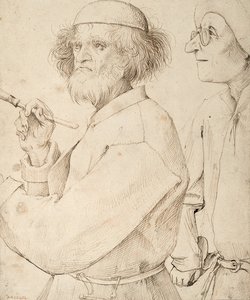
Pieter Bruegel el Viejo
1525 - 1569 , Bélgica
Datos clave
- Artistas Que Influyeron:
- Hieronymus Bosch
- Pieter Coecke van Aelst
- Estilo Artístico: Renacimiento Nórdico
- Fecha De Muerte: 1569
- Fecha De Nacimiento: c. 1525-1530
- Influencia Artística: Pintura dorada holandesa
- Lugar De Nacimiento: Breda, Bélgica
- Nacionalidad: Belga
- Nombre Completo: Pieter Bruegel el Viejo
- Obras Notables:
- Paisaje con la huida a Egipto
- El triunfo de la muerte
- Boda campesina
- Cazadores en la nieve
- La torre de Babel
Artículos relacionados
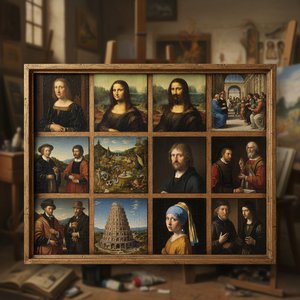
Las 10 Obras Maestras al Óleo sobre Panel que Transformaron la Historia del Arte |
Descubre las 10 obras maestras al óleo sobre panel que revolucionaron la historia del arte. Explora a Jan van Eyck, Botticelli y otros genios renacentistas. Reproducciones de arte exclusivas en para transformar tu hogar.
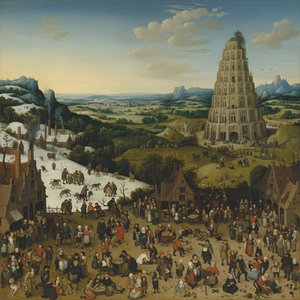
Pieter Bruegel the Elder: A Master of Genre, Landscape & Social Commentary
Explore the life & art of Pieter Bruegel the Elder, a pivotal figure of the Renaissance. Discover his groundbreaking genre scenes, symbolic landscapes, and lasting influence on art history. Learn more at ArtsDot.

El Óleo sobre Lienzo: Historia, Técnica y la Persistencia de un Medio Artístico Atemporal
Descubre la historia y técnica del óleo sobre lienzo. Explora reproducciones fieles hechas a mano, personalización artística y consejos de expertos con ArtsDot. ¡Colecciona arte con confianza!
Romantic Realism's Finest: 10 Masterpieces for Your Home | ArtsDot
Explore 10 defining masterpieces of Romantic Realism! Discover Courbet, Millet & Daumier's powerful paintings—capturing emotion and social realities. Find museum-quality reproductions for your home at ArtsDot.com.
Renacimiento Nórdico: 10 Obras Maestras que Transformaron el Arte |
Descubre 10 obras maestras del Renacimiento Nórdico: Jan van Eyck, Durero y más. Explora la historia, el simbolismo y las técnicas de estos icónicos pintores. Encuentra reproducciones de arte exclusivas en .