 Ver en contexto
 Enviar
 Compartir
 Detalles

 Descargar
 Similares
 Radiografía
 Presentación de diapositivas
Justicia

 Ver más
Reproducción al óleo hecha a mano
Óleo sobre lienzo pintado a mano en el tamaño y marco de su elección, realizado por encargo por nuestros artistas. ( Comprar impresión Comprar imagen)




P118B $10

P118H $10

P118W $10

P438Z $10

P508JH $12

P508YH $12

P805H $10

P805Z $10

P919BZ $10

P919G $10

P919XJ $10

P959ZH $10

P968JZ $12

W106C $8

W218G $10

W218JH $8

W218Y $10

W307PJ $10

W316G $10

W316PJ $8

W316Y $10

W398PJ $8

W4111J $10

W500HY $15

W500JH $15

W692G $12

W849H $8

W940BG $15

W953PJ $8




Elija entre nuestros tamaños predefinidos que respetan las proporciones originales de la obra.

Puede ingresar sus propias dimensiones para adaptarse a un marco o espacio específico. Si el tamaño seleccionado no coincide con las proporciones de la imagen original, recortaremos la obra o extenderemos la pintura con elementos adicionales pintados a mano. Se le enviará una maqueta digital para su aprobación antes de comenzar la producción.
Tenga en cuenta que la vista previa en pantalla no refleja el recorte o la extensión reales. Solo la maqueta mostrará con precisión la composición final.
Si bien existen tamaños personalizados, recomendamos seleccionar una dimensión de la lista predefinida para preservar las proporciones originales.
Tras realizar el pedido, el equipo de ArtsDot.com enviará un correo electrónico al cliente para solicitar instrucciones y proporcionarle una vista previa del boceto.
Envío a todo el mundo () en 3-4 semanas en lugar de las 5 semanas estándar. (28 agosto). Sin comprometer la calidad.

Envío exprés gratuito a todo el mundo

Lienzo de lino de alta calidad

Seguro de envío total

Garantía de reembolso de impuestos aduaneros

Garantía de fidelidad cromática exacta

Política de devolución de 60 días (solo por defectos)

Garantía de devolución del 100% del dinero

Descuento por cantidad
 La opción de vidrio solo está disponible en tamaños inferiores a 110 cm.

Justicia
Técnica de reproducción
Dimensiones de la reproducción
-


Precio total final
$ 988
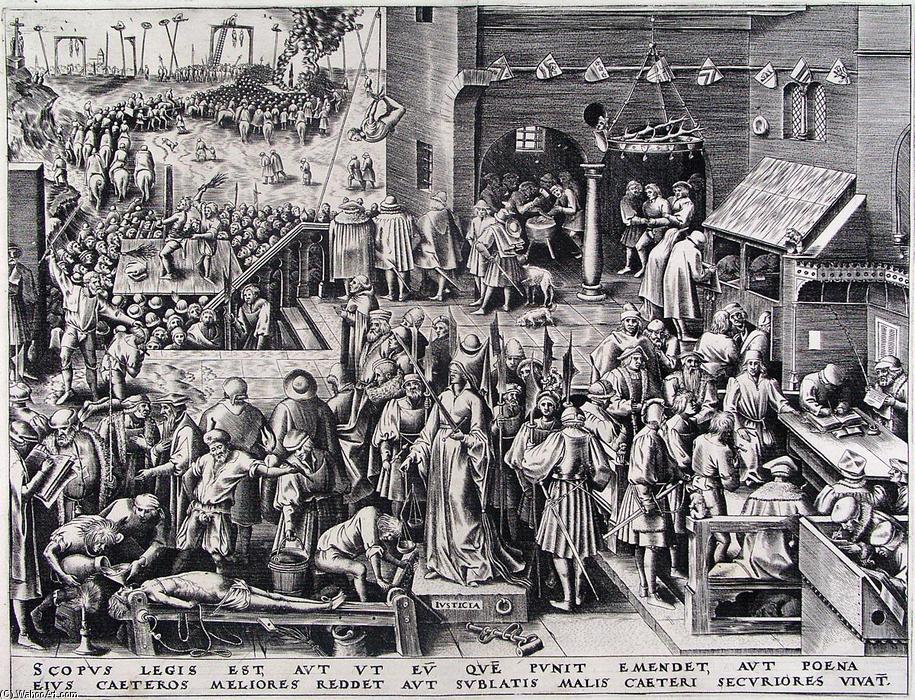
Justice by Pieter Bruegel the Elder: A Chronicle of Moral Judgment
Pieter Bruegel the Elder’s “Justice,” published in 1559, stands as a monumental achievement within Northern Renaissance engraving—a testament to meticulous observation and profound psychological insight. This intricate print depicts a sprawling courtroom scene brimming with figures representing various strata of society, meticulously rendered in monochrome using hatching and cross-hatching techniques that convey both texture and depth.
- Composition & Perspective: The panoramic vista establishes a commanding viewpoint, guiding the viewer’s gaze across the complex tableau. Lines dominate the visual language, delineating architectural elements—the courthouse itself—and sculpting the contours of human forms with remarkable precision. Subtle perspective creates a convincing illusion of space, though flattened by the engraving process.
- Technique & Material: Executed on copper plate and inked for printing, Bruegel’s method exemplifies the artistic rigor characteristic of his era. The artist skillfully employs hatching and cross-hatching to build up tonal values, simulating light and shadow with astonishing realism—a technique honed during his apprenticeship under Pieter Coecke van Aelst.
- Subject Matter & Symbolism: At its core, “Justice” confronts viewers with the grim realities of legal proceedings and punishment. The central focus is undeniably the executioner’s scaffold, symbolizing capital punishment and serving as a stark reminder of societal accountability. Detailed depictions of lawyers, judges, witnesses, and condemned men underscore Bruegel's exploration of social dynamics and moral dilemmas.
- Historical Context: Produced during a period marked by religious reformation and burgeoning humanist thought, “Justice” reflects the anxieties and aspirations of its time. It aligns with Bruegel’s broader artistic agenda—to portray human experience with unflinching honesty and to grapple with weighty philosophical questions about morality and faith.
- Emotional Impact: The engraving exudes a palpable sense of solemnity and severity, mirroring the gravity of the subject matter. Bruegel captures not merely visual accuracy but also an emotional resonance that compels contemplation—a testament to his ability to convey profound psychological truths through artistic form.
Inspired by similar works like “Christ and the Woman Taken in Adultery” and “The Suicide of Saul,” Bruegel’s masterful engraving continues to captivate audiences with its detailed depiction of human behavior and its exploration of fundamental moral concerns. Owning a high-quality reproduction allows you to appreciate this iconic masterpiece—a cornerstone of Northern Renaissance art.
Obras relacionadas
Biografía del artista
vida temprana y formación
Pieter Brueghel el Viejo, una figura clave en la pintura renacentista, nació y creció en Breda, Bélgica, entre 1525 y 1530. Su maestro, Pieter Coecke van Aelst, era un pintor de Amberes que guió el desarrollo artístico temprano de Bruegel. Después de formarse con Coecke, Bruegel se convirtió en maestro independiente en la gremial de pintores de Amberes en 1551.contribuciones artísticas y estilo
La obra de Bruegel es reconocida por sus innovadoras elecciones de temas, centrándose en paisajes y escenas campesinas. Sus pinturas, como Paisaje con la huida a Egipto (37 x 55 cm, galerías Courtauld de Londres), demostraron su dominio del óleo sobre tabla. El estilo de Bruegel, caracterizado por el uso del claroscuro, creó una sensación de profundidad y realismo, haciendo que sus pinturas se sintieran inmersivas.obras notables y museos
* Paisaje de los Alpes (musée du Louvre, París), una obra ejemplar que muestra las habilidades de Bruegel en la pintura de paisajes. * Triptico (renacimiento del norte, óleo), un notable ejemplo del uso de óleo sobre tabla por parte de Bruegel. * Los Musée Royale de Beaux-Arts en Bruselas cuenta con una impresionante colección de más de 20.000 obras de arte, incluyendo obras de Bruegel.legado e influencia
La influencia de Bruegel en la pintura dorada holandesa y los desarrollos artísticos posteriores es innegable. Su obra ha inspirado a artistas tanto en las artes literarias como en el cine, con referencias a sus pinturas que aparecen en películas como Solaris (1972) y Melancolía (2011). Explore más obras de Bruegel en ArtsDot.com: [https://ArtsDot.com/@/pieter-bruegel-the-elder](https://ArtsDot.com/@/pieter-bruegel-the-elder)- Descubra las obras maestras del Musée Royale de Beaux-Arts (Bruselas, Bélgica): /es/art/show/art-d3cf2d-es/
- Aprenda más sobre la pintura neerlandesa temprana en Wikipedia: [https://en.wikipedia.org/wiki/early_netherlandish_painting](https://en.wikipedia.org/wiki/early_netherlandish_painting)
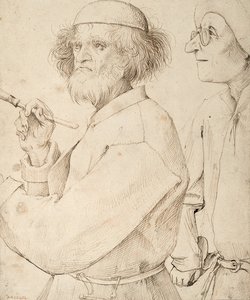
Pieter Bruegel el Viejo
1525 - 1569 , Bélgica
Datos clave
- Artistas Que Influyeron:
- Hieronymus Bosch
- Pieter Coecke van Aelst
- Estilo Artístico: Renacimiento Nórdico
- Fecha De Muerte: 1569
- Fecha De Nacimiento: c. 1525-1530
- Influencia Artística: Pintura dorada holandesa
- Lugar De Nacimiento: Breda, Bélgica
- Nacionalidad: Belga
- Nombre Completo: Pieter Bruegel el Viejo
- Obras Notables:
- Paisaje con la huida a Egipto
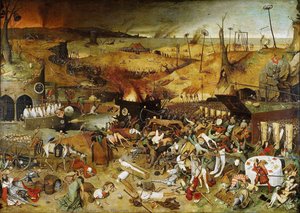
- El triunfo de la muerte
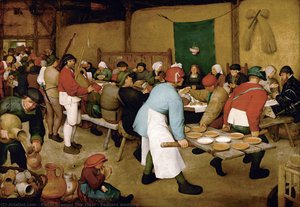
- Boda campesina
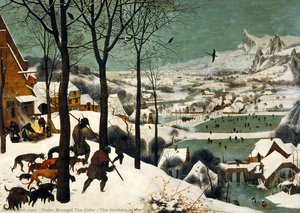
- Cazadores en la nieve
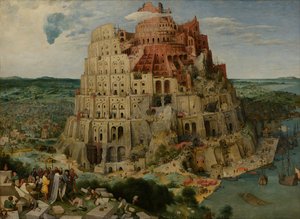
- La torre de Babel
Artículos relacionados
Los 10 Grabados Legendarios que Transformaron la Historia del Arte | ArtsDot
Descubre los 10 grabados legendarios de Dürer, Rembrandt y Goya que revolucionaron el arte. Explora la historia, técnicas y belleza atemporal de estas obras maestras. Reproducciones de alta calidad en ArtsDot.com para decorar tu hogar con arte clásico.
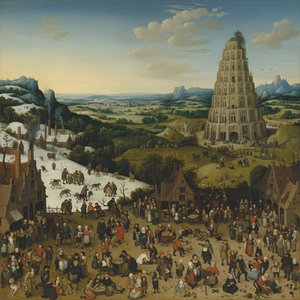
Pieter Bruegel the Elder: A Master of Genre, Landscape & Social Commentary
Explore the life & art of Pieter Bruegel the Elder, a pivotal figure of the Renaissance. Discover his groundbreaking genre scenes, symbolic landscapes, and lasting influence on art history. Learn more at ArtsDot.
Renacimiento Nórdico: 10 Obras Maestras que Transformaron el Arte |
Descubre 10 obras maestras del Renacimiento Nórdico: Jan van Eyck, Durero y más. Explora la historia, el simbolismo y las técnicas de estos icónicos pintores. Encuentra reproducciones de arte exclusivas en .
Los 25 Tesoros del Kunsthistorisches Museum de Viena: Arte, Historia y Decoración Exclusiva
Descubre los 25 tesoros del Kunsthistorisches Museum de Viena. Explora obras maestras de Rafael, Rembrandt y Vermeer, su historia y técnica. Encuentra reproducciones de arte exclusivas para decorar tu hogar con elegancia. ¡Explora la colección completa en ArtsDot.com!
Engraving: A Historical Survey of Technique, Artistic Expression & Enduring Legacy
Explore the rich history of engraving with ArtsDot. Discover techniques, iconic artists like Dürer & Callot, collecting tips, and expert guidance for preserving your art investment. Learn about intaglio printing & more!