 Ver en contexto
 Enviar
 Compartir
 Detalles

 Descargar
 Similares
 Radiografía
 Presentación de diapositivas
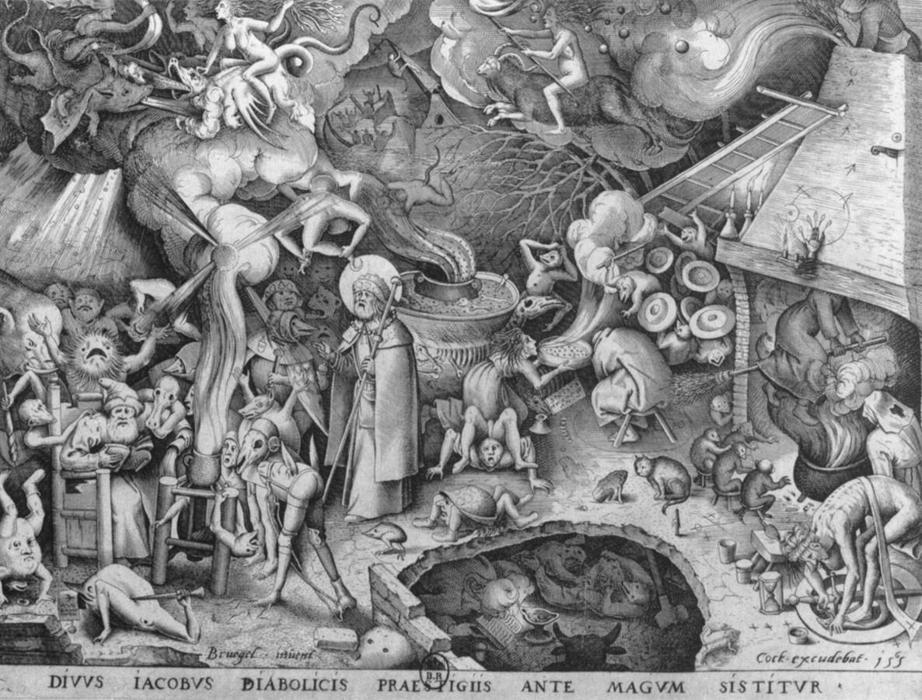
San Santiago el Grande en Hermogenes


 Ver más
Giclée / Impresión de arte
Impresiones giclée o en lienzo de calidad de museo con producción rápida y opciones de acabado flexibles. ( Comprar pintura hecha a mano Comprar imagen)




P118B $10

P118H $10

P118W $10

P438Z $10

P508JH $12

P508YH $12

P805H $10

P805Z $10

P919BZ $10

P919G $10

P919XJ $10

P959ZH $10

P968JZ $12

W106C $8

W218G $10

W218JH $8

W218Y $10

W307PJ $10

W316G $10

W316PJ $8

W316Y $10

W398PJ $8

W4111J $10

W500HY $15

W500JH $15

W692G $12

W849H $8

W940BG $15

W953PJ $8




Elija entre nuestros tamaños predefinidos que respetan las proporciones originales de la obra.

Puede introducir sus propias dimensiones para adaptarse a un marco o espacio específico. Si el tamaño seleccionado no coincide con las proporciones de la imagen original, recortaremos la obra de arte o extenderemos la imagen con un borde con efecto espejo o de color sólido. Se enviará una maqueta digital para su aprobación antes de que comience la producción.
Tenga en cuenta que la vista previa en pantalla no refleja el recorte o la extensión real. Solo la maqueta mostrará con precisión la composición final.
Aunque existen tamaños personalizados, recomendamos seleccionar una dimensión de la lista predefinida para preservar las proporciones originales.
Envío a todo el mundo () en 2 semanas en lugar de las 4/5 semanas estándar. (29 agosto)

Envío exprés gratuito a todo el mundo

Lienzo de lino de alta calidad

Seguro de envío total

Garantía de reembolso de impuestos aduaneros

Garantía de fidelidad cromática exacta

Política de devolución de 60 días (solo por defectos)

Garantía de devolución del 100% del dinero

Descuento por cantidad
 La opción de vidrio solo está disponible en tamaños inferiores a 110 cm.

San Santiago el Grande en Hermogenes
Giclée / Impresión de arte
Dimensiones de la reproducción
-


Precio total final
$ 62
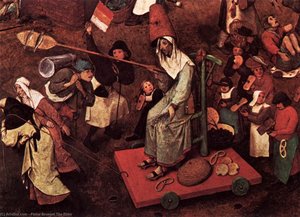
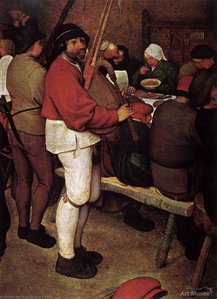
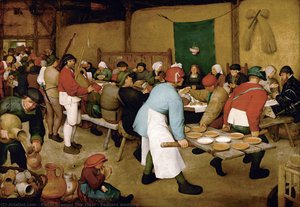
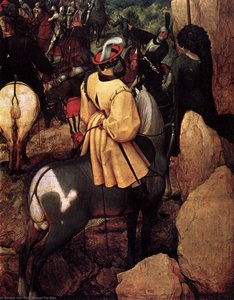
A Chaotic Vision of Faith and Temptation: Pieter Bruegel’s “St James the Greater at Hermogenes”
Pieter Bruegel the Elder's "St James the Greater at Hermogenes," painted in 1565, stands as a monumental achievement of Northern Renaissance art—a disconcerting panorama that transcends mere depiction to embody profound theological and psychological complexities. More than just a landscape scene, it’s an arresting confrontation between divine grace and demonic influence, rendered with meticulous detail and imbued with a palpable sense of unease.
- Subject Matter & Narrative Depth: The artwork portrays St. James wrestling with temptation—specifically, the allure of Hermogenes, a pagan magician who embodies worldly desires. Bruegel doesn’t offer a straightforward moral tale; instead, he presents a dizzying tableau populated by saints, demons, and fantastical creatures engaged in a frenzied dance around a central figure. This deliberate ambiguity invites contemplation on the battle waged within the human soul.
- Style & Technique: Bruegel's signature style—characterized by its panoramic scope and unflinching realism—is brilliantly executed through masterful pen-and-ink drawing combined with hatching and crosshatching. These techniques skillfully build up tonal values, creating a rich textural surface that captures the ruggedness of the landscape and the unsettling physicality of the figures. The artist’s use of chiaroscuro – dramatic contrasts between light and shadow – amplifies the emotional impact of the scene.
- Composition & Perspective: The composition is deliberately chaotic, mirroring the turmoil within St. James's mind. Figures are arranged in multiple planes, receding into the background to establish depth—though this perspective isn’t entirely consistent, contributing to a dreamlike atmosphere. This layering of elements reinforces the overwhelming impression of disorder and underscores Bruegel’s intention to depict not just what is seen but also what is felt.
- Symbolism & Emotional Resonance: The demonic figures surrounding St. James serve as potent symbols of temptation and evil, representing the forces that threaten spiritual purity. Yet, amidst this darkness, there's a glimmer of hope—the saint’s unwavering gaze suggests resilience and determination in resisting succumbing to worldly temptations. Bruegel’s artwork evokes feelings of anxiety, moral judgment, and ultimately, a recognition of humanity’s vulnerability.
- Historical Context: Created during the Reformation era, “St James the Greater at Hermogenes” reflects the anxieties of its time—the struggle between Catholic dogma and emerging Protestant ideals. Bruegel's depiction of pagan rituals alongside Christian saints speaks to the broader cultural debates surrounding faith and reason prevalent in Northern Europe.
Reproductions of this iconic artwork offer a captivating glimpse into the artistic genius of Pieter Bruegel the Elder and invite viewers to engage with timeless themes of faith, temptation, and human struggle. Its intricate detail and expressive tonal range ensure that its spirit lives on in high-quality reproductions.
Obras relacionadas
Biografía del artista
vida temprana y formación
Pieter Brueghel el Viejo, una figura clave en la pintura renacentista, nació y creció en Breda, Bélgica, entre 1525 y 1530. Su maestro, Pieter Coecke van Aelst, era un pintor de Amberes que guió el desarrollo artístico temprano de Bruegel. Después de formarse con Coecke, Bruegel se convirtió en maestro independiente en la gremial de pintores de Amberes en 1551.contribuciones artísticas y estilo
La obra de Bruegel es reconocida por sus innovadoras elecciones de temas, centrándose en paisajes y escenas campesinas. Sus pinturas, como Paisaje con la huida a Egipto (37 x 55 cm, galerías Courtauld de Londres), demostraron su dominio del óleo sobre tabla. El estilo de Bruegel, caracterizado por el uso del claroscuro, creó una sensación de profundidad y realismo, haciendo que sus pinturas se sintieran inmersivas.obras notables y museos
* Paisaje de los Alpes (musée du Louvre, París), una obra ejemplar que muestra las habilidades de Bruegel en la pintura de paisajes. * Triptico (renacimiento del norte, óleo), un notable ejemplo del uso de óleo sobre tabla por parte de Bruegel. * Los Musée Royale de Beaux-Arts en Bruselas cuenta con una impresionante colección de más de 20.000 obras de arte, incluyendo obras de Bruegel.legado e influencia
La influencia de Bruegel en la pintura dorada holandesa y los desarrollos artísticos posteriores es innegable. Su obra ha inspirado a artistas tanto en las artes literarias como en el cine, con referencias a sus pinturas que aparecen en películas como Solaris (1972) y Melancolía (2011). Explore más obras de Bruegel en ArtsDot.com: [https://ArtsDot.com/@/pieter-bruegel-the-elder](https://ArtsDot.com/@/pieter-bruegel-the-elder)- Descubra las obras maestras del Musée Royale de Beaux-Arts (Bruselas, Bélgica): /es/art/show/art-d3cf2d-es/
- Aprenda más sobre la pintura neerlandesa temprana en Wikipedia: [https://en.wikipedia.org/wiki/early_netherlandish_painting](https://en.wikipedia.org/wiki/early_netherlandish_painting)
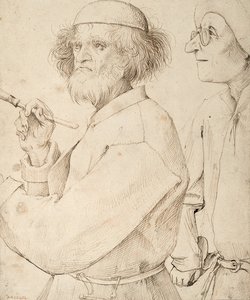
Pieter Bruegel el Viejo
1525 - 1569 , Bélgica
Datos clave
- Artistas Que Influyeron:
- Hieronymus Bosch
- Pieter Coecke van Aelst
- Estilo Artístico: Renacimiento Nórdico
- Fecha De Muerte: 1569
- Fecha De Nacimiento: c. 1525-1530
- Influencia Artística: Pintura dorada holandesa
- Lugar De Nacimiento: Breda, Bélgica
- Nacionalidad: Belga
- Nombre Completo: Pieter Bruegel el Viejo
- Obras Notables:
- Paisaje con la huida a Egipto
- El triunfo de la muerte
- Boda campesina
- Cazadores en la nieve
- La torre de Babel
Artículos relacionados
Las 10 Obras Maestras del Alto Medieval: Arte, Historia y Decoración Exclusiva
Descubre las 10 obras maestras del Alto Medieval. Explora la historia, el simbolismo y la belleza de la pintura románica y gótica. Reproducciones exclusivas en ArtsDot.com para decorar tu hogar con arte atemporal.
Renacimiento Nórdico: 10 Obras Maestras que Transformaron el Arte |
Descubre 10 obras maestras del Renacimiento Nórdico: Jan van Eyck, Durero y más. Explora la historia, el simbolismo y las técnicas de estos icónicos pintores. Encuentra reproducciones de arte exclusivas en .
El Renacimiento Septentrional: Florecimiento del Realismo y la Innovación Artística
Descubre el Renacimiento Septentrional y la maestría de los Primitivos Flamencos. Explora sus técnicas innovadoras, simbolismo oculto y obras icónicas con ArtsDot.
10 Obras Maestras Medievales que Definen el Arte (y tu Hogar)
Descubre 10 obras maestras del arte medieval, desde Duccio a Van Eyck. Explora la historia, simbolismo y belleza de Giotto, Simone Martini y más. Encuentra reproducciones de alta calidad para decorar tu hogar en ArtsDot.com.
Illuminating Faith & Power: A Journey Through Medieval Art (c. 500 – c. 1500)
Explore the rich history of Medieval Art (c. 500 – c. 1500) with ArtsDot. Discover Byzantine mosaics, Gothic cathedrals & Renaissance masterpieces. Expert insights & museum-quality reproductions.