 Vista previa
 Compartir
 Compartir
 Ver detalles

 Descargar
 Ver similares
 Radiografía
 Presentación de diapositivas
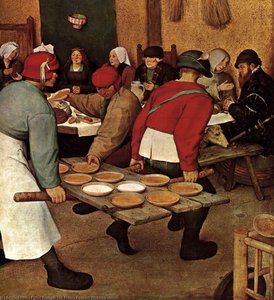
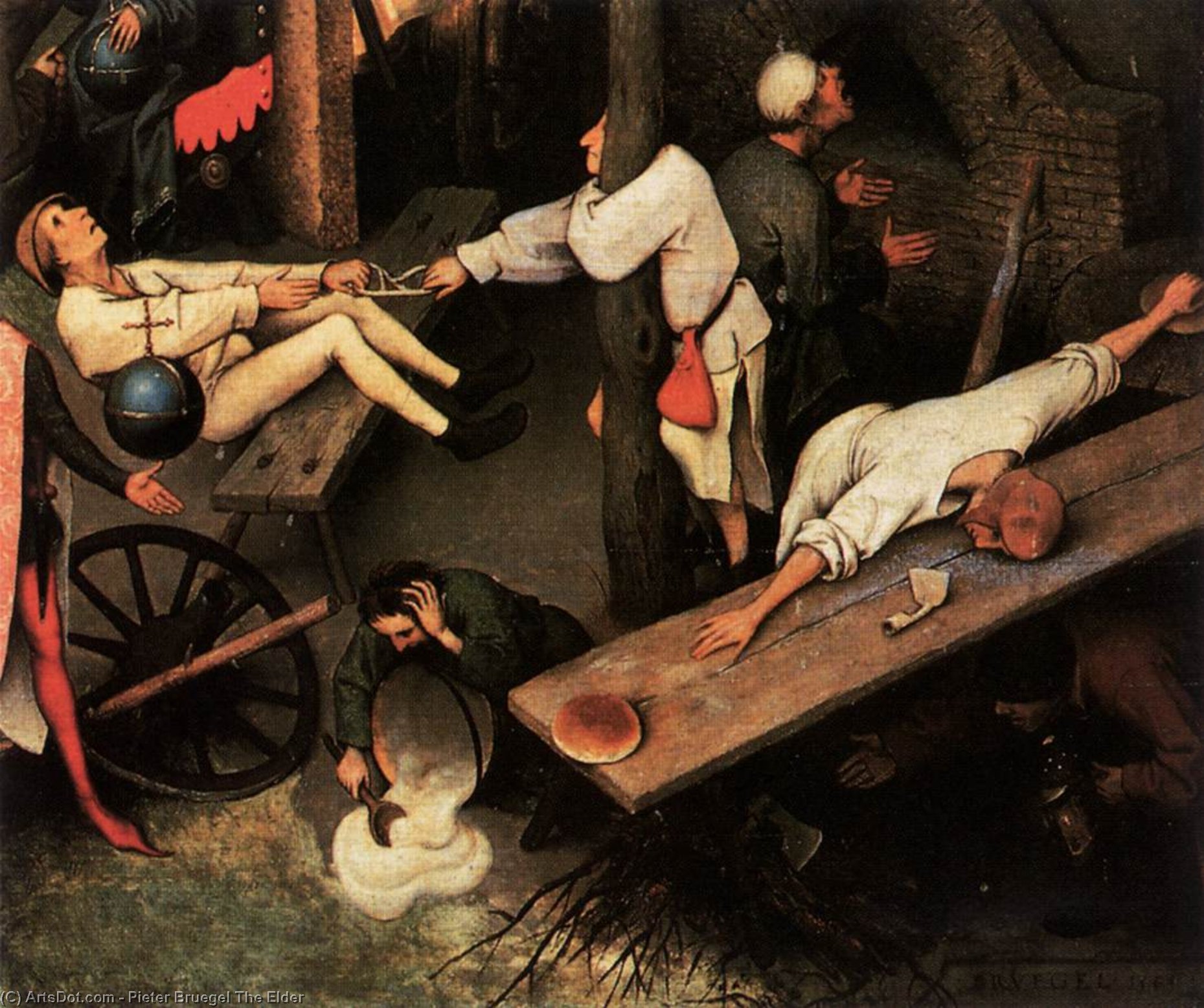
Netherlandish Proverbs (detail)


 Leer más
Reproducción al óleo hecha a mano
Óleo sobre lienzo pintado a mano en el tamaño y marco de su elección, realizado por encargo por nuestros artistas. ( Pedir impresión Comprar descarga)




P118B $10

P118H $10

P118W $10

P438Z $10

P508JH $12

P508YH $12

P805H $10

P805Z $10

P919BZ $10

P919G $10

P919XJ $10

P959ZH $10

P968JZ $12

W106C $8

W218G $10

W218JH $8

W218Y $10

W307PJ $10

W316G $10

W316PJ $8

W316Y $10

W398PJ $8

W4111J $10

W500HY $15

W500JH $15

W692G $12

W849H $8

W940BG $15

W953PJ $8




Elija entre nuestros tamaños predefinidos que respetan las proporciones originales de la obra.

Puede ingresar sus propias dimensiones para adaptarse a un marco o espacio específico. Si el tamaño seleccionado no coincide con las proporciones de la imagen original, recortaremos la obra o extenderemos la pintura con elementos adicionales pintados a mano. Se le enviará una maqueta digital para su aprobación antes de comenzar la producción.
Tenga en cuenta que la vista previa en pantalla no refleja el recorte o la extensión reales. Solo la maqueta mostrará con precisión la composición final.
Si bien existen tamaños personalizados, recomendamos seleccionar una dimensión de la lista predefinida para preservar las proporciones originales.
Tras realizar el pedido, el equipo de ArtsDot.com enviará un correo electrónico al cliente para solicitar instrucciones y proporcionarle una vista previa del boceto.
Envío a todo el mundo () en 3-4 semanas en lugar de las 5 semanas estándar. (22 agosto). Sin comprometer la calidad.

Envío exprés gratuito a todo el mundo

Lienzo de lino de alta calidad

Seguro de envío completo

Garantía de reembolso de aranceles aduaneros

Garantía de fidelidad cromática exacta

Política de devolución de 60 días (solo por defectos)

Garantía de devolución del 100% del dinero

Oferta por volumen
 La opción de vidrio solo está disponible en tamaños inferiores a 110 cm.

Netherlandish Proverbs (detail)
Técnica de reproducción
Tamaño de la reproducción
-


Precio total
$ 263
Descripción de la obra
A Window Into Flemish Life: Pieter Bruegel’s “Netherlandish Proverbs”
The painting "Netherlandish Proverbs," executed by Pieter Bruegel the Elder in 1559, stands as a cornerstone of Northern Renaissance art—a vibrant snapshot of everyday life rendered with meticulous detail and imbued with layers of symbolic meaning. More than just a depiction of rural Flemish society, it’s an invitation to contemplate the wisdom embedded within seemingly absurd sayings and traditions that continue to resonate centuries later. Bruegel's genius lies not merely in his technical prowess but in his ability to transform observation into profound commentary on human nature.The Landscape as Narrative
Bruegel meticulously crafted a panoramic landscape—a quintessential Flemish vista dominated by rolling hills, scattered trees, and a meandering stream—that serves as the backdrop for an astonishing array of figures engaged in diverse activities. This isn’t simply scenery; it's deliberately chosen to amplify the narrative power of the scene. The artist skillfully employs atmospheric perspective—the gradual blurring of distant objects due to haze—to create depth and convey a sense of vastness, mirroring the scope of human experience itself. Notice how the positioning of the figures against the horizon reinforces their roles within the larger social tapestry.Technique: Oil Paintsmanship and Anatomical Precision
Bruegel’s mastery of oil paintsmanship is evident in every brushstroke. He achieved remarkable realism by layering thin glazes of pigment upon each other—a technique that allowed him to capture subtle tonal variations and create luminous surfaces. Furthermore, Bruegel demonstrated a keen understanding of human anatomy, accurately portraying the postures and expressions of his subjects with impressive precision. This anatomical accuracy wasn’t merely stylistic; it reflected the humanist influence prevalent during his time, emphasizing the importance of observing and representing the human form faithfully. The artist's attention to detail extends beyond mere likeness—it communicates a palpable sense of presence and immediacy.Historical Context: Reformation and Societal Change
“Netherlandish Proverbs” emerged during a period of significant upheaval in Europe – namely, the Protestant Reformation. This religious fervor permeated artistic circles, prompting artists like Bruegel to grapple with questions of faith, morality, and social responsibility. The painting reflects anxieties about societal stability amidst doctrinal disputes and subtly critiques conventional wisdom—a characteristic trait of Renaissance thinkers who questioned established authority. The inclusion of figures hanging from a cross is particularly noteworthy, referencing the crucifixion of Jesus Christ but also serving as a visual metaphor for enduring hardship and accepting fate with dignity.Symbolism: Proverbs Embodied
The painting’s title itself encapsulates its central theme—the exploration of proverbial sayings that encapsulate common beliefs and behaviors. Each figure embodies a particular proverb, ranging from the practical (“A fool and his money are soon parted”) to the philosophical (“Better late than never”). Bruegel doesn't simply depict these sayings; he dramatizes them, transforming them into tangible representations of human folly and wisdom. The artist’s use of visual symbolism elevates the painting beyond mere representation—it invites viewers to contemplate the deeper implications of these enduring expressions of cultural heritage.Emotional Impact: Humor Amidst Reflection
Despite its depiction of challenging circumstances – poverty, illness, and death – “Netherlandish Proverbs” possesses a remarkable quality of humor. Bruegel’s masterful composition captures the absurdity of human behavior while simultaneously prompting viewers to consider profound questions about life's journey. The painting evokes a bittersweet blend of amusement and contemplation—a reminder that even amidst hardship, there is always room for laughter and reflection. It remains an enduring testament to Bruegel’s ability to transform observation into artful expression—a timeless masterpiece that continues to captivate audiences worldwide.Obras relacionadas
Biografía del artista
vida temprana y formación
Pieter Brueghel el Viejo, una figura clave en la pintura renacentista, nació y creció en Breda, Bélgica, entre 1525 y 1530. Su maestro, Pieter Coecke van Aelst, era un pintor de Amberes que guió el desarrollo artístico temprano de Bruegel. Después de formarse con Coecke, Bruegel se convirtió en maestro independiente en la gremial de pintores de Amberes en 1551.contribuciones artísticas y estilo
La obra de Bruegel es reconocida por sus innovadoras elecciones de temas, centrándose en paisajes y escenas campesinas. Sus pinturas, como Paisaje con la huida a Egipto (37 x 55 cm, galerías Courtauld de Londres), demostraron su dominio del óleo sobre tabla. El estilo de Bruegel, caracterizado por el uso del claroscuro, creó una sensación de profundidad y realismo, haciendo que sus pinturas se sintieran inmersivas.obras notables y museos
* Paisaje de los Alpes (musée du Louvre, París), una obra ejemplar que muestra las habilidades de Bruegel en la pintura de paisajes. * Triptico (renacimiento del norte, óleo), un notable ejemplo del uso de óleo sobre tabla por parte de Bruegel. * Los Musée Royale de Beaux-Arts en Bruselas cuenta con una impresionante colección de más de 20.000 obras de arte, incluyendo obras de Bruegel.legado e influencia
La influencia de Bruegel en la pintura dorada holandesa y los desarrollos artísticos posteriores es innegable. Su obra ha inspirado a artistas tanto en las artes literarias como en el cine, con referencias a sus pinturas que aparecen en películas como Solaris (1972) y Melancolía (2011). Explore más obras de Bruegel en ArtsDot.com: [https://ArtsDot.com/@/pieter-bruegel-the-elder](https://ArtsDot.com/@/pieter-bruegel-the-elder)- Descubra las obras maestras del Musée Royale de Beaux-Arts (Bruselas, Bélgica): /es/art/show/art-d3cf2d-es/
- Aprenda más sobre la pintura neerlandesa temprana en Wikipedia: [https://en.wikipedia.org/wiki/early_netherlandish_painting](https://en.wikipedia.org/wiki/early_netherlandish_painting)
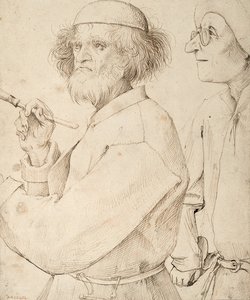
Pieter Bruegel el Viejo
1525 - 1569 , Bélgica
Datos clave
- Artistas Que Influyeron:
- Hieronymus Bosch
- Pieter Coecke van Aelst
- Estilo Artístico: Renacimiento Nórdico
- Fecha De Muerte: 1569
- Fecha De Nacimiento: c. 1525-1530
- Influencia Artística: Pintura dorada holandesa
- Lugar De Nacimiento: Breda, Bélgica
- Nacionalidad: Belga
- Nombre Completo: Pieter Bruegel el Viejo
- Obras Notables:
- Paisaje con la huida a Egipto
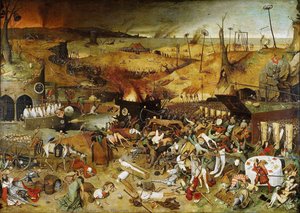
- El triunfo de la muerte
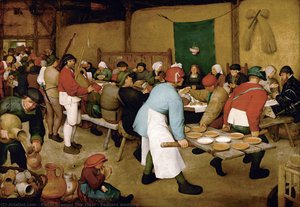
- Boda campesina
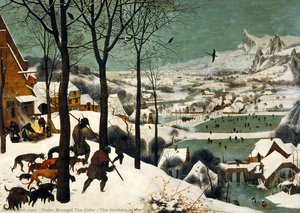
- Cazadores en la nieve
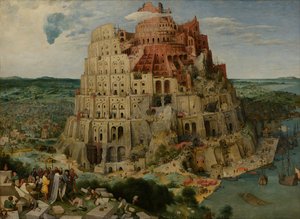
- La torre de Babel
Artículos relacionados
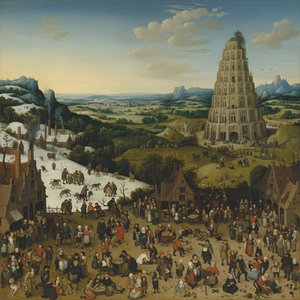
Pieter Bruegel the Elder: A Master of Genre, Landscape & Social Commentary
Explore the life & art of Pieter Bruegel the Elder, a pivotal figure of the Renaissance. Discover his groundbreaking genre scenes, symbolic landscapes, and lasting influence on art history. Learn more at ArtsDot.
Jan Brueghel the Elder: A Master of Flemish Landscape & Allegory – Exploring Innovation & Influence
Explore the captivating world of Jan Brueghel the Elder, a Flemish Baroque master renowned for his stunning landscapes & allegorical paintings. Discover his collaborations with Rubens and lasting artistic legacy.
Los 25 Tesoros del Kunsthistorisches Museum de Viena: Arte, Historia y Decoración Exclusiva
Descubre los 25 tesoros del Kunsthistorisches Museum de Viena. Explora obras maestras de Rafael, Rembrandt y Vermeer, su historia y técnica. Encuentra reproducciones de arte exclusivas para decorar tu hogar con elegancia. ¡Explora la colección completa en ArtsDot.com!

Evocations of Place: A Historical Journey Through Landscape Art
Explore the rich history of landscape art with ArtsDot. Discover renowned artists, movements like Impressionism & Romanticism, and expert guidance for collecting timeless pieces. Find your perfect serene escape today!

Paisajes Románticos: 10 Obras Maestras que Definieron un Movimiento Artístico
Descubre los 10 paisajes románticos más influyentes de artistas como Caspar David Friedrich y Turner. Explora la belleza, el simbolismo y las técnicas del movimiento romántico. Reproducciones de arte exclusivas en ArtsDot.com.