 Ver en contexto
 Enviar
 Compartir
 Detalles

 Descargar
 Similares
 Radiografía
 Presentación de diapositivas
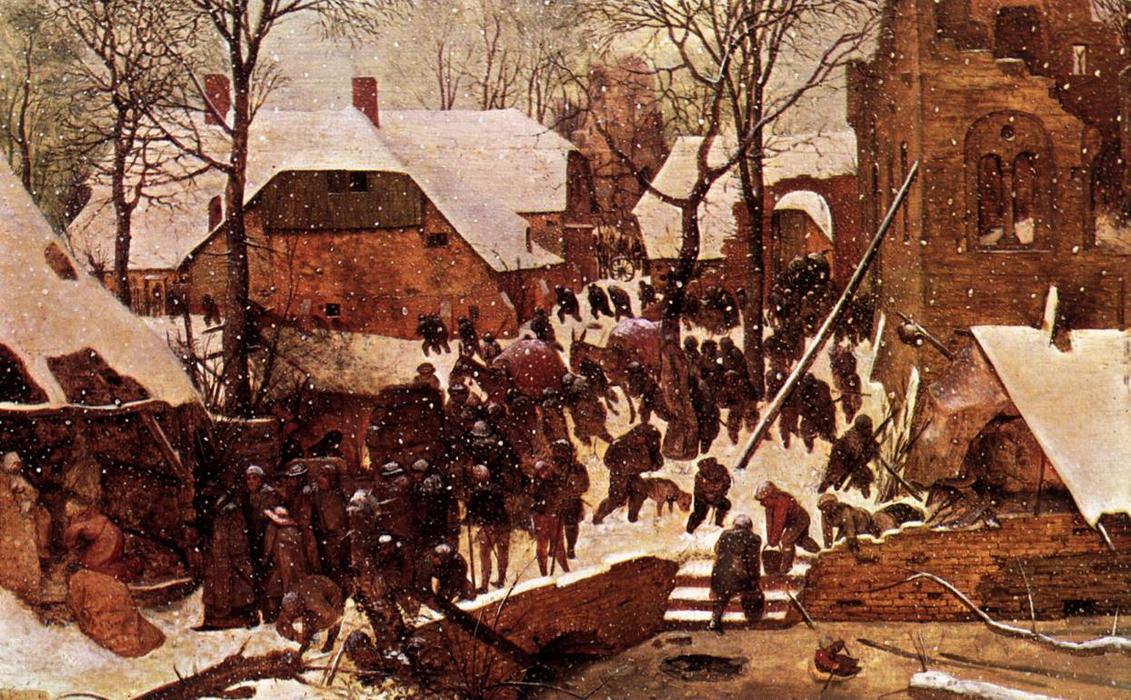
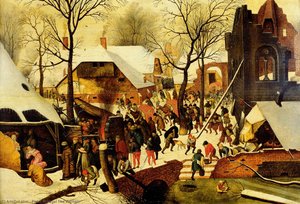
The Adoration of the Kings in the Snow
 Óleo
Óleo- Arte de pared
- Flemish Renaissance
 1557
1557 35.0 x 55.0 cm
 Ver más
Giclée / Impresión de arte
Impresiones giclée o en lienzo de calidad de museo con producción rápida y opciones de acabado flexibles. ( Comprar pintura hecha a mano Comprar imagen)




P118B $10

P118H $10

P118W $10

P438Z $10

P508JH $12

P508YH $12

P805H $10

P805Z $10

P919BZ $10

P919G $10

P919XJ $10

P959ZH $10

P968JZ $12

W106C $8

W218G $10

W218JH $8

W218Y $10

W307PJ $10

W316G $10

W316PJ $8

W316Y $10

W398PJ $8

W4111J $10

W500HY $15

W500JH $15

W692G $12

W849H $8

W940BG $15

W953PJ $8




Elija entre nuestros tamaños predefinidos que respetan las proporciones originales de la obra.

Puede introducir sus propias dimensiones para adaptarse a un marco o espacio específico. Si el tamaño seleccionado no coincide con las proporciones de la imagen original, recortaremos la obra de arte o extenderemos la imagen con un borde con efecto espejo o de color sólido. Se enviará una maqueta digital para su aprobación antes de que comience la producción.
Tenga en cuenta que la vista previa en pantalla no refleja el recorte o la extensión real. Solo la maqueta mostrará con precisión la composición final.
Aunque existen tamaños personalizados, recomendamos seleccionar una dimensión de la lista predefinida para preservar las proporciones originales.
Envío a todo el mundo () en 2 semanas en lugar de las 4/5 semanas estándar. (6 septiembre)

Envío exprés gratuito a todo el mundo

Lienzo de lino de alta calidad

Seguro de envío total

Garantía de reembolso de impuestos aduaneros

Garantía de fidelidad cromática exacta

Política de devolución de 100 días (solo por defectos)

Garantía de devolución del 100% del dinero

Descuento por cantidad
 La opción de vidrio solo está disponible en tamaños inferiores a 110 cm.

The Adoration of the Kings in the Snow
Giclée / Impresión de arte
Dimensiones de la reproducción
-


Precio total final
$ 62
A Frozen Tableau of Faith: Pieter Bruegel’s “The Adoration of the Kings in the Snow”
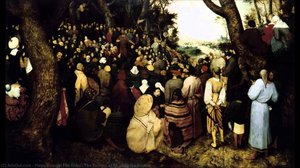
Pieter Bruegel the Elder's "The Adoration of the Kings in the Snow," painted in 1564, isn’t merely a depiction of a biblical scene; it’s a vibrant, almost unsettling snapshot of everyday life rendered with extraordinary detail and imbued with profound symbolism. This oil-on-panel masterpiece, now residing in the National Gallery, London, offers a rare glimpse into the artist's masterful ability to blend religious narrative with the gritty realities of 16th-century Flemish society – all set against the backdrop of a relentlessly bleak winter landscape.
The painting immediately captivates with its dense composition. Bruegel eschews the idealized, serene depictions common in earlier religious art, instead presenting a chaotic scene teeming with figures bundled in thick furs and cloaks, navigating a snow-covered town square. The perspective is subtly flattened, creating a sense of depth without sacrificing the overwhelming feeling of activity – a bustling marketplace caught in an unexpected blizzard. The muted palette of browns, ochres, and deep reds reflects the harshness of winter, yet Bruegel’s skillful use of light and shadow brings forth details that are both captivating and slightly unnerving.
A Masterclass in Flemish Renaissance Detail
Bruegel's technical prowess is immediately apparent. He meticulously renders every fold of fabric, the texture of snowdrifts, and the individual faces of the crowd – each one exhibiting a distinct expression of wonder, anxiety, or simple curiosity. The artist’s use of *chiaroscuro* (the dramatic contrast between light and dark) adds to the painting's dynamism, highlighting key figures while casting others into shadow. The brushstrokes themselves are visible, contributing to a sense of immediacy and realism that was revolutionary for its time.
Beyond mere technical skill, Bruegel demonstrates an acute understanding of human psychology. He doesn’t present the Magi as distant, ethereal figures; instead, they are ordinary men – dressed in richly adorned robes but clearly weary from their long journey – engaging with the villagers in a surprisingly intimate way. The scene is not one of reverent adoration, but rather of a shared experience, a moment of communal wonder amidst adversity.
Symbolism and Social Commentary
“The Adoration of the Kings in the Snow” is rich in symbolic detail that invites interpretation. The presence of soldiers, clad in armor and carrying weapons, hints at the political unrest simmering within the Netherlands at the time – a period marked by religious conflict and social upheaval. The depiction of the Magi themselves—representing Europe, Asia, and Africa—suggests Bruegel’s humanist perspective, celebrating diversity while subtly challenging traditional hierarchies. The inclusion of everyday details – a child playfully sliding on the ice, a man struggling to haul water – grounds the biblical narrative in the realities of daily life.
The choice of winter as the setting is particularly significant. Bruegel’s depiction of falling snow—a remarkably innovative feat for its time—is not merely decorative; it serves as a metaphor for hardship and resilience. The figures, struggling to navigate the treacherous streets, embody the challenges faced by ordinary people during times of adversity. Yet, despite the bleakness of the landscape, there's an underlying sense of hope – a suggestion that even in the darkest of times, humanity can find moments of connection and shared experience.
A Timeless Masterpiece for Collectors and Designers
"The Adoration of the Kings in the Snow" remains a profoundly moving work of art. Its blend of religious narrative, social commentary, and technical brilliance continues to resonate with viewers centuries after its creation. Reproductions offer an accessible way to bring this extraordinary painting into your home or office, allowing you to appreciate Bruegel’s genius and contemplate the timeless themes of faith, humanity, and resilience.
Obras relacionadas
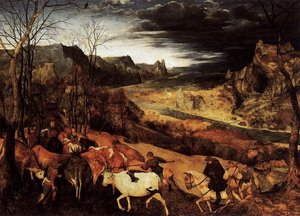
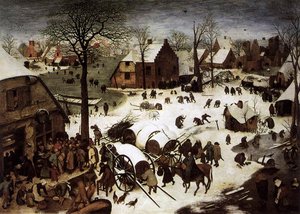
Biografía del artista
vida temprana y formación
Pieter Brueghel el Viejo, una figura clave en la pintura renacentista, nació y creció en Breda, Bélgica, entre 1525 y 1530. Su maestro, Pieter Coecke van Aelst, era un pintor de Amberes que guió el desarrollo artístico temprano de Bruegel. Después de formarse con Coecke, Bruegel se convirtió en maestro independiente en la gremial de pintores de Amberes en 1551.contribuciones artísticas y estilo
La obra de Bruegel es reconocida por sus innovadoras elecciones de temas, centrándose en paisajes y escenas campesinas. Sus pinturas, como Paisaje con la huida a Egipto (37 x 55 cm, galerías Courtauld de Londres), demostraron su dominio del óleo sobre tabla. El estilo de Bruegel, caracterizado por el uso del claroscuro, creó una sensación de profundidad y realismo, haciendo que sus pinturas se sintieran inmersivas.obras notables y museos
* Paisaje de los Alpes (musée du Louvre, París), una obra ejemplar que muestra las habilidades de Bruegel en la pintura de paisajes. * Triptico (renacimiento del norte, óleo), un notable ejemplo del uso de óleo sobre tabla por parte de Bruegel. * Los Musée Royale de Beaux-Arts en Bruselas cuenta con una impresionante colección de más de 20.000 obras de arte, incluyendo obras de Bruegel.legado e influencia
La influencia de Bruegel en la pintura dorada holandesa y los desarrollos artísticos posteriores es innegable. Su obra ha inspirado a artistas tanto en las artes literarias como en el cine, con referencias a sus pinturas que aparecen en películas como Solaris (1972) y Melancolía (2011). Explore más obras de Bruegel en ArtsDot.com: [https://ArtsDot.com/@/pieter-bruegel-the-elder](https://ArtsDot.com/@/pieter-bruegel-the-elder)- Descubra las obras maestras del Musée Royale de Beaux-Arts (Bruselas, Bélgica): /es/art/show/art-d3cf2d-es/
- Aprenda más sobre la pintura neerlandesa temprana en Wikipedia: [https://en.wikipedia.org/wiki/early_netherlandish_painting](https://en.wikipedia.org/wiki/early_netherlandish_painting)
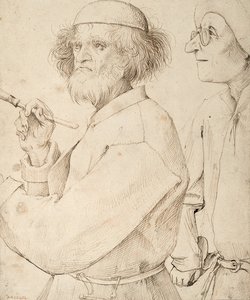
Pieter Bruegel el Viejo
1525 - 1569 , Bélgica
Datos clave
- Artistas Que Influyeron:
- Hieronymus Bosch
- Pieter Coecke van Aelst
- Estilo Artístico: Renacimiento Nórdico
- Fecha De Muerte: 1569
- Fecha De Nacimiento: c. 1525-1530
- Influencia Artística: Pintura dorada holandesa
- Lugar De Nacimiento: Breda, Bélgica
- Nacionalidad: Belga
- Nombre Completo: Pieter Bruegel el Viejo
- Obras Notables:
- Paisaje con la huida a Egipto
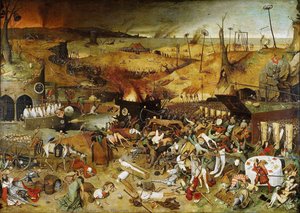
- El triunfo de la muerte
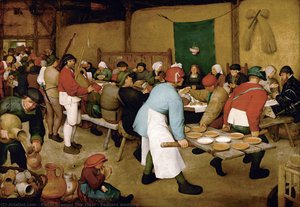
- Boda campesina
- Cazadores en la nieve
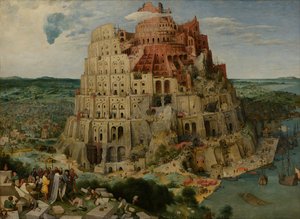
- La torre de Babel
Artículos relacionados
Las 10 Obras Maestras Cubiertas de Nieve: Arte, Historia y Decoración
Descubre las 10 pinturas más famosas dominadas por la nieve. Explora obras maestras de Monet, Renoir y Van Gogh, su historia y significado. Encuentra lienzos impresionantes para decorar tu hogar con arte clásico en ArtsDot.com.
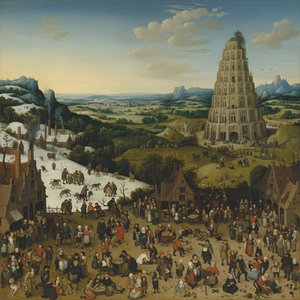
Pieter Bruegel the Elder: A Master of Genre, Landscape & Social Commentary
Explore the life & art of Pieter Bruegel the Elder, a pivotal figure of the Renaissance. Discover his groundbreaking genre scenes, symbolic landscapes, and lasting influence on art history. Learn more at ArtsDot.
Los 25 Tesoros del Kunsthistorisches Museum de Viena: Arte, Historia y Decoración Exclusiva
Descubre los 25 tesoros del Kunsthistorisches Museum de Viena. Explora obras maestras de Rafael, Rembrandt y Vermeer, su historia y técnica. Encuentra reproducciones de arte exclusivas para decorar tu hogar con elegancia. ¡Explora la colección completa en ArtsDot.com!
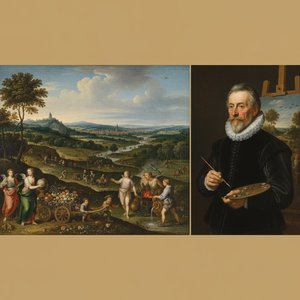
Jan Brueghel the Elder: A Master of Flemish Landscape & Allegory – Exploring Innovation & Influence
Explore the captivating world of Jan Brueghel the Elder, a Flemish Baroque master renowned for his stunning landscapes & allegorical paintings. Discover his collaborations with Rubens and lasting artistic legacy.
Renacimiento Nórdico: 10 Obras Maestras que Transformaron el Arte |
Descubre 10 obras maestras del Renacimiento Nórdico: Jan van Eyck, Durero y más. Explora la historia, el simbolismo y las técnicas de estos icónicos pintores. Encuentra reproducciones de arte exclusivas en .