 Ver en contexto
 Enviar
 Compartir
 Detalles

 Descargar
 Similares
 Radiografía
 Presentación de diapositivas
The Death of the Virgin
 Oil
Oil- WallArt
- Northern Renaissance
 1564
1564 36.0 x 55.0 cm
 Ver más
Reproducción al óleo hecha a mano
Óleo sobre lienzo pintado a mano en el tamaño y marco de su elección, realizado por encargo por nuestros artistas. ( Comprar impresión Comprar imagen)




P118B $10

P118H $10

P118W $10

P438Z $10

P508JH $12

P508YH $12

P805H $10

P805Z $10

P919BZ $10

P919G $10

P919XJ $10

P959ZH $10

P968JZ $12

W106C $8

W218G $10

W218JH $8

W218Y $10

W307PJ $10

W316G $10

W316PJ $8

W316Y $10

W398PJ $8

W4111J $10

W500HY $15

W500JH $15

W692G $12

W849H $8

W940BG $15

W953PJ $8




Elija entre nuestros tamaños predefinidos que respetan las proporciones originales de la obra.

Puede ingresar sus propias dimensiones para adaptarse a un marco o espacio específico. Si el tamaño seleccionado no coincide con las proporciones de la imagen original, recortaremos la obra o extenderemos la pintura con elementos adicionales pintados a mano. Se le enviará una maqueta digital para su aprobación antes de comenzar la producción.
Tenga en cuenta que la vista previa en pantalla no refleja el recorte o la extensión reales. Solo la maqueta mostrará con precisión la composición final.
Si bien existen tamaños personalizados, recomendamos seleccionar una dimensión de la lista predefinida para preservar las proporciones originales.
Tras realizar el pedido, el equipo de ArtsDot.com enviará un correo electrónico al cliente para solicitar instrucciones y proporcionarle una vista previa del boceto.
Envío a todo el mundo () en 3-4 semanas en lugar de las 5 semanas estándar. (1 septiembre). Sin comprometer la calidad.

Envío exprés gratuito a todo el mundo

Lienzo de lino de alta calidad

Seguro de envío total

Garantía de reembolso de impuestos aduaneros

Garantía de fidelidad cromática exacta

Política de devolución de 60 días (solo por defectos)

Garantía de devolución del 100% del dinero

Descuento por cantidad
 La opción de vidrio solo está disponible en tamaños inferiores a 110 cm.

The Death of the Virgin
Técnica de reproducción
Dimensiones de la reproducción
-


Precio total final
$ 263
The Death of the Virgin: A Study in Grief and Divine Presence
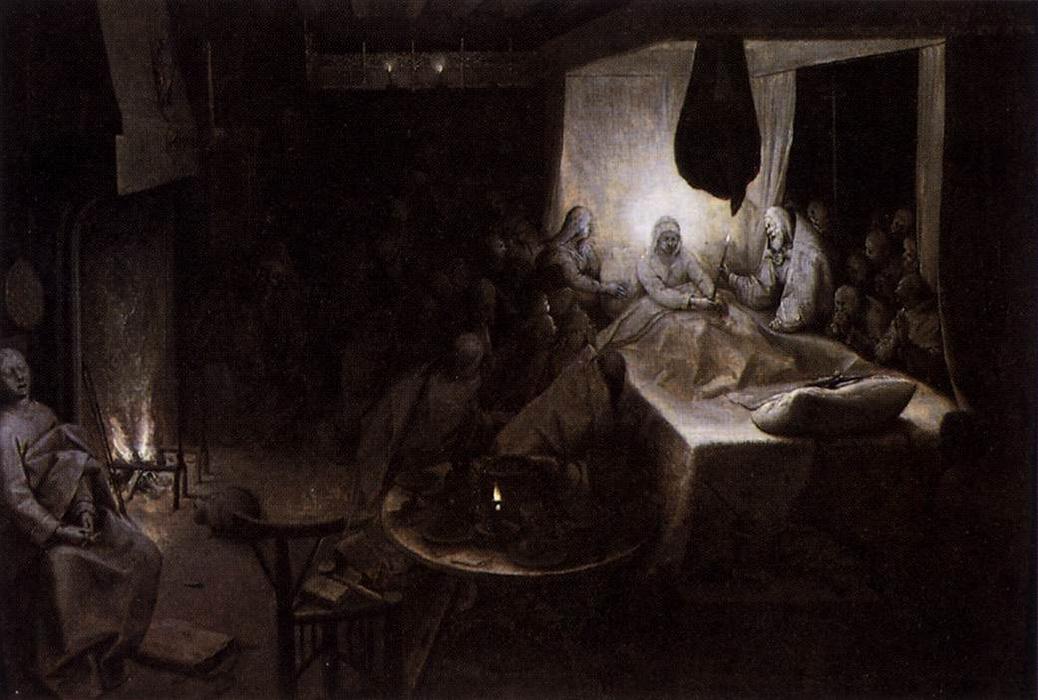
Pieter Bruegel the Elder’s “The Death of the Virgin,” painted in 1564, is not merely a depiction of mortality; it's a profound meditation on loss, faith, and the complex interplay between earthly sorrow and spiritual solace. This grisaille panel, now residing within the hallowed halls of Upton House in Warwickshire, offers a rare glimpse into the artist’s masterful ability to capture both the stark reality of death and the enduring power of religious belief. Bruegel, a pivotal figure bridging the Renaissance and Northern European artistic traditions, doesn't shy away from the unsettling details of the scene – the pallid flesh, the slumped posture, the somber expressions – yet he elevates it through a carefully orchestrated composition and a subtle use of light that transcends mere realism. The painting’s genesis lies in the medieval legend surrounding Mary’s Dormition, her peaceful passing into heaven, a story Bruegel transforms with his characteristic blend of observation and symbolic depth.A Scene Rooted in Northern Renaissance Tradition
Bruegel's work stands as a compelling example of the burgeoning Northern European artistic style that was gaining momentum during this period. Moving away from the idealized forms and classical influences prevalent in Italian High Renaissance art, Bruegel embraced a more direct and earthy approach. He frequently depicted scenes from everyday life – peasant customs, market days, and rural activities – imbuing them with moral and social commentary. “The Death of the Virgin” is no exception; it’s a scene steeped in the realities of 16th-century Flemish society, yet elevated by Bruegel's artistic skill. The painting draws inspiration from earlier works, notably those of Martin Schongauer and Albrecht Dürer, particularly their depictions of the same subject matter. However, Bruegel departs from these predecessors through his dramatic use of light, his densely populated composition, and his willingness to confront the uncomfortable aspects of death with unflinching honesty. The influence of Pieter van der Heyden’s engravings, known for their meticulous reproductions of works by Bruegel and Bosch, is also evident in the painting's detailed rendering of figures and objects.Composition, Symbolism, and Emotional Resonance
The composition itself is a carefully constructed narrative. The scene unfolds within a dimly lit room, perhaps a church or a private chamber, creating an atmosphere of hushed reverence and profound grief. A central table serves as the focal point, upon which lies the body of the Virgin Mary. Surrounding her are a multitude of figures – apostles, mourners, and attendants – each rendered with remarkable detail and emotional intensity. The inclusion of so many individuals underscores the universality of loss and the communal nature of mourning. Noticeably absent is any overt display of religious ecstasy or divine intervention; Bruegel presents death as a profoundly human experience, marked by sorrow, contemplation, and a quiet acceptance of fate. The placement of the sleeping apostle on the left, dreaming of the gathering of saints, introduces an element of otherworldly anticipation, suggesting that even in death, Mary’s soul is embraced by the divine. The subtle use of light – emanating from a fireplace to the left – serves not only to illuminate the scene but also to draw the viewer's eye towards the central figure, emphasizing her vulnerability and dignity.Technique and Legacy
Bruegel’s masterful technique is evident in every brushstroke. The grisaille medium—executed entirely in monochrome—demands a heightened sensitivity to tonal values and spatial relationships. He skillfully employs chiaroscuro, the dramatic contrast between light and shadow, to sculpt the figures and create a sense of depth and volume. The panel's oak construction further contributes to the painting’s solemn atmosphere. “The Death of the Virgin” is considered one of Bruegel’s most significant works, showcasing his ability to seamlessly blend realism with symbolism and to evoke a powerful emotional response in the viewer. It remains a testament to his artistic genius and a poignant reminder of the enduring mysteries surrounding life, death, and faith. Reproductions of this evocative piece offer an opportunity to experience Bruegel’s profound vision within the comfort of one's own space, bringing a touch of Renaissance contemplation into the modern home.Obras relacionadas
Biografía del artista
vida temprana y formación
Pieter Brueghel el Viejo, una figura clave en la pintura renacentista, nació y creció en Breda, Bélgica, entre 1525 y 1530. Su maestro, Pieter Coecke van Aelst, era un pintor de Amberes que guió el desarrollo artístico temprano de Bruegel. Después de formarse con Coecke, Bruegel se convirtió en maestro independiente en la gremial de pintores de Amberes en 1551.contribuciones artísticas y estilo
La obra de Bruegel es reconocida por sus innovadoras elecciones de temas, centrándose en paisajes y escenas campesinas. Sus pinturas, como Paisaje con la huida a Egipto (37 x 55 cm, galerías Courtauld de Londres), demostraron su dominio del óleo sobre tabla. El estilo de Bruegel, caracterizado por el uso del claroscuro, creó una sensación de profundidad y realismo, haciendo que sus pinturas se sintieran inmersivas.obras notables y museos
* Paisaje de los Alpes (musée du Louvre, París), una obra ejemplar que muestra las habilidades de Bruegel en la pintura de paisajes. * Triptico (renacimiento del norte, óleo), un notable ejemplo del uso de óleo sobre tabla por parte de Bruegel. * Los Musée Royale de Beaux-Arts en Bruselas cuenta con una impresionante colección de más de 20.000 obras de arte, incluyendo obras de Bruegel.legado e influencia
La influencia de Bruegel en la pintura dorada holandesa y los desarrollos artísticos posteriores es innegable. Su obra ha inspirado a artistas tanto en las artes literarias como en el cine, con referencias a sus pinturas que aparecen en películas como Solaris (1972) y Melancolía (2011). Explore más obras de Bruegel en ArtsDot.com: [https://ArtsDot.com/@/pieter-bruegel-the-elder](https://ArtsDot.com/@/pieter-bruegel-the-elder)- Descubra las obras maestras del Musée Royale de Beaux-Arts (Bruselas, Bélgica): /es/art/show/art-d3cf2d-es/
- Aprenda más sobre la pintura neerlandesa temprana en Wikipedia: [https://en.wikipedia.org/wiki/early_netherlandish_painting](https://en.wikipedia.org/wiki/early_netherlandish_painting)
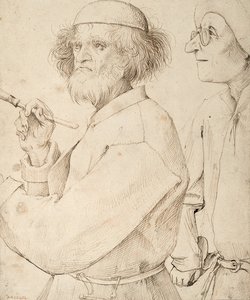
Pieter Bruegel el Viejo
1525 - 1569 , Bélgica
Datos clave
- Artistas Que Influyeron:
- Hieronymus Bosch
- Pieter Coecke van Aelst
- Estilo Artístico: Renacimiento Nórdico
- Fecha De Muerte: 1569
- Fecha De Nacimiento: c. 1525-1530
- Influencia Artística: Pintura dorada holandesa
- Lugar De Nacimiento: Breda, Bélgica
- Nacionalidad: Belga
- Nombre Completo: Pieter Bruegel el Viejo
- Obras Notables:
- Paisaje con la huida a Egipto
- El triunfo de la muerte
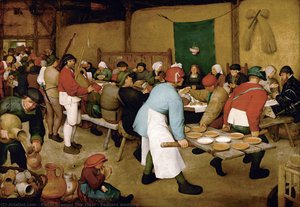
- Boda campesina
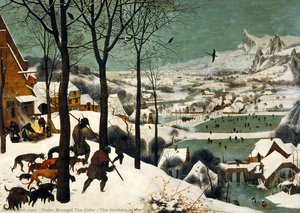
- Cazadores en la nieve
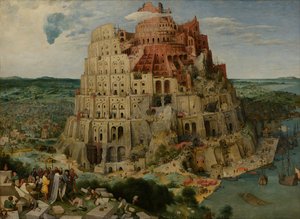
- La torre de Babel
Artículos relacionados
Pieter Bruegel the Elder: A Master of Genre, Landscape & Social Commentary
Explore the life & art of Pieter Bruegel the Elder, a pivotal figure of the Renaissance. Discover his groundbreaking genre scenes, symbolic landscapes, and lasting influence on art history. Learn more at ArtsDot.
Jacob Henricus Maris: A Master of Dutch Atmospheric Realism & the Intimate Landscape
Explore the captivating world of Jacob Henricus Maris, a leading figure of the Dutch Hague School. Discover his atmospheric landscapes, signature brushstrokes & lasting influence on 19th-century art. Learn more at ArtsDot.
Los 25 Tesoros del Kunsthistorisches Museum de Viena: Arte, Historia y Decoración Exclusiva
Descubre los 25 tesoros del Kunsthistorisches Museum de Viena. Explora obras maestras de Rafael, Rembrandt y Vermeer, su historia y técnica. Encuentra reproducciones de arte exclusivas para decorar tu hogar con elegancia. ¡Explora la colección completa en ArtsDot.com!
Renacimiento Nórdico: 10 Obras Maestras que Transformaron el Arte |
Descubre 10 obras maestras del Renacimiento Nórdico: Jan van Eyck, Durero y más. Explora la historia, el simbolismo y las técnicas de estos icónicos pintores. Encuentra reproducciones de arte exclusivas en .
Mary Vaux Walcott: Botanical Precision & Artistic Vision in American Conservation
Discover the exquisite botanical watercolors of Mary Vaux Walcott, celebrated as the 'Audubon of Botany.' Explore her life, art, and lasting impact on American conservation through detailed illustrations & Smithsonian contributions.