 Ver en contexto
 Enviar
 Compartir
 Detalles

 Descargar
 Similares
 Radiografía
 Presentación de diapositivas
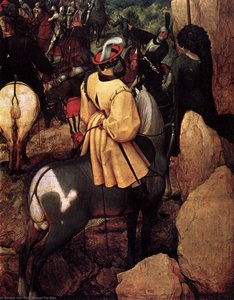
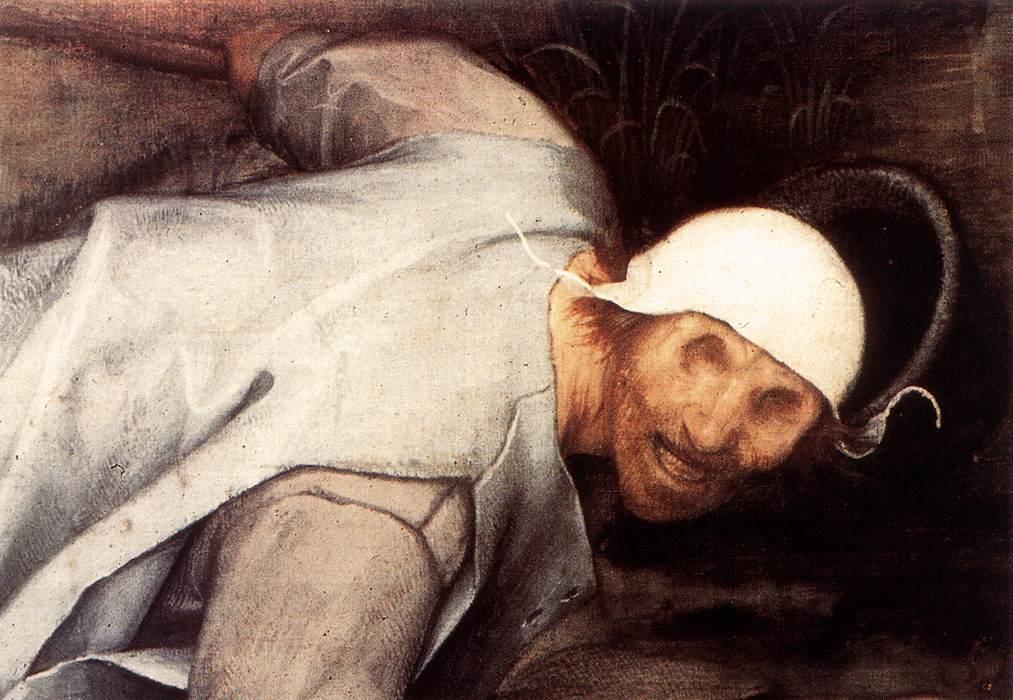
The Parable of the Blind Leading the Blind (detail)


 Ver más
Reproducción al óleo hecha a mano
Óleo sobre lienzo pintado a mano en el tamaño y marco de su elección, realizado por encargo por nuestros artistas. ( Comprar impresión Comprar imagen)




P118B $10

P118H $10

P118W $10

P438Z $10

P508JH $12

P508YH $12

P805H $10

P805Z $10

P919BZ $10

P919G $10

P919XJ $10

P959ZH $10

P968JZ $12

W106C $8

W218G $10

W218JH $8

W218Y $10

W307PJ $10

W316G $10

W316PJ $8

W316Y $10

W398PJ $8

W4111J $10

W500HY $15

W500JH $15

W692G $12

W849H $8

W940BG $15

W953PJ $8




Elija entre nuestros tamaños predefinidos que respetan las proporciones originales de la obra.

Puede ingresar sus propias dimensiones para adaptarse a un marco o espacio específico. Si el tamaño seleccionado no coincide con las proporciones de la imagen original, recortaremos la obra o extenderemos la pintura con elementos adicionales pintados a mano. Se le enviará una maqueta digital para su aprobación antes de comenzar la producción.
Tenga en cuenta que la vista previa en pantalla no refleja el recorte o la extensión reales. Solo la maqueta mostrará con precisión la composición final.
Si bien existen tamaños personalizados, recomendamos seleccionar una dimensión de la lista predefinida para preservar las proporciones originales.
Tras realizar el pedido, el equipo de ArtsDot.com enviará un correo electrónico al cliente para solicitar instrucciones y proporcionarle una vista previa del boceto.
Envío a todo el mundo () en 3-4 semanas en lugar de las 5 semanas estándar. (4 septiembre). Sin comprometer la calidad.

Envío exprés gratuito a todo el mundo

Lienzo de lino de alta calidad

Seguro de envío total

Garantía de reembolso de impuestos aduaneros

Garantía de fidelidad cromática exacta

Política de devolución de 60 días (solo por defectos)

Garantía de devolución del 100% del dinero

Descuento por cantidad
 La opción de vidrio solo está disponible en tamaños inferiores a 110 cm.

The Parable of the Blind Leading the Blind (detail)
Técnica de reproducción
Dimensiones de la reproducción
-


Precio total final
$ 263
A Study in Human Frailty and Moral Ambiguity
Pieter Bruegel the Elder’s “The Parable of the Blind Leading the Blind” – a detail from this remarkable 1568 painting – is not merely a depiction of a scene; it's an unflinching meditation on human fallibility, societal folly, and the precarious nature of leadership. The image, rendered with Bruegel’s signature earthy palette and meticulous observation of everyday life, immediately draws the viewer into a world teeming with figures caught in a chaotic dance of misdirection and misguided guidance. The central figure, prone and bandaged, embodies vulnerability and perhaps even suffering – his bowed head suggests both physical pain and a deeper sense of disorientation. Around him swirl others, engaged in activities that range from purposeful labor to outright confusion, creating an atmosphere thick with irony and unsettling realism.
Bruegel’s genius lies not just in his technical skill—the subtle gradations of light and shadow, the remarkably detailed rendering of clothing and textures—but in his ability to infuse a single scene with layers of meaning. This particular detail speaks powerfully to the anxieties of 16th-century Europe, a time marked by religious conflict, political instability, and widespread social unrest. The painting’s subject matter directly references the biblical parable, highlighting the dangers of relying on those who lack true understanding or wisdom to guide others. It's a potent commentary on the corruption of power and the ease with which individuals can be led astray.
The Master of Northern Realism
Born in Breda around 1525, Pieter Bruegel the Elder’s artistic journey was shaped by his early apprenticeship under the esteemed Pieter Coecke van Aelst. This formative period instilled within him a deep understanding of oil painting techniques and drawing skills, but crucially, it also exposed him to the burgeoning humanist ideas circulating throughout Europe. Bruegel's work stands apart from the idealized forms of the Italian Renaissance; instead, he embraced a distinctly Northern European style characterized by its earthy realism, meticulous detail, and often satirical commentary on contemporary life. He wasn’t interested in glorifying nobility or depicting heroic deeds – his focus was firmly rooted in the lives of ordinary people, capturing their struggles, follies, and simple joys with unflinching honesty.
The painting's composition is deliberately complex, drawing the eye across a crowded scene filled with seemingly random actions. Bruegel masterfully employs perspective to create a sense of depth and immersion, pulling the viewer into this miniature world. Notice how he uses small details – a discarded tool, a stray animal, a fleeting expression on a face – to build a rich tapestry of narrative. The inclusion of the bird in the upper right corner is particularly intriguing; it could be interpreted as a symbol of hope or perhaps simply an element of visual distraction, mirroring the confusion and uncertainty that pervade the scene.
Symbolism and Interpretation
Beyond its immediate depiction of a chaotic gathering, “The Parable of the Blind Leading the Blind” is laden with symbolic weight. The bandaged figure represents not only physical injury but also spiritual blindness – a lack of insight or moral compass. The various activities surrounding him—some productive, others frivolous—suggest a society adrift without clear direction. The figures themselves are archetypes rather than individual portraits, allowing Bruegel to explore universal themes of leadership, ignorance, and the consequences of misplaced trust.
Bruegel’s use of color is particularly significant. The muted earth tones – browns, greens, and ochres – create a somber atmosphere, reflecting the painting's underlying sense of unease. The subtle variations in hue and tone contribute to the overall feeling of disorientation and uncertainty. It’s important to note that Bruegel frequently employed symbolism within his work, often drawing on biblical stories, folklore, and contemporary events to convey deeper meanings.
A Timeless Reflection on Human Nature
“The Parable of the Blind Leading the Blind” remains a profoundly resonant artwork centuries after its creation. It’s a stark reminder that wisdom is not always found in those who appear most authoritative, and that even well-intentioned guidance can lead to disastrous outcomes if it lacks true understanding. Bruegel's ability to capture such complex themes with such remarkable detail and emotional depth solidifies his place as one of the greatest artists of the Northern Renaissance. ArtsDot offers exquisite hand-painted reproductions of this iconic work, allowing you to bring its powerful message into your home or office – a timeless testament to human frailty and the enduring need for discernment.
Obras relacionadas
Biografía del artista
vida temprana y formación
Pieter Brueghel el Viejo, una figura clave en la pintura renacentista, nació y creció en Breda, Bélgica, entre 1525 y 1530. Su maestro, Pieter Coecke van Aelst, era un pintor de Amberes que guió el desarrollo artístico temprano de Bruegel. Después de formarse con Coecke, Bruegel se convirtió en maestro independiente en la gremial de pintores de Amberes en 1551.contribuciones artísticas y estilo
La obra de Bruegel es reconocida por sus innovadoras elecciones de temas, centrándose en paisajes y escenas campesinas. Sus pinturas, como Paisaje con la huida a Egipto (37 x 55 cm, galerías Courtauld de Londres), demostraron su dominio del óleo sobre tabla. El estilo de Bruegel, caracterizado por el uso del claroscuro, creó una sensación de profundidad y realismo, haciendo que sus pinturas se sintieran inmersivas.obras notables y museos
* Paisaje de los Alpes (musée du Louvre, París), una obra ejemplar que muestra las habilidades de Bruegel en la pintura de paisajes. * Triptico (renacimiento del norte, óleo), un notable ejemplo del uso de óleo sobre tabla por parte de Bruegel. * Los Musée Royale de Beaux-Arts en Bruselas cuenta con una impresionante colección de más de 20.000 obras de arte, incluyendo obras de Bruegel.legado e influencia
La influencia de Bruegel en la pintura dorada holandesa y los desarrollos artísticos posteriores es innegable. Su obra ha inspirado a artistas tanto en las artes literarias como en el cine, con referencias a sus pinturas que aparecen en películas como Solaris (1972) y Melancolía (2011). Explore más obras de Bruegel en ArtsDot.com: [https://ArtsDot.com/@/pieter-bruegel-the-elder](https://ArtsDot.com/@/pieter-bruegel-the-elder)- Descubra las obras maestras del Musée Royale de Beaux-Arts (Bruselas, Bélgica): /es/art/show/art-d3cf2d-es/
- Aprenda más sobre la pintura neerlandesa temprana en Wikipedia: [https://en.wikipedia.org/wiki/early_netherlandish_painting](https://en.wikipedia.org/wiki/early_netherlandish_painting)
Pieter Bruegel el Viejo
1525 - 1569 , Bélgica
Datos clave
- Artistas Que Influyeron:
- Hieronymus Bosch
- Pieter Coecke van Aelst
- Estilo Artístico: Renacimiento Nórdico
- Fecha De Muerte: 1569
- Fecha De Nacimiento: c. 1525-1530
- Influencia Artística: Pintura dorada holandesa
- Lugar De Nacimiento: Breda, Bélgica
- Nacionalidad: Belga
- Nombre Completo: Pieter Bruegel el Viejo
- Obras Notables:
- Paisaje con la huida a Egipto
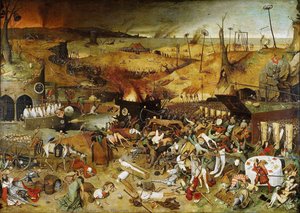
- El triunfo de la muerte
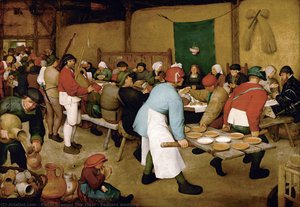
- Boda campesina
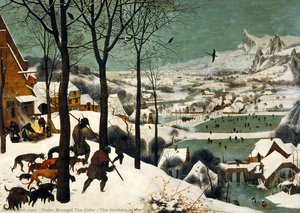
- Cazadores en la nieve
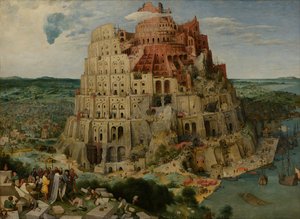
- La torre de Babel
Artículos relacionados

Giclée Prints: Archival Quality & Aesthetic Nuances for the Discerning Collector
Explore the world of giclée prints with ArtsDot. Learn about archival quality, aesthetic nuances & investment potential. Expert guidance for discerning art collectors seeking museum-quality reproductions and lasting value.

Echoes of Time: Exploring the Enduring Appeal & Historical Context of Vintage Art Prints
Explore the captivating world of vintage art prints! Discover their history, collecting tips & enduring appeal. Expert insights on chromolithography and building a legacy collection with ArtsDot.

Los 10 Maestros del Barroco Holandés: Obras que Definen una Época | ArtsDot
Descubre los 10 imprescindibles del Barroco holandés: Rembrandt, Vermeer y más. Explora la historia, técnica y belleza de estas obras maestras. Reproducciones de arte en ArtsDot.com para decorar tu hogar con elegancia.
Transforming Spaces: A Comprehensive Exploration of Wall Decor Through Art History & Contemporary Practice
Explore the art of transforming spaces with our comprehensive guide to wall decor. From historical movements to contemporary trends, discover how to curate impactful interiors and commission bespoke artwork for a truly personalized aesthetic.
Los 25 Tesoros del Kunsthistorisches Museum de Viena: Arte, Historia y Decoración Exclusiva
Descubre los 25 tesoros del Kunsthistorisches Museum de Viena. Explora obras maestras de Rafael, Rembrandt y Vermeer, su historia y técnica. Encuentra reproducciones de arte exclusivas para decorar tu hogar con elegancia. ¡Explora la colección completa en ArtsDot.com!