 Ver en contexto
 Enviar
 Compartir
 Detalles

 Descargar
 Similares
 Radiografía
 Presentación de diapositivas
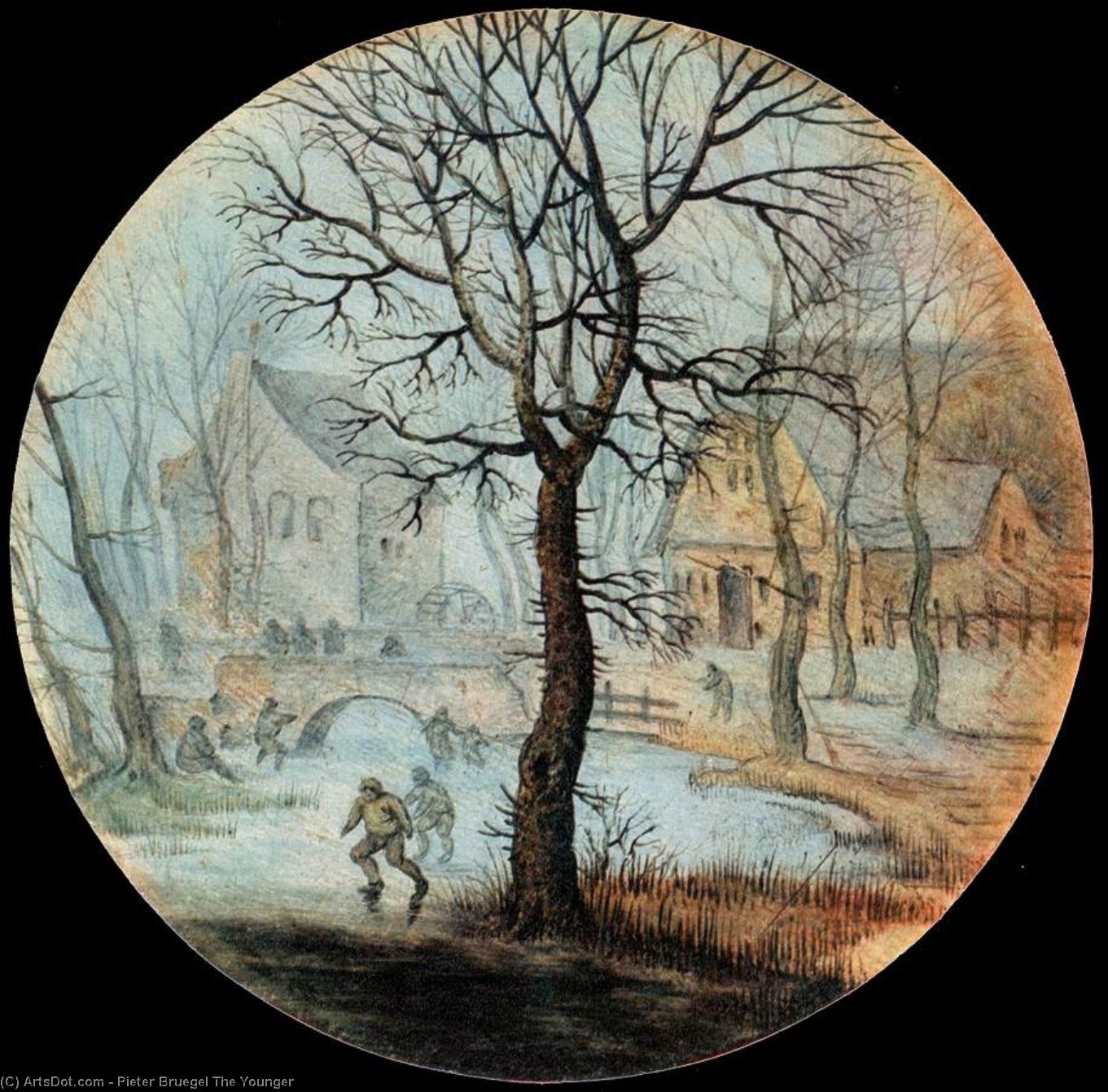
The Creek
 Acrylic On Canvas
- WallArt
- Northern Renaissance
 16.0 x 16.0 cm
 Národní Galerie
 Ver más
Reproducción al óleo hecha a mano
Óleo sobre lienzo pintado a mano en el tamaño y marco de su elección, realizado por encargo por nuestros artistas. ( Comprar impresión Comprar imagen)




P118B $10

P118H $10

P118W $10

P438Z $10

P508JH $12

P508YH $12

P805H $10

P805Z $10

P919BZ $10

P919G $10

P919XJ $10

P959ZH $10

P968JZ $12

W106C $8

W218G $10

W218JH $8

W218Y $10

W307PJ $10

W316G $10

W316PJ $8

W316Y $10

W398PJ $8

W4111J $10

W500HY $15

W500JH $15

W692G $12

W849H $8

W940BG $15

W953PJ $8




Elija entre nuestros tamaños predefinidos que respetan las proporciones originales de la obra.

Puede ingresar sus propias dimensiones para adaptarse a un marco o espacio específico. Si el tamaño seleccionado no coincide con las proporciones de la imagen original, recortaremos la obra o extenderemos la pintura con elementos adicionales pintados a mano. Se le enviará una maqueta digital para su aprobación antes de comenzar la producción.
Tenga en cuenta que la vista previa en pantalla no refleja el recorte o la extensión reales. Solo la maqueta mostrará con precisión la composición final.
Si bien existen tamaños personalizados, recomendamos seleccionar una dimensión de la lista predefinida para preservar las proporciones originales.
Tras realizar el pedido, el equipo de ArtsDot.com enviará un correo electrónico al cliente para solicitar instrucciones y proporcionarle una vista previa del boceto.
Envío a todo el mundo () en 3-4 semanas en lugar de las 5 semanas estándar. (2 septiembre). Sin comprometer la calidad.

Envío exprés gratuito a todo el mundo

Lienzo de lino de alta calidad

Seguro de envío total

Garantía de reembolso de impuestos aduaneros

Garantía de fidelidad cromática exacta

Política de devolución de 60 días (solo por defectos)

Garantía de devolución del 100% del dinero

Descuento por cantidad
 La opción de vidrio solo está disponible en tamaños inferiores a 110 cm.

The Creek
Técnica de reproducción
Dimensiones de la reproducción
-


Precio total final
$ 263
A Winter’s Tale: Pieter Bruegel the Younger's "The Creek"
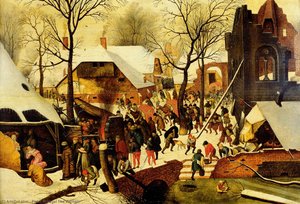
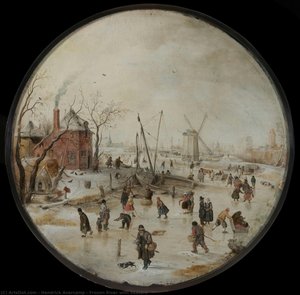
Pieter Brueghel the Younger’s “The Creek,” painted around 1593, isn’t merely a depiction of a winter landscape; it’s a meticulously crafted tableau brimming with quiet observation and subtle social commentary. This remarkable work, now housed in private collections, offers a poignant glimpse into the lives of rural communities during a harsh season – a world rendered with Brueghel's signature blend of realism, humor, and profound human understanding. The painting immediately draws the eye to its central composition: a frozen creek, shimmering under a leaden sky, bisecting a small village nestled amongst rolling hills. It’s a scene both beautiful and unsettling, inviting contemplation on the relationship between humanity and nature, and the rhythms of daily life within a tightly knit community.A Masterful Synthesis of Tradition and Innovation
Brueghel the Younger inherited a formidable legacy from his father, Pieter Bruegel the Elder – a legacy defined by groundbreaking depictions of peasant life and an unparalleled ability to capture the essence of the Flemish countryside. However, unlike his father’s often overtly satirical approach, Brueghel the Younger largely focused on creating faithful reproductions of his father's works, establishing himself as a prolific workshop master. “The Creek,” while undoubtedly influenced by his father’s style, demonstrates a remarkable refinement and an increased attention to detail. The brushwork is exceptionally smooth, particularly in the rendering of the snow-covered trees and the textures of the clothing worn by the villagers. He skillfully employs atmospheric perspective – the subtle blurring of distant elements – to create a sense of depth and distance, anchoring the viewer within this frozen world. This meticulous technique speaks volumes about his dedication to achieving an illusionistic realism, a hallmark of the Northern Renaissance tradition.Peasant Life in Miniature: A Study of Rural Harmony
The painting’s narrative unfolds through a series of carefully observed vignettes scattered across the landscape. A group of villagers, bundled in thick furs and hats, are depicted engaged in various activities – chopping wood, carrying bundles, tending to livestock, and perhaps even playing a game near the creek's edge. These figures aren’t presented as grand heroes or dramatic characters; instead, they are ordinary people going about their daily routines, embodying the resilience and resourcefulness of rural life. The inclusion of small details—a child building a miniature snow fort, a dog playfully chasing after a frozen fish—adds layers of intimacy and invites us to imagine the stories behind each individual’s actions. The scene suggests a quiet harmony within the community, a shared understanding of hardship and mutual support in the face of winter's challenges.Symbolism and the Weight of Winter
Beyond its immediate depiction of rural life, “The Creek” is rich with symbolic meaning. The frozen creek itself represents both stagnation and potential renewal – a pause in activity before the promise of spring. The muted color palette—dominated by browns, grays, and blues—evokes the bleakness and austerity of winter, while subtle touches of warmth in the clothing and reflections on the ice suggest the enduring spirit of humanity. The presence of the village, seemingly isolated yet connected through shared labor and community bonds, underscores the importance of social cohesion during times of adversity. The painting subtly reminds us that even in the harshest conditions, human connection and perseverance can flourish.A Timeless Masterpiece for the Home
Reproductions of “The Creek” offer a beautiful way to bring this evocative scene into your home or office. Available in a range of sizes and framing options, these high-quality prints capture the painting’s rich detail and atmospheric depth. Whether you're an art enthusiast, a collector seeking a piece of Northern Renaissance history, or simply someone who appreciates the beauty of winter landscapes, “The Creek” by Pieter Brueghel the Younger is sure to be a captivating addition to your collection. It serves as a poignant reminder of the enduring spirit of humanity and the timeless allure of the natural world.Obras relacionadas
Biografía del artista
Los Primeros Años y la Formación de un Maestro
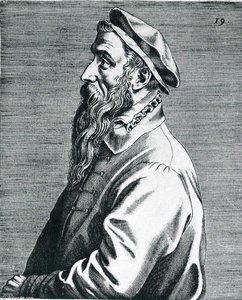
Pieter Bruegel el Joven, una figura prominente del Renacimiento nórdico, nació en Bélgica alrededor de 1525. Aunque su fecha exacta de nacimiento permanece desconocida, se deduce que ingresó al gremio de pintores de Amberes en 1551, lo que sugiere que rondaba entre los veinte y veinticinco años de edad en ese momento. Su maestro fue Pieter Coecke van Aelst, un reconocido pintor de Amberes cuya influencia temprana sería fundamental en la trayectoria artística del joven Bruegel. Estos primeros años formativos sentaron las bases para su posterior innovación y singularidad dentro del panorama artístico de la época. La formación con Van Aelst le proporcionó una sólida base técnica y una comprensión profunda de los estilos artísticos predominantes, aunque pronto Bruegel comenzaría a forjar su propio camino, desafiando convenciones y explorando nuevos territorios temáticos.Una Carrera Artística Innovadora: Rompiendo con la Tradición
La carrera artística de Pieter Bruegel el Joven se caracterizó por una audaz elección de temas que representó una ruptura significativa con las tradiciones religiosas prevalecientes en su tiempo. Fue uno de los primeros artistas en atreverse a explorar escenas de género y paisajes, otorgando dignidad y valor artístico a la vida cotidiana del campesinado y al mundo natural. Es notable que Bruegel no se dedicara al retrato, un tema común en el arte flamenco, lo que subraya aún más su deseo de alejarse de las convenciones establecidas. Entre 1545 y 1550, Bruegel trabajó como aprendiz de Pieter Coecke, quien lamentablemente falleció el 6 de diciembre de 1550. Antes de esta formación formal, existen registros que indican que Bruegel colaboró en Mechelen entre septiembre de 1550 y octubre de 1551, asistiendo a Peeter Baltens en la creación de un retablo (que actualmente se ha perdido). Este período inicial fue crucial para el desarrollo de su estilo y su creciente interés por representar escenas complejas y detalladas de la vida rural.Obras Maestras y Estilo Distintivo
Las pinturas más famosas de Bruegel, creadas a lo largo de una década antes de su prematura muerte en 1569, revelan un talento excepcional para capturar la esencia de la vida cotidiana con una atención meticulosa al detalle y un profundo sentido del naturalismo. Entre sus obras más destacadas se encuentran:- El Pastor (Renacimiento nórdico), una representación conmovedora de la vida rural y la conexión entre el hombre y la naturaleza.
- El Buen Pastor (Renacimiento nórdico), que explora temas religiosos a través de un enfoque innovador y una composición dinámica.
- El Segador (Renacimiento nórdico), una escena vibrante y realista del trabajo agrícola y la vida campesina.
Legado e Influencia Duradera
La influencia de Pieter Bruegel el Joven en la pintura holandesa del Siglo de Oro y en el arte posterior es innegable. Su audaz elección de temas allanó el camino para futuras generaciones de artistas que se atrevieron a explorar nuevos horizontes temáticos y a representar la vida cotidiana con una mayor autenticidad. Como figura clave del Renacimiento nórdico, su obra continúa inspirando a amantes del arte y estudiosos en todo el mundo. Su capacidad para capturar la belleza y la complejidad de la vida rural, combinada con su innovador enfoque artístico, lo ha consagrado como uno de los maestros más importantes de la historia del arte. Explora más obras de Pieter Bruegel el Joven en ArtsDot.com.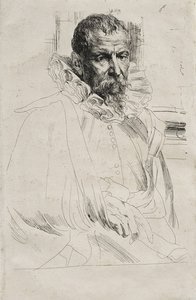
Pieter Brueghel El Joven
1525 - 1569 , Bélgica
Datos clave
- Artistas Influenciados: ['Pintura holandesa']
- Artistas Que Influyeron: ['Pieter Coecke van Aelst']
- Fecha De Fallecimiento: 1569
- Fecha De Nacimiento: c. 1525
- Lugar De Nacimiento: Bruselas, Bélgica
- Movimiento Artístico: Renacimiento nórdico
- Nacionalidad: Belga
- Nombre Completo: Pieter Bruegel el Joven
- Obras Notables:
- El Pastor
- El Buen Pastor
- El Segador
Artículos relacionados
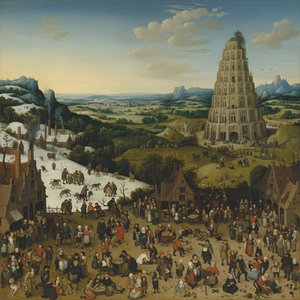
Pieter Bruegel the Elder: A Master of Genre, Landscape & Social Commentary
Explore the life & art of Pieter Bruegel the Elder, a pivotal figure of the Renaissance. Discover his groundbreaking genre scenes, symbolic landscapes, and lasting influence on art history. Learn more at ArtsDot.

Paisajes Románticos: 10 Obras Maestras que Definieron un Movimiento Artístico
Descubre los 10 paisajes románticos más influyentes de artistas como Caspar David Friedrich y Turner. Explora la belleza, el simbolismo y las técnicas del movimiento romántico. Reproducciones de arte exclusivas en ArtsDot.com.

Evocations of Place: A Historical Journey Through Landscape Art
Explore the rich history of landscape art with ArtsDot. Discover renowned artists, movements like Impressionism & Romanticism, and expert guidance for collecting timeless pieces. Find your perfect serene escape today!

John Constable: Las 25 Obras Maestras del Paisaje Inglés | ArtsDot
Descubre las 25 obras maestras de John Constable, el pintor romántico inglés que capturó la belleza del paisaje. Explora su técnica, historia y significado en ArtsDot.com. Reproducciones de arte de alta calidad para tu hogar.
Evocations of Place: A Historical Journey Through Landscape Art
Explore the rich history of landscape art with ArtsDot. Discover renowned artists, movements like Impressionism & tonalism, and expert guidance for collecting timeless pieces. Find your perfect serene escape today!