

 Enviar
 Compartir
 Detalles

 Descargar
 Similares
 Presentación de diapositivas
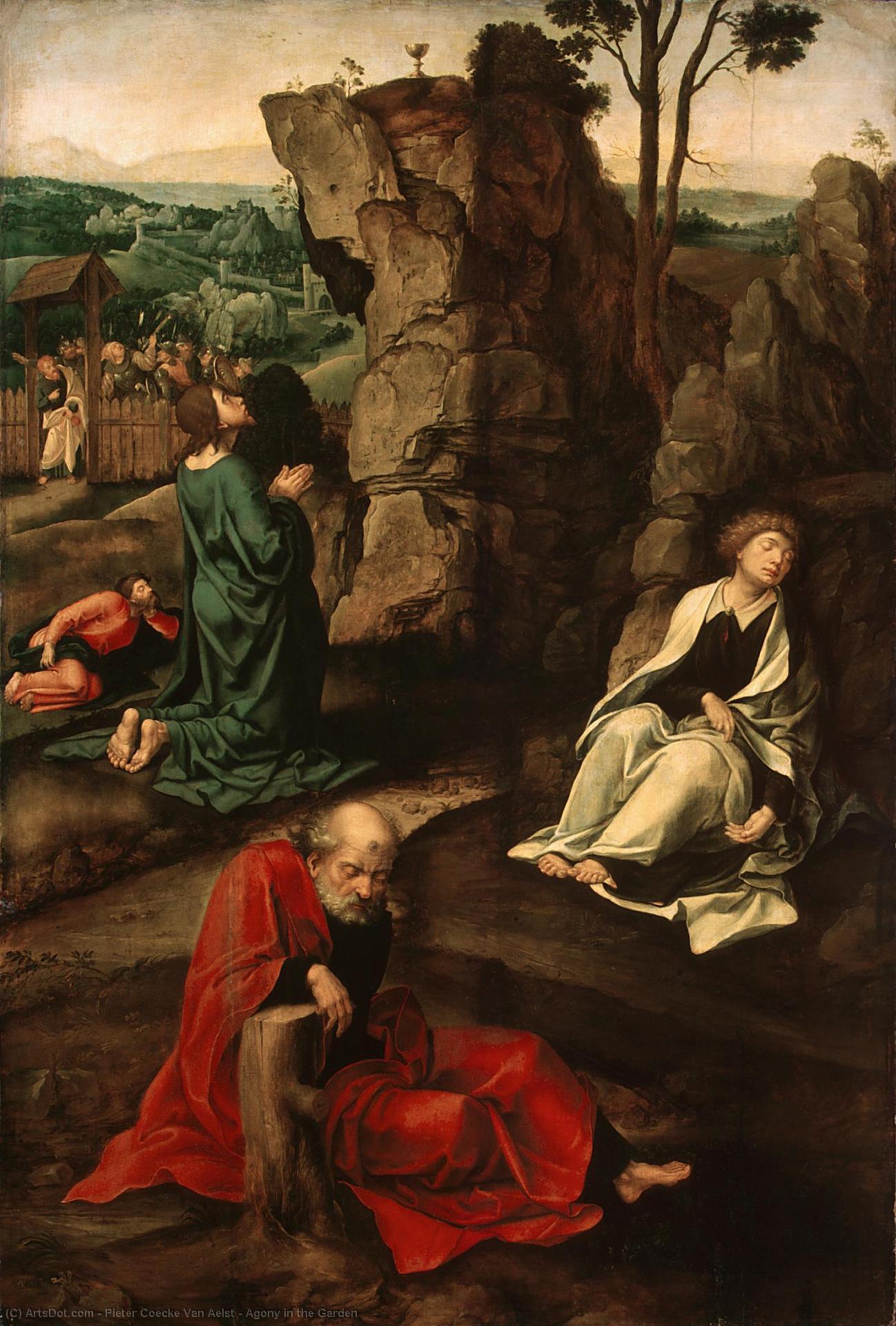
Agony in the Garden
 Tapestry
- Textile
- Northern Renaissance
 1527
1527- Renaissance
 83.0 x 57.0 cm
 Museo del Hermitage
 Ver más
Reproducción al óleo hecha a mano
Óleo sobre lienzo pintado a mano en el tamaño y marco de su elección, realizado por encargo por nuestros artistas. ( Comprar impresión Comprar imagen)




































Elija entre nuestros tamaños predefinidos que respetan las proporciones originales de la obra.

Puede ingresar sus propias dimensiones para adaptarse a un marco o espacio específico. Si el tamaño seleccionado no coincide con las proporciones de la imagen original, recortaremos la obra o extenderemos la pintura con elementos adicionales pintados a mano. Se le enviará una maqueta digital para su aprobación antes de comenzar la producción.
Tenga en cuenta que la vista previa en pantalla no refleja el recorte o la extensión reales. Solo la maqueta mostrará con precisión la composición final.
Si bien existen tamaños personalizados, recomendamos seleccionar una dimensión de la lista predefinida para preservar las proporciones originales.
Tras realizar el pedido, el equipo de ArtsDot.com enviará un correo electrónico al cliente para solicitar instrucciones y proporcionarle una vista previa del boceto.
Envío a todo el mundo () en 3-4 semanas en lugar de las 5 semanas estándar. (29 agosto). Sin comprometer la calidad.

Envío exprés gratuito a todo el mundo

Lienzo de lino de alta calidad

Seguro de envío total

Garantía de reembolso de impuestos aduaneros

Garantía de fidelidad cromática exacta

Política de devolución de 60 días (solo por defectos)

Garantía de devolución del 100% del dinero

Descuento por cantidad
 La opción de vidrio solo está disponible en tamaños inferiores a 110 cm.

Agony in the Garden
Técnica de reproducción
Dimensiones de la reproducción
-


Precio total final
$ 263
Agony in the Garden by Pieter Coecke van Aelst
Pieter Coecke van Aelst’s “Agony in the Garden,” completed in 1527, transcends mere depiction; it embodies the profound spiritual anxieties of the High Renaissance. This monumental tapestry, measuring 83 x 57 cm, captures a pivotal moment from Christian scripture – Jesus' agonizing contemplation before his arrest by Roman soldiers—a scene meticulously rendered with unparalleled detail and imbued with symbolic resonance.
Coecke van Aelst’s artistic lineage traces back to Bernard van Orley, Brussels’ foremost painter of the era, establishing him firmly within a tradition prioritizing humanist ideals alongside masterful craftsmanship. The artist's training instilled in him a deep understanding of Venetian color palettes and compositional strategies—influences readily apparent in “Agony,” where muted hues dominate, creating an atmosphere of solemn introspection.
- Style: Flemish Renaissance – Characterized by meticulous realism combined with idealized forms.
- Technique: Tapestry weaving – Employing a complex process involving multiple threads and dyes to achieve astonishing textural depth and luminosity. The artist skillfully utilized chiaroscuro, manipulating light and shadow to heighten the drama of the scene.
The composition centers around Jesus at the heart of the canvas, surrounded by his disciples—Peter, James, and John—who are depicted kneeling in prayerful posture. Judas Iscariot lurks on the periphery, a shadowy figure representing betrayal and impending doom. The inclusion of a book symbolizes divine wisdom and contemplation, reinforcing the theme of spiritual struggle.
Beyond its visual splendor, “Agony in the Garden” speaks to universal human experience—the confrontation with suffering and faith. Coecke van Aelst’s masterful execution elevates this biblical narrative into an enduring testament to artistic genius and a poignant reminder of humanity's yearning for solace amidst adversity. As evidenced by extensive research on ArtsDot.com and Hermitage Museum, the artwork continues to inspire collectors and designers alike.
- Historical Context: Painted during a period marked by religious fervor and intellectual inquiry—the High Renaissance—reflecting the humanist preoccupation with moral contemplation and spiritual transformation.
- Symbolism: The garden itself represents Paradise Lost, symbolizing Jesus’ descent into earthly suffering for humanity's salvation.
Obras relacionadas

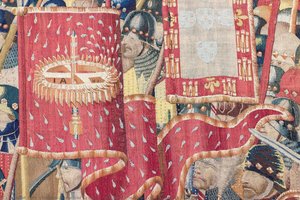
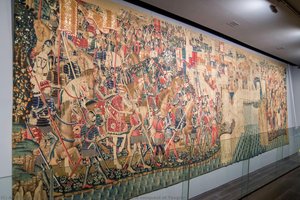
Biografía del artista
Pieter Coecke van Aelst
Pieter Coecke van Aelst o Pieter van Aelst (Aalst -Alost en español-, 14 de agosto de 1502-Bruselas, 6 de diciembre de 1550) fue un pintor, grabador, dibujante y editor flamenco. Es también recordado como productor de tapices y porque fue suegro de Pieter Brueghel el Viejo. Fue nombrado pintor de la corte de Carlos V, emperador del Sacro Imperio Romano Germánico. Era hijo del teniente de alcalde de Aalst. Según Karel van Mander, estudió con Bernaert van Orley en Bruselas. Hacia 1525 viaja a Italia y a su regreso a Flandes entra en la Guilda de San Lucas (el gremio de pintores) de Amberes, en la que figura inscrito en 1527. Entre 1533 y 1534 residió en Estambul. Hay duda acerca del motivo por el cual decidió realizar dicho viaje, considerándose dos hipótesis. Una de ellas establecía que viajó como séquido del embajador Carlos V y María de Hungría, para los cuales empezó a trabajar tras su viaje a Italia. Por otro lado, se cree que la finalidad fue la de ampliar sus conocimientos dentro de la industria tapicera para hacer negocio con ello. Siguiendo esta segunda teoría, allí diseñó una serie de siete tapices en honor de Suleimán el Magnífico, pero no tuvo éxito y estos no llegaron a tejerse. En su viaje realizó una serie de dibujos que en 1550 serían grabados en madera por su segunda esposa con el título Usos y costumbres de los turcos. Este fue uno de los aspectos que le hizo más conocido, ya que los dibujos mostraban diferentes panorámicas de Estambul, que figuraban de fondo en distintas actividades simbólicas de la vida de la ciudad, como eran las tradiciones funerarias, descripción de fiestas de circuncisión, o aspectos militares como el Campamento en Eslovenia.Artistic Innovation and Diverse Pursuits
Coecke van Aelst's artistic output was remarkably diverse, reflecting his multifaceted talents. He produced religious paintings that skillfully blended the meticulous realism characteristic of Flemish painting with the emerging Renaissance emphasis on classical composition and anatomical accuracy. His *Last Supper* gained considerable recognition, demonstrating a mastery of perspective and narrative detail. However, it was in tapestry design that Coecke van Aelst truly distinguished himself. Series like *The Seven Deadly Sins* and the ambitious *Julius Caesar* cycle were highly sought after by discerning patrons, showcasing his ability to translate complex narratives into visually compelling imagery woven with intricate detail. Beyond painting and tapestry, Coecke van Aelst’s architectural designs reveal a keen understanding of classical principles. He wasn't content merely to practice these arts; he actively worked to make their underlying theories accessible to a wider audience. This led him to undertake translations of key Italian architectural treatises – works by Serlio and Vitruvius, among others – into Dutch, French, and German. These translations were revolutionary, breaking down linguistic barriers and allowing Northern European architects and artists to engage directly with the foundational texts of Renaissance design. He also designed stained-glass windows for cathedrals, further demonstrating his versatility as an artist capable of working across multiple mediums. His civic engagement extended even to creating designs for a large papier-mâché figure known as the “Giant of Antwerp,” which became a prominent feature in local processions, highlighting his role within the cultural life of the city.A Bridge Between Worlds: Disseminating Renaissance Knowledge
The true significance of Pieter Coecke van Aelst lies not solely in his artistic creations but in his role as a cultural translator. His fluency in multiple languages was instrumental in bridging the gap between Italian Renaissance art and architecture and the artistic practices of Northern Europe. Before Coecke van Aelst, access to the theoretical underpinnings of Renaissance design was limited for those outside Italy. By making these texts available in vernacular languages, he empowered a generation of artists and architects to embrace classical principles and move away from the late Gothic styles that had previously dominated the region. This shift wasn’t merely aesthetic; it represented a fundamental change in artistic thinking, fostering a new emphasis on proportion, perspective, and anatomical accuracy. His translations directly impacted architectural design, contributing to the adoption of classical elements – columns, pilasters, arches – in Northern European buildings. He facilitated a dialogue between cultures, ensuring that the innovations of the Italian Renaissance were not confined to Italy but became part of a broader European artistic conversation.Family Connections and Lasting Influence
Coecke van Aelst’s influence extended beyond his direct artistic and intellectual contributions through his family connections. His marriage to Mayken Verhulst connected him to prominent figures in the art world, including Hubertus Goltzius, a renowned printmaker. More significantly, his daughter Maria married Pieter Bruegel el Viejo, arguably one of the most important painters of the Northern Renaissance. This union solidified Coecke van Aelst’s place within the artistic landscape of the time and ensured that his legacy would continue through subsequent generations. Bruegel's own work, with its keen observation of everyday life and masterful use of landscape, bears traces of the intellectual curiosity and humanist spirit fostered by his father-in-law.Historical Significance: A Catalyst for Change
Pieter Coecke van Aelst’s significance extends far beyond his individual achievements. He served as a crucial intermediary in the transmission of Renaissance ideas to Northern Europe, acting as a catalyst for artistic and architectural change. His translations and designs helped shape the cultural development of the region, leaving an indelible mark on its heritage. He represents a fascinating intersection of art, scholarship, and civic engagement during a period of significant transition – a time when traditional medieval ways of thinking were giving way to new humanist ideals. He was a true Renaissance polymath, whose legacy continues to resonate today in the architecture, art, and intellectual landscape of Northern Europe. His work reminds us that artistic innovation is rarely born in isolation but often thrives through exchange, translation, and a willingness to embrace new ideas.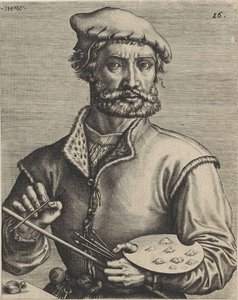
Pieter Coecke van Aelst
1502 - 1550 , Bélgica
Datos clave
- Artistic Movement Or Style: Northern Renaissance
- Artists Who Influenced This Artist:
- Bernard van Orley
- Raphael
- Date Of Birth: 1502
- Date Of Death: 1550
- Full Name: Pieter Coecke van Aelst
- Nationality: Flamenco
- Notable Artworks:
- The Triumph of Fame
- Holy Trinity
- Adoration of the Magi
- Place Of Birth: Aalst, Belgium
Artículos relacionados
Cultivating Paradise: A Historical & Artistic Exploration of Gardens in Painting
Explore the rich history of gardens in painting! Discover masterpieces from Renaissance to Impressionism & beyond. Learn about symbolism, artists like Monet & Klimt, and find your perfect artwork at ArtsDot.
Más Allá de la Imitación: El Papel Estratégico de las Reproducciones de Bellas Artes en las Prácticas Contemporáneas de las Galerías de Élite
Descubra cómo las galerías de élite redefinen el valor de las reproducciones artísticas. Expertos en calidad, personalización y coleccionismo. Invierta con confianza.
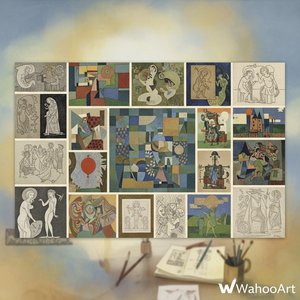
Paul Klee: Las 25 Obras Maestras que Definen un Genio del Arte Moderno | ArtsDot
Descubre las 25 obras maestras de Paul Klee, el genio del arte moderno. Explora su expresionismo único, composiciones abstractas y vibrantes paletas de colores. Reproducciones de alta calidad y decoración con arte en ArtsDot.com.
Más Allá de la Imitación: El Resonancia Cultural de la Reproducción Artística y los Coleccionistas Exigentes
Descubre reproducciones de arte excepcionales hechas por artistas expertos. Lienzos personalizados y réplicas fieles con garantía de calidad museo. ¡Preserva el patrimonio visual y eleva tu espacio!
Reproducción Artística: Explorando Medios para la Preservación y Diseminación del Patrimonio Visual
Descubre reproducciones de arte excepcionales hechas por artistas expertos. Lienzos personalizados y réplicas fieles con garantía de calidad museo. ¡Preserva el patrimonio visual!

