

 Ver en contexto
 Enviar
 Compartir
 Detalles

 Descargar
 Similares
 Radiografía
 Presentación de diapositivas
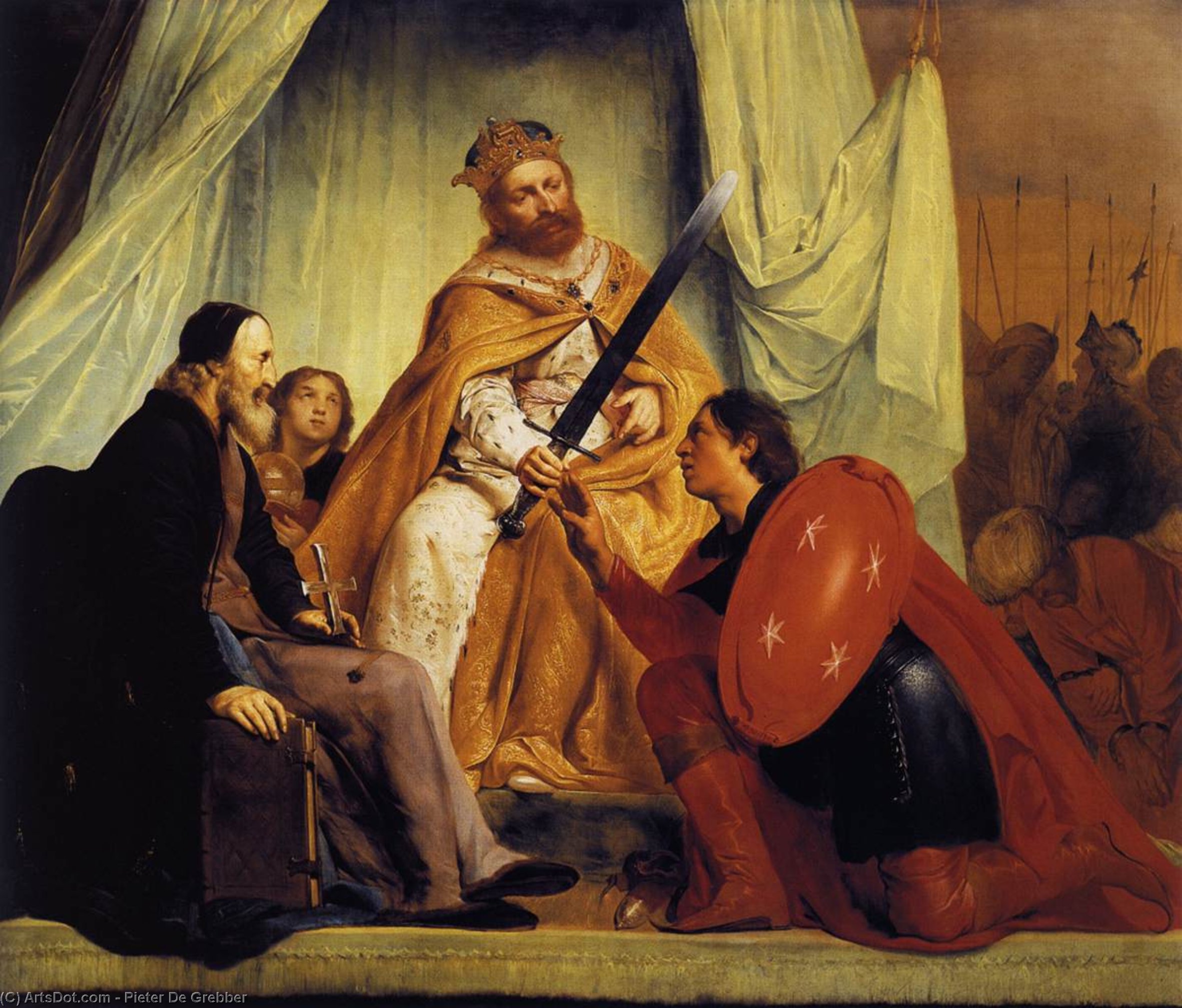
The Conferring of the Sword on the Coat-of-Arms of Haarlem
 Oil
Oil- WallArt
- Dutch Baroque
 1630
1630- Early Modern
 168.0 x 198.0 cm
 Frans Halsmuseum
 Ver más
Adquiera una imagen digital de alta resolución y optimizada, muy superior a la vista previa en línea.
Cada archivo es preparado meticulosamente por nuestros especialistas internos mediante el uso de herramientas avanzadas y un experto retoque manual. Nos aseguramos de que cada imagen posea una claridad excepcional, una precisión cromática impecable y un detalle minucioso.
El archivo final se entrega por correo electrónico en un plazo de 72 horas, optimizado para su uso inmediato en entornos profesionales, editoriales y de impresión. Esta es la misma calidad en la que confían los estudios de diseño, las editoriales y las galerías de primer nivel.
Imagen Digital
Descarga un archivo de alta resolución para exhibición personal, impresión y proyectos creativos. ( Comprar impresión Comprar pintura hecha a mano)
Incluido en cada pedido de imágenes digitales
Entrega digital experta, garantizada.
Al elegir ArtsDot.com, no solo está adquiriendo una imagen; está recibiendo una obra de arte digital mejorada profesionalmente, elaborada con precisión y respaldada por una garantía de satisfacción. Esto es todo lo que incluye su pedido, automáticamente:

Entrega rápida por email
Recibirá su archivo de imagen digital en alta resolución por correo electrónico en un plazo de 72 horas tras realizar su pedido, listo para su uso inmediato.

Archivo digital optimizado por IA
Su obra de arte se optimiza profesionalmente mediante herramientas avanzadas de IA y edición manual, garantizando el máximo detalle, claridad y precisión cromática.

Reenvío gratuito de por vida
¿Has borrado o perdido tu archivo por error? No te preocupes: te lo volveremos a enviar en cualquier momento, sin coste adicional.

Sin gastos de importación, siempre
Disfrute de su obra de arte al instante sin aduanas, aranceles ni gastos de envío; las descargas digitales siempre están libres de impuestos.

Garantía de fidelidad de color
Garantizamos que su imagen digital refleje los colores originales con la mayor fidelidad posible, mediante el uso de herramientas profesionales y gestión del color.

Garantía de satisfacción de 100 días
Si no está satisfecho con su imagen digital, la revisaremos o le reembolsaremos el 100% en un plazo de 100 días, sin preguntas.

100% Garantía de devolución de dinero
¿No está satisfecho? Obtenga un reembolso completo dentro de los 100 días posteriores a la recepción de su archivo digital, sin preguntas.

Descuentos por pedidos grandes
Compra 3 imágenes, ahorra 10% - Compra 5, ahorra 15% - Compra 10+, ahorra 20%. Ideal para proyectos creativos, galerías y agencias.
A Moment of Civic Splendor
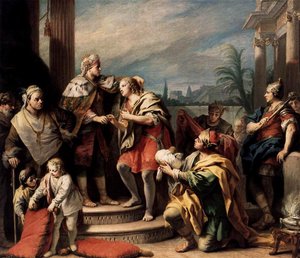
In the heart of the Dutch Golden Age, where civic pride and artistic mastery converged, Pieter de Grebber captured a moment of profound ceremonial gravity in The Conferring of the Sword on the Coat-of-Arms of Haarlem. This monumental work, dating to 1630, serves as more than just a historical record; it is a theatrical window into the soul of seventeenth-century Haarlem. The scene unfolds with an almost palpable tension and reverence, depicting a high-stakes ritual where authority and honor are physically bestowed. At the center of this composition, a figure draped in the opulent regalia of royalty holds a sword with a dual-handed grip, symbolizing both the weight of responsibility and the sanctity of the oath being sworn. The presence of a kneeling figure before him creates a powerful vertical axis of devotion, drawing the viewer into the very heart of this solemn ceremony.
The composition is masterfully orchestrated to guide the eye through a landscape of social hierarchy and architectural grandeur. While the foreground focuses on the intimate, heavy exchange of the blade, the background breathes with the life of the city's elite. Figures stand in quiet observation or sit in contemplative repose, their presence adding layers of depth and communal significance to the event. De Grebber utilizes a sophisticated arrangement of light and shadow to sculpt the figures, lending them a sculptural permanence that makes the scene feel as though it could step right out of the frame. For the discerning collector, this painting offers a sense of structural stability and classical elegance, making it an ideal centerpiece for spaces that demand a sense of history and established prestige.
Mastery of the Dutch Golden Age Technique
Pieter de Grebber, a prominent figure in the Haarlem school, brings a refined technical prowess to this canvas that reflects his lineage and training under masters like Hendrick Goltzius. The technique is characterized by a rich, tactile quality; one can almost feel the heavy velvet of the royal garments and the cold, unforgiving steel of the sword. His ability to manipulate light—a hallmark of the Dutch tradition—creates a luminous atmosphere that softens the edges of the background figures while sharpening the focus on the central protagonists. This interplay of light does not merely illuminate the scene; it directs the emotional narrative, casting a glow of divine or civic approval upon the act of conferring the sword.
The color palette is deeply evocative, utilizing deep ochres, rich crimsons, and somber shadows to evoke an era of profound transition and burgeoning prosperity. For interior designers, this piece offers a sophisticated tonal foundation. The painting’s ability to anchor a room with its dark, resonant hues makes it a perfect companion for luxurious textures such as leather, dark wood, or heavy silks. It is not merely a decoration but an atmospheric tool that can transform a contemporary setting into a gallery of historical reflection.
Symbolism and Lasting Emotional Resonance
Beyond the literal depiction of a civic ceremony, the artwork vibrates with deeper symbolic meanings regarding power, duty, and the continuity of law. The sword itself acts as a potent symbol of justice and protection, while the coat-of-arms represents the enduring identity of Haarlem. De Grebber captures the ephemeral nature of a single moment—the breath held before the blade is lowered—and freezes it for eternity. This creates an emotional impact that oscillates between the awe of witnessing greatness and the quiet respect for the traditions that bind a society together.
Owning a high-quality reproduction of this masterpiece allows one to invite this sense of historical continuity into a modern home or professional environment. It serves as a conversation piece that transcends time, offering an invitation to contemplate the values of honor and community. Whether placed in a grand library or a refined dining hall, The Conferring of the Sword brings with it a legacy of Dutch excellence, providing an enduring sense of dignity and intellectual depth to any curated collection.
Obras relacionadas

Biografía del artista
El Maestro del Clasicismo de Haarlem
En el vibrante tapiz de la Edad de Oro holandesa, pocos hilos están tan elegantemente tejidos como aquellos hilados por Pieter de Grebber. Nacido en 1600 en la histórica ciudad de Haarlem, De Grebber surgió de un linaje profundamente arraigado tanto en el arte como en la fe. Como hijo primogénito del pintor y bordador Frans Pietersz de Grebber, su aprendizaje comenzó dentro de los íntimos confines de un taller familiar, donde los ritmos del pincel y la aguja formaban parte de la vida cotidiana. Esta temprana inmersión en un hogar artístico católico le proporcionó una perspectiva cultural única, una que más tarde le permitiría navegar tanto la grandeza pública de los encargos oficiales como los requisitos más discretos y espirituales de las iglesias católicas clandestinas.
La educación de De Grebber estaba lejos de ser provincial; refinó su oficio bajo la guía del legendario Hendrick Goltzius, absorbiendo las sofisticadas tradiciones manieristas que precedieron al auge del clasicismo. Su trayectoria estuvo marcada por una capacidad extraordinaria para sintetizar diversas influencias en una visión singular y personal. Extrajo fuerza del dramático claroscuro de los caravaggistas de Utrecht, la robusta energía de Peter Paul Rubens y la profundidad psicológica presente en las obras de Rembrandt. Esta síntesis le permitió convertirse en un arquitecto principal del Clasicismo de Haarlem, un movimiento caracterizado por una claridad refinada, composiciones bien organizadas y un uso delicado de tintes luminosos que infundían vida a cada lienzo.
Un Legado de Luz y Composición
La amplitud de la obra de De Grebber es un testimonio de su versatilidad como narrador a través de la pintura. Si bien fue un maestro del retrato, capturando la dignidad y el carácter de sus sujetos con mano firme, fue en sus pinturas históricas y paisajes donde brilló su verdadera innovación estilística. Su trabajo a menudo se alejaba de las sombras pesadas de sus predecesores hacia una estética más luminosa y equilibrada. Este enfoque lo convirtió en un talento muy solicitado para prestigiosos proyectos arquitectónicos; contribuyó significativamente a la decoración del Huis Honselaarsdijk en Naaldwijk y trabajó en el Paleis Noordeinde en Huis ten Bosch, en La Haya.
Más allá de su pincelada, De Grebber fue un hombre de profunda intelectualidad. Su compromiso con los principios formales del arte lo llevó a escribir el tratado Regulen welcke by... en 1649, una obra que buscaba codificar las reglas de la pintura para las generaciones futuras. Esta búsqueda académica, combinada con su papel como maestro de alumnos notables como Nicolaes Pietsz Berchem y Dirck Helmbreeker, aseguró que su influencia reverberara en la escena artística holandesa mucho después de su fallecimiento en 1652.
Para comprender la esencia de Pieter de Grebber es necesario apreciar los siguientes pilares de su carrera:
- Linaje Artístico: Criado en una prominente familia artística de Haarlem, aprendiendo directamente de su padre y del gran Goltzius.
- Innovación Estilística: Un pionero del Clasicismo de Haarlem, fusionando el drama del caravaggismo con la gracia de Rubens.
- Encargos Prestigiosos: Contó con la confianza del Stadholder Frederik Hendrik para decorar importantes residencias reales y estatales.
- Contribución Intelectual: Un consumado teórico que buscó definir los estándares formales de su era a través de tratados escritos.
Aunque vivió una vida relativamente tranquila en el Beaterio de Haarlem durante sus últimos años, el impacto de sus luminosos paisajes y sus historias estructuradas permanece indeleble. No se erige simplemente como un pintor de su tiempo, sino como un puente entre la energía turbulenta de principios del siglo XVII y la elegancia clásica y serena que definiría la cúspide de la maestría holandesa.
Pieter De Grebber
1600 - 1652 , Países Bajos
Breves datos
- Artistas Que Influyeron En Este Artista:
- Caravaggio
- Rubens
- Maíno
- Hals
- Lan Ying
- Honthorst
- Fecha De Fallecimiento: 1652
- Movimiento O Estilo Artístico: Barroco
- Nombre Completo: John Testicle