 Ver en contexto
 Enviar
 Compartir
 Detalles

 Descargar
 Similares
 Radiografía
 Presentación de diapositivas
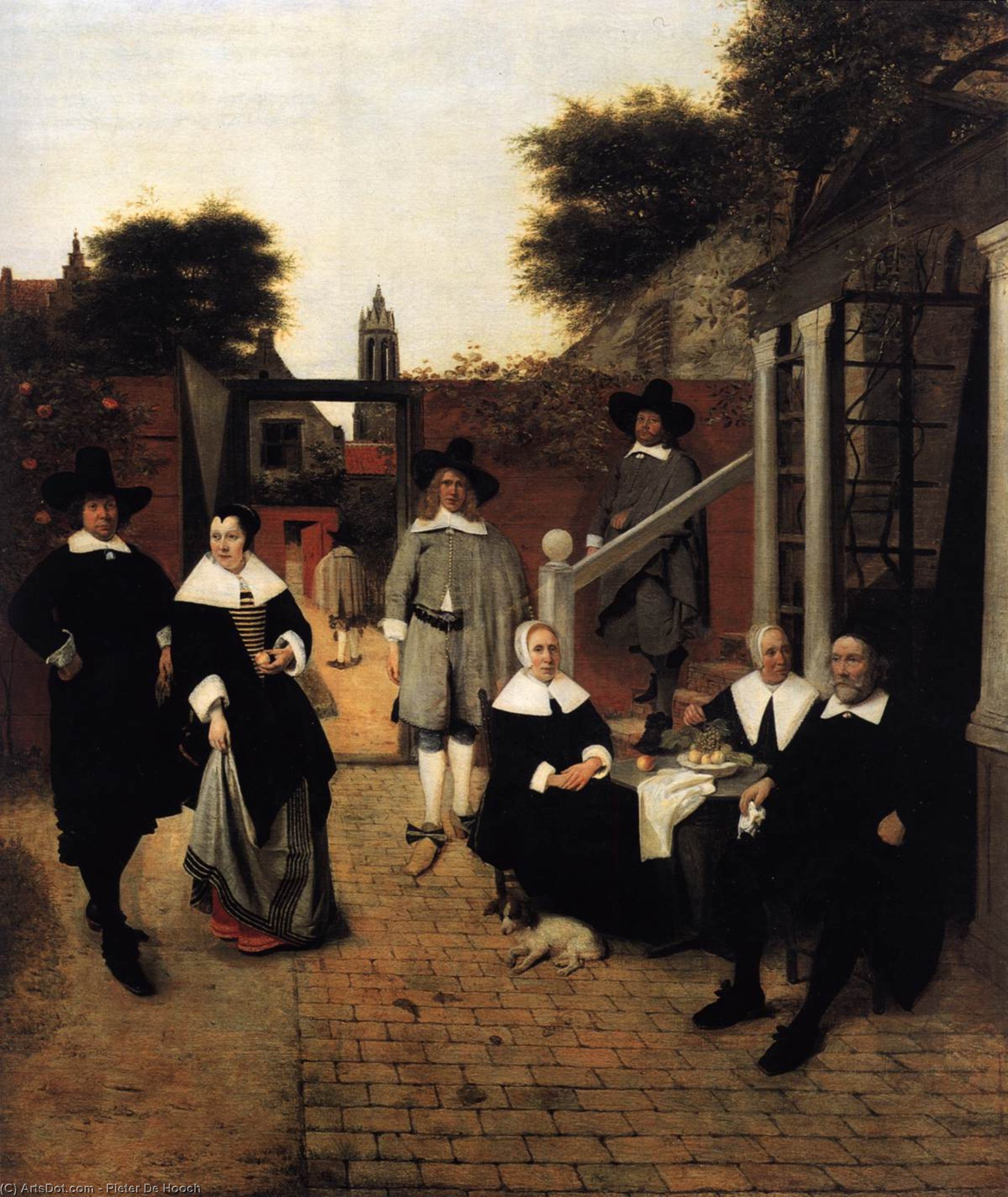
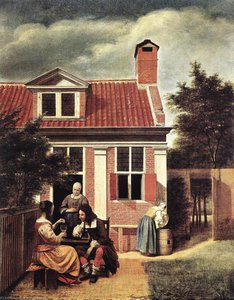
Portrait of a Family in a Courrtyard in Delft
 Oil On Canvas
- WallArt
- Dutch Golden Age
 1658
1658 113.0 x 97.0 cm
 Academia de Artes Visuales de Viena
 Ver más
Reproducción al óleo hecha a mano
Óleo sobre lienzo pintado a mano en el tamaño y marco de su elección, realizado por encargo por nuestros artistas. ( Comprar impresión Comprar imagen)




P118B $10

P118H $10

P118W $10

P438Z $10

P508JH $12

P508YH $12

P805H $10

P805Z $10

P919BZ $10

P919G $10

P919XJ $10

P959ZH $10

P968JZ $12

W106C $8

W218G $10

W218JH $8

W218Y $10

W307PJ $10

W316G $10

W316PJ $8

W316Y $10

W398PJ $8

W4111J $10

W500HY $15

W500JH $15

W692G $12

W849H $8

W940BG $15

W953PJ $8




Elija entre nuestros tamaños predefinidos que respetan las proporciones originales de la obra.

Puede ingresar sus propias dimensiones para adaptarse a un marco o espacio específico. Si el tamaño seleccionado no coincide con las proporciones de la imagen original, recortaremos la obra o extenderemos la pintura con elementos adicionales pintados a mano. Se le enviará una maqueta digital para su aprobación antes de comenzar la producción.
Tenga en cuenta que la vista previa en pantalla no refleja el recorte o la extensión reales. Solo la maqueta mostrará con precisión la composición final.
Si bien existen tamaños personalizados, recomendamos seleccionar una dimensión de la lista predefinida para preservar las proporciones originales.
Tras realizar el pedido, el equipo de ArtsDot.com enviará un correo electrónico al cliente para solicitar instrucciones y proporcionarle una vista previa del boceto.
Envío a todo el mundo () en 3-4 semanas en lugar de las 5 semanas estándar. (4 septiembre). Sin comprometer la calidad.

Envío exprés gratuito a todo el mundo

Lienzo de lino de alta calidad

Seguro de envío total

Garantía de reembolso de impuestos aduaneros

Garantía de fidelidad cromática exacta

Política de devolución de 60 días (solo por defectos)

Garantía de devolución del 100% del dinero

Descuento por cantidad
 La opción de vidrio solo está disponible en tamaños inferiores a 110 cm.

Portrait of a Family in a Courrtyard in Delft
Técnica de reproducción
Dimensiones de la reproducción
-


Precio total final
$ 263
A Moment Frozen in Delft: Pieter de Hooch’s “Portrait of a Family in a Courtyard in Delft”
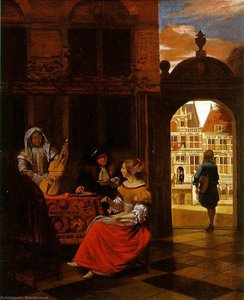
Pieter de Hooch's "Portrait of a Family in a Courtyard in Delft," painted in 1658, isn’t merely a depiction of a domestic scene; it’s a carefully constructed tableau of 17th-century Dutch life, imbued with quiet dignity and subtle symbolism. This remarkable work, now residing within the National Gallery in London, offers a rare glimpse into the burgeoning middle class and their aspirations for a comfortable, ordered existence – a world increasingly defined by domesticity and family values. De Hooch masterfully captures an afternoon’s repose within a Delft courtyard, transforming a commonplace setting into a poignant meditation on familial bonds and the rhythms of daily life.
The painting immediately draws the eye to its masterful use of light and shadow. De Hooch, a pioneer in employing diffused illumination – a technique he perfected through meticulous observation of natural light – creates an atmosphere of gentle warmth and intimacy. The light streams softly through the arched doorway, bathing the courtyard in a golden glow, while pockets of shade suggest depth and volume within the architecture. This subtle manipulation of light isn’t merely aesthetic; it serves to draw attention to key elements within the composition, guiding the viewer's eye across the scene with an almost imperceptible grace.
The Architecture as Character
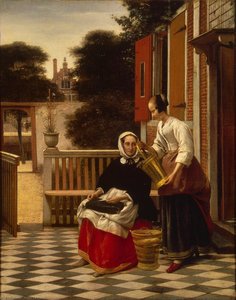
De Hooch’s skill extends far beyond simply capturing a visual likeness. He elevates the courtyard itself into a character within the painting. The brickwork of the arched doorway is rendered with astonishing detail, each individual brick meticulously depicted – a testament to his commitment to realism and his ability to transform the mundane into the extraordinary. The weathered tiles of the courtyard floor, the rough-hewn wooden planks of the log bin, and the delicate vine climbing the wall all contribute to a sense of lived-in authenticity. These architectural details aren’t merely decorative; they speak to the history of the house and the lives that have unfolded within its walls.
A Family Portrait of Quiet Dignity
At the heart of the composition stands a family – a patriarch, his wife, their daughter, and a young couple. Their poses are relaxed yet dignified, suggesting an air of comfortable familiarity. The figures aren’t engaged in any dramatic action; instead, they exist within a moment of quiet contemplation, absorbed in their own thoughts or simply enjoying each other's company. The matriarch, holding a bunch of grapes – a symbol of fertility and abundance – is particularly striking, her gesture conveying both grace and domesticity. The inclusion of the tablet above the doorway, bearing an inscription referencing Saint Jerome’s Vale, adds another layer of meaning, hinting at the family’s piety and adherence to moral values.
Symbolism and the Emerging Middle Class
“Portrait of a Family in a Courtyard in Delft” offers a fascinating window into the social and cultural shifts occurring in 17th-century Holland. The painting reflects the growing importance of the domestic sphere, particularly for women, as families moved away from the bustling commercial centers and established comfortable homes within the burgeoning urban landscape. De Hooch’s depiction of a prosperous family – complete with well-maintained furnishings and a sense of order – embodies the aspirations of the emerging middle class, who sought to emulate the lifestyle of the wealthy elite while maintaining their own values and traditions. The subtle details—the broom, the peach, the carefully arranged objects—all contribute to this broader narrative of social change.
A Legacy of Light and Intimacy
Pieter de Hooch’s “Portrait of a Family in a Courtyard in Delft” remains one of his most celebrated works. Its luminous quality, meticulous detail, and subtle symbolism continue to captivate viewers today. The painting's enduring appeal lies not only in its technical brilliance but also in its ability to evoke a sense of quiet intimacy and timeless beauty – a testament to De Hooch’s profound understanding of the human condition and his mastery of capturing the essence of everyday life.
Obras relacionadas
Biografía del artista
Vida temprana y formación
Pieter de Hooch, una figura destacada del Siglo de Oro holandés, nació el 20 de diciembre de 1629 en Róterdam, Países Bajos. Era el hijo mayor de cinco hijos de Hendrick Hendricksz de Hooch, albañil, y Annetge Pieters, partera. Se sabe poco sobre su vida temprana, pero se cree que trabajó en Róterdam, Delft y Ámsterdam. La formación artística de De Hooch tuvo lugar en Haarlem bajo el pintor paisajista Nicolaes Berchem, junto con Jacob Ochtervelt. Este período sentó las bases para su futuro éxito como pintor de escenas domésticas tranquilas con una puerta abierta.Estilo artístico y temas
El trabajo de De Hooch se caracteriza por su atención al detalle, naturalismo y uso de la luz. Sus pinturas a menudo representaban la vida cotidiana, reflejando los valores y aspiraciones de la emergente clase media. Un ejemplo notable de este estilo es "El patio de una casa en Delft" (1658), que muestra su capacidad para capturar los detalles mundanos de la vida cotidiana. El trabajo de De Hooch también comparte temas y composiciones con Emanuel de Witte, pero su enfoque en las personas y sus relaciones lo distingue. Esto se evidencia en "Mujer amamantando" (1658) y "Mujer con un bebé en el regazo" (1658), que demuestran su interés en escenas domésticas.Obras notables y legado
Algunas de las obras más destacadas de De Hooch incluyen:- “El bebedor alegre” (c. 1650)
- “Jugadores de cartas en una habitación soleada” (1658)
- “Una mujer preparando pan y mantequilla para un niño” (1661)
Desarrollo artístico y influencias
Alrededor de 1652, De Hooch se documentó en Delft donde contrajo matrimonio con la hermana de su amigo el pintor Hendrick van der Burch y donde produjo sus obras más importantes y mejores. En 1653, el artista está documentado como pintor y empleado de Justus de la Grange, un comerciante de arte que vivía en Delft y Leiden. En 1655 y 1657 su nombre aparece en el gremio de pintores de San Lucas en Delft. Durante este período, De Hooch modificó su materia temática y se centró en escenas domésticas de interiores de clase media, incluyendo una serie de obras maestras como "La despensa" (Rijksmuseum, Ámsterdam), "Sirvienta y niño pequeño en un patio" (National Gallery, Londres) y "Hombre fumando y mujer bebiendo en un patio" (Mauritshuis, La Haya). Alrededor de 1660, De Hooch se mudó a Ámsterdam donde está documentado en 1661 y 1672. Durante este período, su estilo se volvió más descriptivo y situó sus escenas en lujosos entornos con una gran cantidad de elementos decorativos. Sin embargo, estas obras carecen de la sutileza de su fase de Delft. Al final de su carrera, influenciado por el nuevo gusto por el arte y la cultura franceses, De Hooch comenzó a ubicar a sus figuras en las salas de mármol del nuevo Ayuntamiento de Ámsterdam, lo que ofrecía más oportunidades para entornos grandiosos que sus anteriores narrativas domésticas burguesas. Entre las obras de su período de Ámsterdam se encuentran "El armario de ropa" (Rijksmuseum, Ámsterdam) y “La minué” (Statens Museum for Kunst, Copenhague). De Hooch murió en un hospicio en 1684. Fue uno de los pintores holandeses del género más finos y su obra siempre se ha asociado con la ciudad de Delft donde produjo sus mejores pinturas.Significado histórico
Pieter de Hooch es reconocido como uno de los pintores más importantes del Siglo de Oro holandés, destacando por su capacidad para capturar la atmósfera tranquila y hogareña de la vida doméstica. Su uso magistral de la luz y la perspectiva, junto con su atención al detalle en la representación de interiores y objetos cotidianos, lo convierten en un artista único e influyente. Su técnica del "doorkirkjie" o puerta transparente, que ampliaba el espacio pictórico y permitía vislumbrar el exterior, fue innovadora y sentó las bases para futuras generaciones de artistas.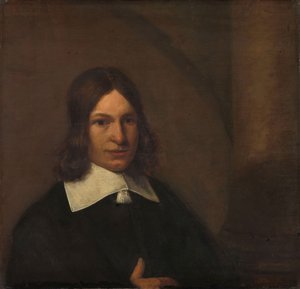
Pieter de Hooch
1629 - 1694 , Países Bajos
Datos clave
- Artistas Que Influyeron:
- Nicolaes Berchem
- Emanuel de Witte
- Estilo Artístico: Edad de Oro Neerlandesa
- Fecha De Nacimiento: 20 de diciembre de 1629
- Influencia En Artistas:
- Impresionismo
- Realismo
- Lugar De Nacimiento: Rotterdam, Países Bajos
- Nacionalidad: Neerlandés
- Nombre Completo: Pieter de Hooch
- Obras Notables:
- El bebedor alegre
- Jugadores de cartas
- Mujer preparando pan y mantequilla
Artículos relacionados
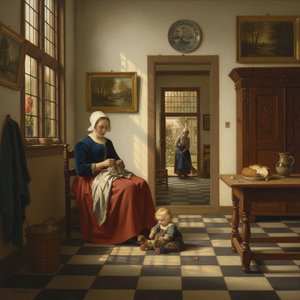
Pieter de Hooch: Illuminating Dutch Domestic Life & Golden Age Charm
Explore the captivating world of Pieter de Hooch, a master of Dutch Golden Age painting. Discover his innovative use of light, intimate domestic scenes, and lasting influence on art history. Learn more at ArtsDot.

Goya: Las 25 Obras Maestras del Genio Español | Reproducciones de Arte en ArtsDot
Descubre las 25 obras maestras de Goya, el genio español. Explora retratos icónicos, 'Los Caprichos' y 'Las Pinturas Negras'. Reproducciones de arte en lienzo de alta calidad para decorar tu hogar con estilo. ¡Encuentra tu obra favorita en ArtsDot.com!

Acerca de nosotros
Descubre nuestra historia! Llevamos el arte de clase mundial a tu vida gracias a una selección experta, creaciones personalizadas y vistas previas gratuitas. Aprobado por particulares y empresas desde el año 2000.
Willem van de Velde the Elder: Master of Maritime Painting & Chronicler of the Dutch Golden Age
Discover the captivating maritime paintings of Willem van de Velde the Elder, a master chronicler of the Dutch Golden Age. Explore his unparalleled realism and lasting influence on naval art history.
Wilhelmus de Zwart: Capturing Dutch Life Through the Lens of Realism & Impressionism
Explore the captivating world of Wilhelmus de Zwart, a Dutch master bridging Realism & Impressionism. Discover his landscapes, cityscapes, and unique technique – a compelling study for art enthusiasts and collectors.